Quick answer
Use a swaddle for the early weeks when your baby still needs that snug, womb-like feeling, then move to a sleep sack once they start showing signs of rolling or breaking free. The swaddle blanket vs sleep sack choice is really a stage choice: swaddle first, sleep sack next, with a short transition in between.
Most parents don't need to pick a side forever. They need to know which tool matches the stage their baby is in right now, and when to switch. A swaddle is a wrap that keeps arms close to the body. A sleep sack is a wearable blanket that lets arms move freely while keeping the torso warm.
The tricky part is the handover. If you wait too long to stop swaddling, a baby who is learning to roll can end up in a position they can't correct. If you switch too early, you may lose the calm that was helping everyone sleep. This comparison walks through the trade-offs, the fit details that matter, and how to plan a swaddle transition without buying five things you won't use.
What each option actually does
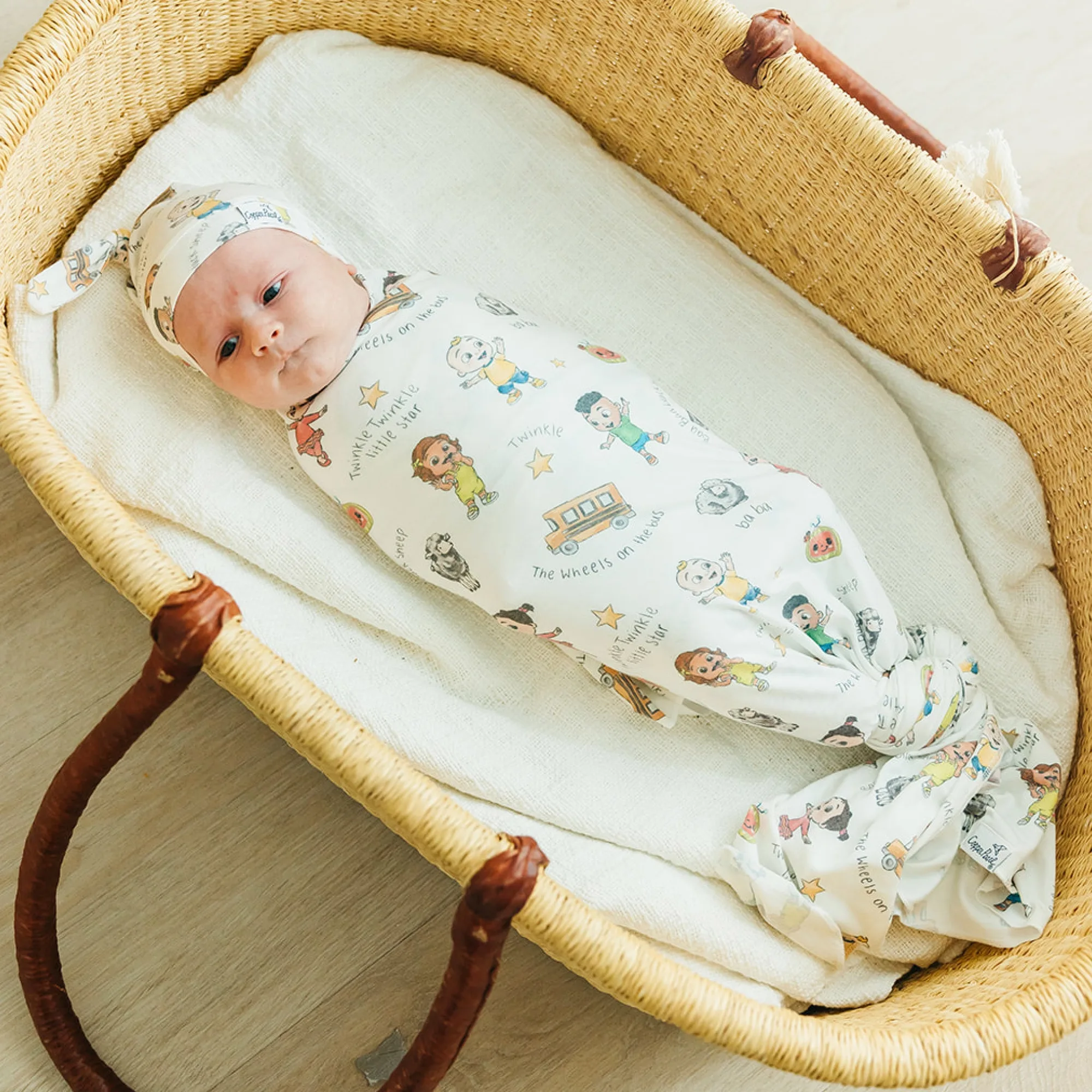
A swaddle restricts arm movement, which can reduce the startle reflex that wakes young babies. That snugness is why swaddling is often described as simulating the feeling of being snuggled up in the womb. The trade-off is that a swaddle needs to be wrapped correctly every time, and it stops being the right choice once your baby can roll.
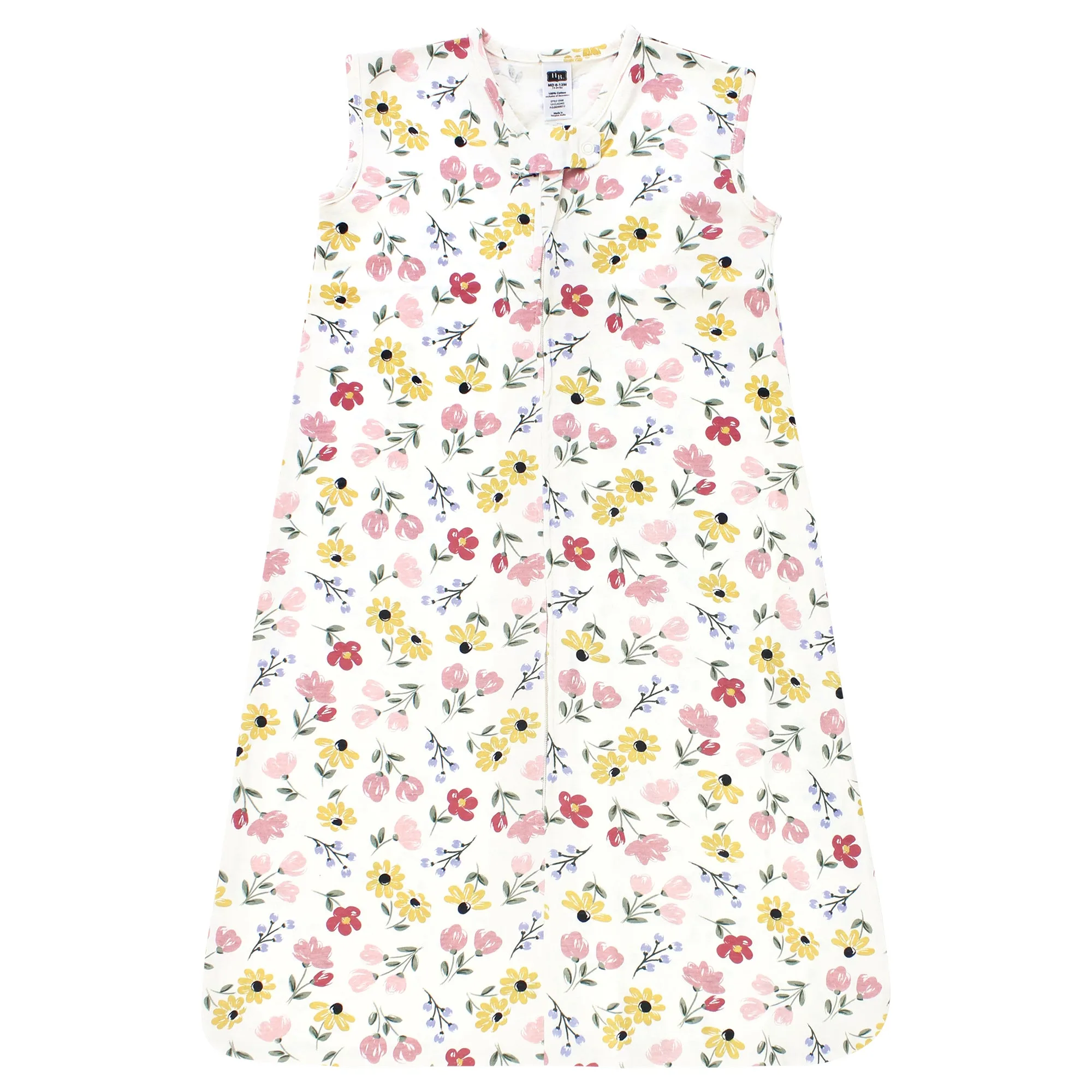
A sleep sack keeps the arms free and replaces loose blankets in the cot. It stays on through the night, so there's nothing to tuck back in at 3am. The trade-off is that it doesn't suppress the startle reflex, so some babies need a gradual introduction rather than an overnight swap.
- Swaddle: arms in, snug, best for the newborn stage before rolling.
- Sleep sack: arms out, wearable, best once rolling begins or swaddling no longer settles your baby.
When to stop swaddling and start the transition
The common guidance is to stop swaddling as soon as your baby shows signs of trying to roll, because a swaddled baby who rolls onto their tummy may not be able to push back. Some parents also stop earlier if their baby is breaking out of the wrap, fighting the swaddle, or waking more often than before.
A practical swaddle transition usually means one arm out for a few nights, then both arms out, then the sleep sack on its own. Keep the rest of the bedtime routine identical so the only change is the sleepwear. If your baby is still waking frequently, that's normal during a transition, not a sign you chose wrong.
- Watch for rolling attempts, not just a birthday on the calendar.
- Change one thing at a time: arms first, then the sleep sack.
- If your baby is unwell or in a growth spurt, pause the transition and restart when things settle.
Fit and fabric details that change the decision
Fit matters more than branding. A swaddle should be snug across the chest but loose enough around the hips for legs to bend and move. A sleep sack should sit close at the neck and shoulders so it can't ride up over the face, with enough room below for kicking. If the neck opening is loose, size down or choose a different style.
Fabric affects how often you'll actually use it. A muslin wrap is lightweight and breathable, which suits warmer rooms and layered sleepwear. A knitted cotton blanket used as a tummy-time or pram layer is not the same as a swaddle or sleep sack, and it shouldn't be placed loose in the cot. Check the care label before you buy, because washing instructions decide whether a piece survives the newborn stage.
- Check the neck opening every few weeks as your baby grows.
- Choose a fabric weight that matches your room, not the season on the calendar.
- Always follow the safe sleep guidance from your health provider for your baby's individual needs.
How many you need and how to avoid overbuying
Two swaddles and two sleep sacks is a realistic starting point for most families. That gives you one in use and one in the wash, without committing to a full drawer before you know what your baby tolerates. If you're using a swaddle blanket vs sleep sack for the first time, buy one of each in the size that fits now rather than stockpiling a larger size.
Sizing up too early is a common mistake. An oversized sleep sack can bunch around the face, and an oversized swaddle is harder to wrap securely. Buy for the current weight and length, then replace when the fit starts to feel tight or the neck opening gapes.
- Start with two of each in the current size.
- Replace when the fit changes, not on a fixed schedule.
- Keep a spare in the nappy bag for pram naps if your sleep sack is travel-friendly.
The real trade-offs
- Swaddle: calm now, deadline later: A swaddle can settle a newborn quickly, but it comes with a clear expiry date once rolling starts. You gain easier early sleep and take on the job of watching for rolling signs and transitioning on time. Choose a swaddle for the newborn stage, and set a mental reminder to reassess around the first roll.
- Sleep sack: freedom now, less startle control: A sleep sack keeps arms free and stays on all night, but it won't dampen the startle reflex the way a swaddle can. Some babies take a week or two to adjust to the extra arm movement. Choose a sleep sack once rolling begins or if your baby keeps breaking out of the swaddle.
- Buying both: more cost, smoother handover: Keeping one swaddle and one sleep sack in the current size means you can transition without a shopping delay. The trade-off is spending on two items when you might only need one for a short phase. If budget is tight, start with the swaddle and buy the sleep sack when you see the first rolling sign.
Two options worth comparing
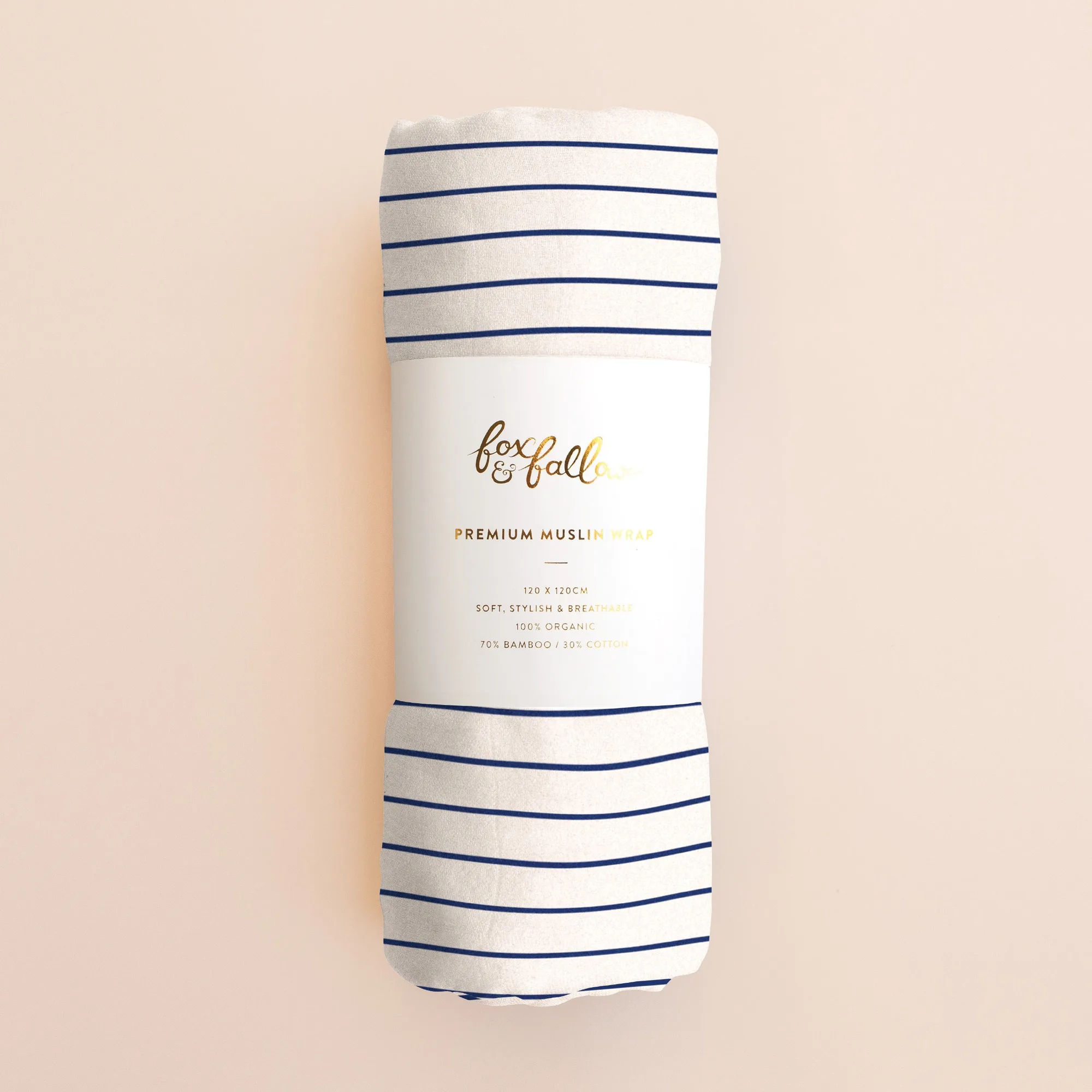
- Breton Stripe Muslin Wrap Swaddle: Made from an organic bamboo and cotton blend that is Oeko-Tex Standard 100 and GOTS certified, extra large, lightweight, and machine washable. A lightweight, extra-large muslin wrap gives you room to swaddle snugly now and still works as a pram or tummy-time layer later, and machine washable matters when spit-up happens daily.
- Sweet Sage Blanket: A luxe knitted blanket in 100% cotton, sized 100x100cm, now a three-colour design that feels thicker and more luxurious than before. This is a layer for cuddles, prams, and play, not a substitute for a swaddle or sleep sack in the cot, so it's worth having one for daytime use while keeping the cot clear.
Which should you choose?
Best for
- Newborns who still startle themselves awake and settle well with arms in.
- Parents who want a lightweight wrap that doubles as a pram or tummy-time layer.
- Babies in the early weeks who haven't shown any signs of rolling.
Not for
- Babies who are already attempting to roll, who should move to a sleep sack.
- Babies who consistently break out of a swaddle and sleep better with arms free.
- Anyone looking for a loose blanket to place in the cot, which is not a safe sleep option.
Pick the option that matches your baby's stage, not the one that sounds more convenient. Swaddle early, transition when rolling starts, and keep the cot clear except for the fitted sheet and the sleepwear your baby is wearing.