Quick answer
A swivel slip lead helps reduce twisting while training loose leash walking. Focus on timing, position, and gentle pressure to teach your dog to walk without pulling.
Why a swivel slip lead helps with loose leash walking
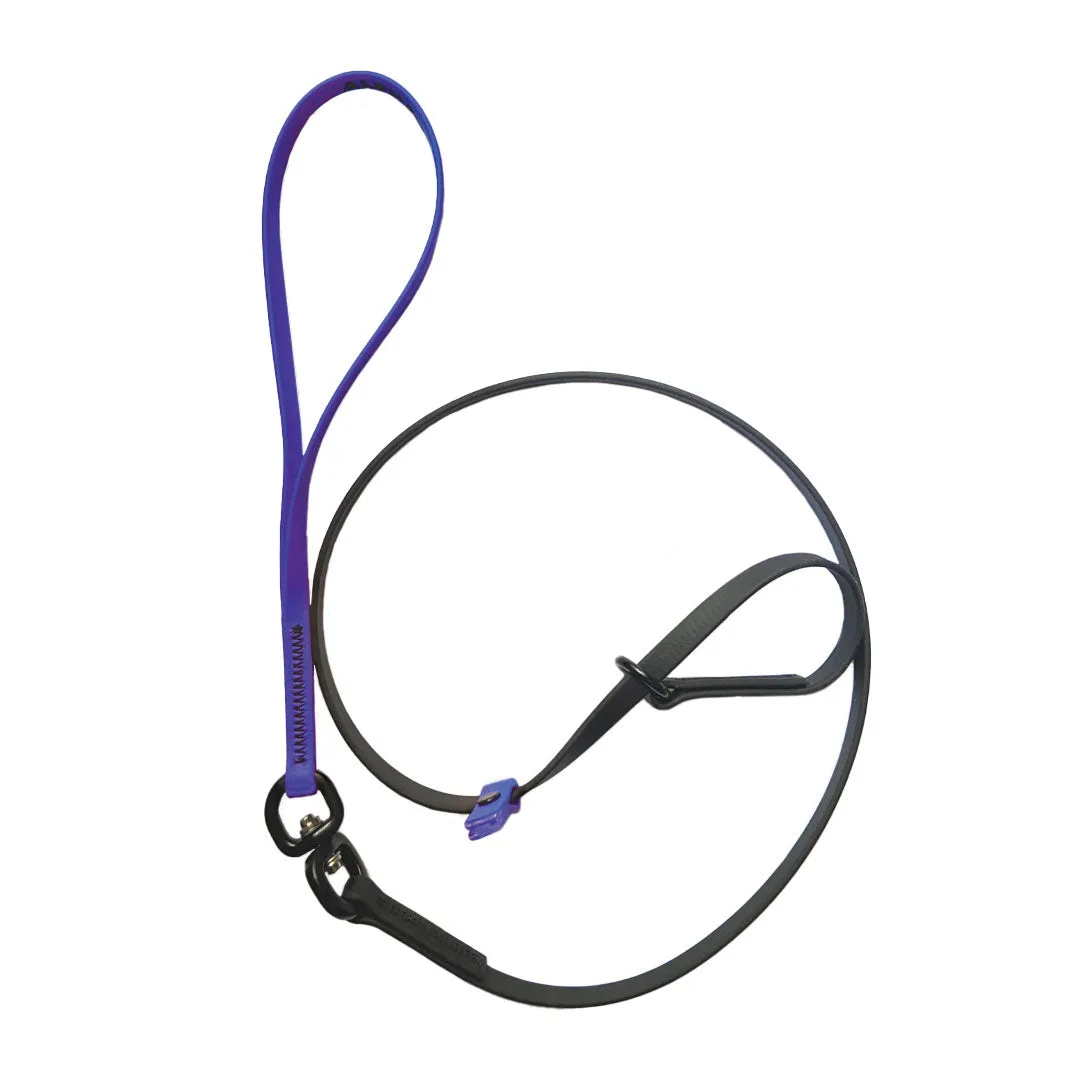
Standard slip leads can twist as your dog moves side to side, creating uneven pressure and confusing signals. The swivel slip lead keeps the loop flat and consistent, so your corrections and releases are clear. This makes it easier to reward a loose leash without the lead fighting you.
Step-by-step training tips
- Fit the lead correctly: Place the loop high on your dog's neck, just behind the ears. The swivel should sit at the back of the neck so it can rotate freely. A low fit can encourage pulling. Check that the loop is snug but not choking.
- Start in a low-distraction area: Practice inside your home or a quiet yard. Let your dog move a few steps, then stop and stand still. Wait for the leash to go slack before moving again. If your dog pulls, do not yank. Simply stop and wait. The swivel keeps the pressure even, making the pause clearer.
- Use the swivel to your advantage: When your dog changes direction, the swivel rotates so the loop stays in position. You do not need to flip or adjust the lead. Reward any moment the leash forms a J shape. Common mistake: overcorrecting. Let the swivel do the work of keeping the loop aligned.
- Add turns and speed changes: Once your dog understands stopping, begin turning in the opposite direction when they pull. The swivel keeps the lead from twisting as you change direction. Your dog learns to watch you instead of pulling ahead. Keep sessions short—5 to 10 minutes.
Product facts
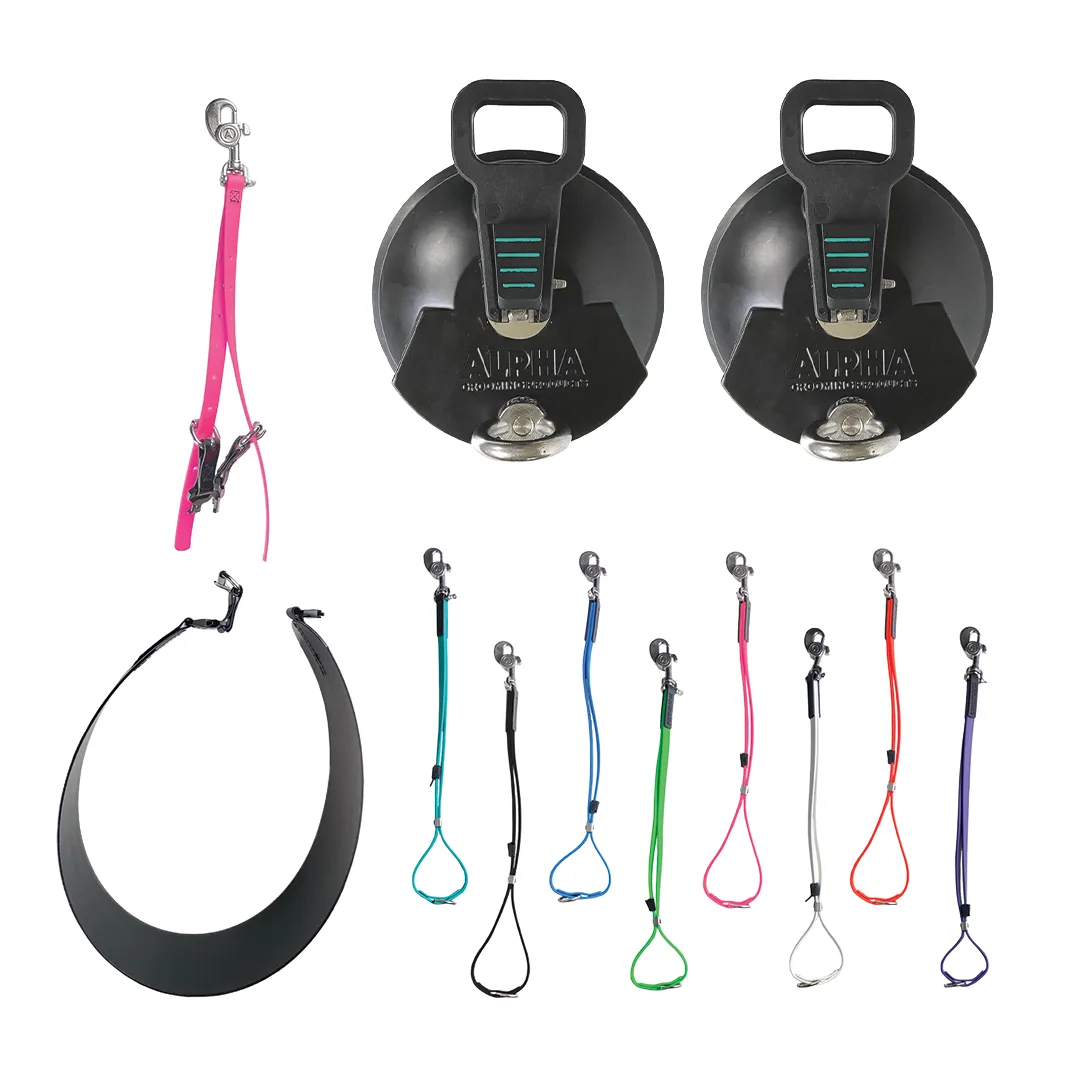
- Swivel Slip Lead: 4 feet overall length, based on the original slip lead from 2020, with an upgrade that keeps the lead from twisting while being used. The swivel prevents the lead from tangling during training, so you can focus on timing your release instead of untwisting the loop.