Quick Answer
To keep your synthetic leather duty belt in top condition, avoid harsh chemicals, excessive soaking, and machine washing. Instead, wipe it down with a damp cloth, use mild soap if needed, and let it air dry away from direct heat. Always follow the manufacturer's care instructions and measure your waist through your belt loops for proper fit.
Synthetic leather duty belts are built to handle the rigors of daily wear, but they still need proper care. Many officers and security professionals unknowingly damage their belts by using cleaning methods meant for genuine leather or by neglecting routine maintenance. Here are the most common mistakes and how to avoid them.
Understanding what your belt is made of is the first step. High-performance synthetic leather is not the same as traditional leather, so it requires different care. Treating it like real leather can lead to cracking, peeling, or discoloration—shortening the life of your gear.
Myth: You Should Condition Synthetic Leather Like Real Leather
Conditioners and oils designed for genuine leather can actually harm synthetic leather. They can break down the material's structure, leaving it sticky or weakened. Instead, use a mild soap and water solution for cleaning, and skip the conditioners entirely.
If you notice your belt looking dry or dull, it's not a sign that it needs conditioning. Synthetic leather doesn't absorb oils the way real leather does. A simple wipe with a damp cloth can restore its appearance without risking damage.
- Use only products labeled safe for synthetic materials.
- Test any cleaner on a small, hidden area first.
Myth: Machine Washing Is Fine for Duty Belts
Throwing your duty belt in the washing machine might seem convenient, but it's a fast track to damage. The agitation can fray stitching, warp the belt's shape, and weaken the hook-and-loop closure. The same goes for dryers, which can melt or distort synthetic materials.
Hand washing is the safest method. Fill a sink with lukewarm water, add a drop of mild detergent, and gently scrub the belt with a soft brush or cloth. Rinse thoroughly and hang it to air dry—never use a dryer or direct heat.
- Remove any attached pouches or accessories before cleaning.
- Avoid wringing the belt; pat it dry with a towel instead.
Myth: Soaking Removes Tough Stains Better
Soaking your belt for extended periods can cause the material to absorb water, leading to warping or delamination. It can also weaken the adhesive used in layered belts. For tough stains, spot-clean with a damp cloth and a little soap, then rinse quickly.
If a stain persists, try using a soft-bristled brush with a gentle circular motion. Avoid aggressive scrubbing, which can leave permanent marks. Patience and repeated gentle cleaning are more effective than a long soak.
- Blot stains rather than rubbing them.
- For oil-based stains, use a small amount of dish soap.
Myth: You Can Skip Regular Maintenance
Even the toughest duty belt needs routine care. Dirt and sweat can accumulate, causing odors and degrading the material over time. A quick wipe-down after each shift and a deeper clean monthly can significantly extend your belt's life.
Also, inspect your belt regularly for signs of wear, such as frayed edges or loose stitching. Catching small issues early can prevent them from becoming major problems. Remember, a well-maintained belt is a reliable belt.
- Keep a microfiber cloth in your locker for quick cleanups.
- Check the hook-and-loop closure for debris that can reduce grip.
Verdicts on Common Myths
- Conditioning synthetic leather: Using leather conditioners on synthetic leather can cause damage. Stick to mild soap and water. Skip the conditioner; use a damp cloth.
- Machine washing and drying: Machine washing and drying can warp, fray, or melt your belt. Hand wash and air dry only. Hand wash with mild soap and air dry.
- Soaking for stains: Extended soaking can weaken the material and adhesives. Spot-clean instead. Blot stains and rinse quickly.
- Skipping regular maintenance: Routine cleaning and inspection extend belt life and catch issues early. Wipe down after shifts and inspect monthly.
Product Facts
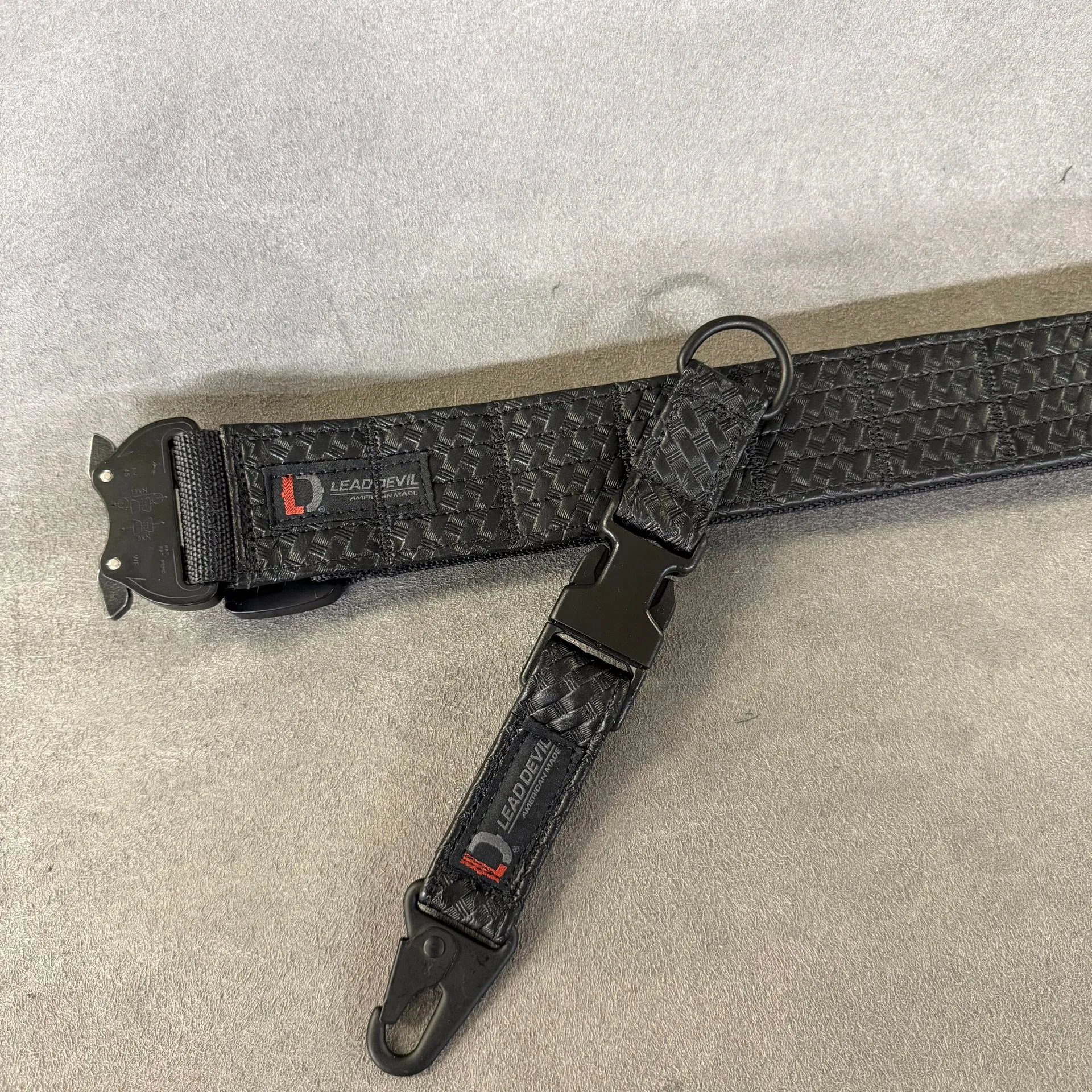
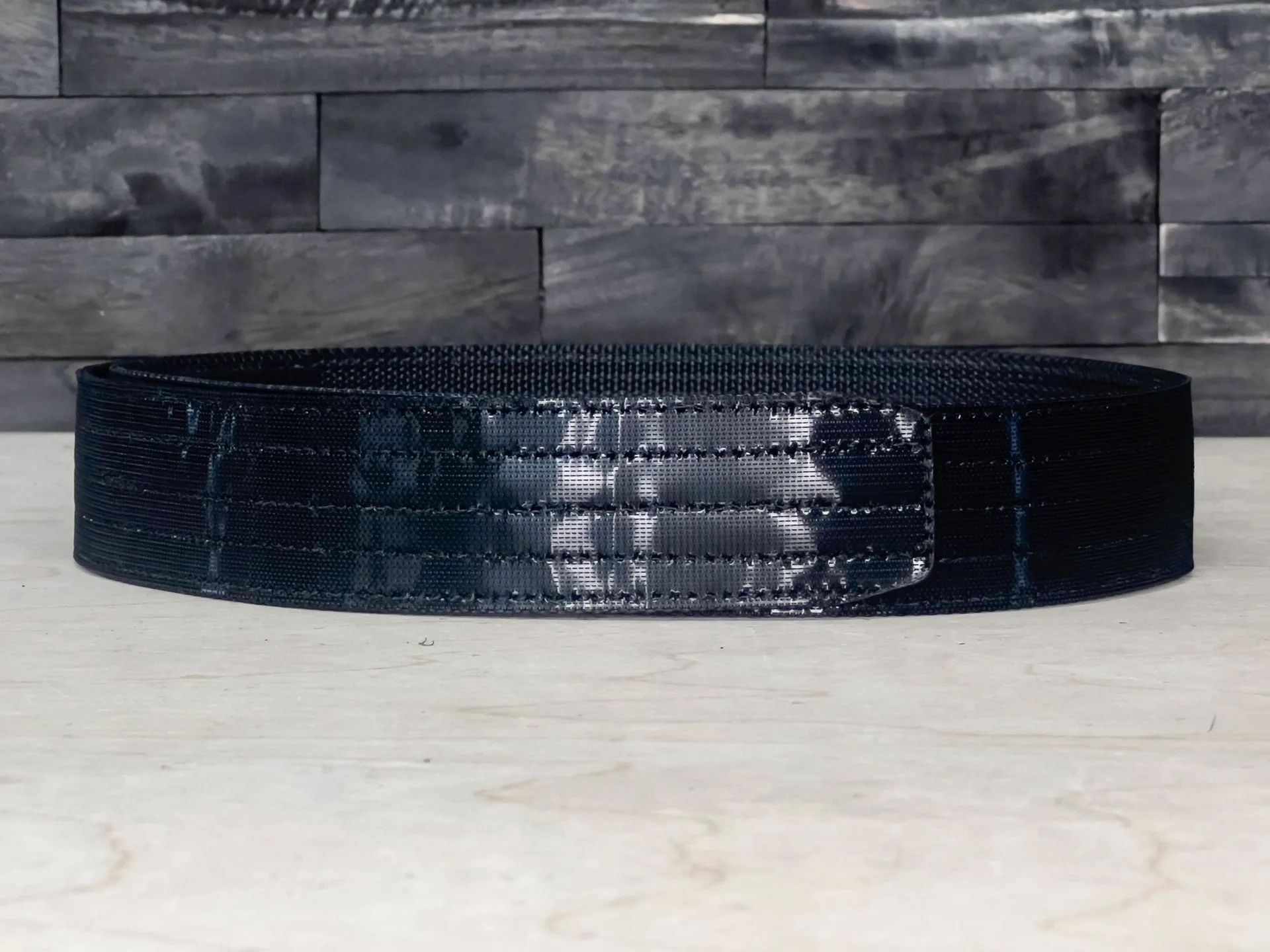
- 1.75" BASKET WEAVE - HIGH PERFORMANCE SYNTHETIC LEATHER DUTY BELT: Lead Devil High-Performance Synthetic Leather Duty Belts are designed for confidence and durability, with sizing instructions that emphasize measuring through your belt loops for a proper fit. Proper fit reduces stress on the belt material and ensures your holster and pouches sit correctly, which also makes cleaning easier since you won't be fighting a too-tight or loose fit.
- 1.75" LOW VIZ BASKET WEAVE - HIGH PERFORMANCE SYNTHETIC LEATHER DUTY BELT: This low-viz version offers the same high-performance synthetic leather construction with a more discreet appearance, and also requires measuring through your belt loops for accurate sizing. A low-profile belt still needs the same care. Its finish can be more prone to showing marks, so gentle cleaning and avoiding harsh chemicals are especially important to keep it looking professional.
- Maintenance Program - 1.75" (NO MOLLE) BELT: Lead Devil offers a maintenance program for existing customers, replacing the belt webbing and hook-and-loop on your original Cobra buckle for a fraction of the original cost, because buckles can last 10+ years but webbing and everyday wear take the hit. This program shows that even with proper care, wear is inevitable. Regular maintenance and knowing when to replace the belt portion can save you money and keep your gear safe.
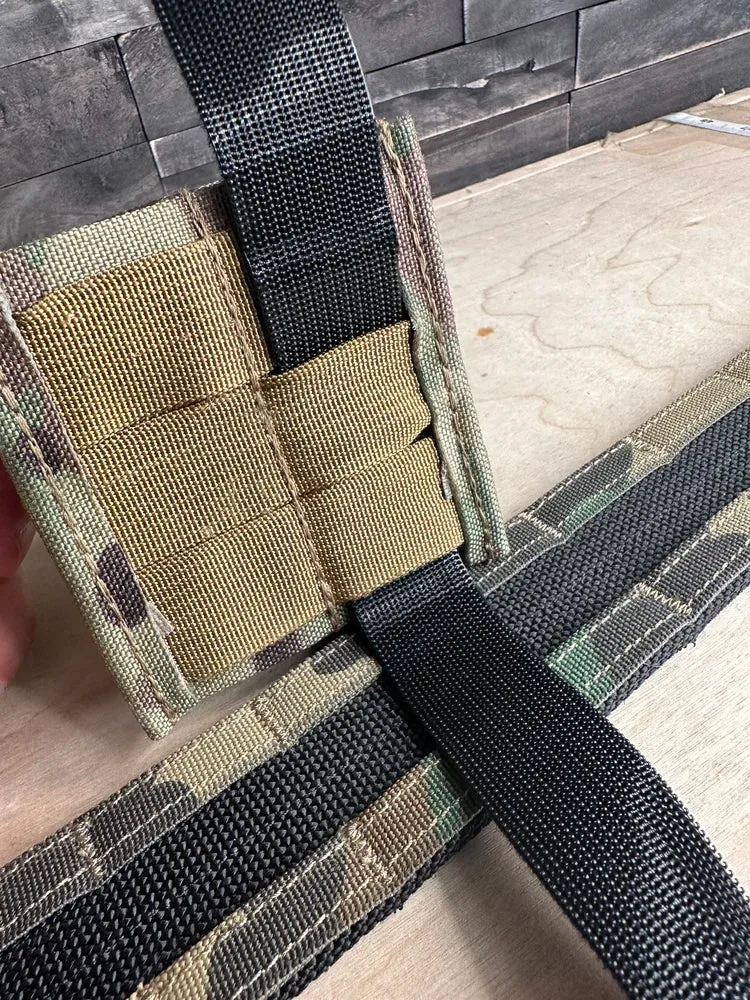
- Inner Belt - Hook Lined: The Inner Belt - Hook Lined is designed to pair with your tactical belt, and sizing guidance recommends it often be one size smaller than your tactical belt for a secure fit. Proper inner belt fit reduces friction and wear on both belts. Keeping the inner belt clean and free of debris helps maintain a strong hook-and-loop connection, improving overall stability.
Taking care of your synthetic leather duty belt doesn't have to be complicated. Avoid these common mistakes, and your belt will stay reliable and professional-looking for years. Remember, when in doubt, keep it simple: gentle cleaning, air drying, and regular inspection are your best tools.