Quick answer
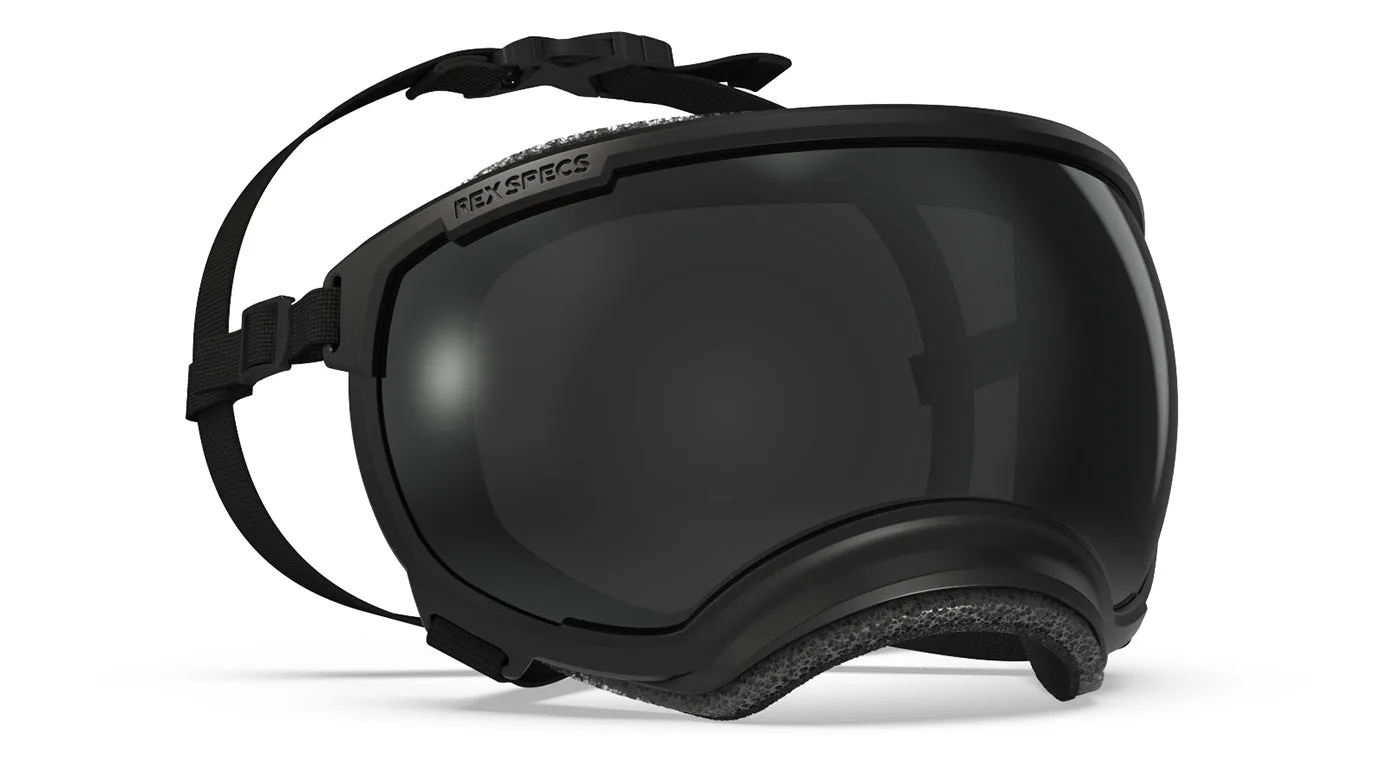
Buy tactical dog goggles only if your dog rides with its head out a window, runs trails with heavy brush, or spends long days in strong sun or wind. Fit matters more than lens color: the frame must sit on the brow without pressing the eyes, and the strap should hold snug without sliding. If your dog paws at them for more than a few short sessions, skip goggles and use a well-fitted collar or harness with clear patches instead.
What dog eye protection actually solves
Goggles are a barrier, not a cure. They keep out trail dust, foxtails, sand, and road grit, and they cut wind that dries the eye surface on fast rides. A tinted lens also reduces glare and adds a layer of UV protection dog goggles can offer when your dog is exposed for hours. They do not replace a vet visit for a squinting, red, or weeping eye, and they will not fix an existing injury.
The tradeoff is tolerance. Some dogs accept eyewear in a few days; others never do. Before you spend on a premium pair, test the concept with short, positive sessions at home and watch for head shaking, freezing, or pawing.
Fit checks that decide whether goggles stay on
Measure around the widest part of the head, just behind the ears, and measure the muzzle circumference where the strap will rest. Compare those numbers to the maker's size chart rather than guessing from breed. A frame that is too narrow pinches the inner eye; too wide and it slides down the nose on the first trot.
The lens should clear the eyelashes and sit slightly off the eyes so air can move. Straps need to be snug enough that you can slide one finger under them, not two. If the goggles rotate when your dog looks down, the strap is too loose or the frame shape does not match your dog's head.
- Check clearance: no lens contact with the eye or lashes.
- Check stability: goggles stay level during a brisk walk and a head-down sniff.
- Check comfort: no red marks after ten minutes of wear.
Lens and frame choices by activity
Clear or lightly tinted lenses suit overcast trails, early mornings, and wooded cover where you want maximum visibility. Smoke or dark lenses help in bright snow, water, or open desert. If your dog works in and out of shade, a mid-tint lens is the more versatile pick. Avoid very dark lenses for low-light or night use.
Frames matter as much as lenses. A flexible frame tolerates bumps and packs flat; a rigid frame holds shape but can dig in during rough play. Vented or perforated designs reduce fogging on humid days, though they let in more fine dust. Whichever you choose, clean lenses with water and a soft cloth, not a shirt tail that can scratch the coating.
When to skip goggles and use gear your dog already accepts
If your dog's main risk is being approached by strangers or crowded on a trail, eye protection is the wrong tool. A clear "Do Not Pet" patch on a collar or harness solves that problem without asking your dog to wear something on its face. Tactipup's Do Not Pet Patch (4.5" x 1.5") is made from rubber/PVC, wipes clean, and uses hook backing that fits 1.5" or 2" collars and harnesses.
For dogs that are relaxed on leash and not known for breaking equipment, a personalized collar is a simpler, lower-risk upgrade than eyewear. The Personalized 1.5" Basic Tactical Dog Collar uses a plastic buckle and is built for dogs that don't need the strength of an Extreme metal buckle collar. If your dog is hard on gear or works in the field, the Extreme Harness with Metal Buckles is the more appropriate anchor for patches and long days out.
Decision rules for buying dog goggles
- Rule 1: Match the risk, not the look: Choose goggles for debris, wind, or long UV exposure. Choose a clear patch or vest for space and handling issues. If the risk is people, buy patches first.
- Rule 2: Fit before features: Measure head and muzzle, then compare to the size chart. A cheap pair that fits beats a premium pair that pinches or slides. No fit, no buy.
- Rule 3: Test tolerance before a long trip: Run three to five short sessions at home with treats. If your dog still paws or freezes after a week, return or repurpose the goggles. Tolerance is the real return window.
- Rule 4: Pick lens tint for the environment: Clear or light tint for woods and overcast; smoke for bright snow, water, or open sun; mid-tint for mixed conditions. One lens rarely covers every outing.
Gear that pairs with eye protection
- Personalized 1.5" Basic Tactical Dog Collar: Personalized 1.5" Basic Tactical Dog Collar features a plastic buckle and is made for people who don't need the strength of Extreme metal buckle collars. A sensible choice for relaxed dogs that won't be pulling hard, and a lower-cost way to add ID and patches while you test whether your dog tolerates new gear.
- Extreme Harness with Metal Buckles: Extreme Harness with Metal Buckles was developed over 3+ years of prototypes and tested in day-to-day use, bite work on a back-tie, tracking, and patrol. If your dog works or hikes hard, a harness built for that load is a better anchor for patches and long outings than a light collar alone.
- Do Not Pet Patch (4.5" x 1.5"): Do Not Pet Patch (4.5" x 1.5") is made from rubber/PVC, wipes clean, will not snag, and has hook backing for 1.5" or 2" collars or any harness. A practical alternative to goggles when the real problem is people approaching your dog, not trail debris.
Who should buy tactical dog goggles
Best for
- Dogs that ride with their head out a car window or in an open UTV
- Trail dogs running through brush, sand, or foxtails
- Dogs on long, bright exposures where glare and UV add up
Not for
- Dogs that paw, freeze, or panic when wearing anything on the face
- Owners whose main problem is strangers approaching the dog
- Dogs with an active eye injury or infection, which needs a vet, not gear