Quick answer
Use the Tactile Tiger Sensory Brush as a calming tool during sensory breaks or as part of a brushing protocol to provide gentle tactile input for children or adults seeking sensory stimulation.
Why a tactile brush works for sensory integration
The Tactile Tiger Sensory Brush is designed to deliver targeted tactile stimulation, which can help regulate the nervous system. For individuals on the autism spectrum or with sensory processing differences, gentle brushing can reduce anxiety and improve focus when used consistently.
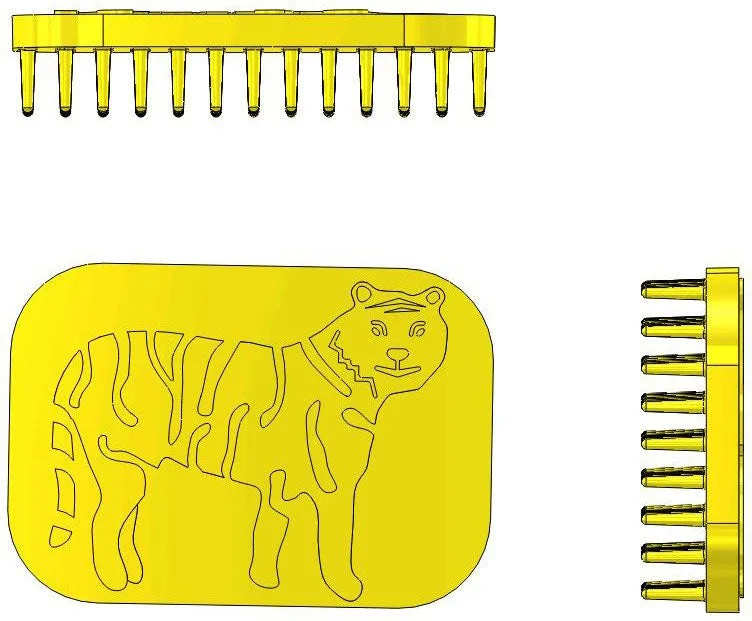
This tool is small—about the size of a credit card—making it easy to carry in a pocket or sensory kit. The bristled surface provides one type of input, while the raised tiger shape on top offers a different texture, giving the user options within a single tool.
When to use the brush in a sensory diet
A sensory diet is a scheduled set of activities that provide the sensory input a person needs throughout the day. The Tactile Tiger Brush can be used during transitions (like before leaving the house or starting homework), after overstimulating events, or as a calming break between tasks.
It is not a replacement for a professional brushing protocol like the Wilbarger Protocol, but it can complement such routines or serve as a standalone tool for gentle tactile input.
How to use the Tactile Tiger Sensory Brush for sensory integration
- 1. Prepare the environment and the user: Choose a calm, quiet space. Explain to the user (if verbal) that you will use the brush to help them feel calm. Ensure the user is comfortable and willing. For non-verbal individuals, observe body language for readiness. Common mistake: Starting brushing when the user is already agitated—this can increase distress instead of calming.
- 2. Choose the texture side: Decide whether to use the bristled side for firmer input or the raised tiger side for lighter, more textured stimulation. Start with the side the user seems most curious about. You can switch sides during the session. Checkpoint: Let the user touch the brush first to reduce surprise. If they pull away, try the other side.
- 3. Apply gentle, consistent strokes: Using light to moderate pressure, brush in long, slow strokes along the arms, legs, or back—always in the same direction (e.g., from shoulder to hand). Avoid the face, neck, and stomach unless directed by a therapist. Each stroke should take about 1–2 seconds. Common mistake: Brushing too fast or with inconsistent pressure can be overstimulating. Keep a steady rhythm.
- 4. Observe and adjust: Watch the user's reactions. Signs of calming include relaxed muscles, deeper breathing, or decreased fidgeting. If the user seems more agitated, stop or reduce pressure. Sessions typically last 1–3 minutes, but follow the user's cues. Checkpoint: If the user asks to stop or shows clear discomfort, respect that immediately. Forced brushing can create negative associations.
- 5. Clean and store the brush: After each use, rinse the brush with warm water and mild soap, then let it air dry. Store it in a clean, dry place. Avoid sharing between users without proper sanitation. Common mistake: Leaving the brush wet can lead to mold growth. Always dry thoroughly before storing.
Product facts
-
Tactile Tiger Sensory Brush: The Tactile Tiger Sensory Brush is roughly the size of a credit card and offers a bristled tactile surface plus a raised surface tiger on the top side. Its compact size and dual textures make it easy to carry and provide varied sensory input in one tool, suitable for use by therapists, parents, or the individual.
Tactile Tiger Sensory Brush