Quick answer
Choose tarot if you want deep symbolic storytelling with a fixed 78-card system; pick Lenormand for direct, practical answers using a 36-card structure; go with oracle cards when you prefer intuitive, freeform guidance with no fixed rules.
How the structures differ
Tarot decks like Phantasma Tarot follow a strict 78-card system divided into Major and Minor Arcana. Each card has a fixed meaning rooted in symbolism, which gives readings a consistent framework but also requires study to master.
Lenormand decks such as Fairy Tale Lenormand use a 36-card system (though this deck includes 38 cards with extra options). Cards are read in pairs or spreads, and meanings are more literal and action-oriented than tarot. The structure is simpler but still rule-based.
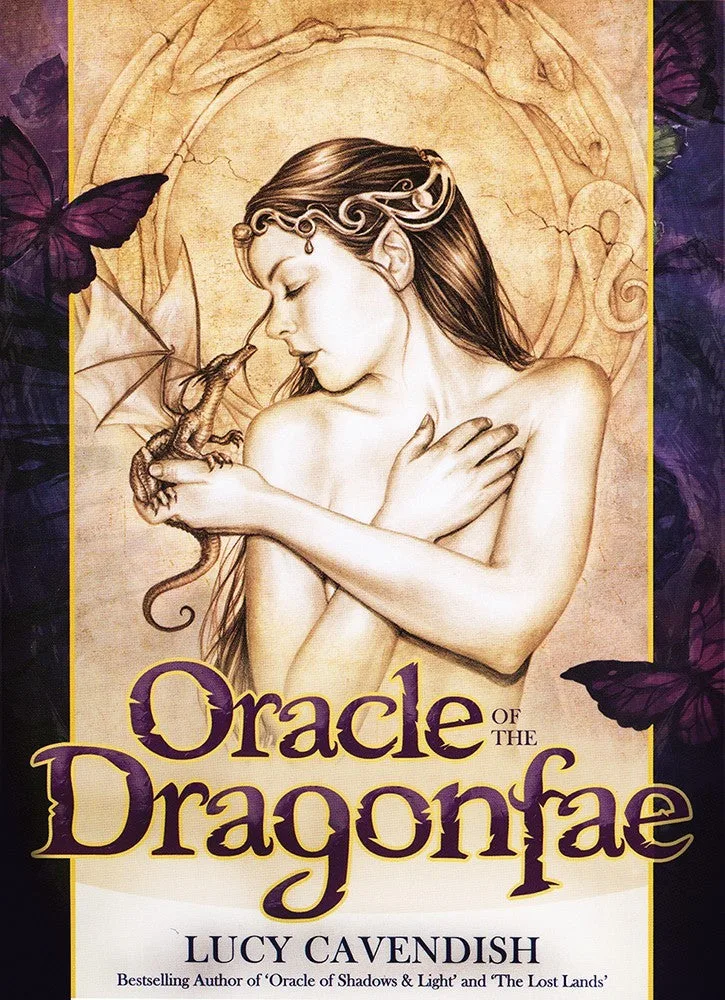
Oracle decks like Oracle of the Dragonfae have no fixed system. Decks can have any number of cards, and each card's meaning is defined by the creator. This makes oracle cards the most flexible for intuitive reading but also the least consistent across different decks.
Reading style and learning curve
Tarot rewards patience and study. You'll learn card meanings, reversals, and spread positions. Phantasma Tarot, for example, includes a 76-page guidebook with two custom spreads, making it easier to start but still rooted in tradition.
Lenormand is more straightforward once you learn the card combinations. Fairy Tale Lenormand uses familiar fairy-tale imagery to make the meanings memorable, which can shorten the learning curve for beginners who prefer narrative logic.
Oracle decks are the easiest to pick up. Oracle of the Dragonfae comes with a 160-page illustrated guidebook, but you can also read purely by intuition. The trade-off is that each oracle deck teaches its own language, so switching decks means learning new meanings.
Trade-offs at a glance
- Tarot: Depth vs. learning time: You get a rich symbolic system with endless interpretative layers, but you need to invest time learning card meanings, spreads, and reversals. Phantasma Tarot is a good entry point because the guidebook simplifies the learning curve.
- Lenormand: Clarity vs. rigidity: Readings are direct and action-focused, but you must learn card combinations and the fixed 36-card system. Fairy Tale Lenormand uses story-based imagery to make those combinations stick, which helps beginners.
- Oracle: Flexibility vs. consistency: You can read intuitively without memorizing fixed meanings, but each oracle deck has its own system, so switching decks means learning a new set of card definitions. Oracle of the Dragonfae offers a thorough guidebook to ease that transition.
Deck examples at a glance
-
Tarot Card Set - Phantasma Tarot: Phantasma Tarot follows the traditional 78-card tarot structure and includes a 76-page guidebook with two custom spreads. If you want a full tarot experience with a modern fantasy theme, this deck gives you the complete system plus guided support for learning spreads.
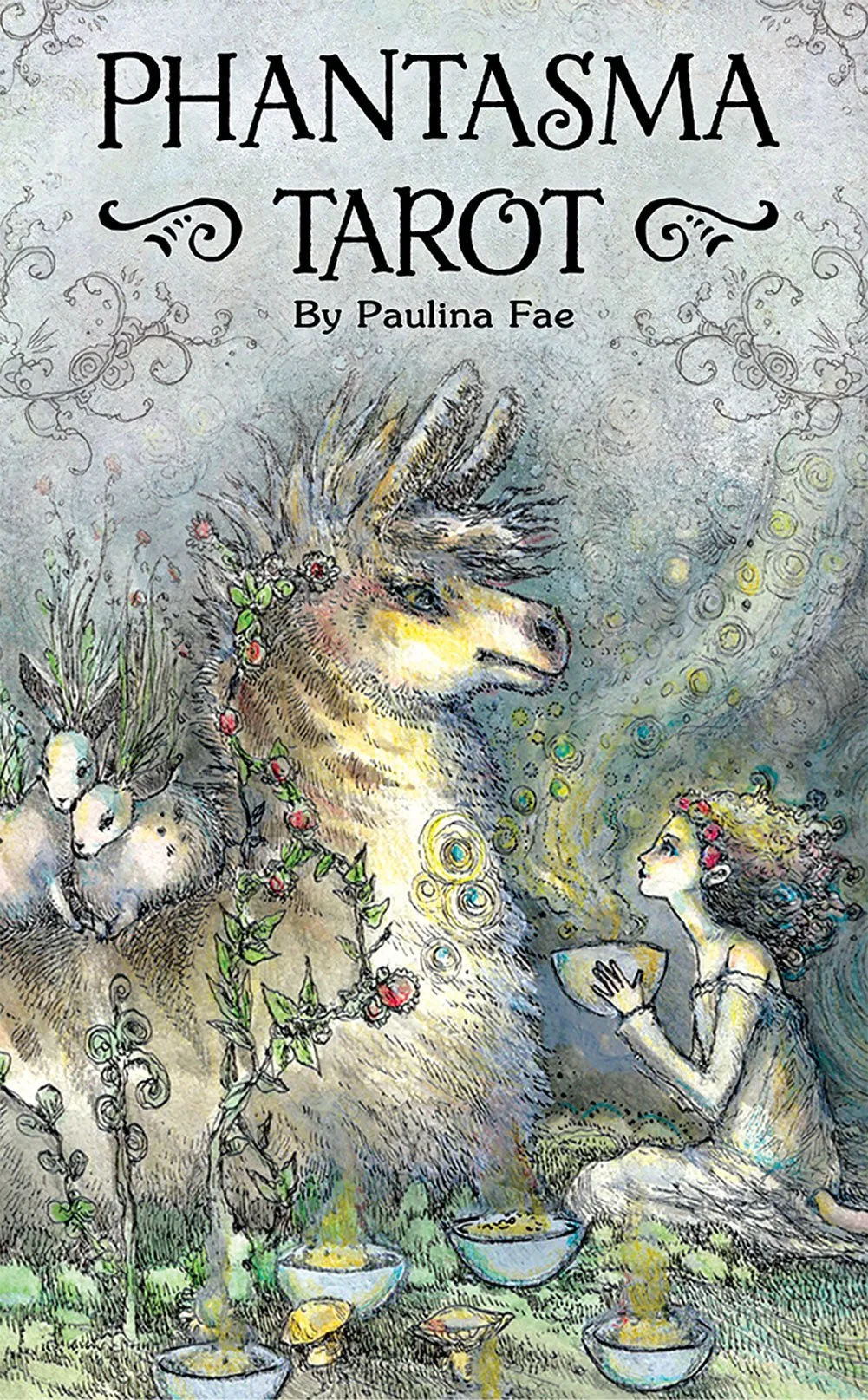
Tarot Card Set - Phantasma Tarot
-
Fairy Tale Lenormand: Fairy Tale Lenormand is a 38-card multicultural deck that uses fairy-tale imagery to make Lenormand meanings more memorable. The narrative approach helps beginners grasp Lenormand's literal card combinations faster, while still respecting the traditional 36-card framework.
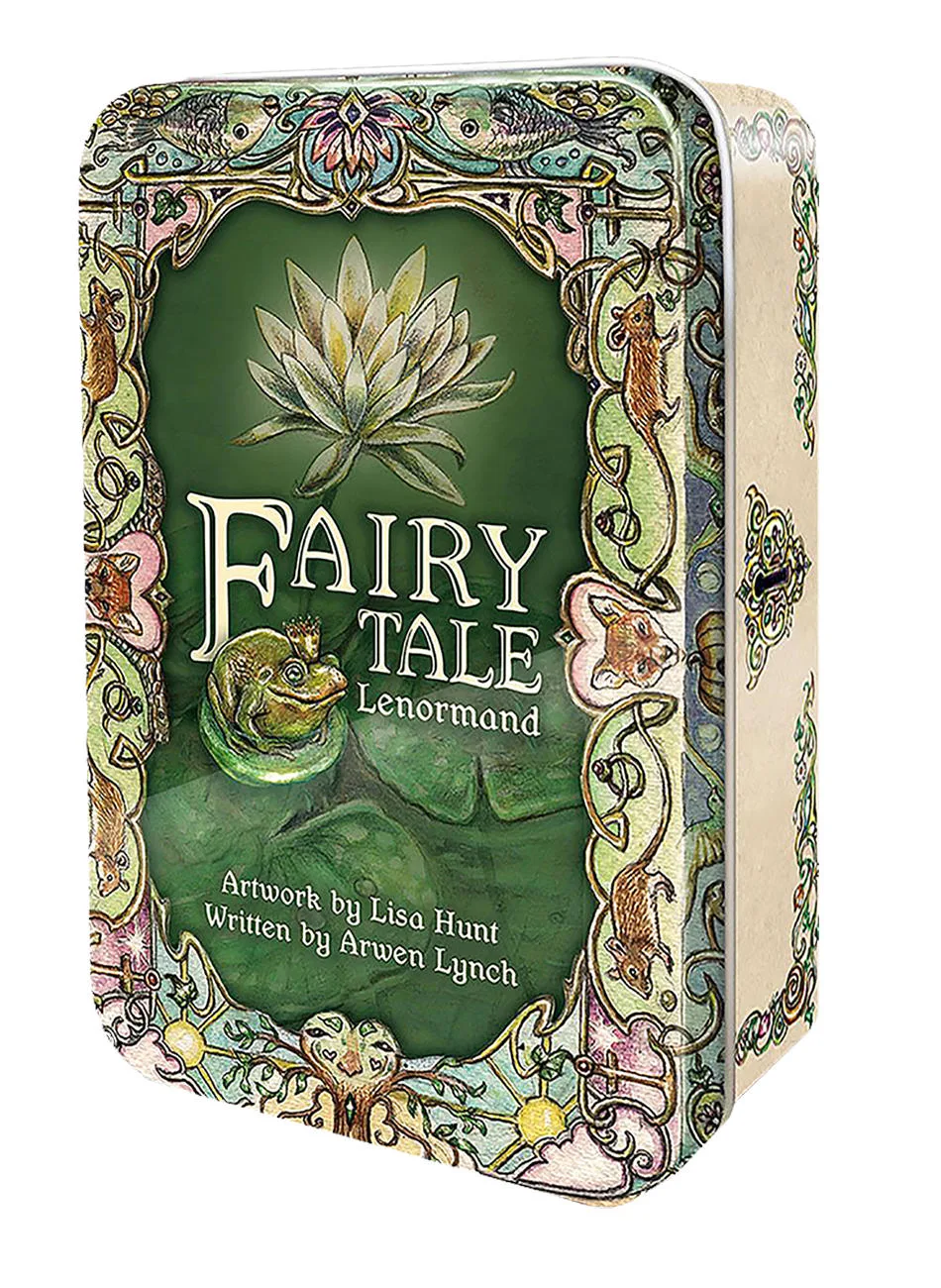
Fairy Tale Lenormand
-
Oracle of the Dragonfae: Oracle of the Dragonfae is an oversized 43-card oracle set with artwork by seven artists and a 160-page illustrated guidebook. The multi-artist style and detailed guidebook make this deck ideal for intuitive readers who value visual variety and deep written guidance.
Which deck type fits you?
Best for
- Readers who enjoy studying symbolism and want a structured, time-tested system — choose tarot (e.g., Phantasma Tarot).
- Readers who prefer direct, practical answers and are comfortable learning card combinations — choose Lenormand (e.g., Fairy Tale Lenormand).
- Readers who want creative freedom and intuitive guidance without fixed rules — choose oracle (e.g., Oracle of the Dragonfae).
Not for
- If you dislike memorizing card meanings or want a deck you can pick up and read immediately, traditional tarot may feel overwhelming at first.
- If you prefer open-ended, spiritual guidance over literal answers, Lenormand's action-oriented style might feel too concrete.
- If you want a consistent system you can use across multiple decks, oracle's lack of standardization may frustrate you.