When you shop for herbal tea, you’ll often see the same blend offered in two formats: traditional tea bags and modern pyramid sachets. Both deliver a delicious cup, but they differ in brewing performance, convenience, and environmental footprint. If you’re trying to decide between tea bags vs sachets, this guide breaks down the key differences so you can choose the right NutraTea option for your daily routine.
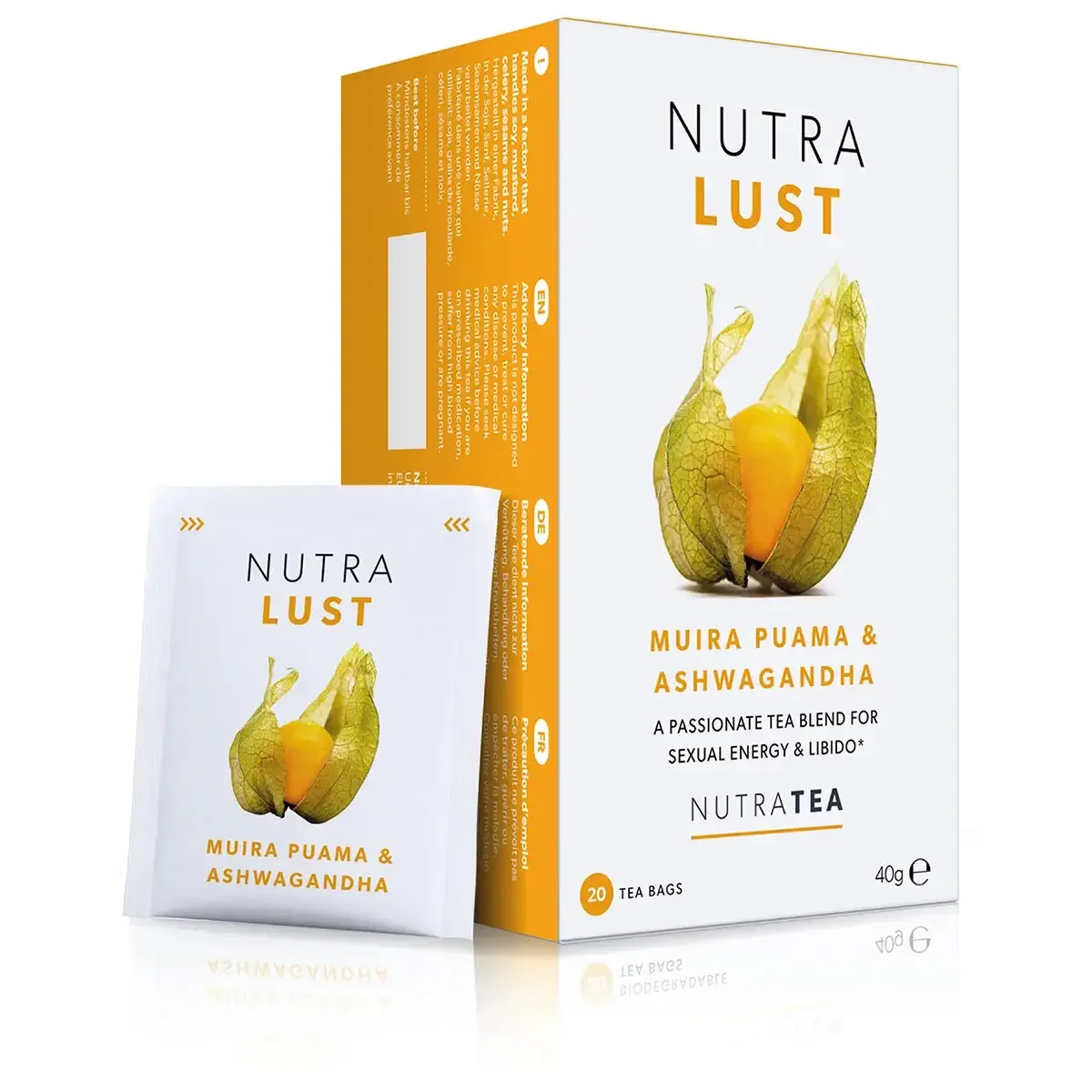
At NutraTea, we offer many of our popular blends in both formats. For example, you can enjoy NutraLust – Lovers Tea – 20 Tea Bags for a classic experience or opt for NutraLust – Tea Sachet for a premium brew. Understanding the trade-offs helps you make an informed purchase that matches your lifestyle.
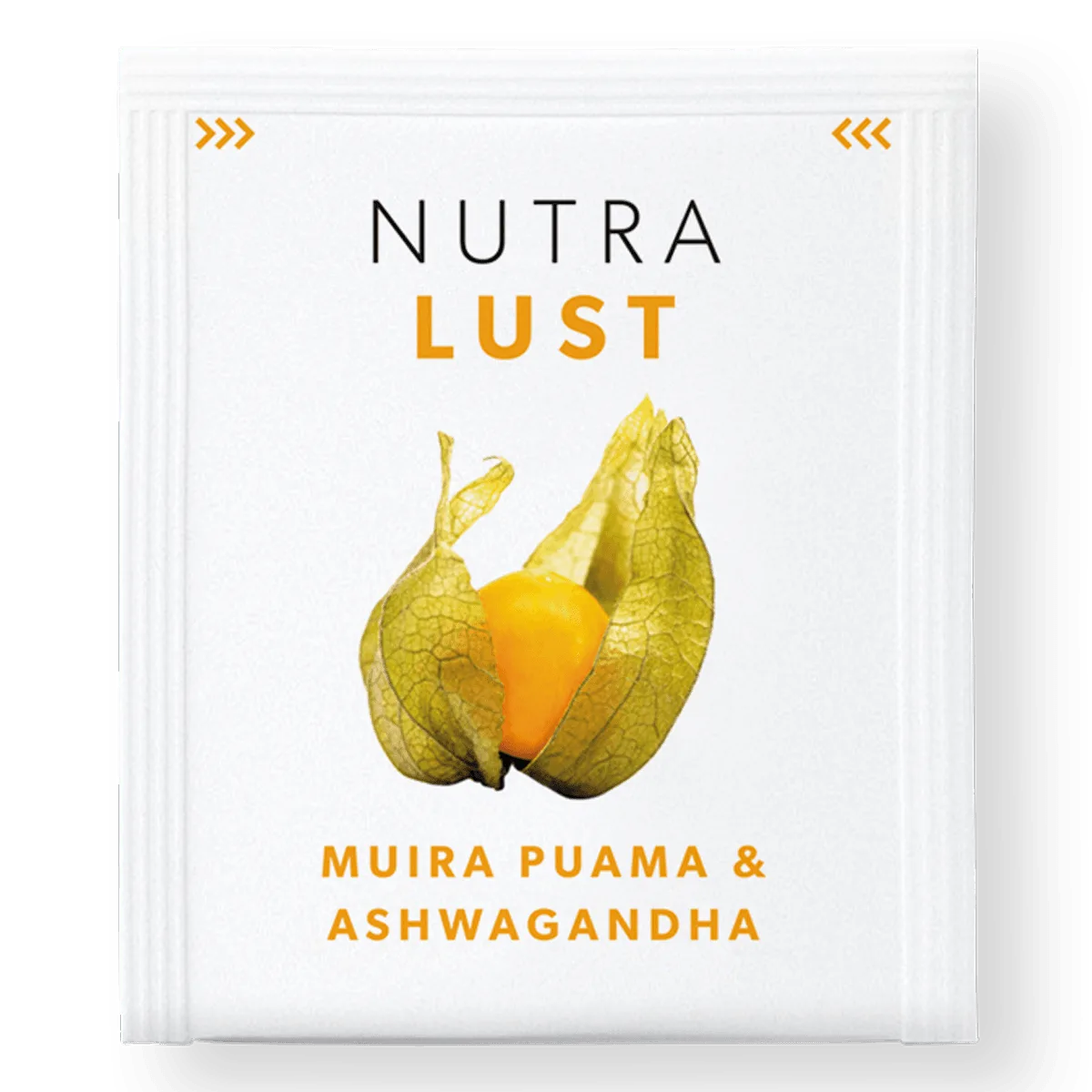
NutraLust – Tea Sachet
What Are Tea Bags and Sachets?
Tea bags are the classic choice: small, sealed envelopes made of filter paper or food-grade plastic that hold a measured amount of tea. They’re compact, easy to store, and brew quickly. Sachets, on the other hand, are larger, pyramid-shaped pouches made of a finer mesh material. They give tea leaves more room to expand, allowing for better water flow and a more even extraction of flavors.
The physical difference matters more than you might think. In a tea bag, leaves are often cut into smaller pieces (fannings) to speed up infusion. Sachets typically contain whole or larger leaf pieces, which preserve more essential oils and provide a richer, more nuanced cup. For herbal blends like those from NutraTea, the choice between tea bags and sachets can affect both taste and potency.
- Tea bags are usually smaller and more portable.
- Sachets offer more room for leaves to expand, enhancing flavor.
- Sachets often use biodegradable or plant-based materials.
Convenience and Brewing Time
If you’re always on the go, tea bags are hard to beat. They’re flat, easy to toss in a bag, and require no special equipment. Just add hot water, steep for a few minutes, and you’re done. Sachets aren’t much more effort, but they often need a slightly longer steeping time to fully release their flavors. For most NutraTea blends, we recommend 5–7 minutes for sachets and 3–5 minutes for tea bags.
Consider your daily routine. If you like to brew a cup at your desk or while traveling, tea bags offer unmatched simplicity. If you’re brewing at home and want the best possible taste, sachets are worth the extra minute. For example, NutraMother – Breastfeeding Tea – 20 Tea Bags is perfect for new moms who need a quick, soothing cup, while the Chamomile & Valerian – Tea Sachet provides a more indulgent evening ritual.
- Tea bags steep faster, ideal for busy mornings.
- Sachets require a bit more time but deliver a fuller flavor.
- Both are single-use, but sachets often come in resealable pouches.
Flavor and Quality Comparison
The main reason many tea enthusiasts prefer sachets is flavor. Because sachets allow whole leaves to unfurl, they produce a more aromatic and complex infusion. Tea bags, with their smaller leaf particles, tend to brew a stronger, sometimes more bitter cup if over-steeped. For delicate herbs like chamomile or peppermint, sachets preserve their gentle sweetness better.
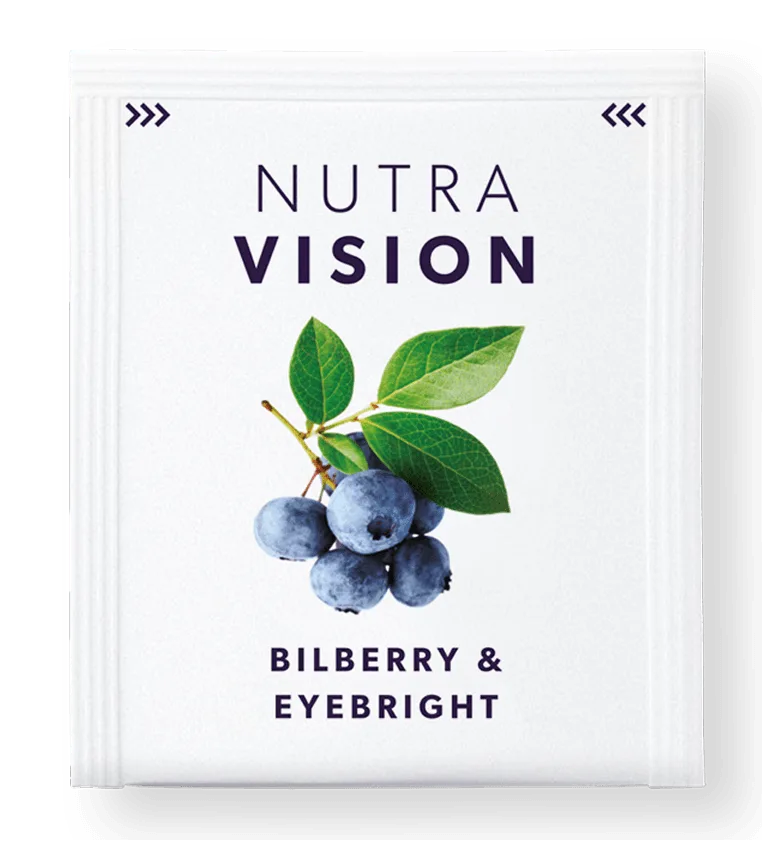
That said, tea bags aren’t inferior—they’re just different. Some people prefer the bolder, more consistent taste of tea bags, especially when adding milk or sweeteners. For functional blends like NutraVision – Tea Sachet, the larger format helps extract beneficial compounds from herbs like bilberry and eyebright, making it a great choice if you’re seeking maximum potency.
- Sachets generally offer a smoother, more complex flavor.
- Tea bags provide a robust, quick cup that’s easy to control.
- For therapeutic teas, sachets may deliver more active ingredients.
Environmental Impact and Packaging
Eco-conscious buyers often wonder which format is greener. Traditional tea bags may contain polypropylene, a plastic sealant that makes them non-compostable. Many modern sachets, however, are made from plant-based materials like PLA (cornstarch) and are fully compostable. At NutraTea, we prioritize sustainability, and our sachets are designed to break down naturally.
Packaging also plays a role. Tea bags are often packed in cardboard boxes with individual wrappers, while sachets come in larger resealable pouches. If you’re looking to reduce waste, sachets may be the better option because they use less packaging per serving. However, if you prefer the ritual of unwrapping each tea bag, that’s a valid consideration too.
- Check if tea bags are plastic-free before composting.
- Sachets often use biodegradable materials like PLA.
- Resealable pouches reduce packaging waste compared to individual wrappers.
How to Choose: Tea Bags or Sachets?
Ultimately, the choice between tea bags and sachets comes down to your priorities. If you value convenience, portability, and quick brewing, tea bags are your best bet. If you’re a flavor purist who enjoys a leisurely cup and wants the fullest herbal benefits, sachets are worth the extra investment. Both formats are available across NutraTea’s range, so you can mix and match based on the occasion.
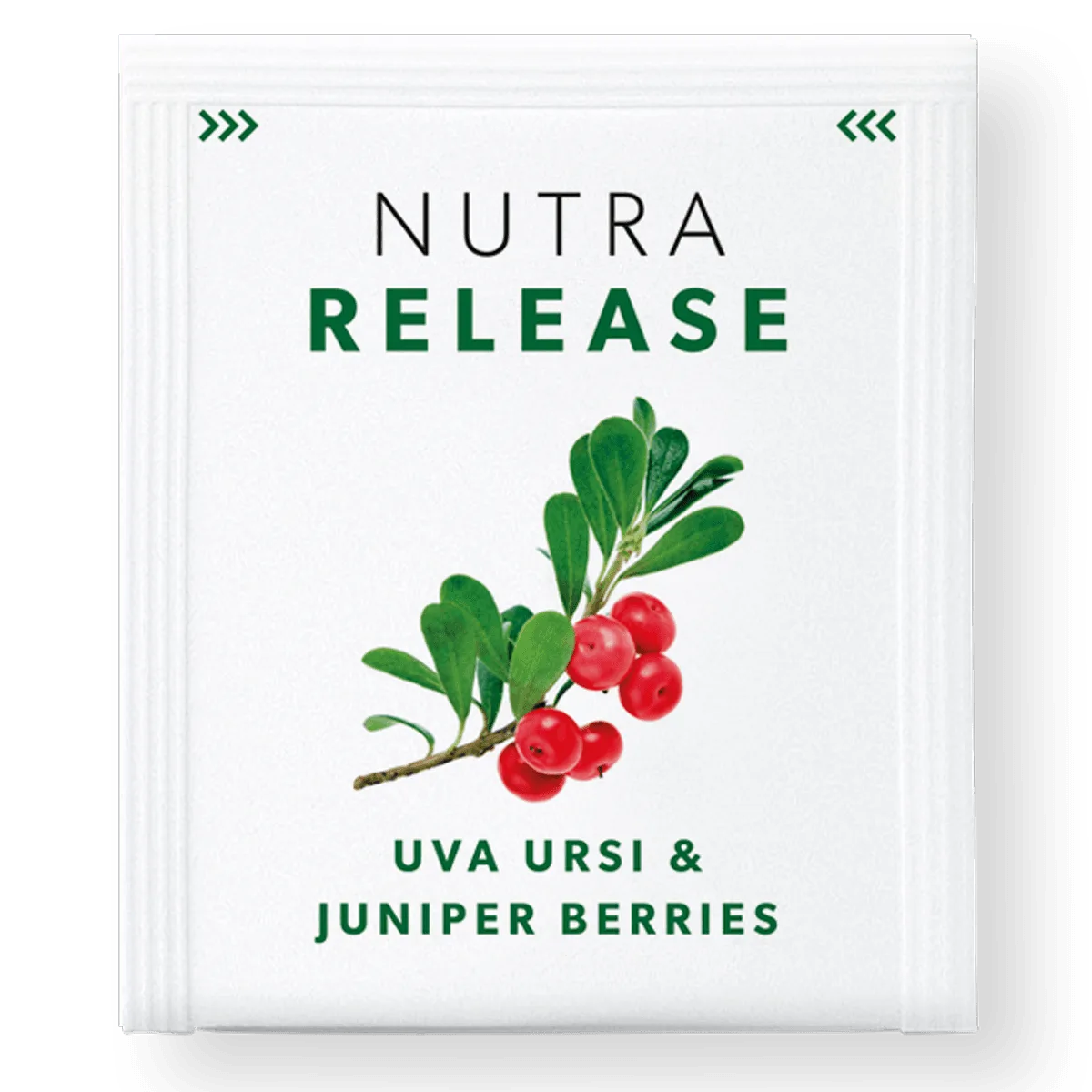
For example, you might keep a box of Raspberry Leaf & Peppermint – 20 Tea Bags in your kitchen for everyday sipping, while reserving the NutraRelease – Tea Sachet for a calming evening treat. Or, if you’re building a gift, consider the Active LifeStyle Gift Box, which includes a variety of sachets for the tea lover in your life.
- Choose tea bags for travel, work, or quick cups.
- Choose sachets for home brewing and maximum flavor.
- Consider a gift box to try both formats.
Whether you lean toward tea bags or sachets, NutraTea offers high-quality, ethically sourced blends in both formats. If you’re still undecided, start with a sampler like the Active LifeStyle Gift Box to experience the difference for yourself. Explore our full collection and find your perfect brew today.