Teaching your dog to come when called is one of the most important commands you can train. It keeps them safe, strengthens your bond, and gives them freedom to explore. Using a collar as part of your training routine can make the process easier and more effective, especially when you choose a comfortable, durable collar that your dog associates with positive experiences.
In this guide, we'll walk you through a step-by-step approach to train recall using a collar, from choosing the right collar to practicing in different environments. Whether you're starting with a puppy or working with an adult dog, these techniques will help you build a reliable recall.
Why Use a Collar for Recall Training?
A collar is a practical tool for recall training because it gives you a way to gently guide your dog's attention back to you. When used correctly, the collar can serve as a subtle cue that it's time to focus. It also provides a secure attachment point for a leash, which is essential for early training sessions when you need to prevent your dog from running off.
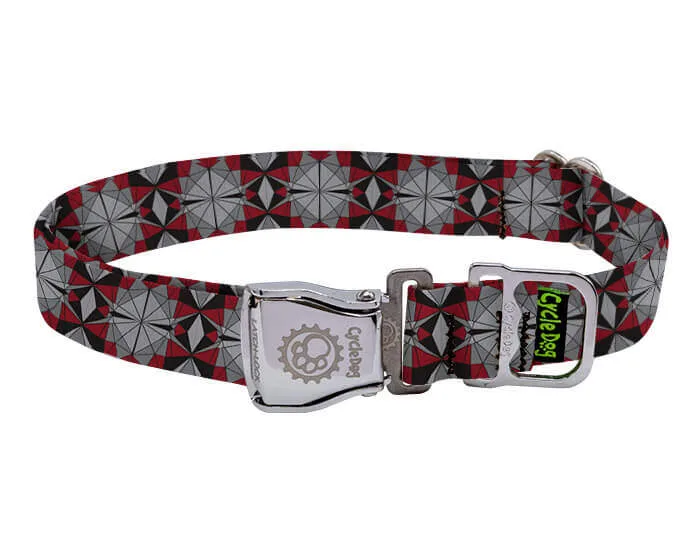
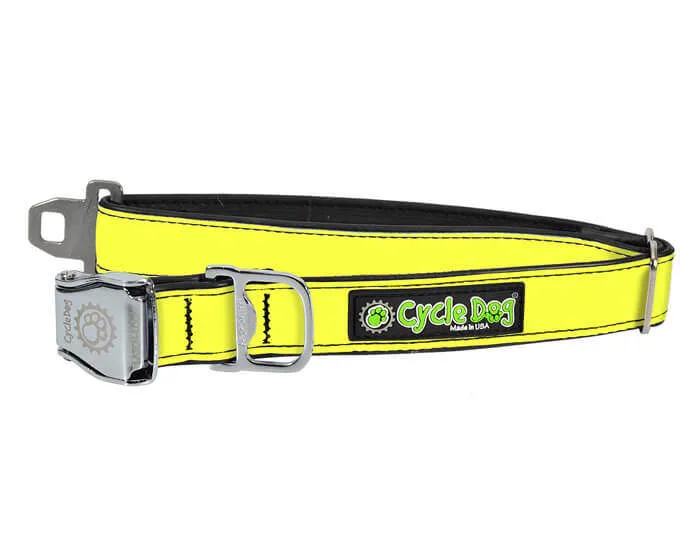
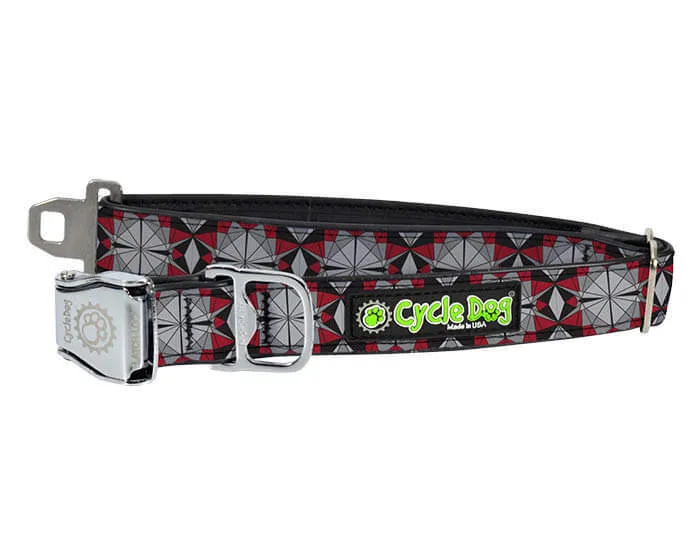
Choosing the right collar is crucial. A comfortable, well-fitting collar that your dog enjoys wearing will make training more pleasant. For example, the Neon Yellow MAX Reflective Dog Collar is not only highly visible but also padded for comfort, making it ideal for training sessions. Another great option is the Ecoweave Grey Red Kaleidoscope Dog Collar, which is made from recycled materials and gentle on the skin.
- A collar gives you a way to gently guide your dog's attention.
- It provides a secure attachment for a leash during training.
- A comfortable collar makes training more enjoyable for your dog.
Step-by-Step: Training Your Dog to Come When Called
Start in a quiet, distraction-free area like your living room. Put a leash on your dog's collar and let them wander a bit. Then, in a cheerful tone, say your dog's name followed by 'Come!' and gently tug the leash toward you. As soon as your dog starts moving toward you, praise them enthusiastically and offer a treat when they reach you. Repeat this several times, gradually increasing the distance.
Once your dog responds reliably indoors, move to a fenced yard or another safe outdoor space. Keep the leash attached so you can guide them if needed. Practice calling your dog from different distances and angles. Remember to always reward them with a high-value treat and lots of praise. If your dog doesn't come, avoid repeating the command; instead, use the leash to bring them to you and then reward them for coming, even if you had to help.
- Start in a distraction-free environment.
- Use a happy tone and reward immediately when they come.
- Gradually increase distance and distractions.
Using Positive Reinforcement and Treats
Positive reinforcement is the most effective way to train recall. Dogs learn best when they associate coming to you with something wonderful, like a tasty treat or a favorite toy. Use small, soft treats that your dog can eat quickly, and vary the rewards to keep them motivated. Some dogs are more motivated by play, so you can use a quick game of tug or fetch as a reward instead of food.
Timing is critical. Reward your dog the instant they reach you, not before. This helps them understand that coming to you results in a reward. Also, never punish your dog for not coming immediately. If you scold them, they'll learn that coming to you leads to something bad, which undermines your training.
- Use high-value treats or toys as rewards.
- Reward the moment your dog reaches you.
- Never punish a slow recall—always make coming to you positive.
Practicing Recall in Different Environments
Once your dog has mastered recall indoors and in the yard, it's time to practice in more challenging environments. Visit a quiet park or a trail where there are mild distractions, such as other people or animals at a distance. Keep your dog on a long leash (15-30 feet) for safety. Call your dog and reward them when they come. Gradually increase the level of distraction as your dog becomes more reliable.
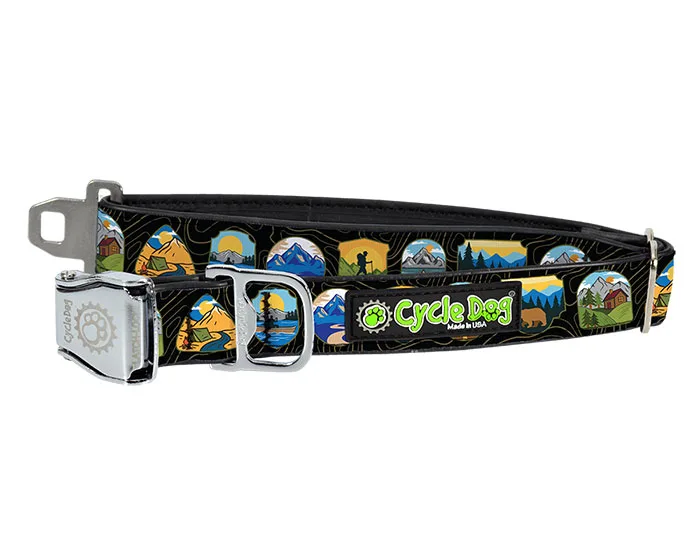
Always keep your dog's safety in mind. In unfenced areas, use a long leash until you're confident in their recall. Even then, consider using a GPS tracker or a bright collar like the National Parks Dog Collar to keep them visible and identifiable. Remember that recall training is an ongoing process—practice regularly to keep the skill sharp.
- Use a long leash in public spaces for safety.
- Gradually introduce distractions.
- Practice regularly to maintain reliability.
Troubleshooting Common Recall Problems
If your dog ignores your call, they may be too distracted or not motivated enough. Try moving to a quieter area or using a higher-value treat. If your dog runs away when you call, avoid chasing them—this turns it into a game. Instead, run the other way or make yourself exciting by squeaking a toy or clapping. When your dog comes, reward them generously.
Another common issue is that dogs learn that coming means the end of fun. To prevent this, occasionally call your dog, reward them, and then release them to play again. This teaches them that coming to you doesn't always mean the fun stops. Consistency and patience are key.
- If your dog ignores you, increase the value of the reward.
- Never chase your dog—make yourself more interesting.
- Sometimes call your dog just to give a treat and release them.
Teaching your dog to come when called is a rewarding journey that builds trust and safety. With the right collar, like the Neon Yellow MAX Reflective Dog Collar, and positive reinforcement, you'll have a reliable recall in no time. Visit Cycle Dog to find a collar that fits your dog's style and needs, and start training today!