Quick Answer
For teaching literacy to children with autism, start with a resource that balances structured skill-building with the joy of reading, such as Kimberly A. Henry's book, which offers practical strategies grounded in real classroom experience.
Why a Structured Approach Matters for Autism Literacy
Many children with autism learn to decode words through rote memorization but miss the imaginative and playful aspects of reading. A good literacy program must address both the mechanics and the meaning of text.
Books that explicitly teach literacy skills while encouraging personal enjoyment and access to information can help bridge this gap. They open doors to recreational and occupational opportunities later in life.
What to Look for in an Autism Reading Resource
Look for materials that break down reading into small, achievable steps and use visual supports or repetition. The best resources also include tips for parents or educators on how to foster a love of reading, not just skill mastery.
Avoid resources that assume typical language development or rely heavily on imaginative play without scaffolding. A practical, evidence-informed guide like Kimberly Henry's can offer a balanced approach.
Decision Rules for Choosing an Autism Literacy Resource
- Skill Level Match: Choose a resource that matches the child's current reading stage—pre-reading, decoding, or comprehension—rather than their age or grade level.
- Visual and Repetition Supports: Look for materials that include visual cues, predictable text, and opportunities for repetition. These are especially helpful for autistic learners who thrive on routine and concrete examples. Avoid resources that rely solely on auditory instruction or abstract concepts.
- Focus on Enjoyment and Function: Prioritize resources that explicitly teach the purpose of reading—such as gaining information or personal enjoyment—not just decoding. This helps prevent reading from becoming a meaningless mechanical task. A book like Kimberly Henry's can guide you in balancing skill instruction with fostering a love of reading.
- Parent or Educator Guidance: Select a resource that provides clear, actionable instructions for the adult. Many autism reading programs fail because the adult doesn't know how to adapt the lesson. Look for step-by-step strategies and real-world examples.
Recommended Resource
-
How Do I Teach This Kid To Read?: Teaching Literacy Skills to Children with Autism; by Kimberly A. Henry, M.D.: Reading provides personal enjoyment, access to information, and opens doors to opportunities throughout life, both recreational and occupational. But for many young children with Autism, reading is often a factual memorization of letters and words. The playful, imaginative qualities of reading may be missed. This book directly addresses the common challenge of rote memorization in autistic readers, offering strategies to build genuine comprehension and enjoyment.
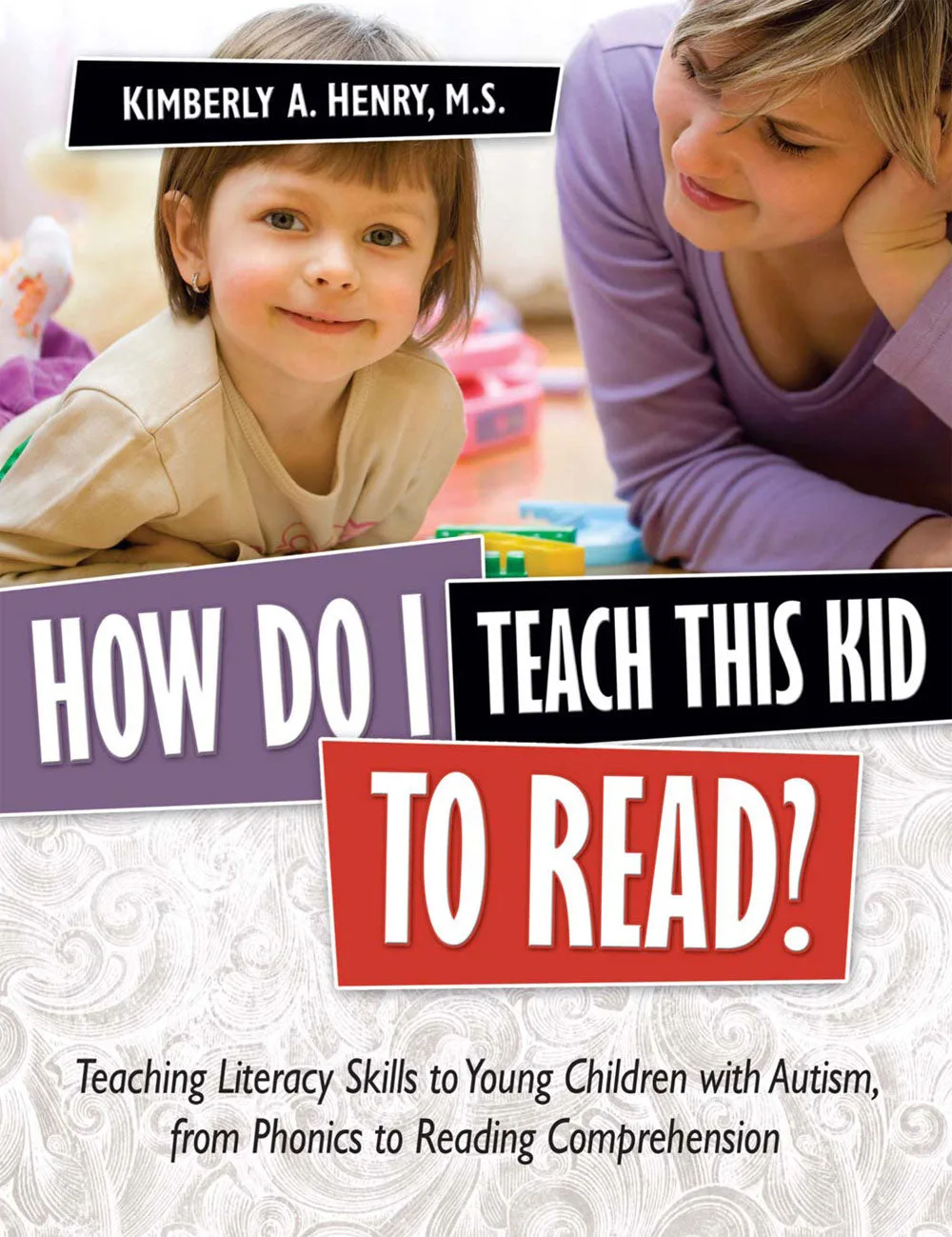
How Do I Teach This Kid To Read?: Teaching Literacy Skills to Children with Autism; by Kimberly A. Henry, M.D.
Who This Guide Is For
Best For
- Parents and educators seeking a structured, research-informed approach to teaching reading to children with autism
- Those who want a resource that balances skill-building with fostering a genuine love of reading
Not For
- Families looking for a purely phonics-based or scripted reading program without attention to comprehension or enjoyment
- Those who need a digital app or game-based literacy tool