Quick Answer
A pacifier is for soothing and sleep, while a teether is for chewing and gum relief. Most babies need both at different moments, so the real question is timing: offer a pacifier for calming and a teether for active teething discomfort. If you must choose one, match it to your baby's current need rather than replacing one with the other.
What Each One Is Actually For
A pacifier is a soothing tool. Babies suck on it to self-calm, settle for sleep, or manage stress, and the sucking action is the point. A teether is a chewing tool. It gives sore gums something safe to bite down on when teeth are moving, and the pressure is the point. Because the two actions are different, swapping one for the other rarely works well: a baby who needs to chew will often spit out a pacifier, and a baby who needs to suck will usually not gnaw a teether for comfort.
That difference also shapes when each one enters your routine. Pacifiers are commonly introduced in the newborn stage for soothing, while teethers become useful when drooling, gumming, and gnawing show up, often around the middle of the first year. Watch your baby's behavior rather than the calendar: reaching for and mouthing everything is a teething cue, while fussiness that calms with sucking is a pacifier cue.
Safety Rules That Are Not Interchangeable
Pacifiers and teethers follow different safety logic, so do not treat them as one category. A pacifier needs a shield that prevents it from being pulled fully into the mouth, and it should be checked for cracks or weakening before each use. A teether needs to be too large to swallow, free of small parts that can break off, and made for chewing rather than sucking.
Never attach a teether to your baby's clothing or wrist with a cord, and never tie a pacifier around the neck. If you use a clip for a pacifier, follow the clip's own safety guidance and remove it for sleep. For teethers, skip anything that can be frozen into a hard block; a chilled, not rock-hard, teether is the safer choice for sore gums.
How Sleep and Teething Overlap
Teething discomfort can disrupt sleep, which is where parents most often try to substitute one tool for the other. A pacifier can help a baby settle at bedtime, but it is not a teething remedy. If your baby is waking to chew, offer a teether during the day and keep the pacifier for sleep so the two cues stay clear.
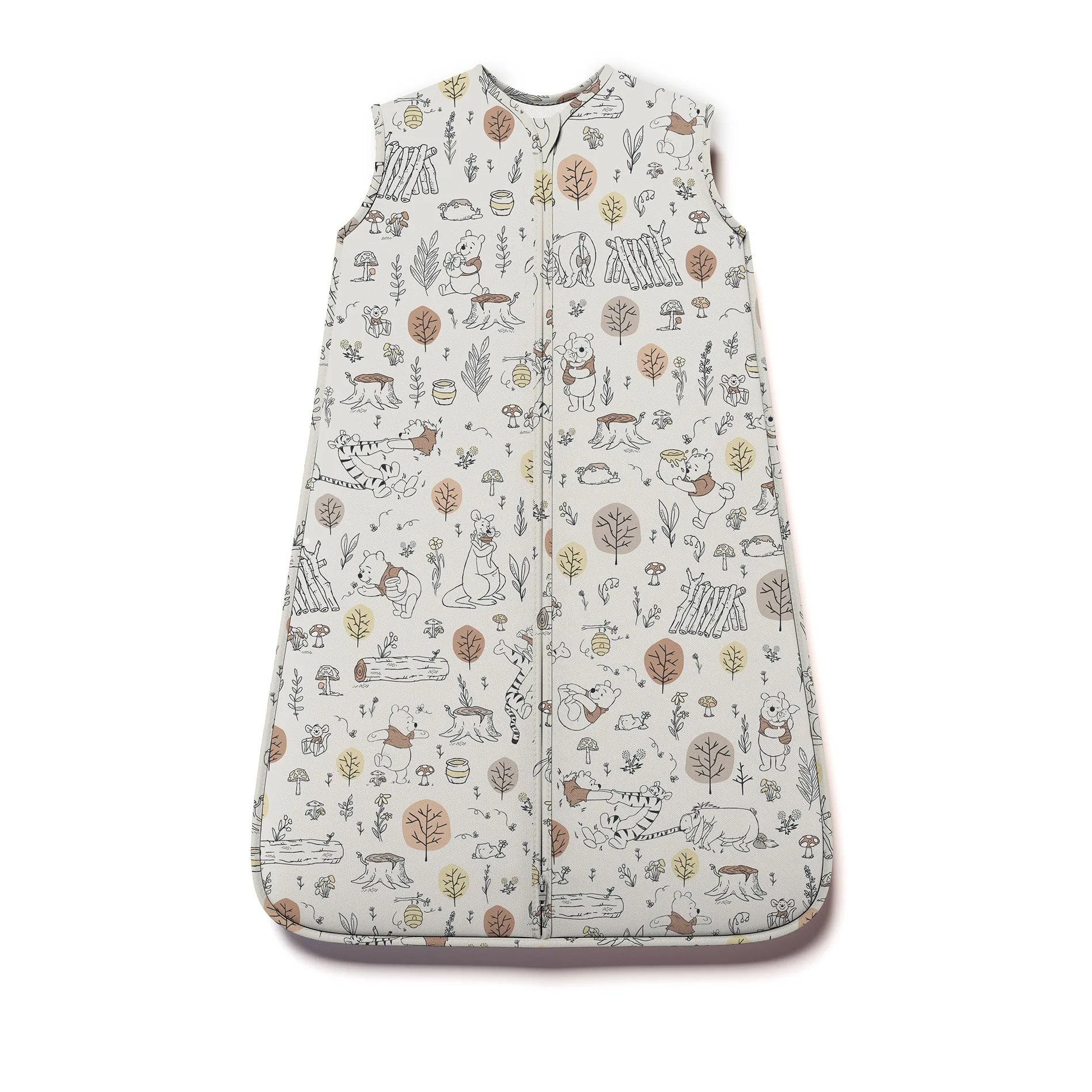
If your baby uses a sleep bag or sleep sack, keep the sleep space free of teethers and pacifier clips. A sleep bag replaces loose blankets and keeps the crib clear, which matters more during teething nights when extra items tend to pile up. Choose a sleep bag size that matches your baby's current height and weight so it does not ride up or restrict movement.
Trade-Offs to Weigh
- Soothing vs. chewing: A pacifier calms through sucking, while a teether relieves gums through biting pressure. Using one for the other's job usually frustrates the baby. Match the tool to the behavior you see right now.
- Sleep vs. daytime: Pacifiers are commonly part of sleep routines; teethers are best kept for supervised daytime use. Mixing them at bedtime can blur sleep cues. Keep teethers out of the crib and reserve the pacifier for sleep if it is already part of your routine.
- Cleaning and replacement: Both need regular cleaning, but they wear differently. Pacifiers should be replaced when the nipple becomes sticky, cracked, or torn; teethers should be retired at the first sign of cracks or loose pieces. Inspect both weekly and replace at the first sign of damage.
Products That Support Each Need
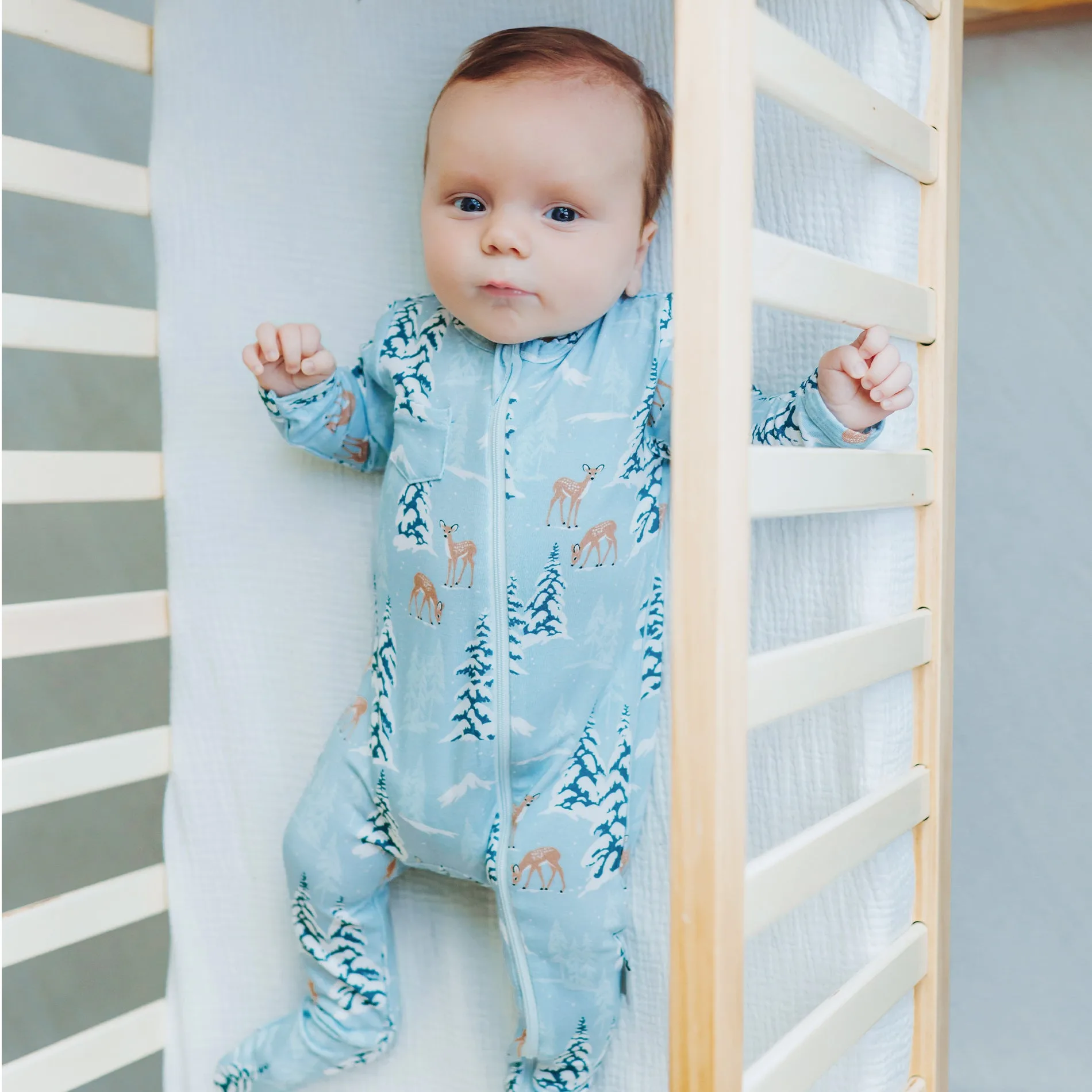
- ALPINE FOOTED JAMMIES: The Alpine Milk Snob footed pajamas are slightly stretchy to grow with your baby, lightweight, and breathable, with winter trees and deer on a soft blue background. Lightweight, breathable footed jammies keep a teething baby comfortable at night without overheating, and the stretch supports movement during restless sleep.
- DISNEY WINNIE THE POOH BABY BEE SLEEP BAG: The Disney Winnie the Pooh Baby Bee Milk Snob Sleep Bag is described as a soft, cozy blanket alternative and a sleep sack with a TOG rating that measures warmth. A TOG-rated sleep bag gives you a clear warmth reference for sleep, which helps you adjust layers on teething nights instead of adding loose blankets.
Which One Fits Your Baby Right Now
Best for
- Babies who calm with sucking and need help settling for sleep
- Babies who are drooling, gnawing, and actively chewing on everything
Not for
- Replacing a teether with a pacifier during active teething pain
- Using a teether as a sleep aid or leaving one in the crib