Quick Answer
The Terra Kids Beaker Magnifier turns any outdoor space into a lab. With 2x and 4x lenses, kids can safely observe insects, leaves, and rocks up close. Start with simple finds, use the container for temporary viewing, and always supervise to protect both child and creature.
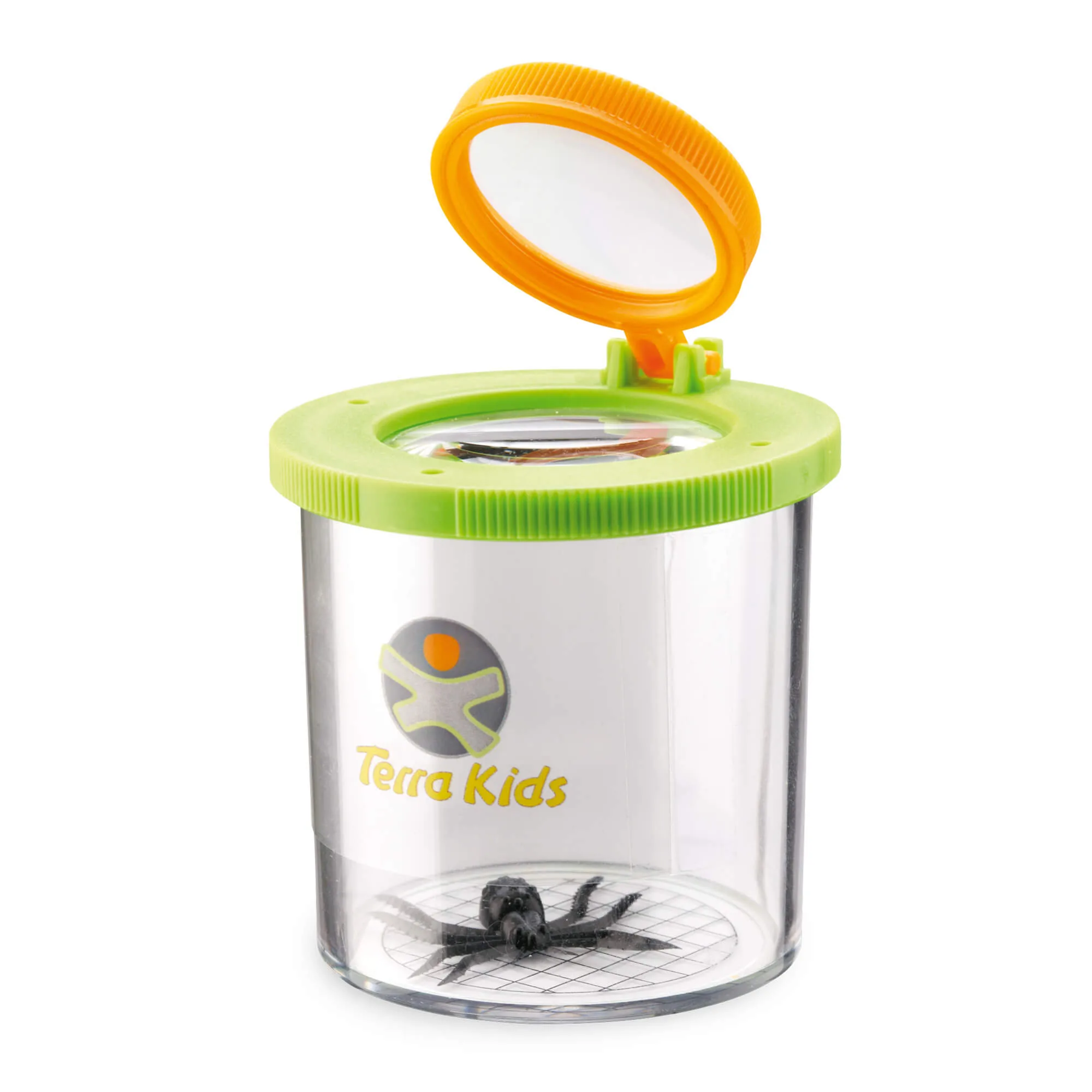
Terra Kids Beaker Magnifier
Outdoor exploration is a fantastic way to spark curiosity in kids, and the Terra Kids Beaker Magnifier makes it even more engaging. This sturdy tool lets children safely observe insects, leaves, and other natural treasures without touching them directly. Its dual magnifying lid with 2x and 4x lenses and clear viewing container are perfect for little scientists.
In this guide, we’ll walk through practical steps to use the beaker magnifier effectively, from preparing for your adventure to identifying what you find. You’ll also learn common mistakes to avoid and how to keep both your child and the environment safe.
Why the Terra Kids Beaker Magnifier is Great for Kids
The Terra Kids Beaker Magnifier is designed for curious kids who love exploring. Its clear container allows children to view specimens from all angles, while the dual magnifying lid provides 2x and 4x magnification for detailed observation. This tool is ideal for backyard, park, or hiking adventures because it’s portable and easy to use.
Unlike a flat magnifying glass, the beaker design lets kids capture small creatures temporarily without harming them. This encourages respectful observation and teaches children about the natural world. The sturdy construction ensures it can handle drops and rough handling, making it a reliable companion for outdoor play.
- Use the 2x lens for a wider view and the 4x lens for details like leaf veins or insect legs.
- Always return living creatures to their habitat after observation.
Preparing for Your Outdoor Adventure
Before heading out, choose a safe location like a backyard, park, or trail. Explain to your child what you’ll do: find interesting objects, place them in the beaker, and observe. Bring the beaker magnifier, a small cloth for cleaning, and a notebook for drawing or writing observations.
Set ground rules: never chase or harm animals, and only collect non-living items like leaves or rocks unless you plan to release insects quickly. This prepares kids for responsible exploration and makes the activity more focused.
Step-by-Step Guide to Using the Beaker Magnifier
Start by letting your child pick a spot and search for interesting finds. When they find something, guide them to place it in the beaker. If it’s a living creature, use the lid to gently coax it inside without touching it. Then, replace the lid and let your child look through the magnifying lenses.
Encourage them to rotate the beaker to see different sides and ask questions like 'What do you notice?' or 'How many legs does it have?' After a few minutes, release any living creatures back where you found them. Clean the beaker with a dry cloth before storing.
Common Mistakes and How to Avoid Them
One common mistake is leaving living creatures inside the beaker for too long, which can stress or harm them. Set a time limit (e.g., 5 minutes) and always release them afterward. Another mistake is using the beaker near water or in rain, which can damage the tool. Keep it dry and clean.
Also, avoid forcing the lid on if a specimen is too large; instead, find a smaller item. Finally, don’t let kids use the magnifier to focus sunlight, as this can cause eye damage or fire risk. Teach them to use it only for looking, not for magnifying light.
5 Steps to a Successful Beaker Magnifier Adventure
- Choose a Safe Spot: Pick a location free from hazards like traffic or poisonous plants. A backyard or park is ideal. Check the area for potential dangers before letting kids explore.
- Collect with Care: Show kids how to gently place items in the beaker. For living creatures, use the lid to coax them in. Never force a creature into the container; if it doesn't fit, find something else.
- Observe and Ask Questions: Encourage kids to look through both lenses and describe what they see. Ask open-ended questions to deepen thinking. Rotate the beaker to view all sides and note details like color, texture, and movement.
- Release and Return: After a few minutes, gently release any living creatures back to their original spot. Always return living things to their habitat to teach respect for nature.
- Clean and Store: Wipe the beaker with a dry cloth to remove dirt or moisture, then store it in a safe place. Proper care ensures the magnifier lasts for many adventures.
Product Facts
- Terra Kids Beaker Magnifier: Turn every backyard, park, or hiking trail into a hands-on science adventure! The Terra Kids Beaker Magnifier lets curious kids safely observe insects, leaves, rocks, flowers, and other fascinating finds up close. Featuring a dual magnifying lid with 2x and 4x magnification lenses and a clear viewing container, this easy-to-use explorer jar encourages children to slow down, observe, ask questions, and discover the wonders of nature. This tool is perfect for the activities described in this guide because it offers both magnification and a safe container, making it easy for kids to observe without direct contact.
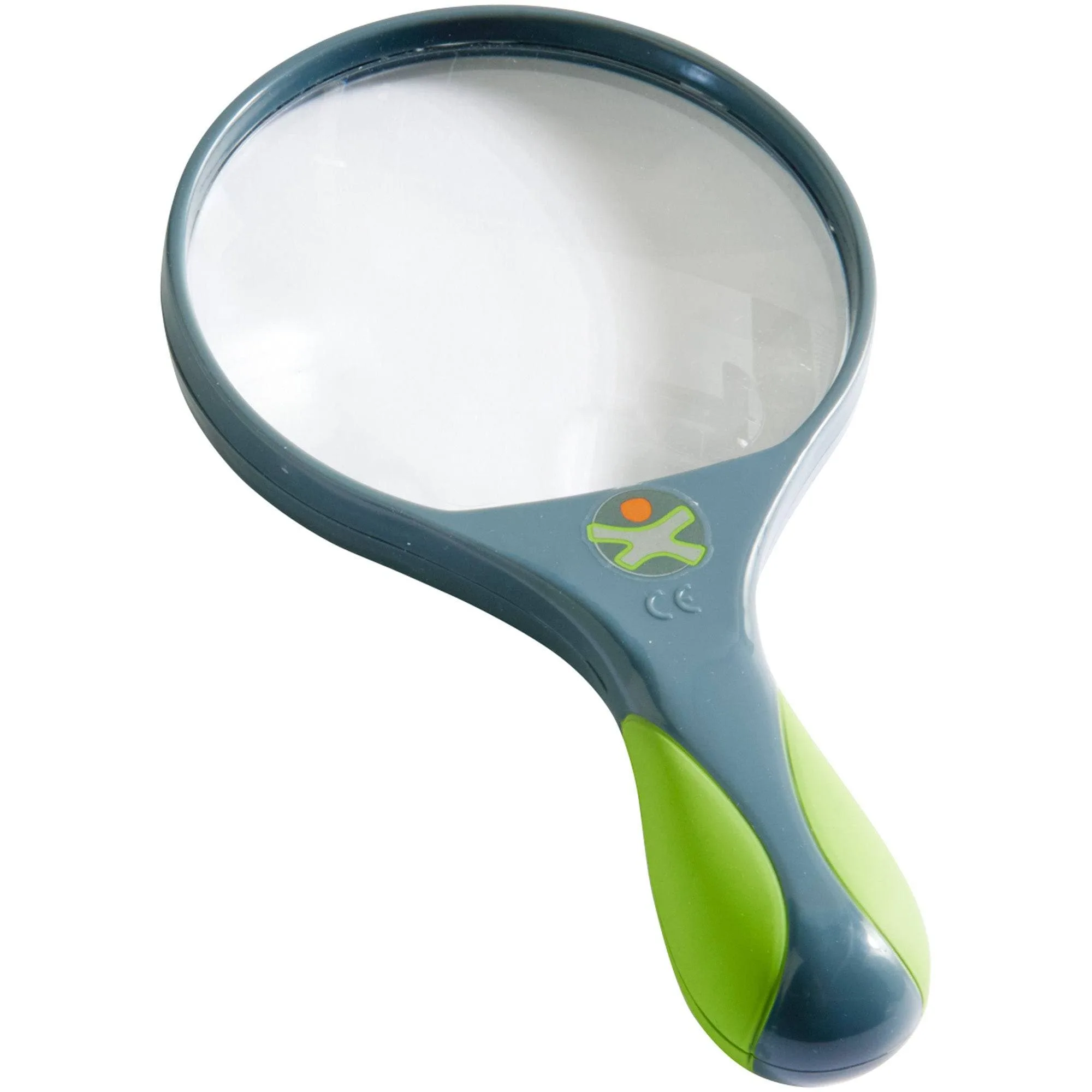
- Terra Kids Magnifying Glass: Ants, leaves, fossils ... children can get an up-close look at the plant and animal world with this classic researcher’s tool! No adventurer's tool kit is complete without a trusty magnifying glass and this sturdy Terra Kids Magnifying Glass will allow kids to look closely at the world around them for years to come. The sturdy handle is great for small hands and provides extra grip. A great way to encourage your child's curiosity. For flat objects like leaves or fossils, a traditional magnifying glass can be easier to use, offering a different observation experience that complements the beaker.
The Terra Kids Beaker Magnifier is a wonderful tool to nurture your child's curiosity about nature. By following these steps, you can create meaningful outdoor learning experiences that are safe and fun. Remember to supervise, respect wildlife, and let your child lead the exploration.