Quick Answer
Board games offer measurable mental health benefits: they lower stress by promoting focused fun, exercise cognitive skills like memory and problem-solving, and strengthen social bonds through shared experiences. For best results, choose games that match your interests and play regularly, even for short sessions.
When people think about self-care, they often picture meditation, exercise, or a digital detox. But a growing body of research and everyday experience points to a simpler, more enjoyable tool: board games. Whether you're strategizing over a science-themed game or laughing through a party game, the act of playing together can do wonders for your mind and mood.
In this article, we answer common questions about how board games affect mental health, what types of games offer the most benefit, and how to build a healthy game habit. You'll also find practical tips grounded in real product examples from Genius Games, so you can choose games that genuinely support your well-being.
How Do Board Games Reduce Stress?
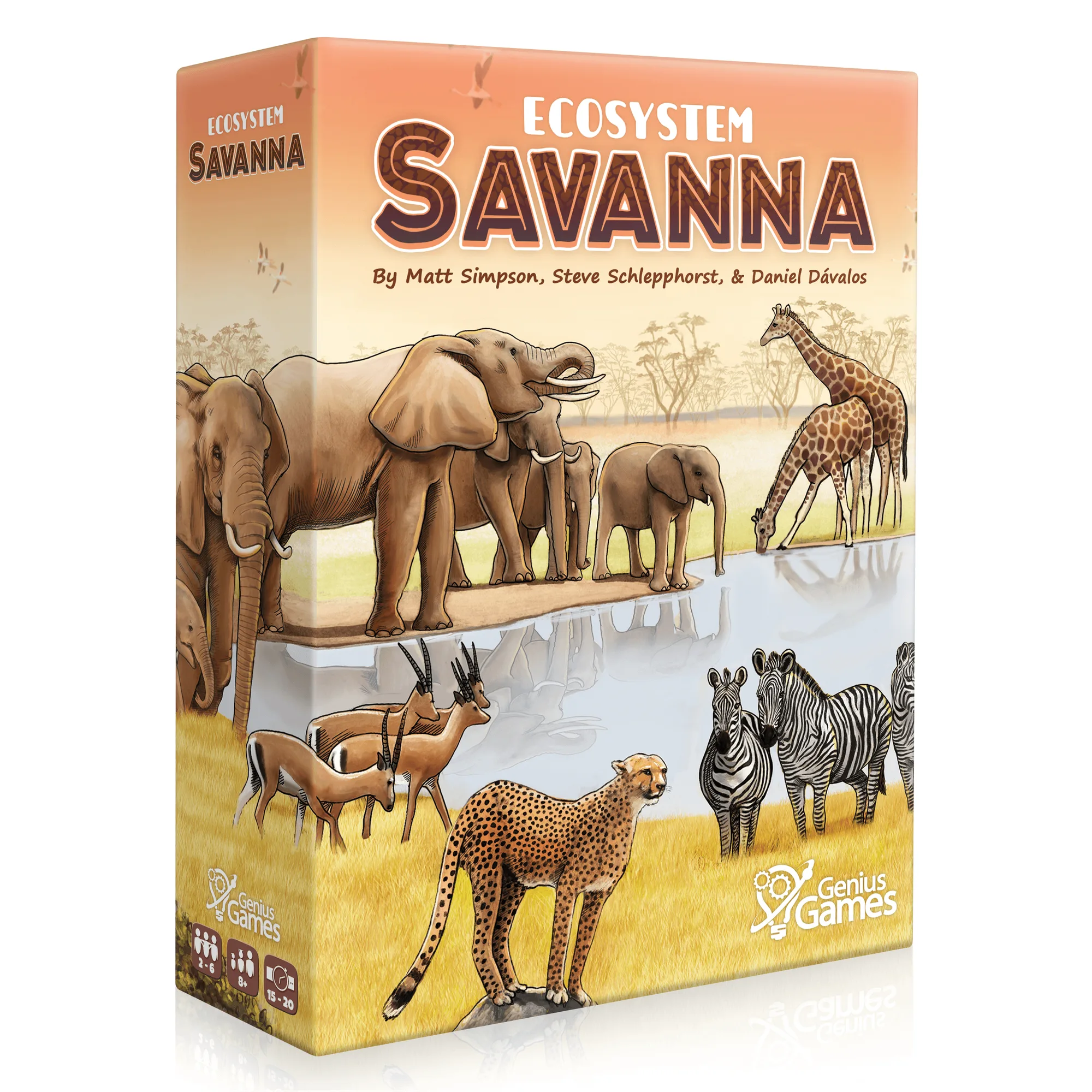
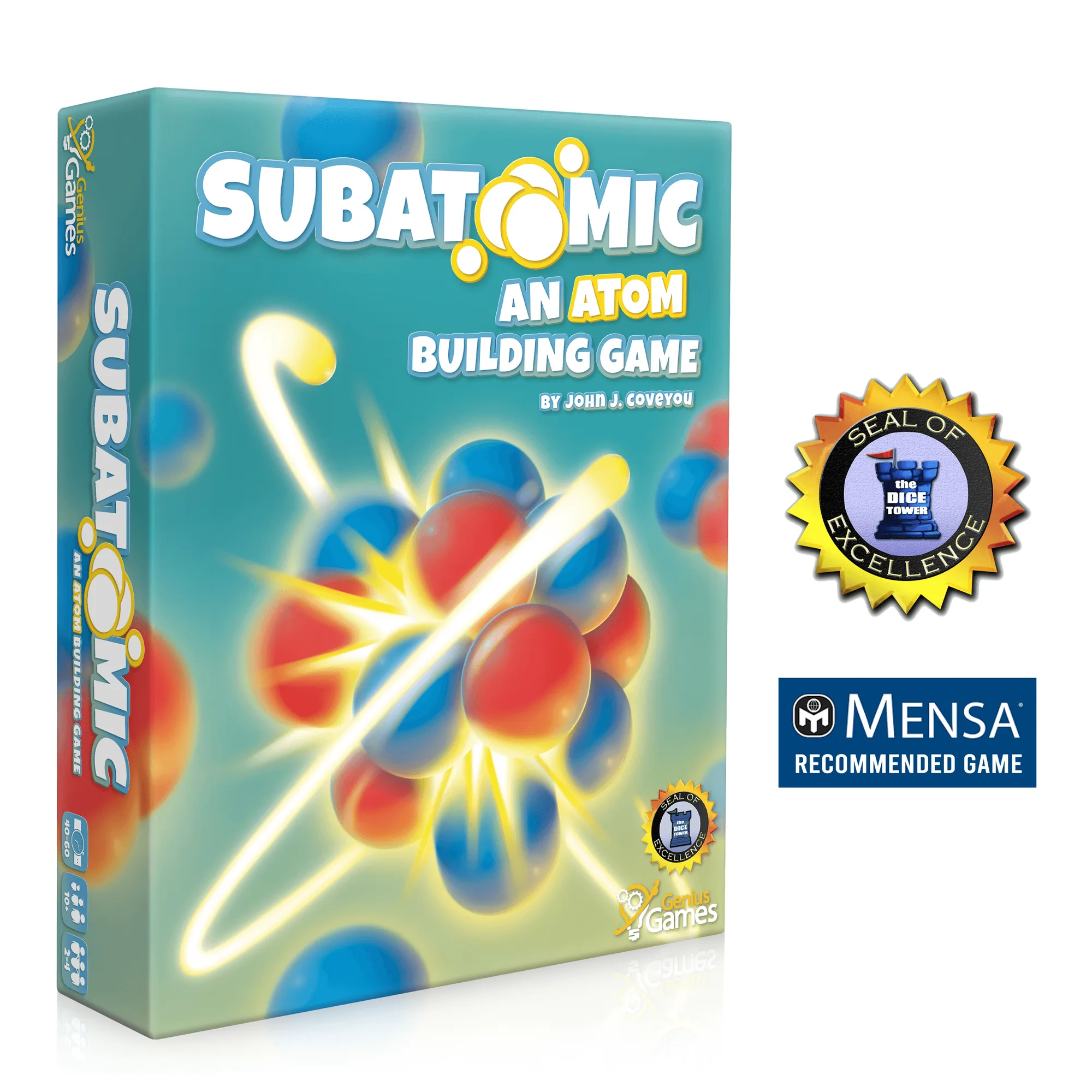
Board games provide a structured escape from daily pressures. When you sit down to play, your brain shifts focus from worries to the game at hand—whether that's building an atom in Subatomic or drafting animals in Ecosystem: Savanna. This mental shift is similar to mindfulness: you're fully present in the moment, which can lower cortisol levels and promote relaxation.
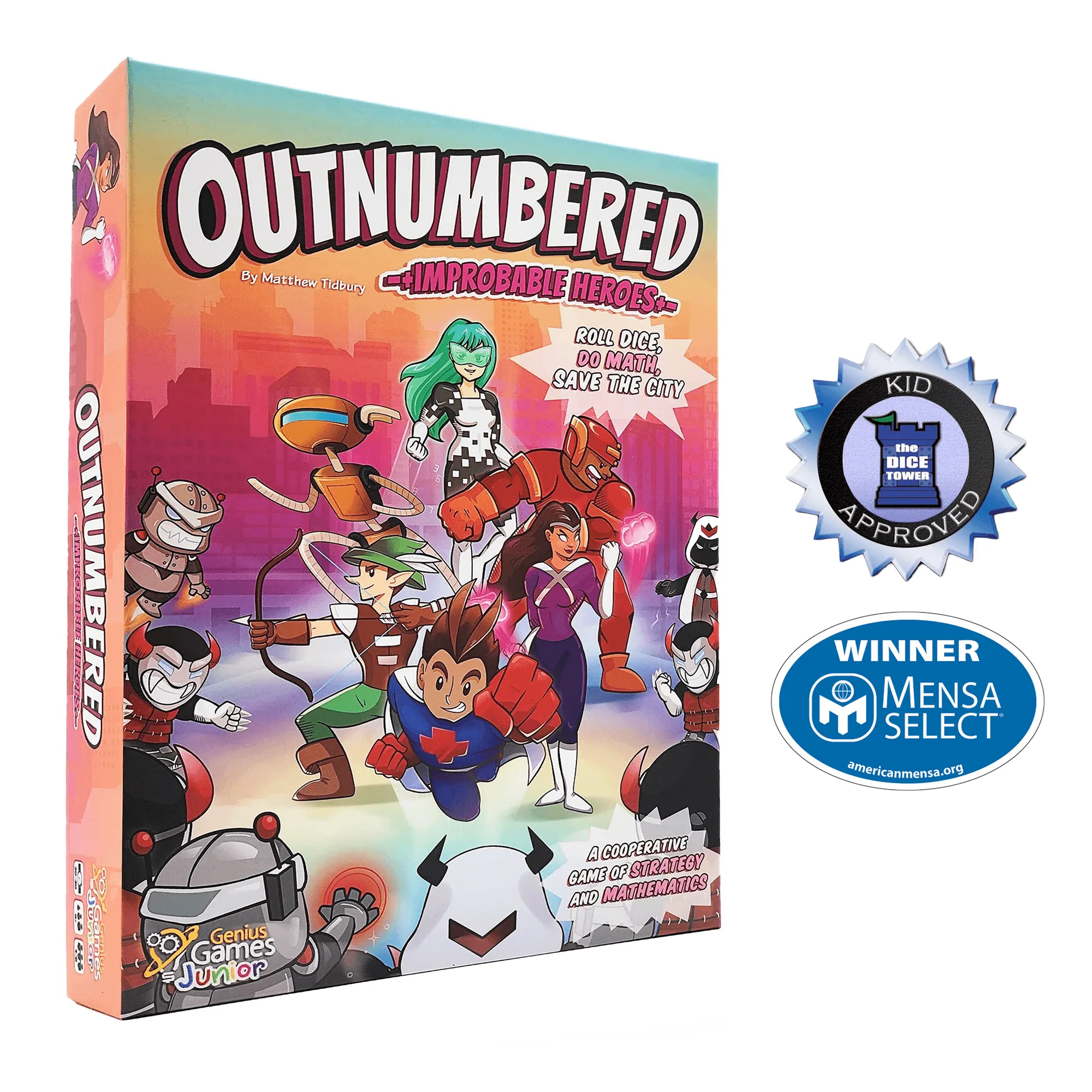
The social aspect amplifies the effect. Laughing with friends or family releases endorphins, the body's natural mood elevators. Even solo play, like a cooperative game such as Outnumbered, can offer a calming challenge that distracts from stressors. The key is to choose games that are engaging but not overly competitive, so the experience feels supportive rather than stressful.
- Set a regular game night to create a reliable stress-relief ritual.
- Choose cooperative games when you want a low-pressure experience.
- Keep sessions short—20 to 30 minutes is often enough to reset your mood.
What Cognitive Benefits Can You Expect?
Board games are like a workout for your brain. They require memory, pattern recognition, strategic thinking, and adaptability. For example, Subatomic challenges players to build atoms using protons, neutrons, and electrons, reinforcing chemistry concepts while exercising planning and resource management. Similarly, Outnumbered combines math with cooperative strategy, helping players practice quick calculations under pressure.
These mental exercises can improve executive functions like problem-solving and decision-making. For older adults, regular game play has been linked to slower cognitive decline, while for younger players, it supports academic skills. The beauty is that you're learning without feeling like you're studying—the fun keeps you engaged, which enhances retention and mental agility.
- Rotate game types to challenge different cognitive skills.
- Play with a mix of ages to encourage flexible thinking.
- Discuss strategies after the game to reinforce learning.
How Do Board Games Boost Social Connection?
Humans are wired for connection, and board games are a powerful catalyst for meaningful interaction. Unlike passive screen time, games require players to communicate, negotiate, and collaborate. This builds empathy and trust, which are essential for mental well-being. Games like Nerd Words: Science turn vocabulary into a lively group challenge, sparking conversations and laughter.
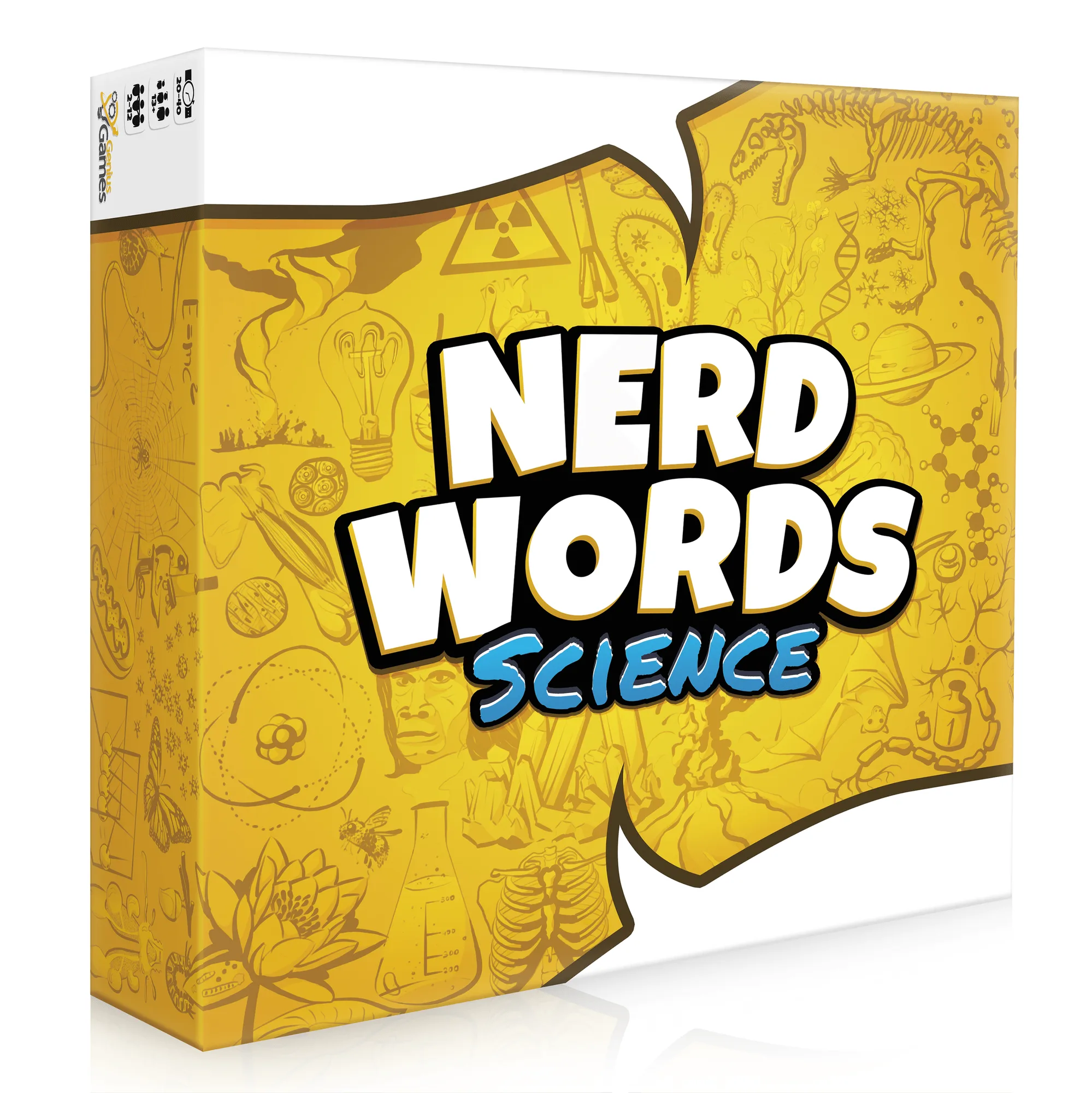
Nerd Words: Science
For families, board games create shared experiences that strengthen bonds. For adults, they offer a way to deepen friendships beyond small talk. Even introverts can benefit from the structured social setting of a game, which provides a natural conversation starter. The result is a sense of belonging that buffers against loneliness and depression.
- Invite new players to make game night more inclusive.
- Choose games with high player counts for larger groups.
- Use games as a way to connect with remote friends via video chat.
Which Types of Games Are Best for Mental Health?
Any game you enjoy can be beneficial, but different formats offer distinct advantages. Cooperative games, like Outnumbered, foster teamwork and reduce competitive stress. Card games, such as Ecosystem: Savanna, are portable and quick, making them easy to fit into a busy day. Word games like Nerd Words: Science stimulate language centers and are great for social gatherings.
Games with a learning component, like Subatomic, combine cognitive challenge with educational content, which can boost self-esteem as players master new concepts. The key is to match the game to your mood and goals. If you want to unwind, choose something light and fun. If you want to sharpen your mind, pick a game that requires strategy and planning.
- Keep a variety of games on hand for different occasions.
- Read reviews to find games that match your preferred play style.
- Don't be afraid to try new genres—variety keeps your brain engaged.
Frequently Asked Questions
How often should I play board games to see mental health benefits?
Even a single session can reduce stress, but consistent play—once a week or more—yields lasting cognitive and emotional gains. Aim for 30 minutes to an hour per session. Schedule a regular game night to build a healthy habit.
Can board games really help with anxiety?
Yes, by providing a focused, enjoyable distraction and social support. Cooperative games are especially helpful because they reduce competitive pressure. Start with a cooperative game like Outnumbered for a calming experience.
Are there board games that improve memory and problem-solving?
Absolutely. Strategy games like Subatomic require planning and recall, while word games like Nerd Words: Science challenge verbal memory. Choose games that require active thinking. Rotate between different game types to challenge your brain in new ways.
What if I don't have a group to play with?
Many games offer solo modes, like Outnumbered, which supports 1-6 players. You can also play online with friends or join local game meetups. Solo play still offers cognitive benefits; try a solo-friendly game.
Real Games That Support Mental Health
- Subatomic: 2nd edition an Atom Building Game | 2019 MENSA Recommended Game | Dice Tower Seal of Excellence |Chemistry Game: Subatomic: 2nd edition Atom Building Game is a 2021 MENSA Recommended Game and a recipient of The Dice Tower Seal of Excellence. This chemistry game is about Elements, Protons, Neutrons, and Electrons. Its deck-building and area-control mechanics require strategic planning, giving your brain a satisfying workout while you learn science.
- Ecosystem: Savanna | A Family Card Game: Ecosystem: Savanna is a Family Card Game about Animals on Grassy Woodland of African Savanna. Type of Game: card-drafting, tableau-building, pick-and-pass. Ages: 8+, Players: 2-6, Time: 15-20 mins. This quick, engaging card game is perfect for a short stress-relief break and encourages social interaction without a large time commitment.
- Outnumbered: Improbable Heroes Board Game | 2023 MENSA Select Award Winner | Dice Tower Kid Approved | STEM Game: Outnumbered is a 2023 MENSA Select Award Winner and is Dice Tower Kid Approved. Type of Game: Cooperative, City Defense, Superheroes. Ages: 8+, Players: 1-6, Time: 20 mins. As a cooperative game, it builds teamwork and reduces pressure, making it an excellent choice for family game nights focused on connection.
- Nerd Words: Science: Type of Game: word game, party game, social game, betting. Ages: 13+, Players: 2-12, Time: 20-40 min. Science Concepts: biology terms, chemistry terms, physics terms, and more. This lively word game gets everyone talking and laughing, boosting social bonds while gently exercising memory and vocabulary skills.
Board games are more than just entertainment—they're a tool for mental wellness. By reducing stress, sharpening your mind, and fostering connections, they offer a holistic approach to health that fits naturally into your life. Whether you're a seasoned gamer or new to the hobby, there's a game out there that can support your mental health. So gather your friends, pick a game, and start playing your way to a healthier mind.