When winter camping with a group, choosing the right shelter can make or break your trip. Traditional 4-person tents offer proven protection, but a new breed of large shelters like THE CAVE XL 4-season shelter promises more space and faster setup. Which one is right for your next cold-weather adventure?
In this comparison, we'll break down the key differences between THE CAVE XL 4-season shelter and typical 4-person expedition tents. We'll look at weather resistance, interior space, weight, packability, and ease of use so you can decide which large shelter fits your needs.
Weather Protection: 4-Season Shelter vs Tent
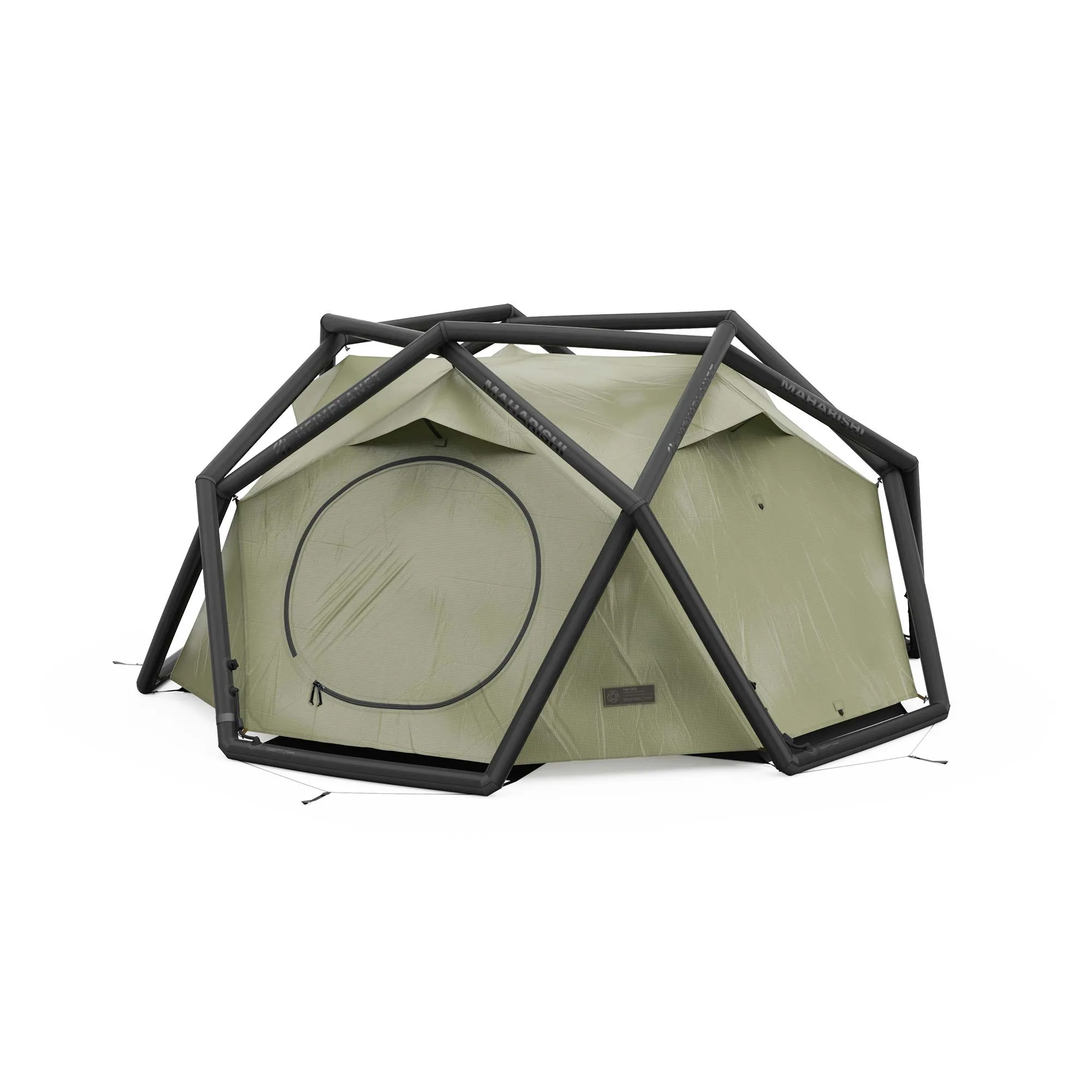
Both THE CAVE XL and a quality 4-person tent are designed for winter conditions, but they approach protection differently. A traditional 4-season tent like the KIRRA inner tent, 4-season uses a full inner tent and fly to create a sealed environment that blocks wind and snow. The inner tent also prevents condensation from dripping on occupants. THE CAVE XL, on the other hand, is a single-wall shelter that relies on a robust outer shell and optional inner tent for moisture management. Its low-profile shape sheds wind well, but in heavy snow, you may need to stake out the sides to prevent sagging.
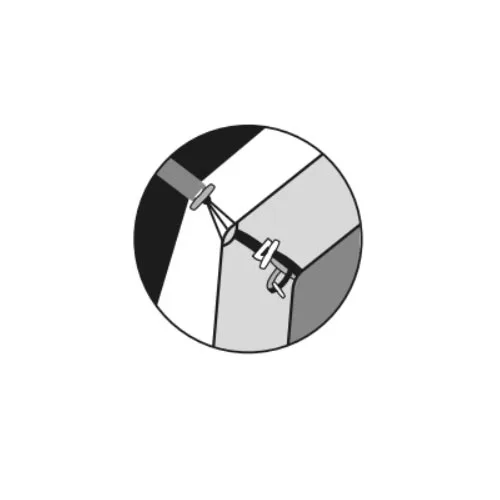
KIRRA inner tent, 4-season
For extreme alpine conditions, a mountaineering tent with a full-coverage fly is hard to beat. But for basecamp use or milder winter trips, THE CAVE XL's simplicity and ventilation can be a real advantage. The trade-off is that you'll need to be more diligent about managing condensation in humid conditions.
- Consider your typical winter weather: heavy snow and high winds favor a traditional 4-season tent; variable conditions suit a shelter like THE CAVE XL.
Interior Space and Livability
One area where THE CAVE XL shines is interior volume. Its geodesic-style dome creates a spacious, open area with nearly vertical walls, allowing four people to sit up comfortably without feeling cramped. In contrast, many 4-person tents have sloping walls that reduce usable headroom at the edges. The CAVE XL also features a large central entry and multiple vestibule options for gear storage, making it feel more like a small basecamp than a tent.
However, the trade-off is that THE CAVE XL's single-wall design means less privacy and light control than a tent with a separate inner and fly. For groups who value a cozy, enclosed feel, a traditional tent might be preferable. Also, setting up the shelter with the optional inner tent adds time but improves condensation management and bug protection.
- If you prioritize headroom and group space, THE CAVE XL is hard to beat. For privacy and condensation control, a double-wall tent is better.
Setup, Packability, and Weight
THE CAVE XL uses a simple hub-and-pole system that can be set up in minutes, even in windy conditions. Its single-wall construction means fewer components to assemble. In contrast, a 4-season tent often requires threading poles through sleeves and attaching a separate fly, which takes longer with cold hands. For groups that move camp frequently, the shelter's quick pitch is a major advantage.
When it comes to weight, THE CAVE XL is comparable to a lightweight 4-person tent, but its pack size is smaller because it uses fewer poles and no separate fly. This makes it easier to split among backpackers. However, if you add the optional inner tent, weight and bulk increase. For car camping or basecamp use, the difference is negligible. For backpacking, the shelter's compactness is a plus.
- Think about how often you'll move camp. THE CAVE XL is great for mobile groups; a traditional tent may be better for long stays in one spot.
Durability and Long-Term Value
Both shelter types use high-denier fabrics and reinforced seams, but THE CAVE XL's single-wall design means fewer zippers and seams that can fail over time. Its pole system is robust and easy to repair in the field. Traditional 4-season tents often have more zippers and mesh panels that can wear out, but they are also more proven in extreme conditions.
For long-term use, consider your typical camping style. If you frequently camp in harsh winter environments, a dedicated 4-season tent may offer peace of mind. If you want a versatile shelter that works for both winter and three-season group trips, THE CAVE XL's adaptability is a strong selling point. Either way, investing in quality gear like the BACKDOOR 3-season tent or the KIRRA inner tent ensures reliability.
- Warranty and repair options: Check manufacturer policies for both shelter types before buying.
Choosing between THE CAVE XL 4-season shelter and a traditional 4-person tent comes down to your priorities. If you value spaciousness, quick setup, and packability, THE CAVE XL is an excellent choice. If you need maximum weather protection and condensation control in extreme conditions, a double-wall 4-season tent is the safer bet. Consider your typical winter trips and group size to make the right call.