Quick answer
Thermal polish shifts color when temperature changes. To keep it working, store it away from heat and direct sun, apply over a fully dry base coat, and test with a cold-water dip. If it still won't shift after warming and cooling, the pigment is likely spent and it's time to replace it.
Why thermal polish stops shifting
Thermal pigments react to temperature changes, but they aren't indestructible. Prolonged heat, direct sunlight, and repeated temperature swings can degrade the pigment over time. That's why a bottle that shifted beautifully last summer might look flat this year. The color you see at room temperature is just one state; if the polish no longer changes when chilled, the pigment has likely lost its reactivity. This is normal wear, not a formula defect.
Storage that protects the shift
Store thermal polish in a cool, dark place—away from windowsills, radiators, and hot cars. A closed drawer or cabinet works well. Keep the cap tightly sealed to prevent solvent evaporation, which can thicken the formula and dull the shift. If you live in a hot climate, a dedicated polish fridge is optional but can help. Avoid storing thermals in the bathroom, where humidity and temperature fluctuate.
Application tips for a reactive manicure
Start with clean, dry nails and a base coat. Thin coats dry faster and react more evenly than thick ones. Two thin coats are better than one gloppy layer. Let each coat dry completely before adding the next. A glossy top coat doesn't block temperature changes, but a thick, rubbery top coat can slightly insulate the nail. If you want the most dramatic shift, skip the top coat or use a thin one. For a cold-water test, dip your fingertips in ice water for 10–15 seconds; the color should deepen or change hue. If it doesn't, the polish may be too warm or the pigment is fading.
When to stop troubleshooting and replace
If you've stored the polish correctly, applied it thinly, and it still won't shift after a cold-water test, the pigment is likely exhausted. No amount of thinning or shaking will bring it back. At that point, it's time to replace the bottle. If you're unsure, compare it to a new bottle of the same shade—if the new one shifts and the old one doesn't, the old one is done. Don't try to revive it with heat or additives; that can ruin the formula further.
Diagnosis: Why your thermal polish isn't shifting
- Symptom: Polish looks flat, no color change: The polish stays one color even when cold. Likely cause: pigment degradation from heat or age. Corrective action: try a cold-water test. If no shift, replace the bottle.
- Symptom: Color shifts weakly or unevenly: You see some change but it's faint or patchy. Likely cause: thick application or old polish. Corrective action: apply thinner coats and test again. If still weak, the pigment is fading.
- Symptom: Polish thickens or gets stringy: The formula becomes difficult to apply. Likely cause: solvent evaporation from a loose cap or heat exposure. Corrective action: use a polish thinner (not remover) and store properly. If it doesn't improve, replace it.
Product facts
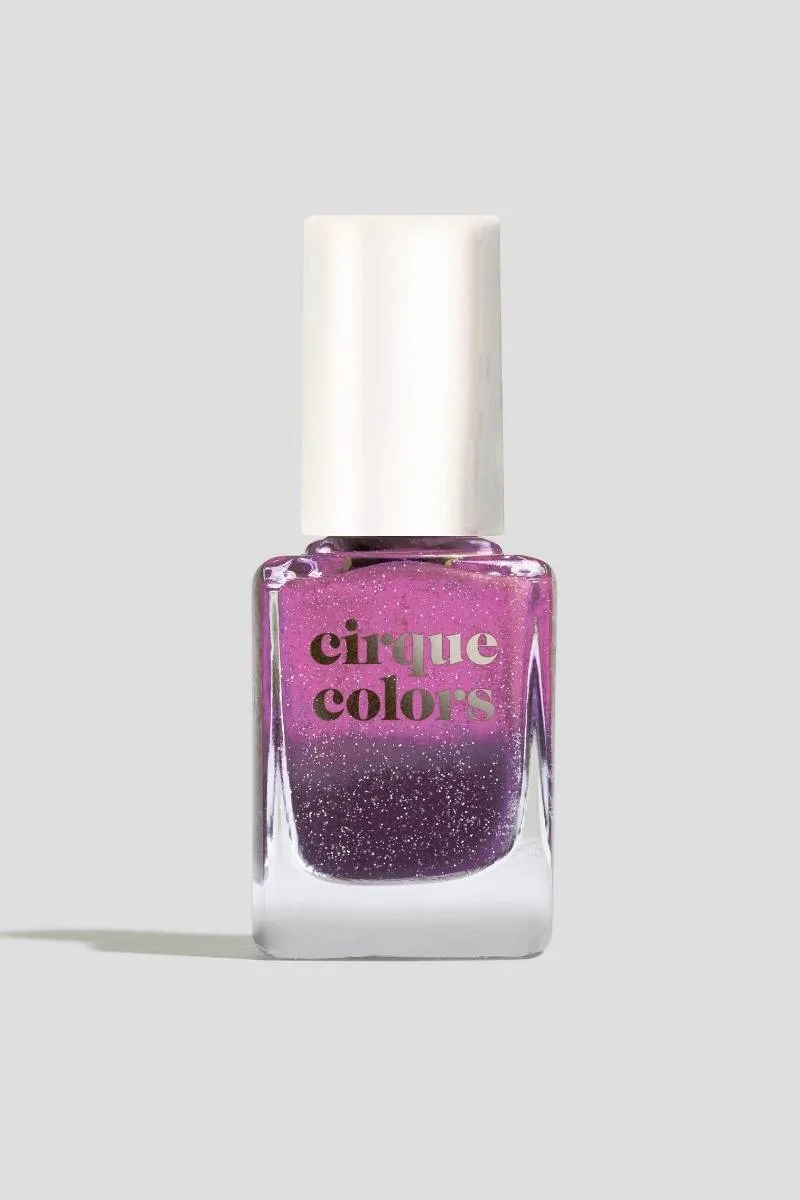
- Temptress: Temptress is a purple-toned taupe thermal nail polish that shifts based on temperature, with silver flash reflective glitters. It deepens in cool temperatures and melts into orchid pink when warm. This shade demonstrates how thermal pigments react to temperature; proper care preserves that dramatic shift.
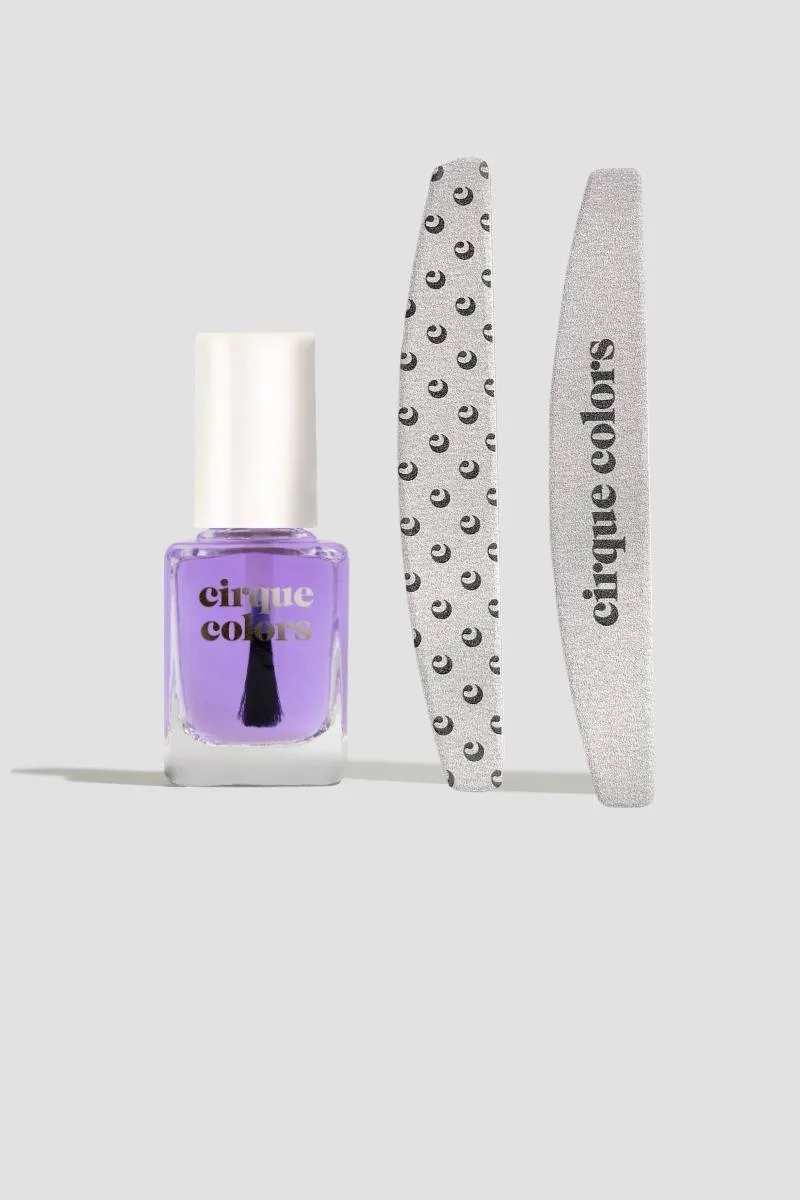
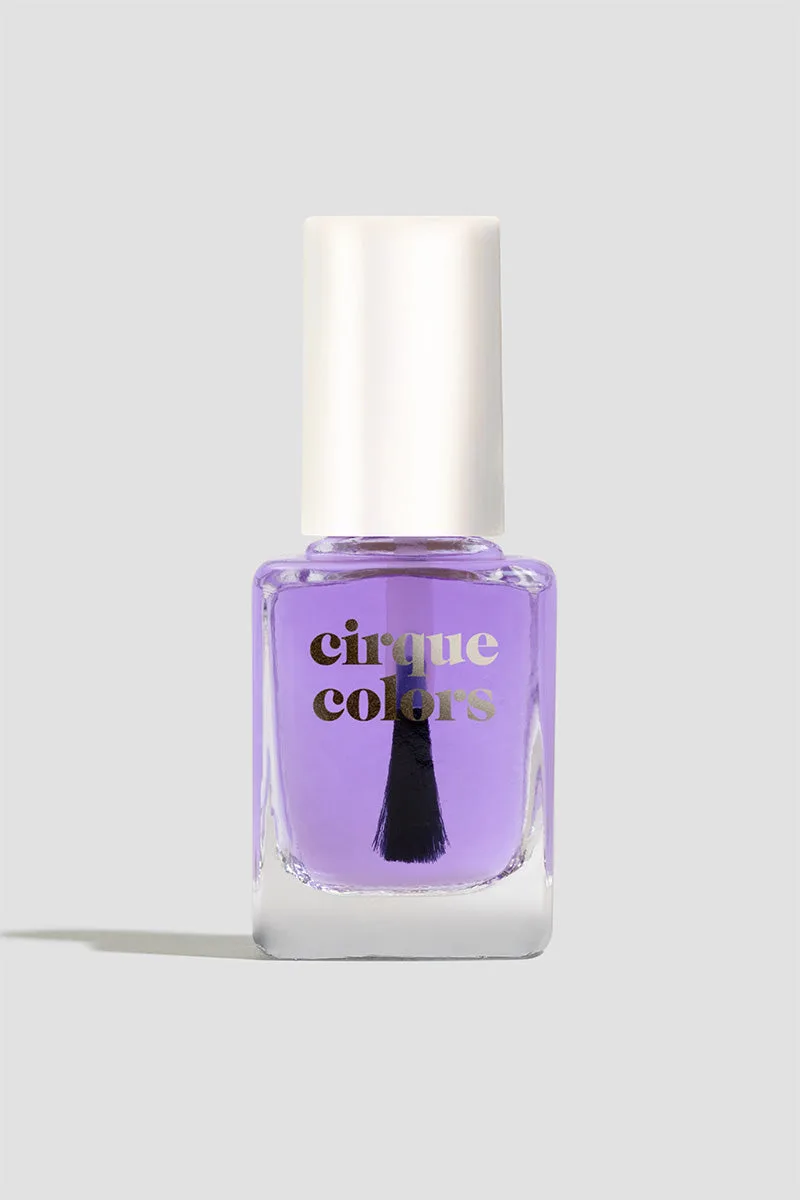
- Recover & Reshape Duo: Recover & Reshape Duo includes Shape Up Emery Files and Recovery Ritual Nail Strengthener with AHA, PHA, bamboo, and celery extracts. Healthy nails provide a smooth canvas for thermal polish, and gentle filing prevents snags that can ruin a manicure.