Quick Answer
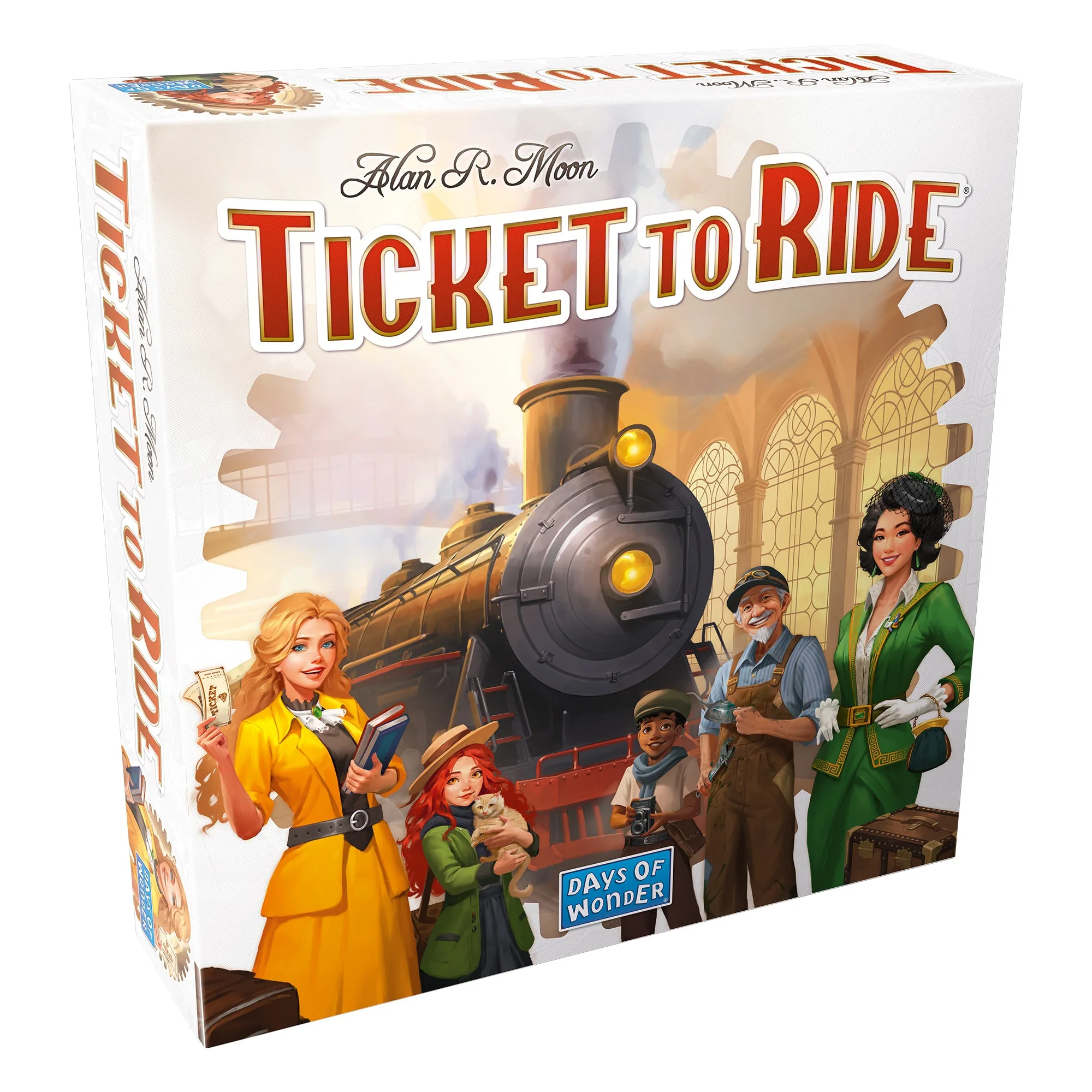
Both Ticket to Ride and Catan are excellent gateway board games, but they serve different play styles. Ticket to Ride is simpler to teach and plays faster, making it ideal for families or non-gamers. Catan offers more player interaction and strategic depth, rewarding groups that enjoy negotiation and planning.
How They Play Differently
Ticket to Ride is a set-collection and route-building game where players claim train routes across a map. The core loop is easy to grasp: draw colored train cards, claim a route, and complete destination tickets. Turns are quick, and there is minimal direct conflict—the main tension comes from blocking opponents' routes.
Catan (formerly The Settlers of Catan) revolves around resource production, trading, and building settlements and cities. Players roll dice to gather resources, trade with each other or the bank, and expand across the island. It introduces negotiation and a bit of luck from the dice, which can create dramatic swings but also occasional frustration.
The biggest practical difference is teachability. A new player can start building routes in Ticket to Ride after a two-minute explanation. Catan requires explaining resource distribution, trading rules, and the robber, which can take five to ten minutes and may overwhelm some first-timers.
Player Count and Play Time
Ticket to Ride plays 2–5 players and typically finishes in 30–60 minutes. It scales well: the two-player variant uses a smaller map and feels balanced. Catan officially supports 3–4 players (with a 5–6 player expansion), and a standard game runs 60–90 minutes. If you frequently have exactly three or four players, Catan works fine; for duos or larger groups, Ticket to Ride is more flexible out of the box.

duos
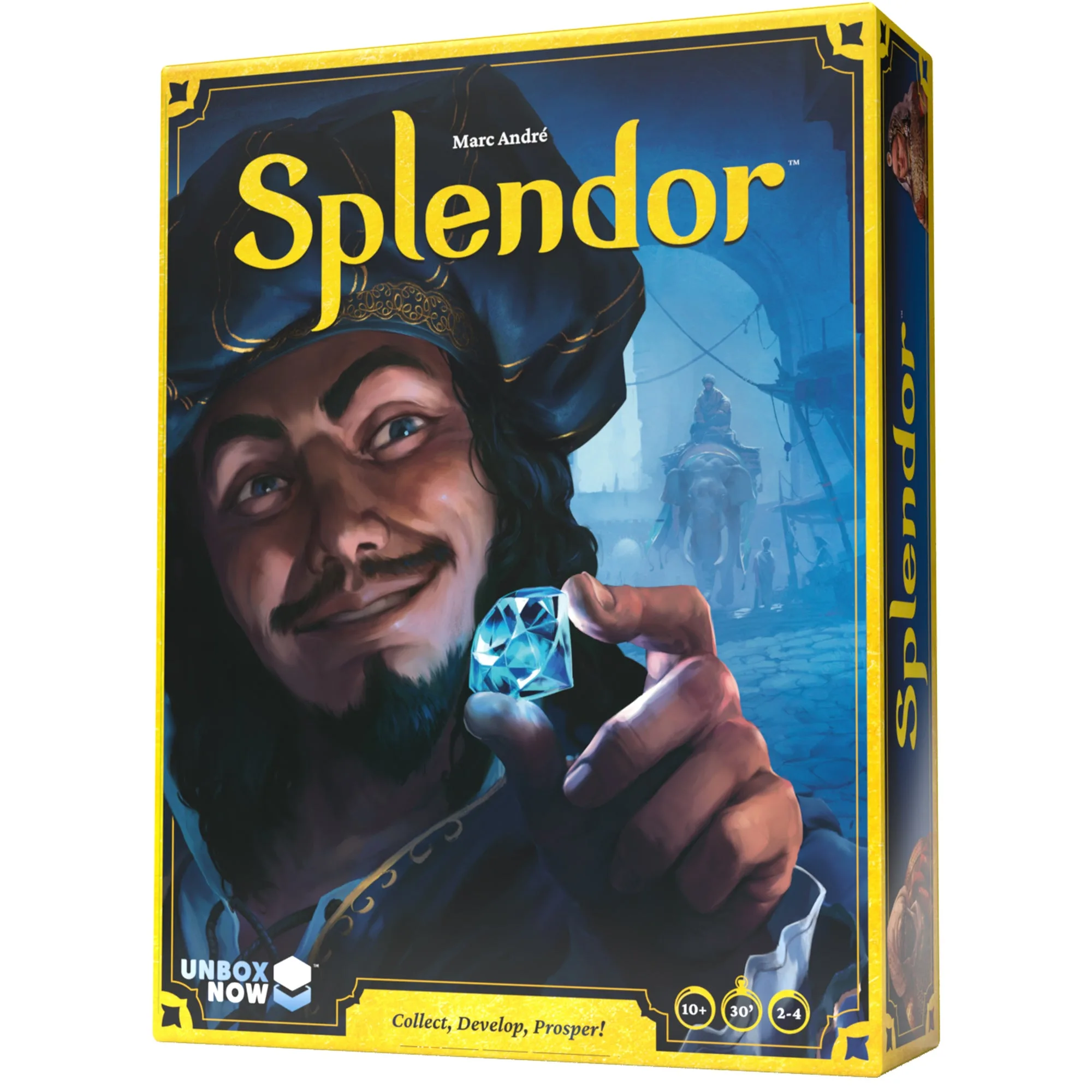
Both games are widely available, but if you want a similar strategic feel with a younger audience, consider Splendor Kids, a cooperative resource-management game that teaches the same tactical thinking without the complexity of trading or route blocking.
Splendor
Tradeoffs at a Glance
- Ease of Learning: Ticket to Ride is significantly easier to teach. New players can start playing almost immediately. Catan requires explaining multiple systems and the robber, which can slow the first game. If your group includes non-gamers or children, start with Ticket to Ride.
- Player Interaction: Catan thrives on trading and negotiation, creating lively table talk. Ticket to Ride has less direct interaction; blocking routes is the main way to affect opponents. Choose Catan if your group loves bargaining and back-and-forth. Choose Ticket to Ride for a more relaxed, parallel-play experience.
- Replayability and Depth: Both games offer high replayability through different maps (Ticket to Ride) or variable board setups (Catan). Catan's dice-driven resource generation introduces more randomness, which some players enjoy and others find frustrating. For a game with more strategic control and less luck, Ticket to Ride is the safer bet. For a game with dramatic moments and negotiation, Catan delivers.
Product Facts
- Mass Effect: Priority Hagalaz - The Boardgame: On the storm wracked world of Hagalaz, a research cruiser for the terrorist organization Cerberus has crashed. Shepard must lead their squad mates through the cruisers to uncover its sinister secrets, and keep them out of the hands of the malevolent Cerberus. If your group enjoys cooperative, story-driven missions rather than competitive route-building or trading, Mass Effect: Priority Hagalaz offers a different gateway experience focused on teamwork and exploration.
- Splendor Kids: A child-friendly version of the hit game Splendor, Splendor Kids teaches resource management and tactical thinking in a colorful, cooperative setting. Players take on the role of Travelers delivering food across the kingdom. For families with young children who find Ticket to Ride or Catan too abstract or competitive, Splendor Kids provides a simpler cooperative introduction to resource management and planning.
Which Gateway Game Fits Your Group?
Best For
- Families or mixed groups with non-gamers who want a fast, easy-to-learn game
- Players who prefer individual strategy without heavy negotiation or luck swings
Not For
- Groups that thrive on direct competition, trading, and player-driven drama
- Players who want a deep, complex strategy game with minimal luck