Quick answer
Start with 1 heaped teaspoon of Toasted Apple Tea per 200 ml of water just off the boil, steep for 2–3 minutes, then taste before adding more leaf. Most weak, bitter, or cooling cups come from the wrong leaf-to-water ratio, water that is too hot or too cool, or a brew left sitting too long.
Why toasted apple tea behaves differently from plain fruit teas
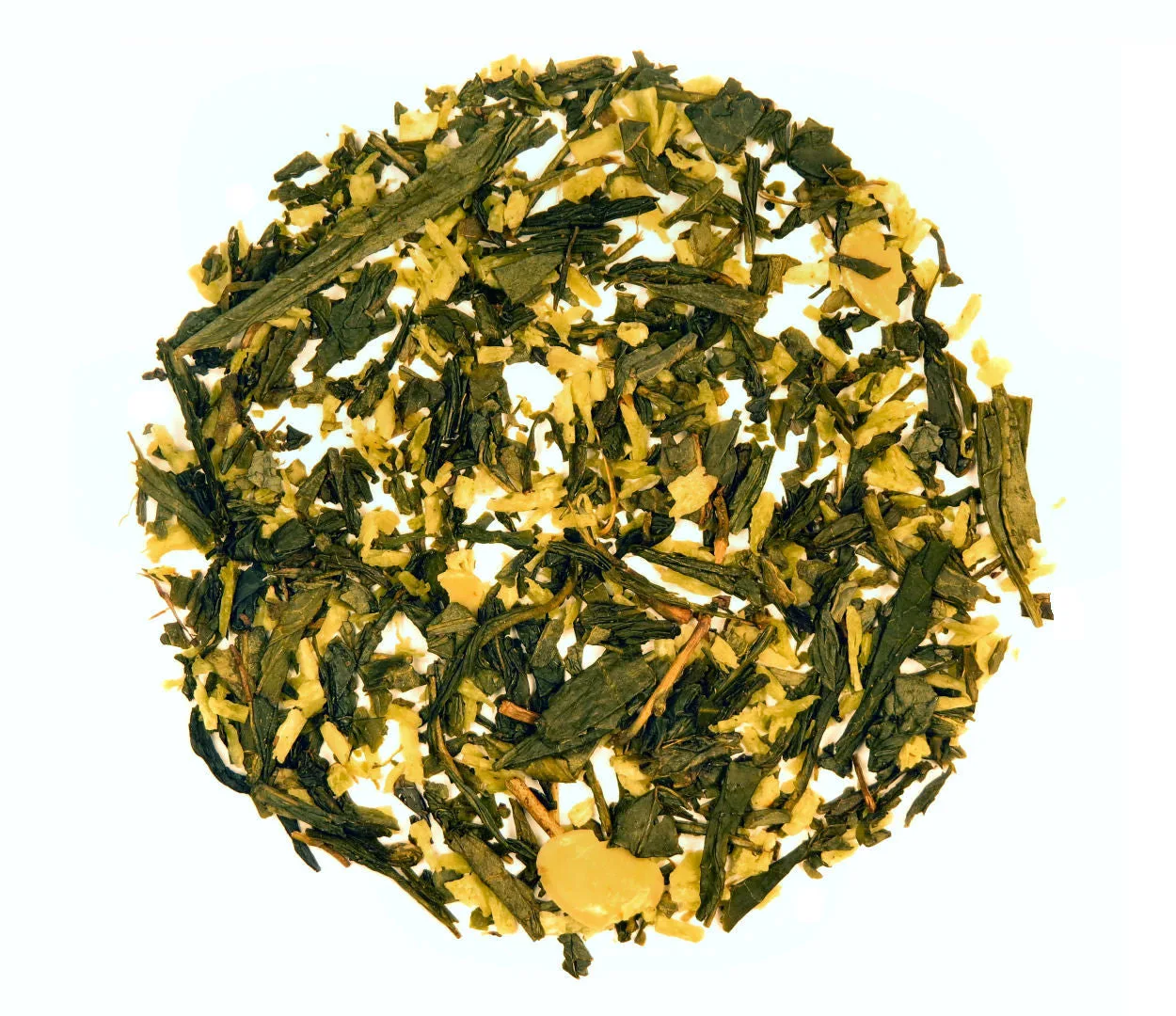
Toasted Apple Tea is a green tea base blended with roasted green tea, popped rice, and toasty apples. That matters for autumn tea brewing because the green tea leaves can turn bitter if you treat them like a robust black tea or a herbal infusion and steep them for many minutes.
The popped rice and apple pieces add a savoury, toasted note rather than a sweet, syrupy fruit flavour. If you expect a dessert-like cup, you may read a good brew as 'too subtle' and overcorrect with more leaf or a much longer steep.
When the problem is the evening, not the tea
Toasted Apple Tea contains caffeine because it is built on green tea. If you are brewing a late autumn evening cup and want to avoid caffeine, no steeping adjustment will remove it. Choose a caffeine-free blend for that slot instead of trying to brew this one weaker.
For a warm spiced tea feel without changing the tea itself, keep the additions simple: a thin slice of fresh apple in the cup or a cinnamon stick used as a stirrer. Heavy milk or large amounts of honey can mask the toasted rice and apple notes, so add them sparingly and taste first.
Diagnose your cup: symptom, cause, fix, and when to stop
- Symptom: thin, watery, or faintly apple-scented cup: Likely cause: too little leaf for the water volume, or water that cooled before pouring. Corrective action: measure 1 heaped teaspoon per 200 ml, use water just off the boil, and steep 2–3 minutes. Stop adjusting once the cup tastes rounded and savoury; if it still tastes thin after increasing leaf once, the blend is simply delicate and a longer steep will only add bitterness. Change one variable at a time so you can tell whether leaf or water temperature caused the improvement.
- Symptom: sharp, bitter, or drying finish: Likely cause: steeping too long, water at a rolling boil, or squeezing the leaves. Corrective action: shorten the steep to 2 minutes, let the kettle rest briefly after boiling, and lift the leaves out rather than pressing them. Stop shortening once the cup turns sour or empty; at that point the leaf ratio is too high, so reduce the leaf instead of steeping for less time. Bitter and sour are different problems: bitterness usually means too much time or heat, sourness usually means too much leaf.
- Symptom: lukewarm cup by the time it reaches the sofa: Likely cause: a cold mug or a long steep in an open vessel. Corrective action: warm the mug with hot water first, steep covered, and carry the cup in a lidded tumbler if you are settling in for the evening. Stop chasing heat with a longer steep; reheating a spent brew flattens the toasted notes. If you want a second cup, brew it fresh rather than topping up the first.
- Symptom: you want a caffeine-free evening cup: Likely cause: the green tea base. Corrective action: keep Toasted Apple Tea for earlier in the day and choose a caffeine-free blend for late evenings. Stop trying to brew the caffeine out; it is part of the leaf, not a surface coating. Check the blend's caffeine status before making it your nightly ritual.
Product facts
-
Toasted Apple Tea: Green tea blend with caffeine, roasted green tea, popped rice, and toasty apples. The green tea base means short steeps and water just off the boil protect the cup from bitterness, and the caffeine content matters for evening drinking.
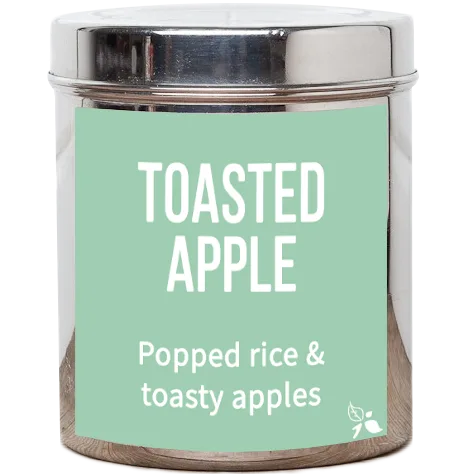
Toasted Apple Tea