Quick Answer
Yes, you can use toothpowder with braces, but you need to adapt your technique to clean around brackets and wires effectively. Use a soft-bristled brush, focus on the gumline and bracket edges, and rinse thoroughly to remove any residue.
Braces add a new level of complexity to your oral care routine. Brackets and wires create tiny spaces where food and plaque love to hide, and traditional brushing may not be enough. Toothpowder can be a great ally, but only if you know how to use it correctly.
In this guide, we'll walk you through the steps to clean around brackets and wires with toothpowder, address common challenges, and help you decide if it's the right choice for your orthodontic journey.
Why Toothpowder Works for Braces
Toothpowder is a fine, abrasive-free (or low-abrasive) powder that you apply to a wet toothbrush. Its texture helps lift plaque and surface stains, and it can reach areas that paste sometimes misses. When you have braces, the ability to clean around brackets and under wires becomes crucial, and the fine particles of toothpowder can get into those tight spaces more easily than a thick paste.
Another benefit is that toothpowder often contains natural ingredients like hydroxyapatite, which can help remineralize enamel. This is especially important when you have braces because the areas around brackets are more prone to demineralization and white spots. However, always check the ingredients and consult your orthodontist if you have concerns.
- Use a soft-bristled brush to avoid damaging brackets or irritating gums.
- Apply a small amount of toothpowder to a wet brush—about the size of a pea.
- Brush in small circular motions, angling the brush toward the gumline and then toward the bracket.
Step-by-Step: Brushing with Toothpowder and Braces
Start by rinsing your mouth with water to loosen food particles. Wet your toothbrush and dip it into the toothpowder, tapping off the excess. Begin brushing the outer surfaces of your teeth, using a 45-degree angle at the gumline. Then, brush the area above and below each bracket, angling the brush to clean the edges. Pay extra attention to the area between the wire and the tooth.
After brushing, rinse thoroughly with water, and check in a mirror to ensure no powder residue remains. You can also use an interdental brush or floss threader to clean between brackets and under wires, as toothpowder alone won't remove everything.
- Brush for at least two minutes, spending extra time on hard-to-reach areas.
- Use a proxabrush or interdental brush to clean under the wire.
- Rinse with a fluoride mouthwash if your orthodontist recommends it.
Common Challenges and Solutions
One common issue is that toothpowder can be messy, especially when you're trying to target specific areas. To minimize mess, dip your brush into the powder rather than sprinkling it directly. Another challenge is that toothpowder may not foam like toothpaste, so you might not feel like it's working. Remember, foaming isn't necessary for effective cleaning; the mechanical action of brushing is what matters.
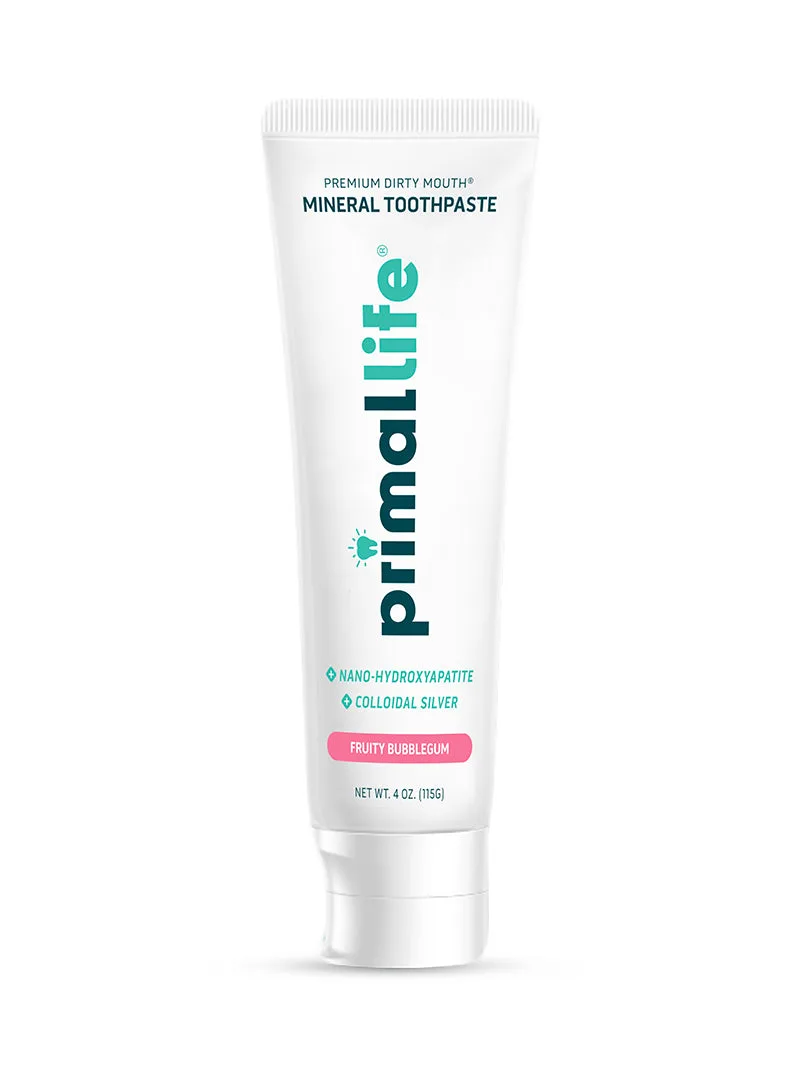
toothpaste
Some people worry about toothpowder being too abrasive for braces. While most toothpowders are gentle, it's best to choose one that is specifically formulated for daily use. If you experience sensitivity, try using a smaller amount or alternate with a regular toothpaste.
- Keep a small cup of toothpowder in your bathroom to avoid spills.
- Use a mirror to check for missed spots after brushing.
- If you have elastics, remove them before brushing and replace them afterward.
Diagnosis: Is Toothpowder Right for Your Braces?
- Symptom: Difficulty cleaning around brackets: Food and plaque accumulate around brackets, leading to bad breath or gum irritation. Toothpowder can help because its fine texture reaches tight spaces.
- Likely cause: Inadequate brushing technique: Standard brushing doesn't angle properly to clean under wires and around brackets. Adjust your technique: use a 45-degree angle and small circular motions.
- Corrective action: Incorporate toothpowder and interdental tools: Use toothpowder with a soft brush, and follow up with interdental brushes or floss picks. If you still see plaque or feel discomfort, consult your orthodontist.
Product Recommendations for Braces Wearers
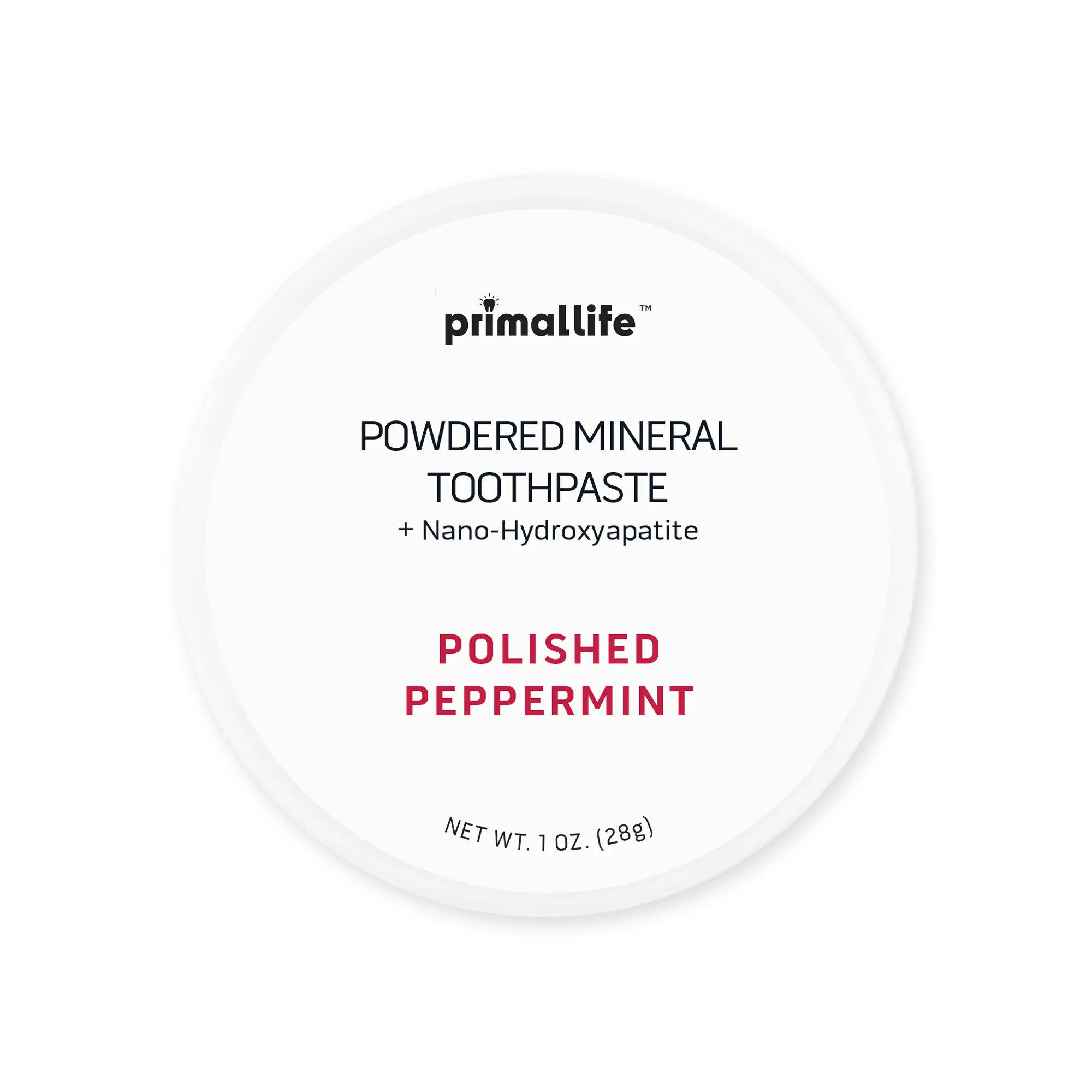
- Toothpowder Tasters: The Primal Life Toothpowder Tasters are a great way to find out which flavor you love best and a fabulous way to share with friends and family. Your mouth will feel fresh and clean all day like you just left the dentist...with flavors even your pickiest kids will love! We blended remineralizing hydroxyapatite... If you're new to toothpowder, start with taster sizes to find a flavor you enjoy without committing to a full jar. This is especially helpful if you're using it with braces and want to ensure it fits your routine.
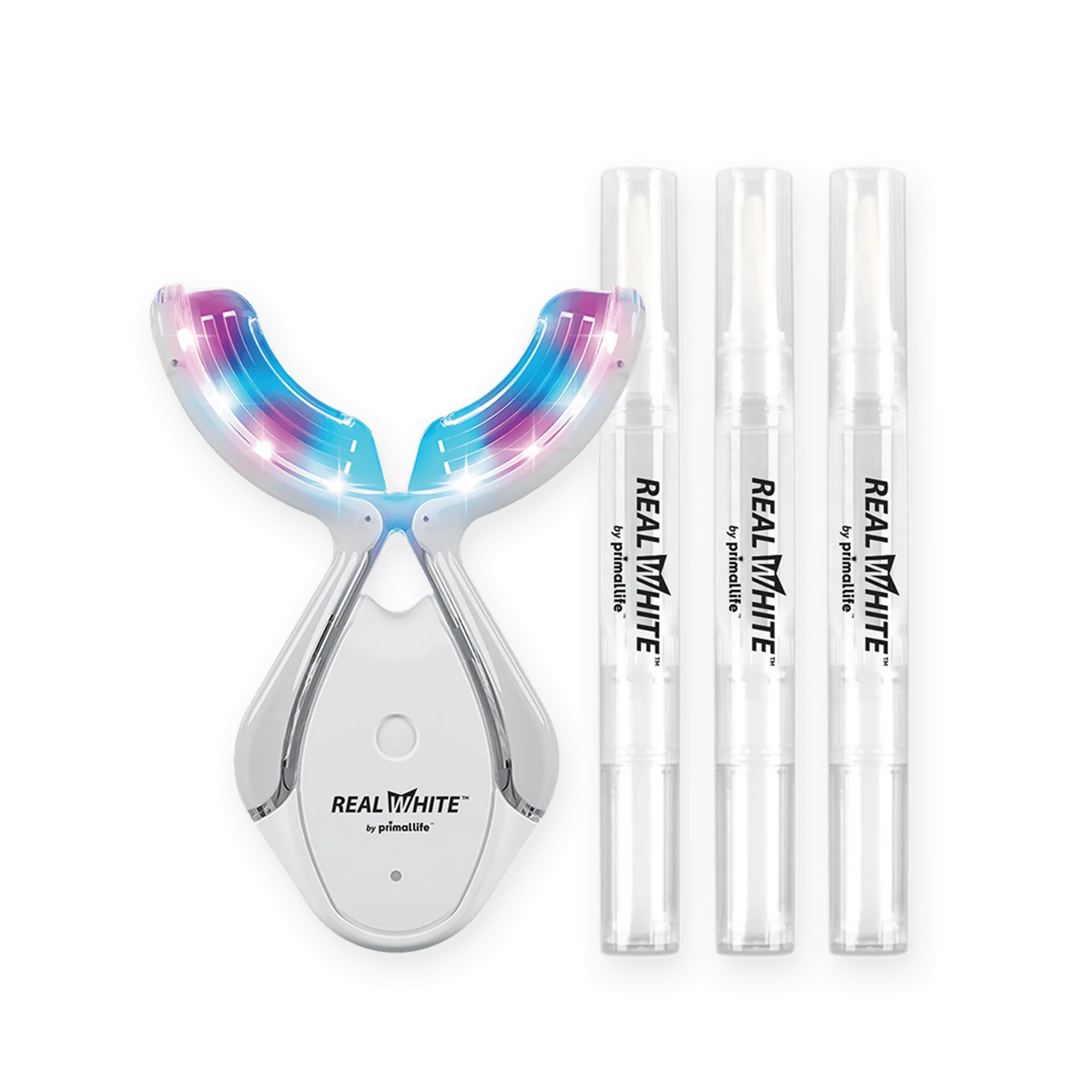
- LED Whitening Refill Pack: This bundle features two boxes of peroxide-free whitening gel pens, perfect for refilling your LED Whitening System or enhancing your oral care routine. It also includes eco-friendly charcoal dental floss picks for a deep clean and your choice of 1oz Toothpowder in Polished... The included charcoal floss picks are ideal for cleaning between brackets and under wires, complementing your toothpowder brushing routine.
Toothpowder can be a valuable addition to your oral care routine with braces, but it's not a replacement for proper brushing and flossing. Use it as part of a comprehensive approach, and always follow your orthodontist's advice. If you're unsure, start with a taster size to see if it works for you.