Mealtimes with a toddler can often feel like a battlefield. From food thrown on the floor to outright refusals of anything green, it's easy for parents to feel overwhelmed. But with the right strategies and tools, you can transform these moments into enjoyable family time. This guide offers ten practical tips to help you create stress-free mealtimes with your toddler, fostering a positive relationship with food that will last a lifetime.
As a parent, you want your little one to eat well and enjoy their meals. However, toddler feeding is rarely straightforward. Between growth spurts, changing tastes, and a desire for independence, mealtime can become a daily challenge. The good news is that with a little preparation and a lot of patience, you can navigate this phase successfully. Let's dive into these expert-backed tips.
1. Establish a Consistent Mealtime Routine
Toddlers thrive on predictability. A consistent mealtime routine helps your child know what to expect, reducing anxiety and resistance. Aim to serve meals and snacks at the same times each day. This doesn't just help with hunger cues; it also regulates their internal clock, making them more receptive to eating.
Create a pre-meal ritual that signals it's time to eat. This could be washing hands together, singing a clean-up song, or having your toddler help set the table. These small steps make the transition from playtime to mealtime smoother and more enjoyable for everyone.
- Set regular meal and snack times.
- Involve your toddler in simple pre-meal tasks.
- Use a visual schedule if needed.
2. Offer a Variety of Foods Without Pressure
It's natural to worry about your toddler's nutrition, but pressuring them to eat certain foods often backfires. Instead, offer a variety of healthy options and let your child choose what and how much to eat. This empowers them and reduces mealtime battles.
Remember, it can take multiple exposures to a new food before a toddler accepts it. Keep offering different foods without forcing them. Over time, your child will become more adventurous. Pair new foods with familiar favorites to increase acceptance.
- Introduce one new food at a time.
- Pair new foods with well-liked items.
- Avoid bribing or forcing bites.
3. Create a Positive Eating Environment
The atmosphere at the table plays a huge role in how your toddler perceives mealtime. Keep distractions to a minimum—turn off the TV, put away toys, and focus on each other. A calm, pleasant environment encourages your child to sit and eat.
Use this time to connect with your toddler. Talk about your day, ask simple questions, and laugh together. When mealtime is associated with positive interactions, your child will be more eager to participate.
- Eat together as a family whenever possible.
- Keep the table free from clutter.
- Use positive language about food.
4. Choose Toddler-Friendly Feeding Tools
The right tools can make a world of difference. Toddlers are learning to feed themselves, and utensils that are too big or slippery can be frustrating. Look for utensils designed for small hands, such as the Happy Utensils, which are ergonomically shaped and easy to grip. These encourage self-feeding and build confidence.
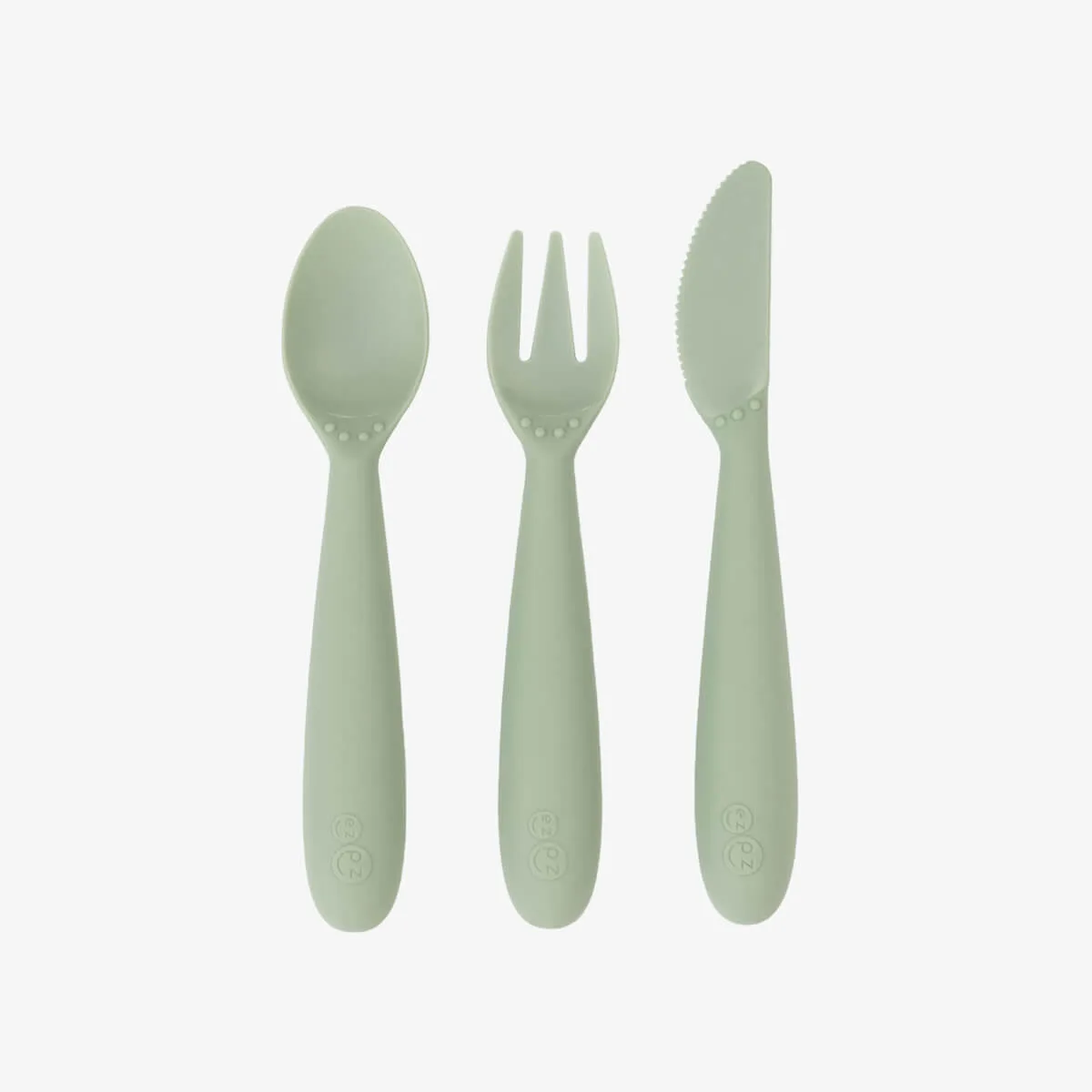
Happy Utensils
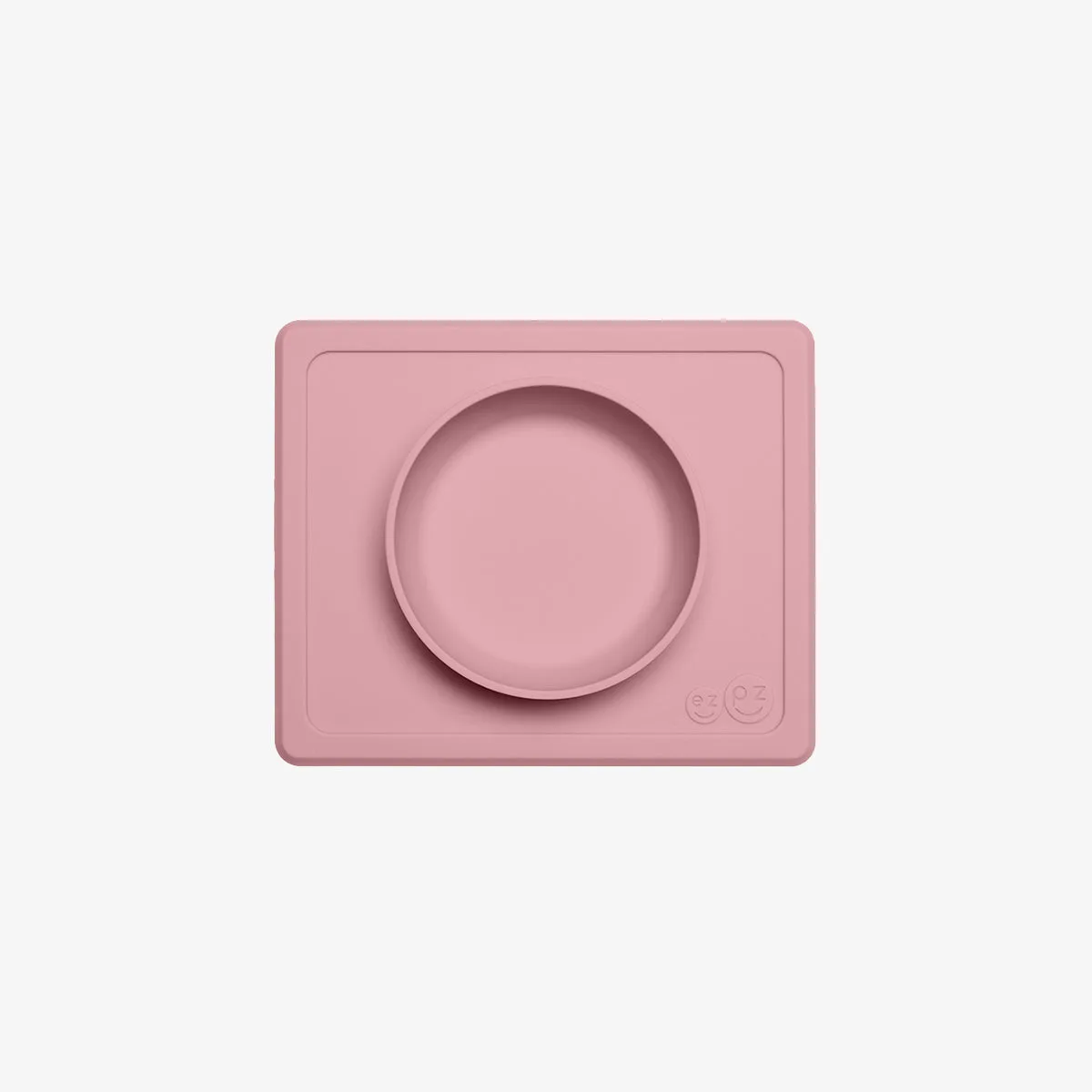
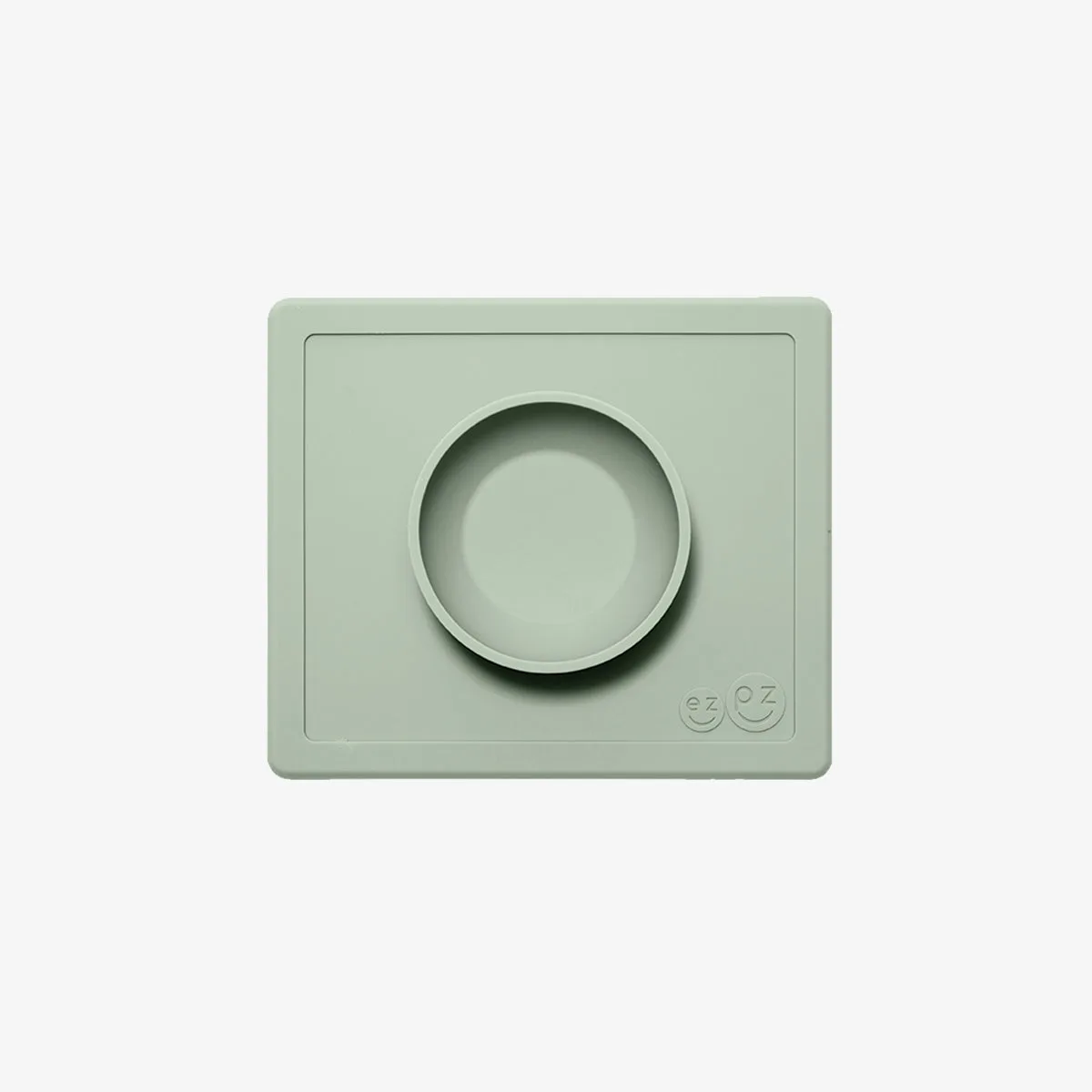
Similarly, using bowls with suction bases or divided sections can help keep food in place and make it easier for your toddler to scoop. Products like the 18oz Snack Bowls are perfect for toddler-sized portions and are durable enough for daily use.
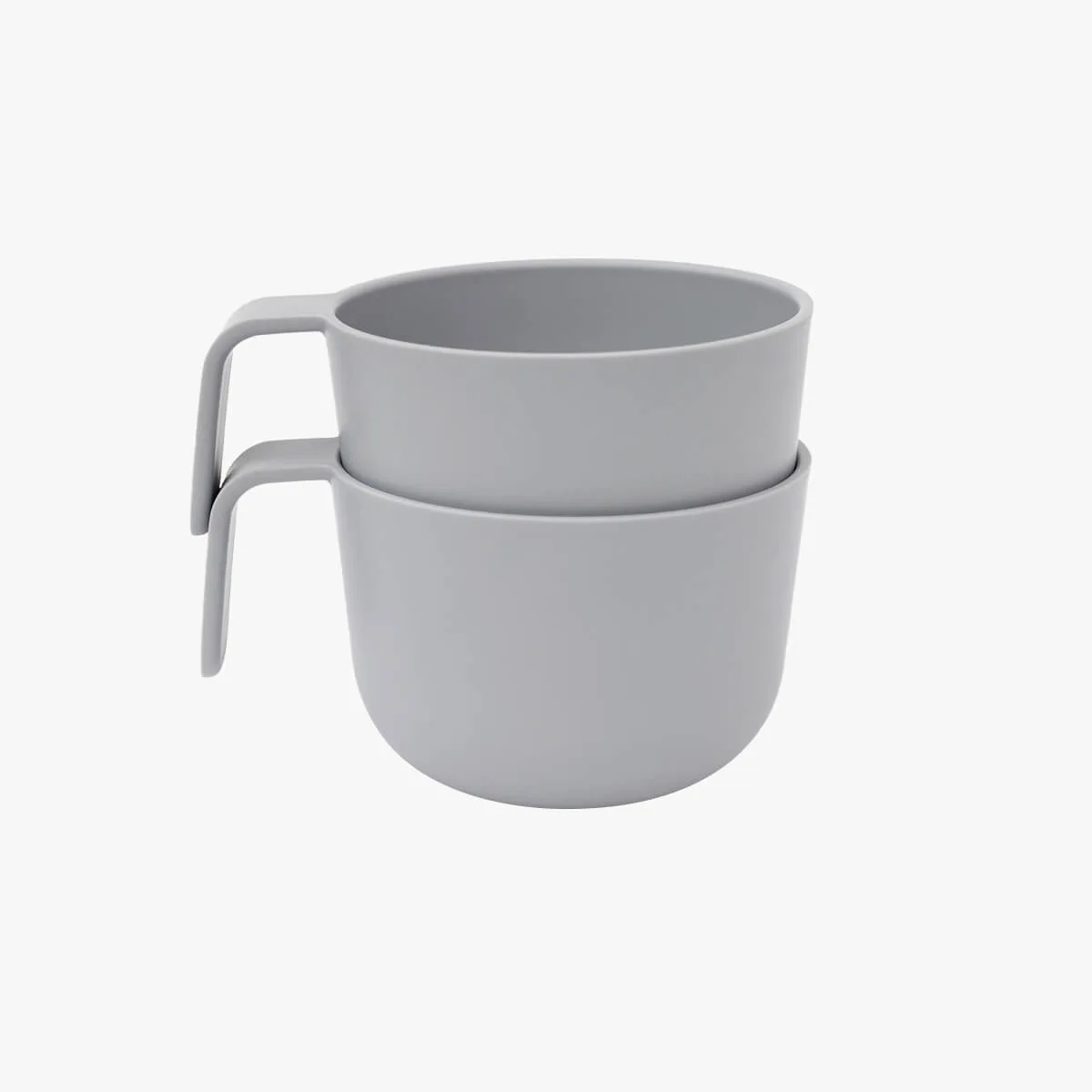
18oz Snack Bowls
- Invest in toddler-sized utensils with easy-grip handles.
- Use suction bowls to prevent spills.
- Let your toddler practice with a spoon and fork.
5. Be Patient with Picky Eating
Picky eating is a normal phase in toddlerhood. It's often a way for your child to assert independence. Instead of worrying, try to stay patient and keep offering a variety of foods. Avoid making a big deal out of what your child does or doesn't eat.
Involve your toddler in meal planning and preparation. Even simple tasks like washing vegetables or stirring a bowl can make them more interested in trying the final dish. This sense of ownership can reduce resistance.
- Don't label your child as a picky eater.
- Offer choices between two healthy options.
- Celebrate small victories, like trying a bite.
6. Set Realistic Portion Sizes
Toddlers have small stomachs and may not eat as much as you expect. A good rule of thumb is to offer about a tablespoon of each food per year of age. This prevents overwhelming your child and reduces food waste.
Let your toddler ask for more if they're still hungry. This teaches them to listen to their hunger cues and prevents overeating. Remember, growth spurts can change appetite, so be flexible with portions.
- Start with small portions and offer seconds.
- Trust your child's hunger and fullness signals.
- Don't force your toddler to clean their plate.
7. Minimize Distractions During Meals
In today's digital age, it's tempting to let your toddler watch a show while eating. However, this often leads to mindless eating and a lack of focus on food. Instead, encourage your child to engage with their meal by talking about the colors, textures, and tastes.
Turn off screens and put away electronic devices during mealtimes. This not only improves eating habits but also fosters better communication and family bonding. Your toddler will learn to appreciate food and the social aspect of eating.
- Keep mealtimes screen-free.
- Encourage conversation and interaction.
- Use mealtime as a chance to teach table manners.
8. Make Mealtimes Fun and Interactive
Toddlers are more likely to eat when they're having fun. Get creative with food presentation—cut sandwiches into fun shapes, arrange veggies into a smiley face, or serve dips that make eating an adventure. Interactive meals, like build-your-own tacos or wraps, can also be a hit.
Involve your toddler in the process by letting them choose between two options or pick a new fruit to try at the store. This gives them a sense of control and makes mealtime more engaging.
- Use cookie cutters to make fun shapes.
- Create colorful plates with a variety of foods.
- Let your toddler help with simple meal prep.
9. Stay Calm and Consistent
Your reaction to mealtime challenges sets the tone. If you get frustrated or angry, your toddler will likely mirror that emotion. Stay calm, take a deep breath, and remember that this phase will pass. Consistency is key—stick to your routines and rules, even when it's tough.
If your toddler refuses to eat, don't force it. Simply remove the food and try again at the next snack or meal. This teaches your child that mealtime is not a power struggle but a regular part of the day.
- Avoid showing frustration or anger.
- Be consistent with your expectations.
- Take breaks if you feel overwhelmed.
10. Clean Up Made Easy
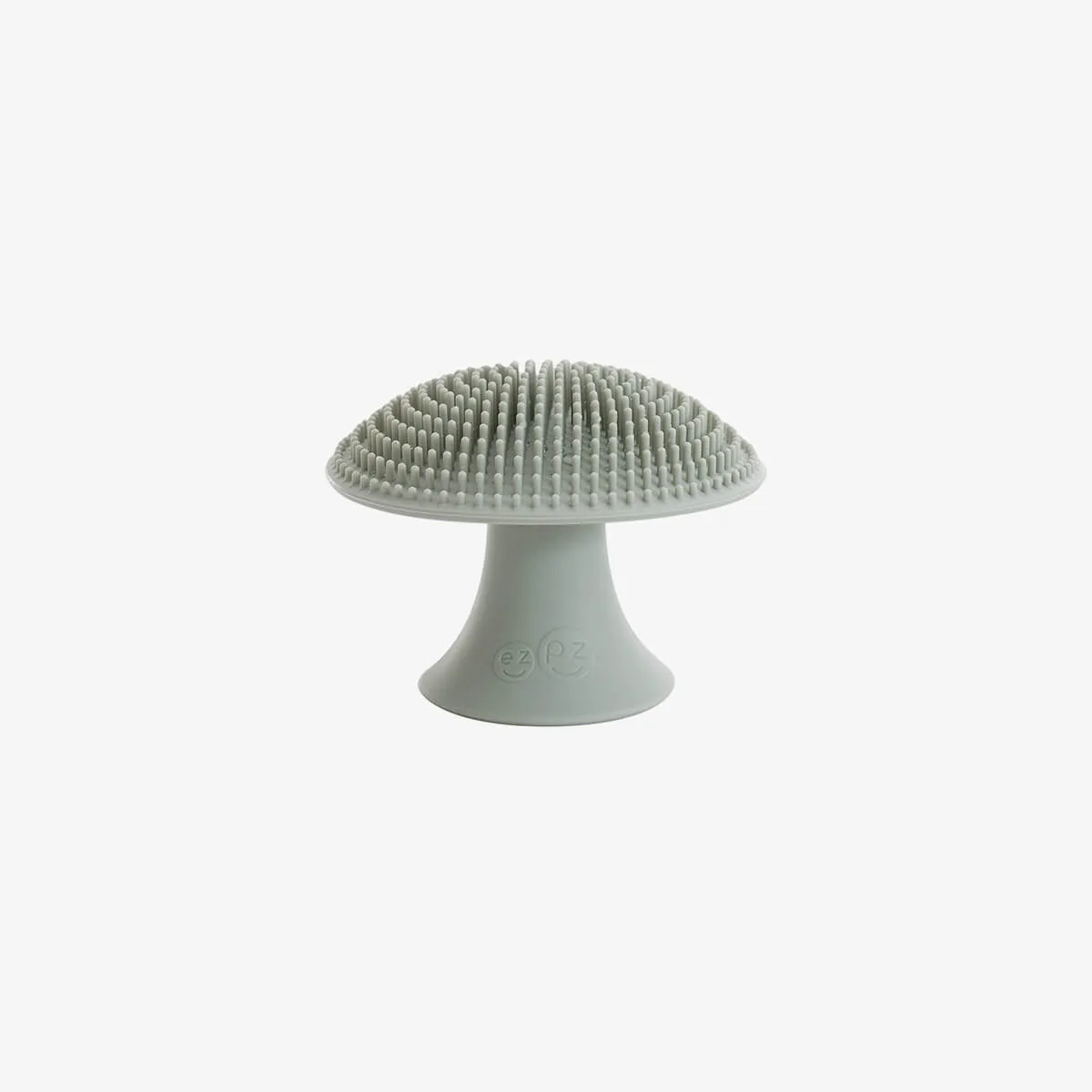
Mealtime messes are inevitable, but they don't have to be stressful. Having the right cleaning tools on hand can make cleanup quick and easy. A good bottle brush can tackle stubborn food residue on bottles and sippy cups, while a wet bag is perfect for storing dirty bibs and utensils when you're on the go.
Involve your toddler in cleanup by having them help wipe the table or put their dishes in the sink. This teaches responsibility and makes the process more fun. With the right supplies, you can minimize the mess and focus on enjoying your time together.
- Use a bottle brush for thorough cleaning.
- Keep a wet bag for on-the-go messes.
- Make cleanup a game or challenge.
Mealtimes with your toddler don't have to be a daily struggle. By implementing these tips, you can create a positive and stress-free feeding environment that benefits both you and your child. Remember, patience and consistency are your greatest allies. And with the right tools, like the Happy Utensils and 18oz Snack Bowls, you can make mealtimes more enjoyable and less messy. Start applying these strategies today, and watch your toddler's eating habits improve—one meal at a time.