Quick answer
Choose trading cards if you enjoy trading, chasing rarity tiers, and building a binder or deck. Choose blind boxes if you want a compact, displayable figure or mini scene and you are comfortable with duplicates. If you are new to collecting, start with a small blind box series that lists its lineup, then add cards once you know whether you prefer trading or displaying.
How each format decides what you get
Trading cards are usually sold in sealed packs, and the card you get is determined by the publisher's rarity distribution, not by a fixed set of designs. That means the same pack can produce a common card or a rare one, and the secondary market price of a single card can vary widely. Blind boxes work differently: a series typically contains a known number of designs, and each box hides one of them. You can often find a lineup image or checklist before you buy, so you know the possible outcomes even if you do not know which one you will receive.
This difference changes how you plan a collection. Card collectors often buy multiple packs to chase a specific rare card or to complete a numbered set. Blind box collectors often buy a full case or trade duplicates with other fans to finish a series. Neither approach is better on its own; the right one depends on whether you enjoy the chase or the completion.
Duplicates, odds, and what to expect
Duplicates are normal in both formats, but they feel different. In cards, a duplicate common card is easy to trade or set aside because it takes up almost no space. In blind boxes, a duplicate figure takes up shelf space and may be harder to move unless you have a local trading group. If you dislike duplicates, cards give you more flexibility because a binder page can hold many extras without clutter.
Odds also work differently. Card packs usually disclose rarity tiers such as common, rare, and ultra rare, and the chance of pulling a specific tier is part of the appeal. Blind box odds are usually expressed as a ratio within a case: for example, a series with seven designs might include one of each per case, plus a secret variant that replaces a standard design. That structure makes blind boxes more predictable when you buy a full case, while single boxes remain a gamble. If you want to understand blind box odds explained in practice, look for a series that publishes its case breakdown before you commit.
Display and storage: shelf space vs binder space
Blind boxes are designed to be seen. A mini figure or diorama can sit on a desk, a shelf, or inside a display case, and its small footprint makes it easy to rotate pieces seasonally. The trade-off is that dust, sunlight, and handling can affect paint and small parts over time, so you need a clean, shaded spot if you want them to stay looking new.
Cards are designed to be stored. A binder with sleeves protects corners and surfaces, and you can flip through a whole collection without taking up much room. The trade-off is that cards are less visually striking on a shelf unless you frame or display them in stands. If your main joy is looking at your collection every day, blind boxes usually win. If your main joy is organizing, sorting, and completing sets, cards usually win.
Cost per attempt and long-term value
A single blind box often costs less than a premium card pack, but the total cost to complete a series can be higher because you may need many boxes to find every design. Cards can also add up quickly if you chase rare tiers, and the resale value of a single card can be volatile. A practical approach is to set a monthly budget for each format and treat the money as spent on the experience, not as an investment.
If you want a predictable collectible with a fixed lineup, blind boxes give you a clear finish line. If you want the possibility of a high-value pull, cards offer that upside, but you should assume you will not get it. Neither format guarantees a return, and the fun should come from the collecting itself.
Trade-offs at a glance
- Trading cards: You get a sealed pack with unknown contents based on rarity distribution, which supports trading and binder building but can produce many duplicates of low-rarity cards. Best if you enjoy sorting, trading, and chasing rarity tiers.
- Blind boxes: You get one hidden design from a known lineup, which makes completion possible but means duplicates take up physical shelf space. Best if you want a displayable piece and a defined set to finish.
- Kuji: You buy a ticket for a chance at a published prize lineup, so the possible outcomes are known but the result is still random. Best if you like a tiered prize pool without the binder upkeep of cards.
Examples from our catalog
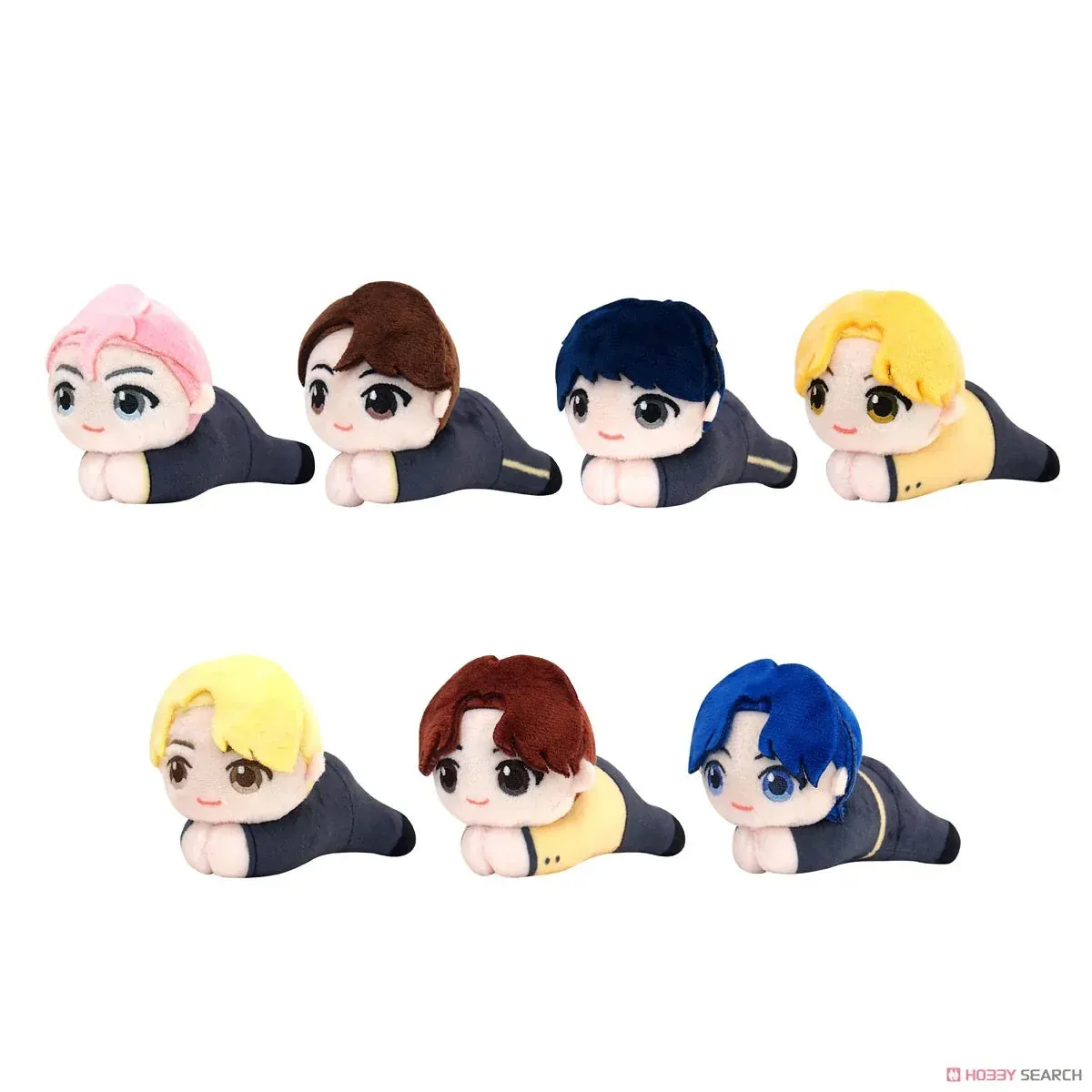
- [Blind Box] TINY TAN BUTTER HUG - Chara Collection: TINY TAN BUTTER HUG - Chara Collection is a blind box series with seven different designs to collect. A seven-design series gives you a clear checklist and a realistic target for completion, which suits collectors who like a defined finish line rather than open-ended rarity tiers.
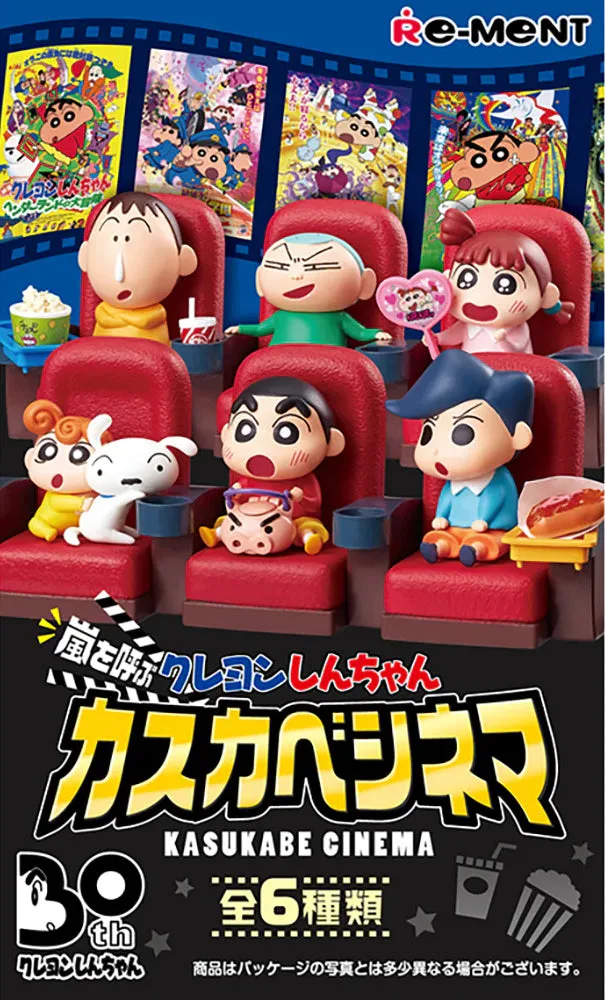
- [Blind Box] Crayon Shin-chan Calling the Storm - Kasukabe Cinema Series Re-Ment: Crayon Shin-chan Calling the Storm - Kasukabe Cinema Series Re-Ment contains miniature figures in cinema-themed scenes. Scene-based miniatures are display-first collectibles, so this format rewards collectors who want a small diorama on a shelf rather than a binder of cards.
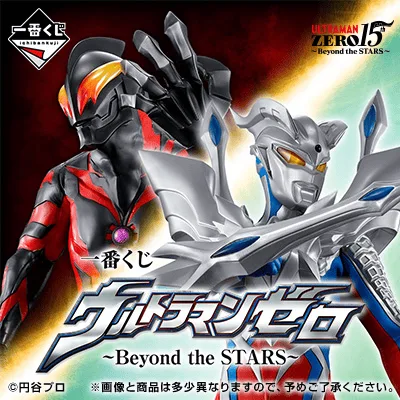
- Ichiban Kuji - Ultraman Zero - Beyond The Stars: Ichiban Kuji - Ultraman Zero - Beyond The Stars has 80 items to be won, with prize tiers including MASTERLISE figures. Kuji sits between cards and blind boxes: you buy a chance at a tiered prize lineup, so it appeals to collectors who want a known prize pool but still enjoy a draw.
Which should you start with?
Choose this if
- You want to trade duplicates and build a binder or deck: start with trading cards.
- You want a small, displayable collectible and a clear series checklist: start with a blind box series like TINY TAN BUTTER HUG.
- You enjoy a draw with a published prize lineup and do not mind randomness: try a Kuji like Ultraman Zero - Beyond The Stars.
Skip this if
- You dislike duplicates and have no local trading group: cards may frustrate you less than blind boxes, but both can repeat.
- You want a guaranteed specific character or card: neither format lets you choose the exact item in a sealed pack or box.
- You have very limited shelf space: cards store more compactly than blind box figures.