Two Different Jobs, One Door
If you've installed a dog door but your pup won't use it, or you need to keep your dog safely inside his kennel at certain times, you have two specialized accessories to consider. The Trainer Door Stop and Dog Door Locks serve very different purposes, so choosing between them depends entirely on the problem you're trying to solve. This comparison explains what each product does, when it's the right fit, and what the supplied information does not confirm.
What Each Product Does
-
Trainer Door Stop: Training Aid for Timid Dogs & Puppies: Holds the door away from the frame just a bit to encourage the dog to push through. Durable one piece construction. Just pop it on the top of the door and tighten it with the screw. The Trainer Door Stop is a training tool, not a security device. It helps a fearful dog learn to use the door by keeping it slightly open, so the dog can nudge through without the door closing on him.
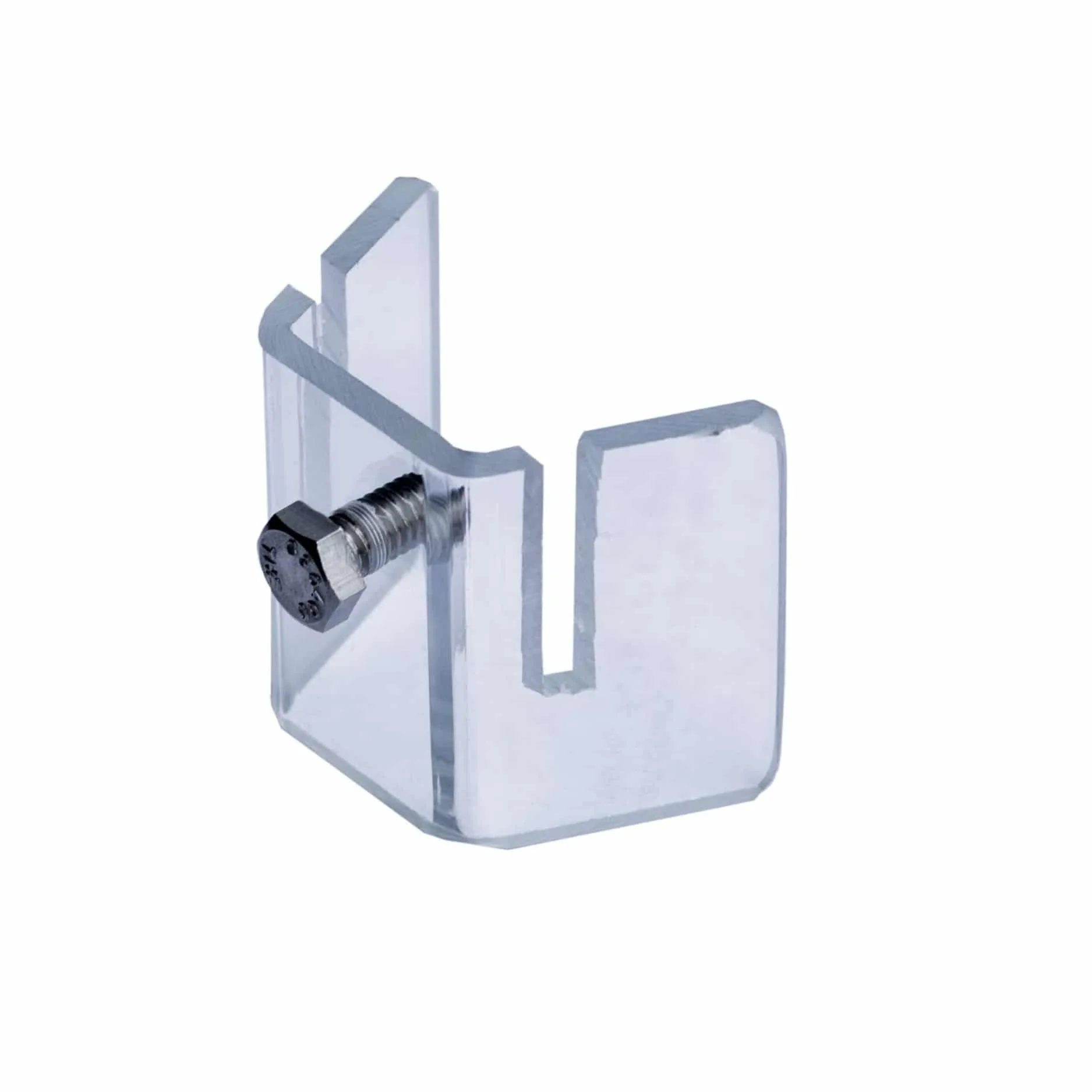
Trainer Door Stop
-
Dog Door Locks: Is your dog’s home fully outfitted with a doggy door? There are times when your dog should stay in his home for his own safety. You can secure the lock in place and leave your property knowing that your dog is kept safe and secure. Dog Door Locks are for security and confinement. They let you restrict your dog's access through the door when you're away, during a deep clean, or whenever it's safer for your dog to stay inside.
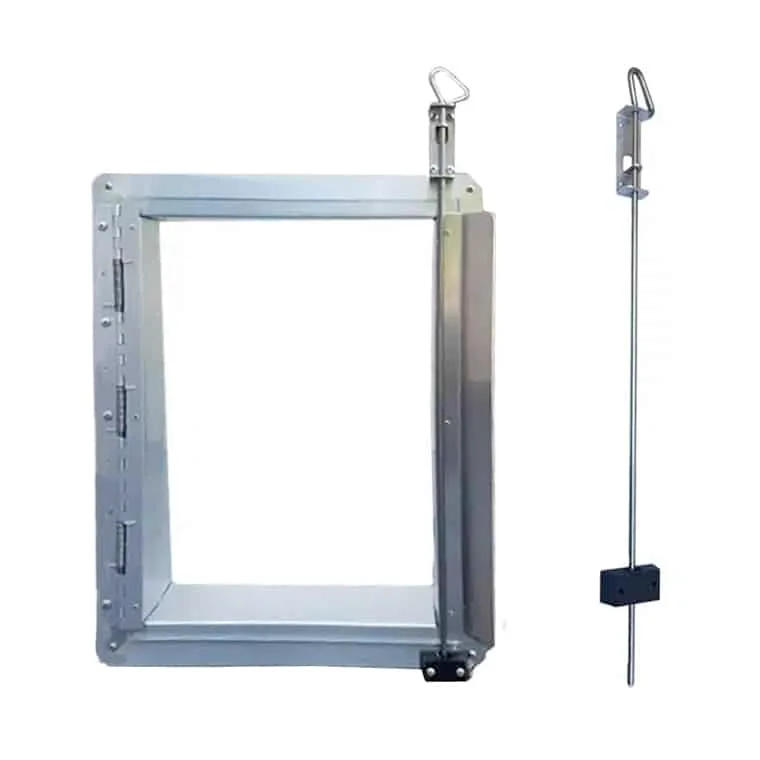
Dog Door Locks
When to Choose the Trainer Door Stop
The Trainer Door Stop is for the specific situation where you've installed a dog door but your puppy or timid dog is too scared to use it. The supplied information describes it as a durable, easy-to-install device that pops onto the top of the door and tightens with a screw. It holds the door slightly open so the dog can learn to push through with his nose. Over time, even the most timid pup should become accustomed to the dog door. This is a training aid, not a permanent fixture, and its purpose is to make the dog door a positive, gradual experience.
When to Choose Dog Door Locks
Dog Door Locks are for times when you need to keep your dog inside his kennel for his own safety. The supplied evidence mentions using the lock during a deep clean of the kennel to prevent your pup from nosing around and getting away from you. It also notes that there are times when your dog should stay in his home for his own safety, such as when you cannot supervise him outside. The lock secures the door so your dog cannot come and go freely. This is a security and confinement tool, not a training aid.
Trainer Door Stop vs Dog Door Locks: Quick Comparison
Both accessories attach to a dog door, but their functions and use cases are completely different. The table below summarizes the key differences based on the supplied information.
- Purpose: Trainer Door Stop: Training aid to help a timid dog learn to use the door. Dog Door Locks: Security device to restrict access for safety or cleaning.
- When to Use: Trainer Door Stop: When your dog is afraid of the door and needs gradual exposure. Dog Door Locks: When you need to confine your dog inside the kennel, such as during cleaning or when unsupervised.
- Installation: Trainer Door Stop: Easy installation – pop onto the top of the door and tighten with a screw. Dog Door Locks: Installation details are not supplied, but it is a lock mechanism for the door.
- Effect on Dog: Trainer Door Stop: Encourages the dog to push through, building confidence. Dog Door Locks: Prevents the dog from exiting or entering, providing security.
- Duration of Use: Trainer Door Stop: Temporary training aid until the dog is comfortable. Dog Door Locks: Used as needed for security, not as a training tool.
Can You Use Both?
Yes, because they solve different problems. You might use the Trainer Door Stop for a few days or weeks to help your puppy learn the door, then later install Dog Door Locks for times when you need to secure the kennel. The supplied information does not confirm whether both can be installed on the same door simultaneously, but since one holds the door open and the other locks it, they are not designed to be used at the same time. Use them as separate solutions for separate needs.
What the Catalog Does Not Confirm
The supplied information does not include dimensions, weight limits, or material specifications for either product. It does not confirm compatibility with specific door sizes or brands. For the Dog Door Locks, installation instructions are not provided. For the Trainer Door Stop, the evidence does not specify how long the training period typically lasts or whether it works for all dog breeds. If these details are important to your decision, you may need to contact the manufacturer or check the product packaging.