Quick answer
Treat the switch as a rig-wide upgrade, not a wheel swap. Check your cockpit's rigidity and mounting pattern, pick a direct drive base and wheel that match your driving style, then start with low force feedback strength and rebuild your settings from scratch. If you want a proven pairing, a bundle like the https://gomezsimindustriesem.com/products/fpe-v2-simucube-bundle-ea2520f9bea9aec90e4ef0eb-1687149FPE V2 + Simucube 2 Pro Bundle removes the guesswork about wheel-to-base compatibility.
A belt-driven wheel communicates force feedback through belts and pulleys, which softens and slightly delays what you feel. A direct drive wheel removes that linkage and drives the rim directly, so the same in-game forces arrive faster and more cleanly. That difference is the point of the upgrade, and it is also why the transition takes more than unplugging one base and plugging in another.
The steps below cover the parts of the change that actually trip people up: checking whether your cockpit can hold a stronger base, choosing a wheel that suits your driving, mounting it correctly, and retuning force feedback instead of copying old settings. Work through them in order and the upgrade stays predictable.
What actually changes when you remove the belts
Belt-driven bases rely on belts and pulleys to transfer motor torque to the wheel. That mechanism absorbs some of the sharpness and adds a small amount of lag, which is why belt-driven feedback often feels rounded. A direct drive base couples the motor to the rim far more directly, so fine details like tire load and curb strikes arrive with more definition and less filtering.
The practical consequence is that you feel more, sooner. That is a real advantage for catching slides and reading grip, but it also means every flaw in your settings, your mounting, and your seating position becomes more obvious. Plan for a short adjustment period rather than expecting to be instantly faster.
- Keep your old base until the new one is mounted, tuned, and confirmed working.
Check your cockpit before you buy the base
A stronger base puts more load into the rig, so flex that was invisible with a belt-driven wheel can show up as vibration, rattle, or a wheel deck that moves under load. Before ordering, inspect the wheel deck, the uprights, and the seat mounting for movement, and tighten anything that has worked loose over time. If your cockpit is on the lighter side, budget for bracing or an upgrade as part of the same purchase.
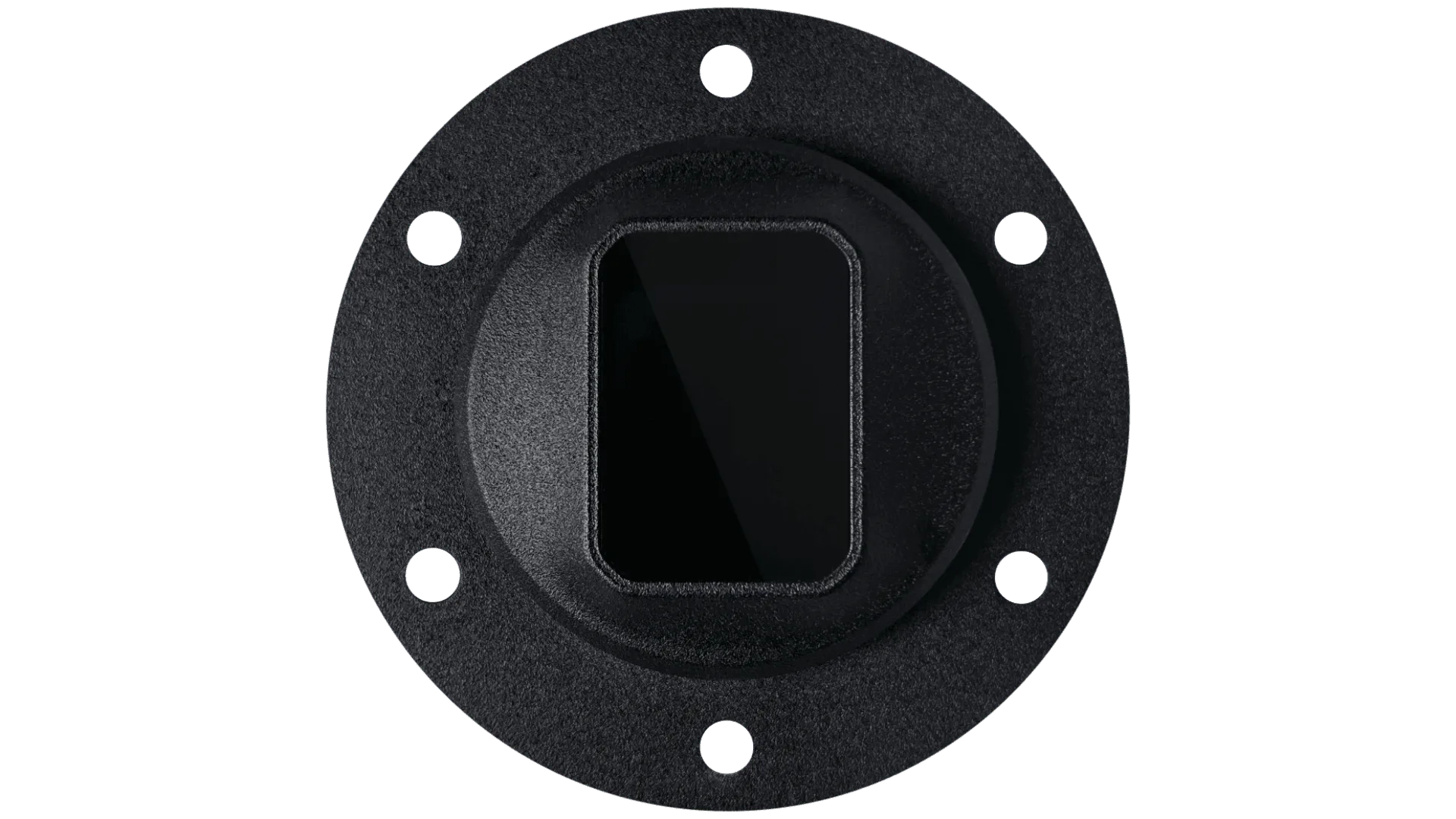
Also confirm the mounting pattern and bolt hardware your cockpit uses. Direct drive bases are heavier and often use a different bolt pattern than entry-level belt bases, so an adapter plate or a new deck may be needed. Measuring before you buy avoids a base sitting in its box while you wait for parts.
- Push and pull the wheel deck by hand and watch for movement at the joints, not just at the rim.
Choose the wheel and base as one system
The rim matters as much as the base. A heavier rim dulls the response of a direct drive motor, while a lighter one lets you run lower force feedback strength for the same feel. Think about what you drive most: a formula-style rim suits open-wheel and GT cars, while a round rim gives you more rotation for rally, drifting, or older cars. Buying a bundle takes the compatibility question off the table because the wheel and base are already matched.
If you are unsure how much to spend, remember that the base sets the ceiling and the rim shapes the feel. The GSI X-29 is described as an entry-level sim racing wheel built around price-to-performance, which makes it a sensible way to get onto a direct drive base without overspending on the rim first.
- Decide your primary car type before choosing rim shape, not after.
Mount the base properly and route cables with slack
Mount the base to a rigid surface using the correct bolts and washers, and tighten in a cross pattern so the load is even. Leave a small amount of slack in every cable so that force feedback movement never pulls on a connector. Route cables away from moving parts and away from your feet, and use cable ties or clips rather than letting them hang.
Once mounted, rotate the wheel through its full range by hand before powering on. If you feel binding, rubbing, or a cable pulling tight at either end, fix it now. This check takes a minute and prevents damaged connectors later.
- Do a full lock-to-lock rotation by hand before the first powered session.
Retune force feedback from zero, not from your old profile
Your belt-driven settings were shaped around a softer, slower mechanism, so copying them across usually produces either a numb wheel or a violent one. Start with low overall strength, then raise it gradually until you can feel the front tires loading without fighting the wheel. Add detail and damping in small increments, and change one setting at a time so you know what each one did.
Give yourself a few sessions before judging the result. Direct drive feedback rewards smooth inputs, and many drivers find they need to reduce steering aggression rather than increase force. If the wheel feels harsh over curbs, that is usually a settings issue, not a hardware limit.
- Change one setting per session so you can attribute the difference.
Settle in and decide what to upgrade next
After a week or two, reassess. If you are consistently running out of buttons or controls, a more feature-dense rim may be the next step. If you already own a GSI rim and want to change its look or legends, small parts matter too: the Artemis Labels are spare labels designed for Artemis wheels with the Hybrid or Custom legend configurations, and they are not designed for the UV Printed version, so check which version you own before ordering.
Resist the urge to change base, rim, and pedals at once. One change at a time keeps your reference point intact and makes it clear whether the upgrade actually helped.
- Keep a short written note of your final settings so you can return to them after any change.
Your belt-driven to direct drive upgrade, step by step
- 1. Audit the rig: Check the wheel deck, uprights, and seat mounts for flex, and confirm the bolt pattern your cockpit accepts. Tighten anything loose before the new base arrives. Checkpoint: if the deck moves by hand, brace it before mounting a direct drive base.
- 2. Pick the wheel and base together: Match rim shape to your main car type and rim weight to the force feedback strength you want to run. A matched bundle removes compatibility doubt. Mistake to avoid: buying a heavy rim and then discovering you need high strength to feel anything.
- 3. Mount and cable with slack: Bolt the base down evenly, leave slack in every cable, and route wiring clear of moving parts and your feet. Checkpoint: rotate lock to lock by hand and listen for rubbing or binding.
- 4. Rebuild force feedback from low: Start with low overall strength and raise it gradually, adding detail and damping one setting at a time across several sessions. Mistake to avoid: importing belt-driven settings unchanged, which usually feels either numb or violent.
- 5. Reassess after two weeks: Decide whether the next upgrade is controls, a different rim, or nothing at all. Change one component at a time so you can judge the result. Next step: write down your final settings so you can return to them later.
Products that fit this transition
- FPE V2 + Simucube 2 Pro Bundle: The FPE V2 is described as a complete overhaul rather than a simple upgrade, combining a lightweight design, customizable features, and tactile responsiveness. A lighter, responsive wheel lets you run lower force feedback strength for the same detail, which is easier on your rig and your arms during long stints.
- Hyper P1 + Simucube 2 Pro Bundle: The Hyper P1 is described as a motorsport-driven design built with top-tier materials and construction, positioned as the top of the GSI lineup. If you want the rim to be the last part you replace, this is the tier to compare against before spending twice.
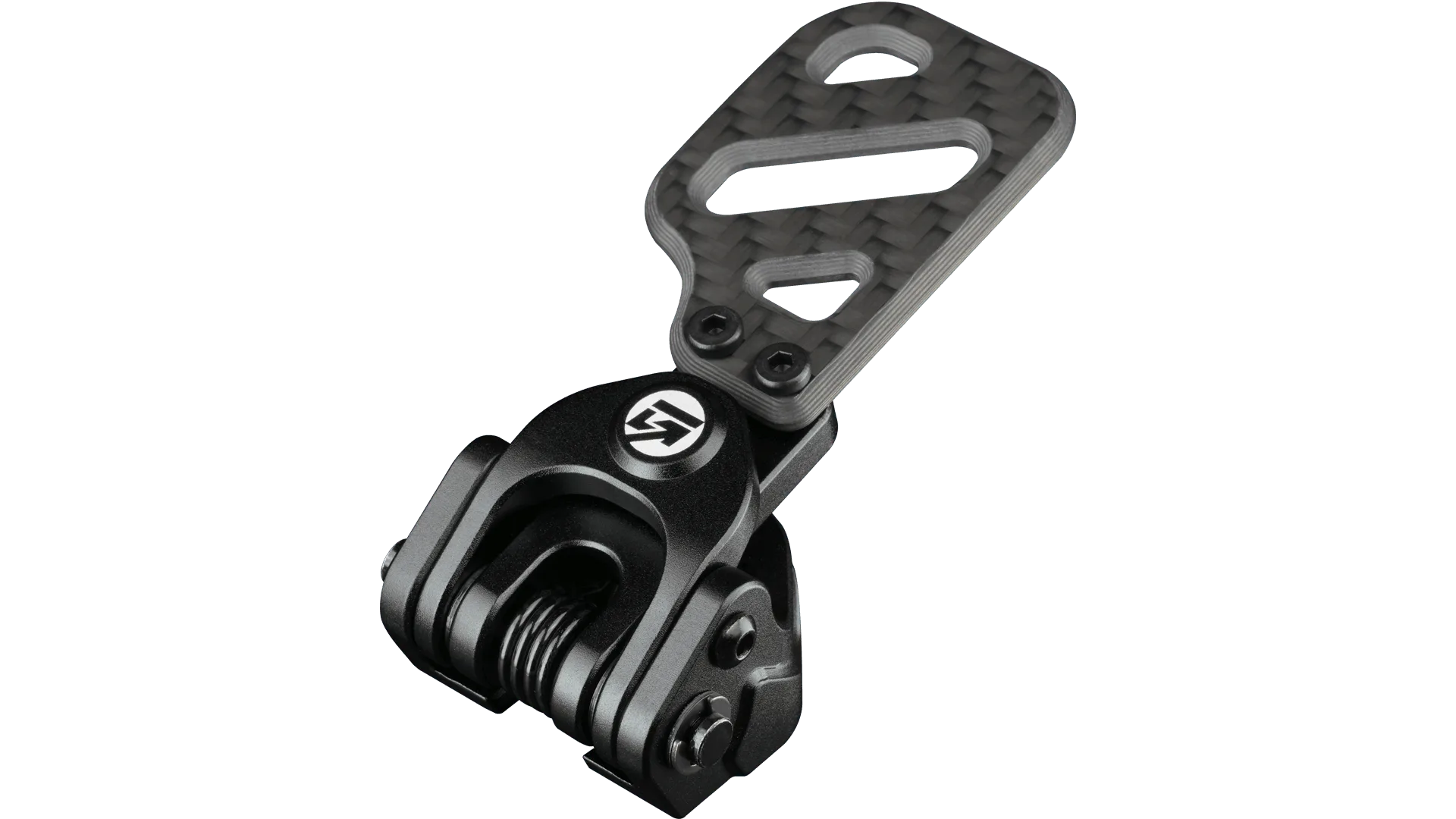
- Interlock Base Module + Rim / Prime + Simucube 2 Pro Bundle: The Interlock Base Module + Rim is described as the most straightforward way to start with Interlock, pairing the modular core with a GSI rim, with the option to add paddle shifters, clutches, or the LED Matrix. A modular core lets you add controls later instead of replacing the whole wheel, which spreads the cost of the upgrade.
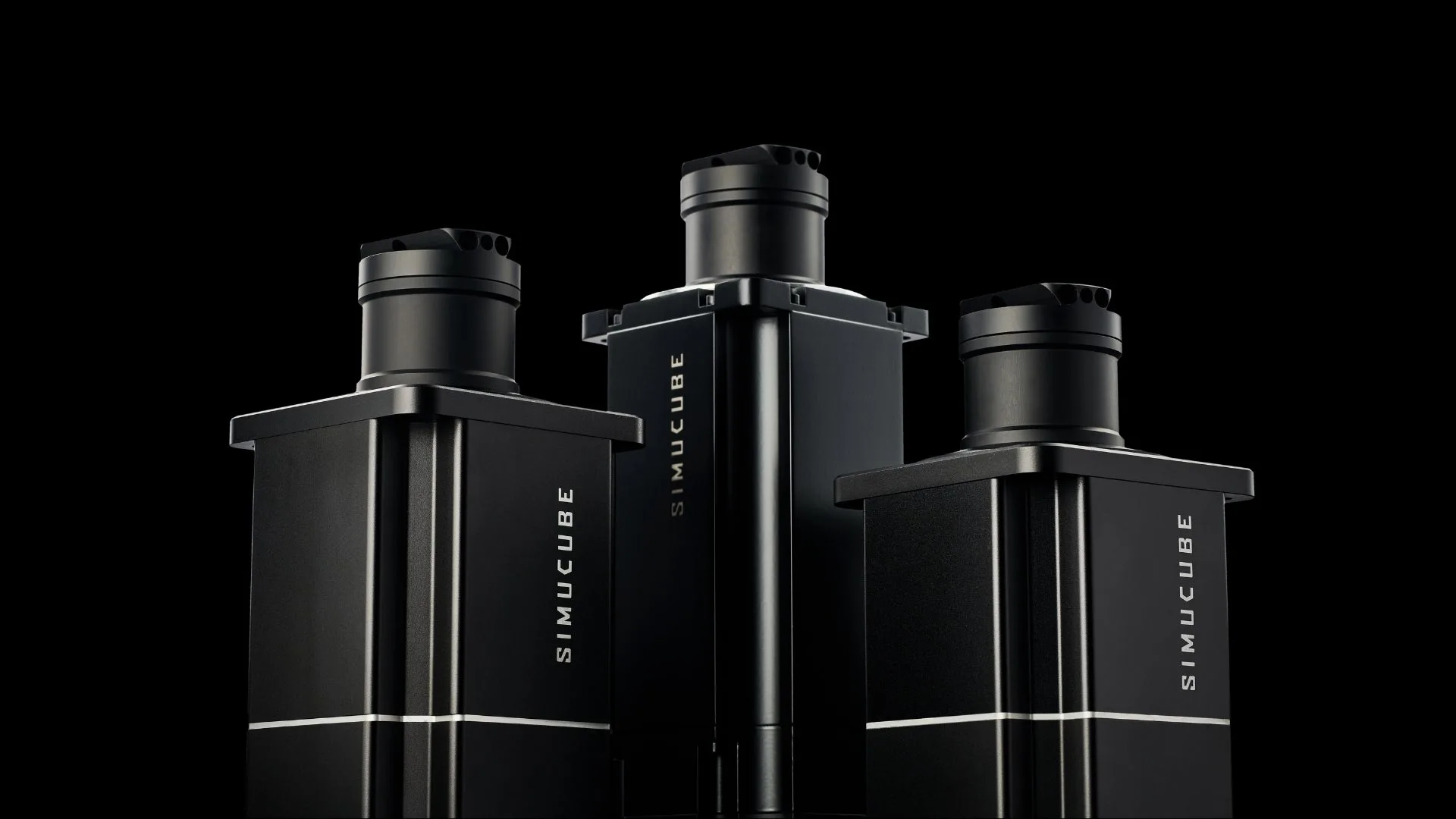
- Simucube 2: Simucube 2 wheelbases are described as built to stand the test of time using high-grade hardware, so you do not need to worry about them breaking or shutting down mid-race. Reliability matters more after an upgrade, because a mid-race failure costs you the session you just invested in.
The move from belt-driven to direct drive is mostly a planning exercise: rigid rig, matched wheel and base, careful mounting, and settings built from scratch. Get those right and the extra detail you paid for actually reaches your hands.