Quick answer
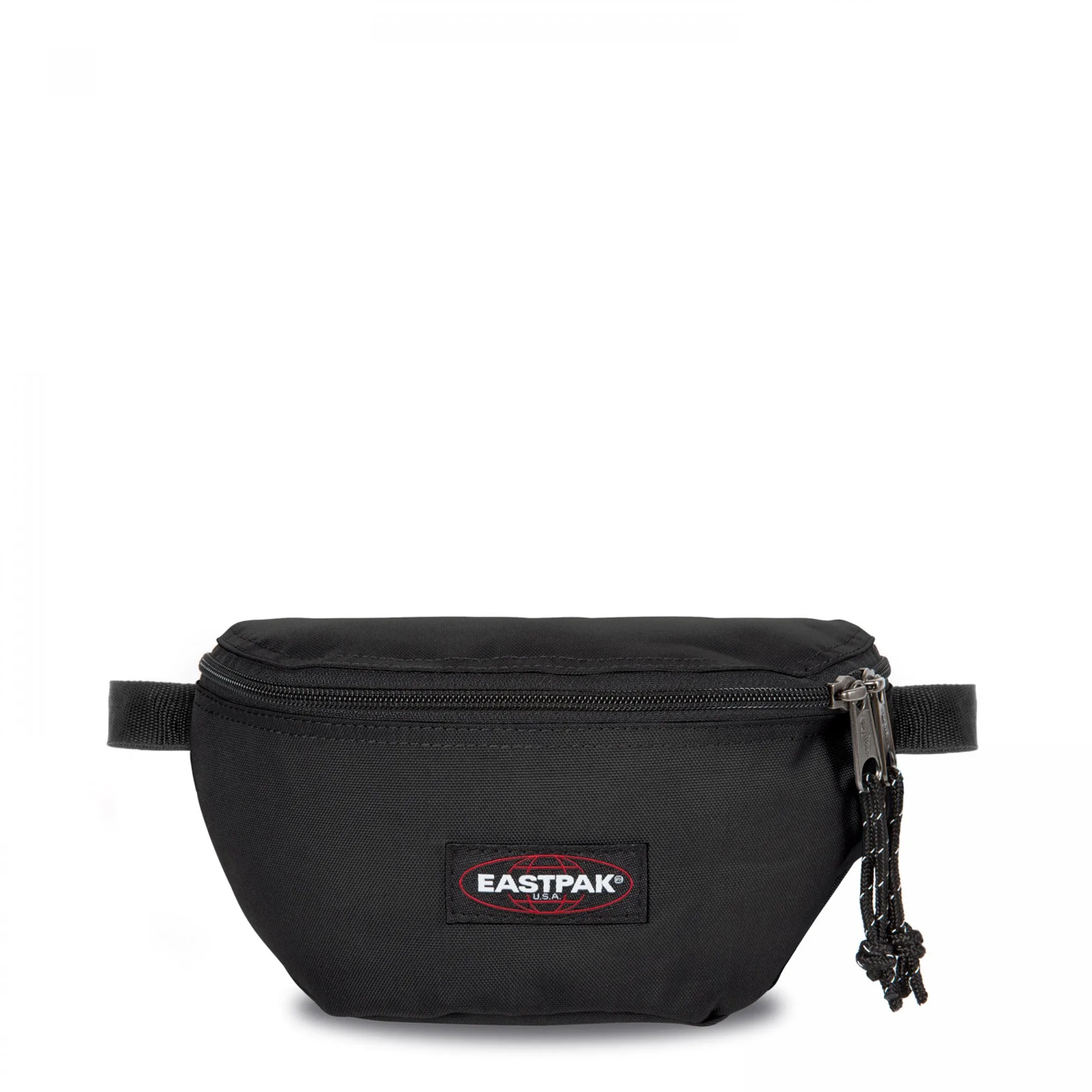
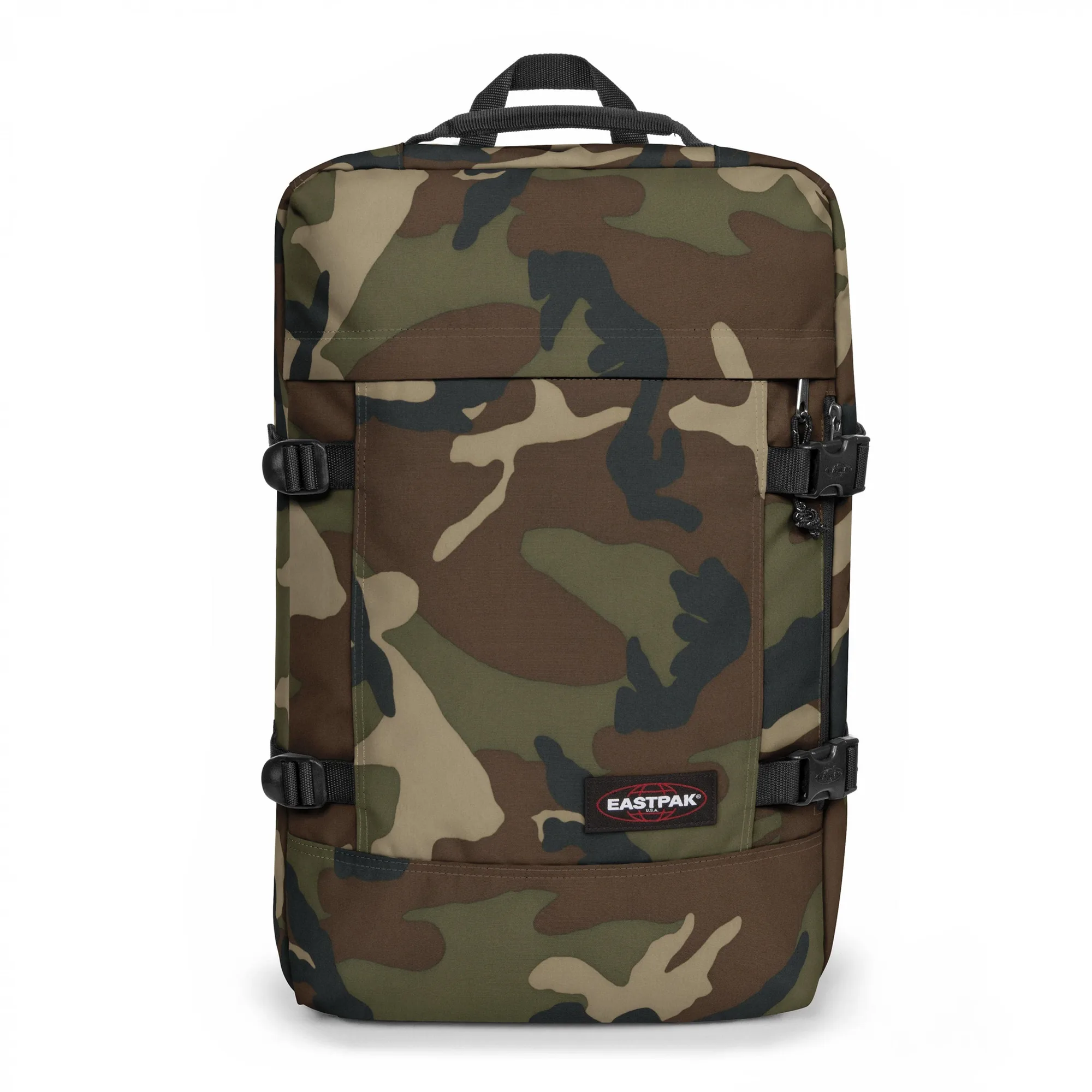
Pack travel accessories in three layers: a hands-free carrier for documents and phone, one soft bag that matches your trip length, and small organizers that keep everything findable. If you only add two items, make them a waistpack like the SPRINGER BLACK and a soft travel bag sized to your longest leg of the trip, such as the TRAVELPACK CAMO or ESSENTIALS SPORT DUFFEL CEMENT.
Most packing mistakes are not about forgetting things. They are about bringing accessories that duplicate each other or do not fit the way you actually move through airports, trains, and hotel rooms. A good travel accessory list is short, layered, and chosen for one specific trip.
This guide gives you decision rules rather than a generic checklist. Use the trade-offs below to decide which travel essentials earn space in your bag, and which ones you can leave at home.
Start with your carrying layers, not a checklist
Every trip needs three carrying layers: something on your body for immediate items, a main bag for clothing and gear, and small organizers inside that bag. If two items do the same job, drop one. A waistpack worn across the chest and a shoulder bag both hold a phone, but only one should come on a short city break.
Match the main bag to the longest single leg of your trip, not the total number of days. A weekend train trip and a two-week flight itinerary need different main bags even if both are 'travel.' Write down your longest leg, then choose the bag that handles it comfortably.
- Lay out every accessory you plan to bring and remove anything that duplicates another item's job.
- Decide your main bag before buying small accessories, so the organizers actually fit.
Choose a hands-free carrier for documents and phone
A waistpack is the most flexible small carrier for travel because it can sit at your waist or across your body, and it leaves both hands free for luggage. Look for a zippered main compartment, an adjustable belt, and a water repellent finish if you will be outside in unpredictable weather.
The trade-off is capacity. A waistpack holds essentials, not a tablet and a water bottle. If you need to carry a laptop or a full day of supplies, a shoulder bag or tote is the better layer, and the waistpack becomes your in-transit pouch instead.
- Wear the waistpack across your body in crowded areas and move it to your waist when seated.
- Keep passport, phone, and one payment card in the main compartment, not in outer pockets.
Pick a main bag by trip length and entry style
Duffels and travel backpacks solve different problems. A duffel gives you one wide opening and easy packing for clothing, while a travel backpack with tuck-away straps can be worn through a station or airport and then carried like a bag. Decide which motion you will repeat most: packing flat, or walking with the bag on your back.
Entry style matters more than capacity on short trips. Vertical zip entry keeps items from spilling when the bag is upright, while a top-loading backpack forces you to unpack to reach the bottom. If you repack every morning, choose the entry that lets you see the whole contents at once.
- Measure your longest trip leg and choose the smallest bag that fits it.
- Check for a laptop sleeve only if you actually travel with a laptop.
Add small packing accessories that earn their space
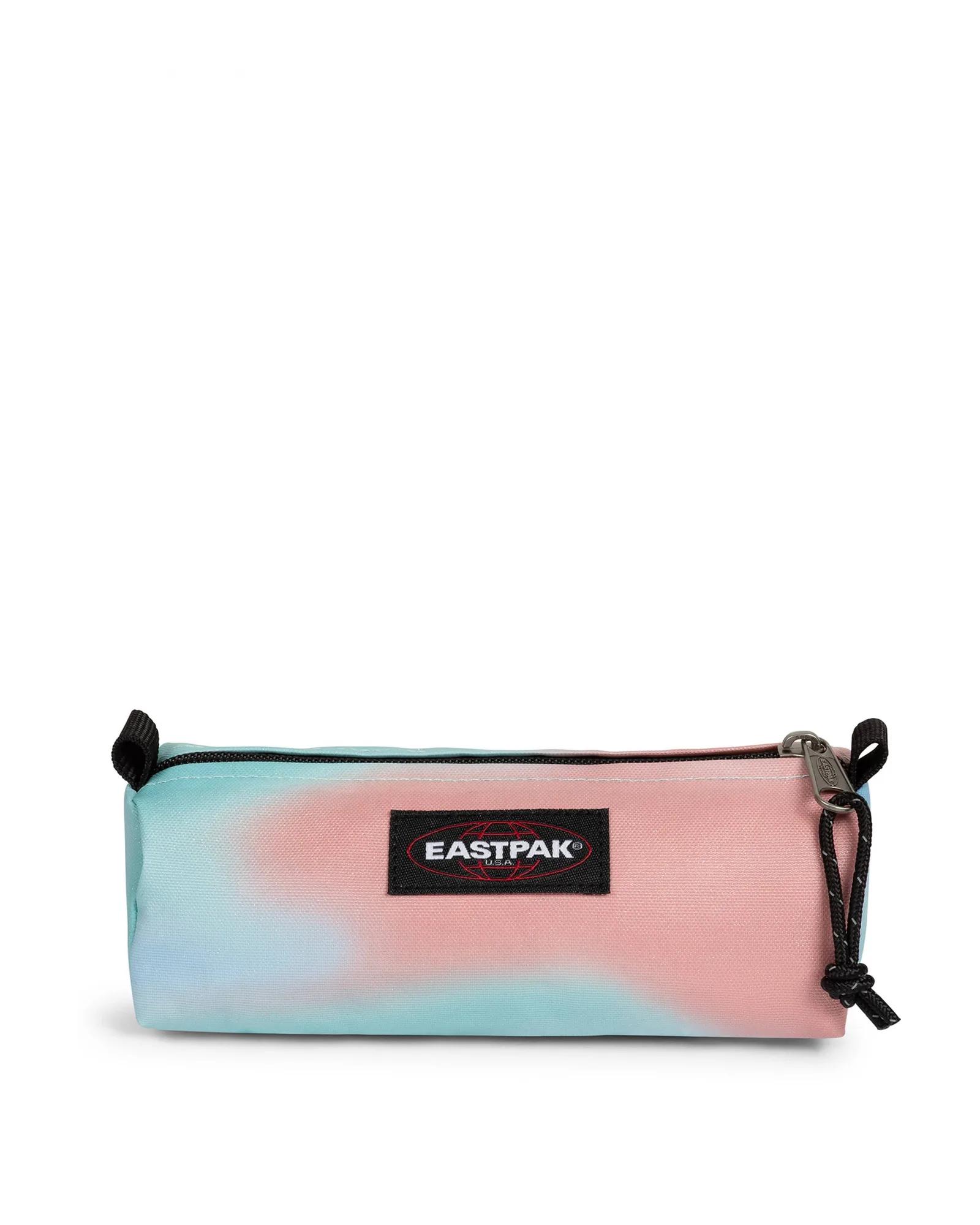
Small accessories should separate categories, not add bulk. A compact pencil case works well as a cable and adapter pouch because it has a zippered opening and a water repellent finish, and it fits inside a backpack or duffel without wasting room.
The trade-off is that every organizer adds weight and one more thing to open. Limit yourself to two small pouches: one for cables and chargers, one for toiletries or medication. If you cannot name what goes inside a pouch before you buy it, skip it.
- Use one pouch for cables and adapters and a separate one for liquids to speed up security checks.
- Choose pouches with a zippered closure so small items do not escape in transit.
Match accessories to how you move
A traveler who walks between hotels needs different gear than someone who drives to a resort. Walking trips favor a backpack or cross body carry with padded straps, because you will wear the bag for hours. Resort trips favor a tote or duffel that stays in the room and a small waistpack for the pool and dinner.
Weather is the second filter. Water repellent finishes matter if you will be outside in rain or snow, but they do not replace a dry bag for boats or heavy downpours. Read the catalog facts for each item and only rely on features that are actually listed.
- For walking-heavy trips, prioritize padded straps and a secure zippered main compartment.
- For resort or car trips, prioritize easy packing and a small hands-free bag for evenings.
Decision rules for packing travel accessories
- If your longest leg is under four hours: Choose a waistpack or cross body bag plus a personal item, and skip the large duffel. You will not need a full change of clothes in transit. Small carrier plus personal item is enough.
- If you will walk more than you pack: Prioritize a backpack or a bag with padded straps, and keep the waistpack for immediate items. Duffels without backpack straps get uncomfortable fast on long walks. Padded straps beat extra capacity on walking trips.
- If you repack every morning: Choose a bag with wide or vertical entry so you can see and reach everything without emptying it. Top-loading bags slow you down on multi-stop trips. Entry style matters more than liters on multi-stop trips.
- If you carry a laptop: Check the listed sleeve size before buying. A 17-inch sleeve fits larger devices than a 15-inch sleeve, and a bag without a listed sleeve is not a laptop bag. Match the sleeve size to your device, or carry the laptop separately.
- If you are unsure about a small accessory: Name the exact items it will hold before you buy it. If you cannot list them, the pouch will become clutter instead of organization. One clear job per accessory, or leave it home.
Travel accessories worth considering
- SPRINGER BLACK: Compact bumbag with a zippered main compartment, adjustable belt, drawcord pullers, and a water repellent finish. It covers the hands-free layer for documents and phone, and the adjustable belt lets you wear it at the waist or across the body depending on the situation.
- TRAVELPACK CAMO: 2-in-1 travel bag with two main compartments, a zip-fastening front pocket, a 17-inch laptop sleeve, a bottle holder, and tuck-away shoulder straps. It works as a carry-on for weekend trips and gives you both backpack and bag carrying options without packing a second bag.
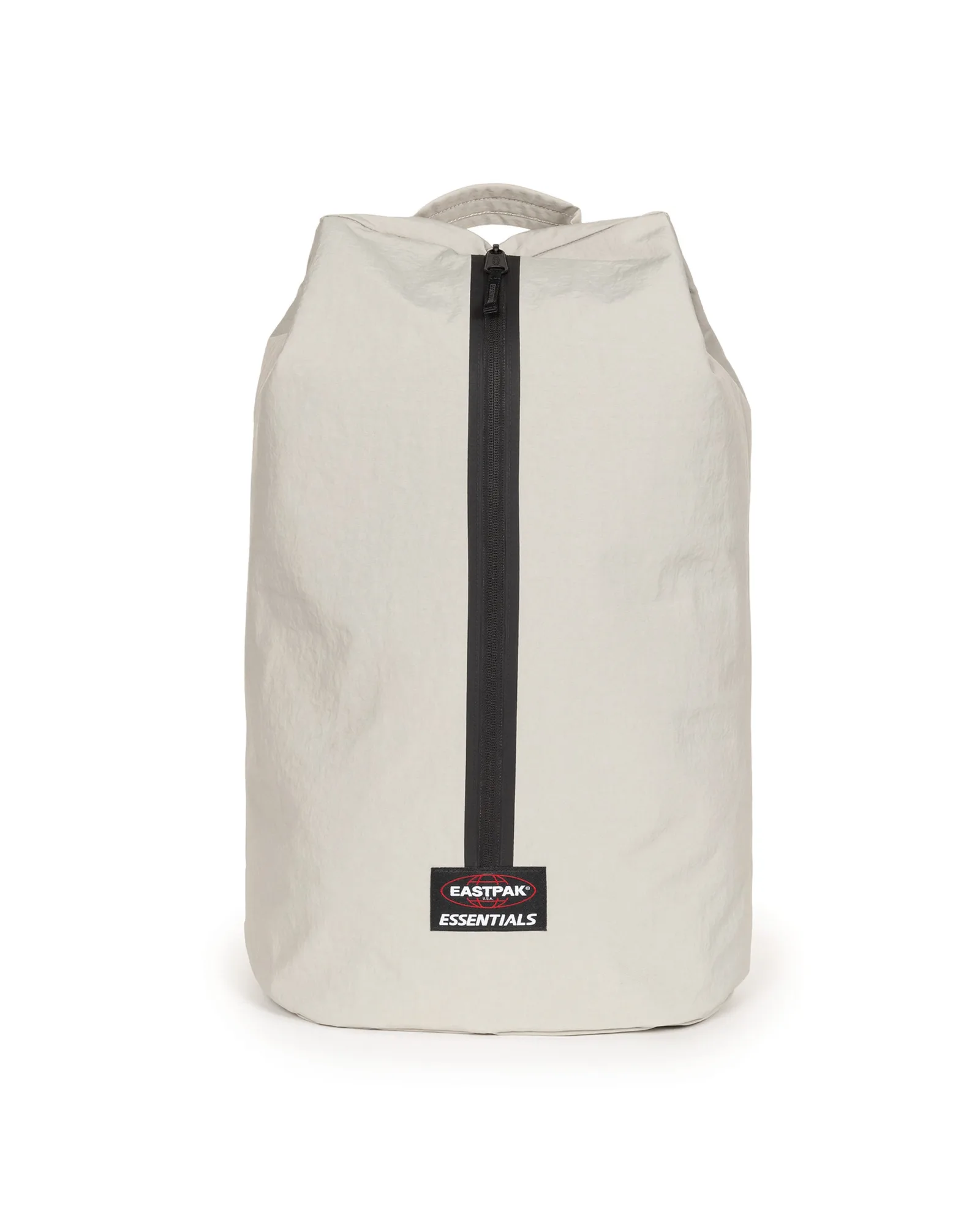
- ESSENTIALS SPORT DUFFEL CEMENT: Lightweight nylon duffel with vertical zip entry to the main compartment, a rear-entry laptop sleeve for devices up to 15 inches, and padded adjustable shoulder straps. The vertical entry keeps contents contained when the bag is upright, and the padded straps make it comfortable to carry through a station or airport.
- BENCHMARK SINGLE SPARKLY GRADIENT: Compact pencil case with a zippered opening, durable polyester construction, water repellent finish, and dimensions of 2.4 by 8.1 by 2.9 inches. The slim shape fits inside a backpack or duffel and keeps cables, adapters, or pens separated without adding bulk.
Who this travel accessory approach fits
Best for
- Travelers who want a short, layered accessory list instead of a full packing checklist
- Weekend and short-haul trips where carry-on size and hands-free carrying matter
- People who repack often and need bags with clear entry and easy access
Not for
- Expedition or boat travel that requires waterproof dry bags rather than water repellent finishes
- Travelers who need a hard-shell case with built-in locks for checked luggage
- Anyone who prefers a single large checked bag and no small carriers
Build your travel accessory list around three layers, then cut anything that duplicates a job. Match the main bag to your longest leg, keep one hands-free carrier for essentials, and add only the small pouches you can fill with named items. That approach keeps your packing light and your gear easy to find.