Quick Answer
For most dogs, car anxiety is either motion sickness or a learned fear of where the car leads. Treat the cause, not the whining: secure your dog in a crash-tested crate or harness, build calm with short non-vet trips, and stop if your dog drools heavily, vomits, or panics before you even start the engine. If a vet visit, medication, or a behavior professional is needed, that is a legitimate next step, not a failure.
Is It Motion Sickness or Fear?
The two look similar in the rearview mirror but need different fixes. Motion sickness shows up as drooling, lip licking, yawning, vomiting, and a tucked tail, and it often starts within the first few minutes of movement. Fear-based car anxiety shows up as trembling, panting, pacing, trying to climb into the front seat, or refusing to get in at all, and it often starts before the car moves. A dog can have both, especially if every ride has ended at the vet.
- Motion sickness: symptoms peak while the car is moving and ease once you stop.
- Fear: symptoms start at the door, the leash, or the sound of keys.
- Both: your dog may be fine on short errands but panics on long highway drives.
Set Up the Car Before You Set Up the Trip
Safety and calm go together. An unrestrained dog can become a projectile in a crash and can also pace, whine, and climb because nothing is holding a steady position. Use a crash-tested crate or a harness that has been tested for crash safety, and place it so your dog can lie down flat. Covering the crate with a light sheet can reduce visual stimulation on busy roads, but leave enough airflow. Keep the temperature comfortable and avoid feeding a full meal within two hours of departure.
- Crate or harness: choose one that is crash-tested, not just comfortable.
- Position: flat, stable, and out of direct sun.
- Airflow: never cover a crate completely in warm weather.
Build Calm in Ten-Minute Sessions
If your dog only rides to the vet or the boarding kennel, the car predicts something unpleasant. Break that association with repetitions that go nowhere. Start by sitting in the parked car with the engine off, feed a few treats, and get out. Next, start the engine and sit for a minute. Then drive around the block and return home. Do this several times a week, and keep the sessions under ten minutes. The goal is not distance; it is a dog who can lie down and relax while the car moves.
- Parked, engine off: 2–3 minutes, then done.
- Engine on, not moving: 1–2 minutes.
- Around the block: 5–10 minutes, then home.
The Dog Travel Checklist That Prevents Most Problems
Pet travel preparation is mostly about preventing surprises. Before any road trip with dog, confirm your destination allows dogs, pack water from home to avoid stomach upset, and bring a familiar blanket or toy. Secure identification with a collar tag and a microchip that has your current phone number. Plan rest stops every two to three hours so your dog can walk, drink, and eliminate. If your dog takes medication for anxiety or motion sickness, test it at home first, because some drugs cause drowsiness or the opposite.
- Water from home and a travel bowl.
- Collar tag plus up-to-date microchip registration.
- Rest stops every 2–3 hours.
- A familiar blanket or crate pad.
- Any medication tested at home before the trip.
When to Stop and Choose Another Option
Some dogs do not tolerate car travel, and forcing it is unkind. If your dog vomits repeatedly, drools so much that he soaks his bedding, or panics to the point of trying to escape the crate, stop the session and talk to your veterinarian. A vet can rule out nausea, prescribe motion sickness medication, or refer you to a veterinary behaviorist. For dogs who cannot be made comfortable, a pet sitter or a trusted boarding facility may be a better choice than a long drive. That is a legitimate decision, not a failure of training.
- Stop if your dog vomits more than once in a short trip.
- Stop if your dog injures himself trying to escape the crate.
- Choose a sitter or boarding if your dog cannot settle after several weeks of gradual training.
Diagnosis: What Your Dog's Car Behavior Is Telling You
- Drooling, lip licking, vomiting within minutes of moving: This points to motion sickness. Feed a light meal at least two hours before travel, keep the crate low and stable, and ask your vet about motion sickness medication if symptoms persist. If vomiting continues after two or three short practice drives, see your vet.
- Trembling, panting, refusing to get in, even before the engine starts: This points to fear or a bad association. Start with parked-car sessions and short trips that end at home or somewhere fun, never at the vet. If your dog will not eat treats in the parked car, the fear is strong enough to need a behavior professional.
- Pacing, climbing into the front seat, whining only on long drives: This often means the dog cannot settle because of confinement, boredom, or discomfort. Use a crash-tested crate or harness, add a familiar blanket, and schedule breaks every two to three hours. If your dog settles after a break but panics again within ten minutes, the issue may be the restraint setup, not the travel itself.
Helpful Resources
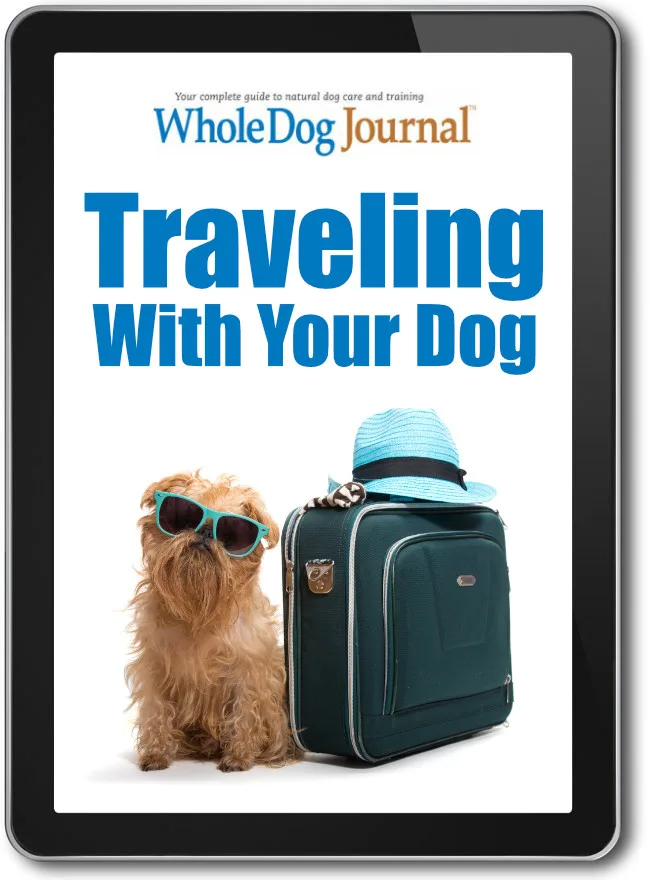
- Traveling with your Dog: Stress-Free Travel with your Dog is a Read Away ebook that covers pre-trip research and advice from canine experts and veterinarians. Useful if you want a structured plan for a specific trip rather than general tips.
- Dog Dangers: Dog Dangers is an ebook about common risks for injury or illness in different environments. Helps you spot hazards at rest stops, hotels, and unfamiliar destinations before they become problems.