Quick answer
An unpainted treasure chest is a single scatter terrain piece you paint yourself, which keeps the cost low and lets you match your existing dungeon palette. Use it as a visual focal point for loot, a quest objective, or a trap trigger. Expect to spend one short painting session on it, then seal it before regular table use.
A treasure chest is one of the few terrain pieces that changes how players behave the moment you set it down. It creates a decision: open it, ignore it, or check it for traps first. Unpainted versions cost less than painted ones and give you control over the wood, metal, and highlight colors so the chest fits the rest of your dungeon instead of standing out as a mismatched prop.
This guide covers what you actually receive with an unpainted chest, how to prep and paint it without overworking a small piece, and five concrete ways to use it as scatter terrain. If you already own painted terrain, the process below still works; you are just matching an existing palette rather than inventing one.
What you get with an unpainted chest
Unpainted scatter pieces arrive as bare Dwarvenite, the same durable material used across Dwarven Forge sets. You get the chest itself and nothing else: no paint, no base, no instructions. That is the tradeoff. You save money and gain color control, but you supply the primer, paints, and brush time. If you want a piece that is table-ready out of the box, a painted version is the better fit.
Because the piece is small, it is a good first painting project if you have been hesitant to paint larger sets. A chest has clear zones, lid, body, bands, and lock, so you can practice base coating, washing, and dry brushing on a low-risk object. If you ruin it, you have lost a few dollars and an evening, not a full room set.
- Check the piece for mold lines or flash before priming; a few seconds with a hobby knife saves a visible seam later.
- Wash bare Dwarvenite with mild soap and water, then let it dry fully so paint adheres evenly.
How to paint an unpainted chest in one session
Work in thin layers. Start with a primer made for the material, then base coat the wood in a mid-brown and the metal bands in a dark gray or bronze. Do not try to paint highlights on the first pass; let the base dry, then apply a dark wash into the recesses. The wash does most of the work on a small piece by creating shadow in the plank lines and around the lock.
Once the wash is dry, dry brush a lighter brown over the wood grain and a metallic tone over the bands. Keep the brush nearly dry so you catch only the raised edges. Finish with a matte varnish if you want a worn look, or a satin varnish if you want the metal to read as polished. Let everything cure fully before the chest goes into a storage bin with other pieces.
- Common mistake: flooding the wash. On a small chest, too much wash pools and looks muddy instead of shaded.
- Checkpoint: hold the chest at arm's length. If the wood and metal read as separate materials from that distance, you are done.
Five ways to use a chest as scatter terrain
The simplest use is loot. Place the chest at the end of a room and let the players decide how to approach it. Because it is a physical object, it draws attention in a way a verbal description does not. You can also use it as a quest objective: the party needs what is inside, not the chest itself, which gives you a reason to move them through the dungeon.
For traps, a chest is a natural trigger. Put it slightly off-center, or place it where the floor looks different. For faction play, a chest can mark whose territory the room is, especially if you paint the bands in a color tied to a specific group. Finally, use it as a reward marker during a boss fight: when the boss falls, the chest is already on the table and the loot moment happens without a pause.
- Pair the chest with a texture mat or floor tiles so it does not float on a bare table.
- If you use a grid, keep the chest on a square edge rather than straddling lines so movement and range stay clear.
Where a chest fits in your terrain collection
Scatter pieces like a chest are the cheapest way to add variety to a table you already own. They do not replace core sets; they decorate them. If you are building a dungeon from scratch, buy floors and walls first, then add a chest or two. If you already have coverage, a chest is a low-cost upgrade that changes how players read a room.
One practical limit: a single chest is a single focal point. Two or three in the same room dilutes the effect and starts to look like storage rather than treasure. Keep them rare so the moment lands.
- Store the painted chest in a bin with other pieces rather than loose in a bag to protect the finish.
- If you play in multiple locations, a chest is small enough to keep in a travel kit without taking up room.
Five-step process for an unpainted chest
- Inspect and clean: Check the chest for mold lines or flash and trim them with a hobby knife. Wash the bare Dwarvenite with mild soap and water, then let it dry completely. Checkpoint: no visible seams and no moisture before you prime.
- Prime and base coat: Apply a primer made for the material, then base coat the wood in mid-brown and the bands in dark gray or bronze. Keep layers thin. Common mistake: spraying too close and filling the plank detail with primer.
- Wash the recesses: Apply a dark wash into the plank lines, around the lock, and along the band edges. Let it dry fully before touching the piece. Checkpoint: shadow reads in the recesses without pooling on flat surfaces.
- Dry brush highlights: Dry brush a lighter brown over the wood grain and a metallic tone over the bands. Keep the brush nearly dry so only raised edges catch paint. Common mistake: loading the brush and painting over the wash instead of highlighting.
- Seal and store: Apply a matte or satin varnish and let it cure fully. Store the finished chest in a bin with other pieces rather than loose in a bag. Next step: place it on a texture mat or floor tiles so it sits in the scene rather than on a bare table.
Product facts
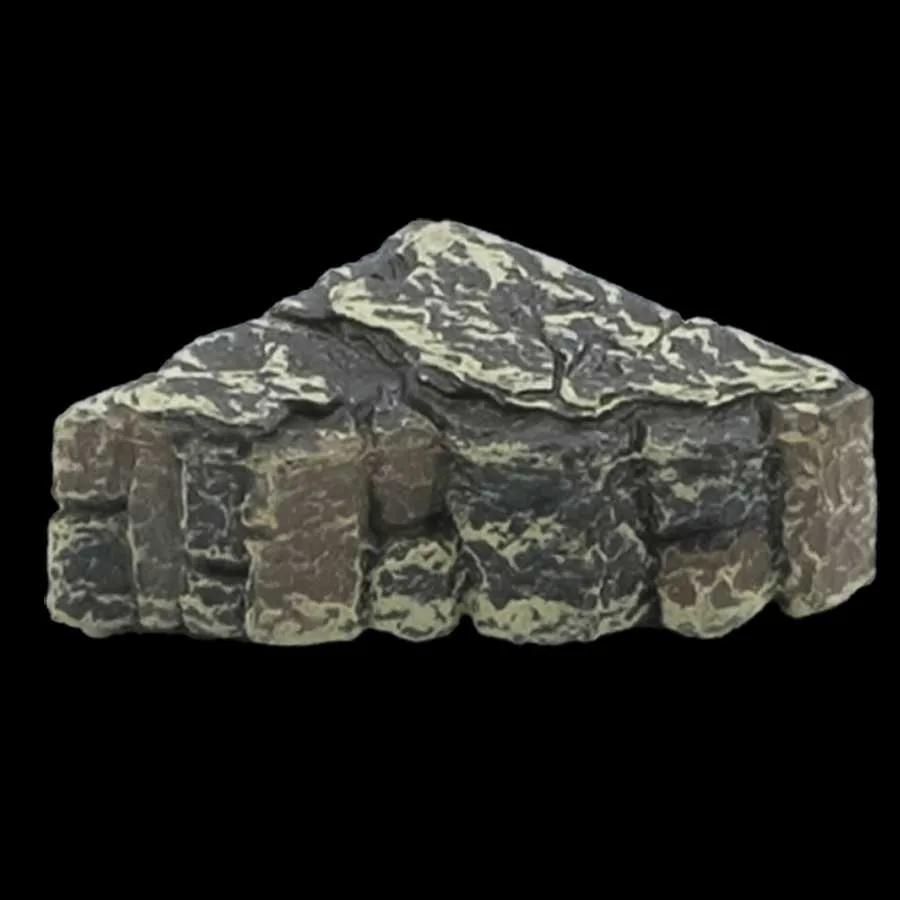
- Short Outside Curve Ledge (Painted): Individual Piece category, catalog price USD 2.62 with a catalog comparison price of USD 5.25. Shows that individual painted pieces can cost only a few dollars, so a scatter chest is an inexpensive addition even if you buy painted rather than unpainted.
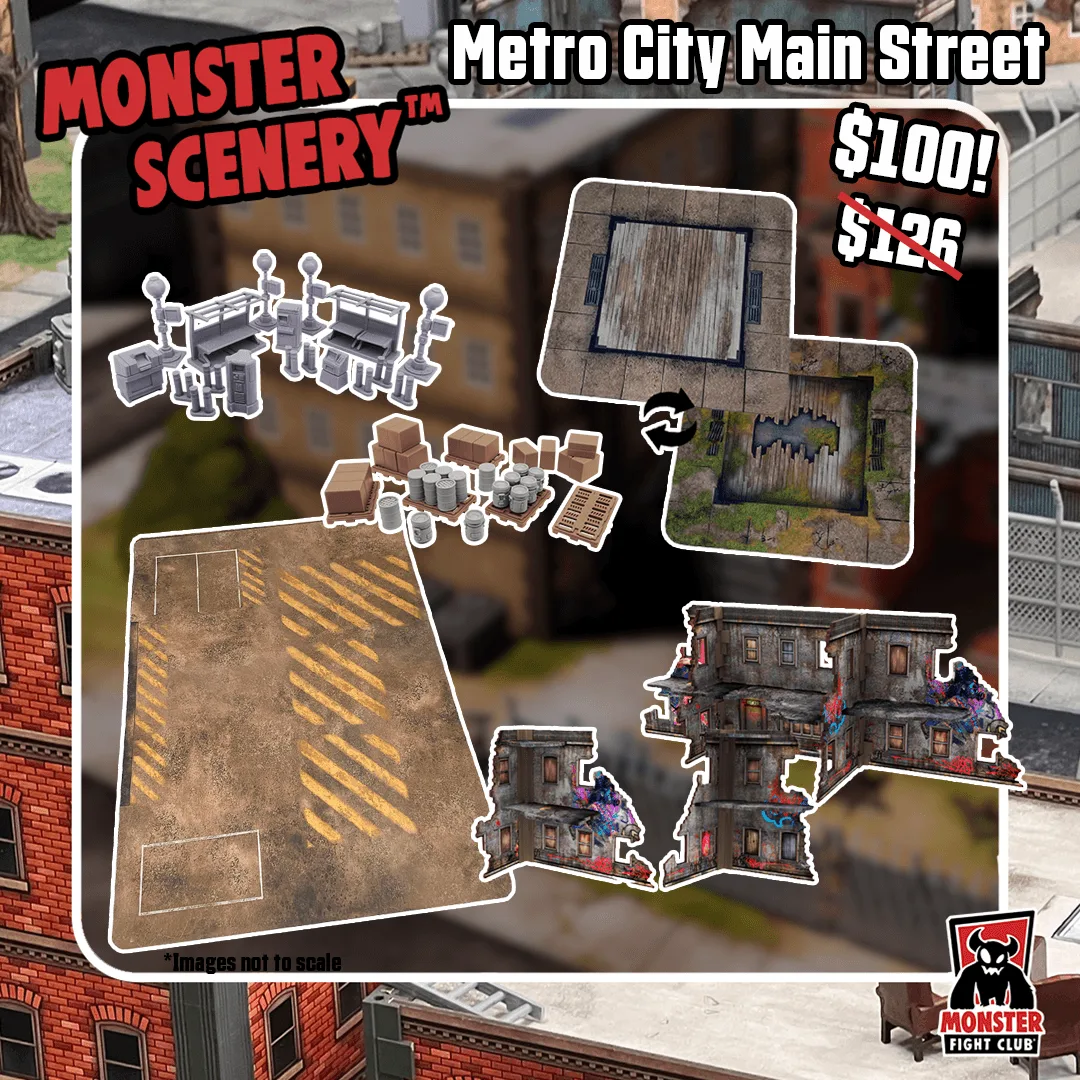
- Texture Mat 24" x 24": Magma Pool (w/ Grid): A two foot square roll-up mat with a rippled surface texture and a graphic designed to work with the Magma Pool and Magma Mouth Terrain Trays. Gives you a fast way to set a themed floor under a chest so the piece does not sit on a bare table, and the grid helps keep movement clear.
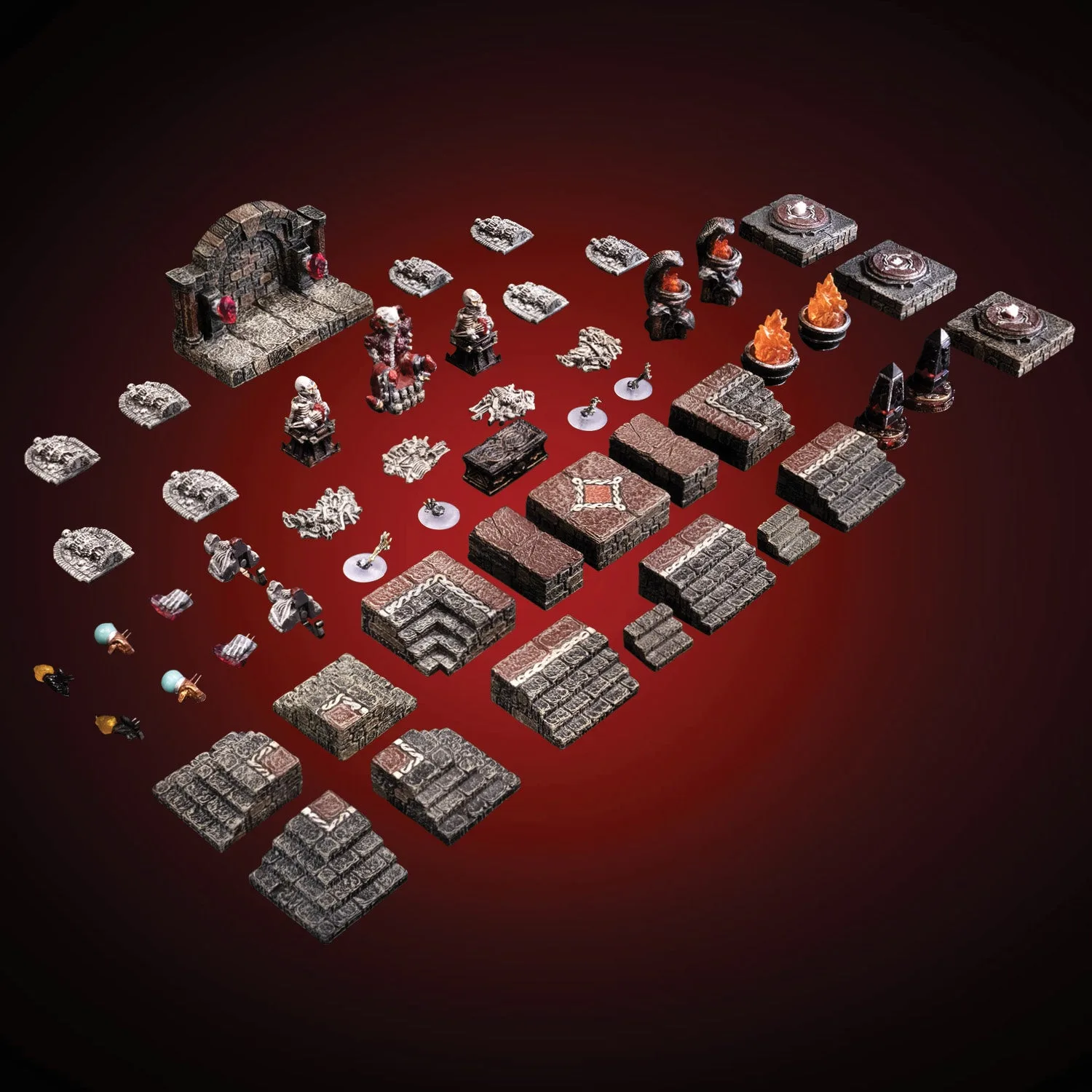
- Boss Fight Features Bundle (Unpainted): Includes a Cascading Dais, Grand Arch Wall, LED Floors, and a Necromancer's Throne, and pairs well with Core Sets. If you want the chest to mark the reward after a boss encounter, this bundle provides the room around it so the chest reads as the payoff rather than random scatter.
An unpainted chest is a small purchase that changes how players approach a room. Paint it to match your existing terrain, seal it, and keep it rare so the loot moment still lands.