Quick answer
Buy boss fight features first if your table runs combat-heavy sessions, because large, line-of-sight pieces change how players move and make decisions. Buy treasure chest and reward scatter first if your campaign leans on exploration, loot, and story beats. If you can only choose one path, start with the boss feature and add a small treasure piece later.
Most terrain budgets force a choice: do you spend on the big, dramatic boss fight features, or on the small scatter pieces that make a room feel lived in? The answer depends less on which pieces look better on a shelf and more on what your table actually does during a session.
This comparison treats treasure chest scatter and boss fight features as two different jobs. One rewards exploration and pacing; the other controls space, sightlines, and threat. Here is how to decide which to prioritize, using real pieces from the Dwarven Forge catalog as examples.
What each type of scatter actually does at the table
Treasure chest scatter is a pacing tool. A chest, a talisman, or a small reward marker gives players a reason to move into a room and interact with it. It creates a moment: the rogue checks for traps, the party argues about who opens it, and the DM gets a beat of tension before the next scene. These pieces are usually small, easy to store, and cheap enough to buy several.
Boss fight features are spatial tools. A lavafall, a raised wall, or a lit arch changes where models can stand and what they can see. That directly affects tactics, cover, and movement. These pieces are often larger, more expensive, and harder to store, but they carry more of the encounter's identity than any small prop can.
- If your players ignore small props, spend on features that physically block or redirect movement.
- If your players investigate everything, a single chest piece can carry an entire room.
Cost per table moment: small scatter vs large features
Small scatter wins on cost efficiency. The Devil Talisman Pole Accessory (Painted) is a single painted piece at a low price point, which makes it easy to add several themed markers to a build without a big commitment. The trade-off is impact: a small pole accessory rarely changes how a fight plays out, and it can get lost in a busy layout.
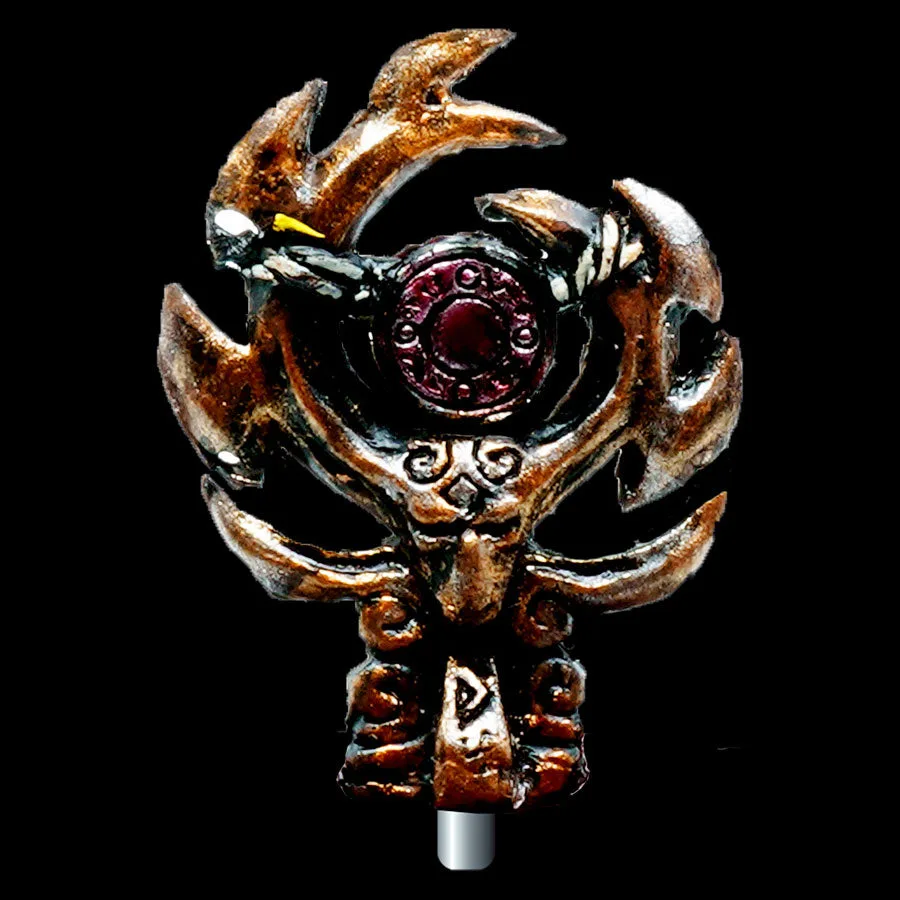
Devil Talisman Pole Accessory (Painted)
Large features cost more but do more work per piece. The Magma Lavafall (LED) (Painted) is a single painted LED piece from the Hellscape line, built for cavern and lava-themed builds, with anchor magnets and a painted finish. It is a focal point, not a filler prop. The trade-off is that it locks you into a specific theme and takes up real storage space.
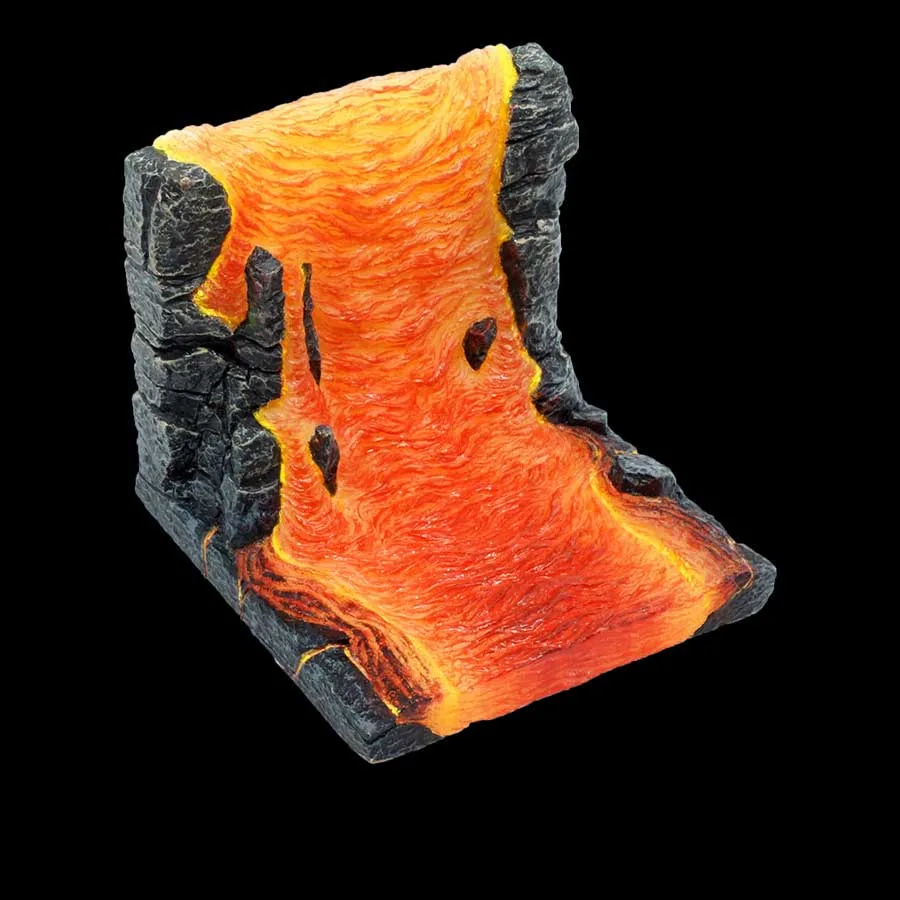
Magma Lavafall (LED) (Painted)
- Count how many sessions a piece will actually appear in before you buy.
- A themed feature you use twice beats five generic props you never place.
Lighting, ambience, and the middle ground
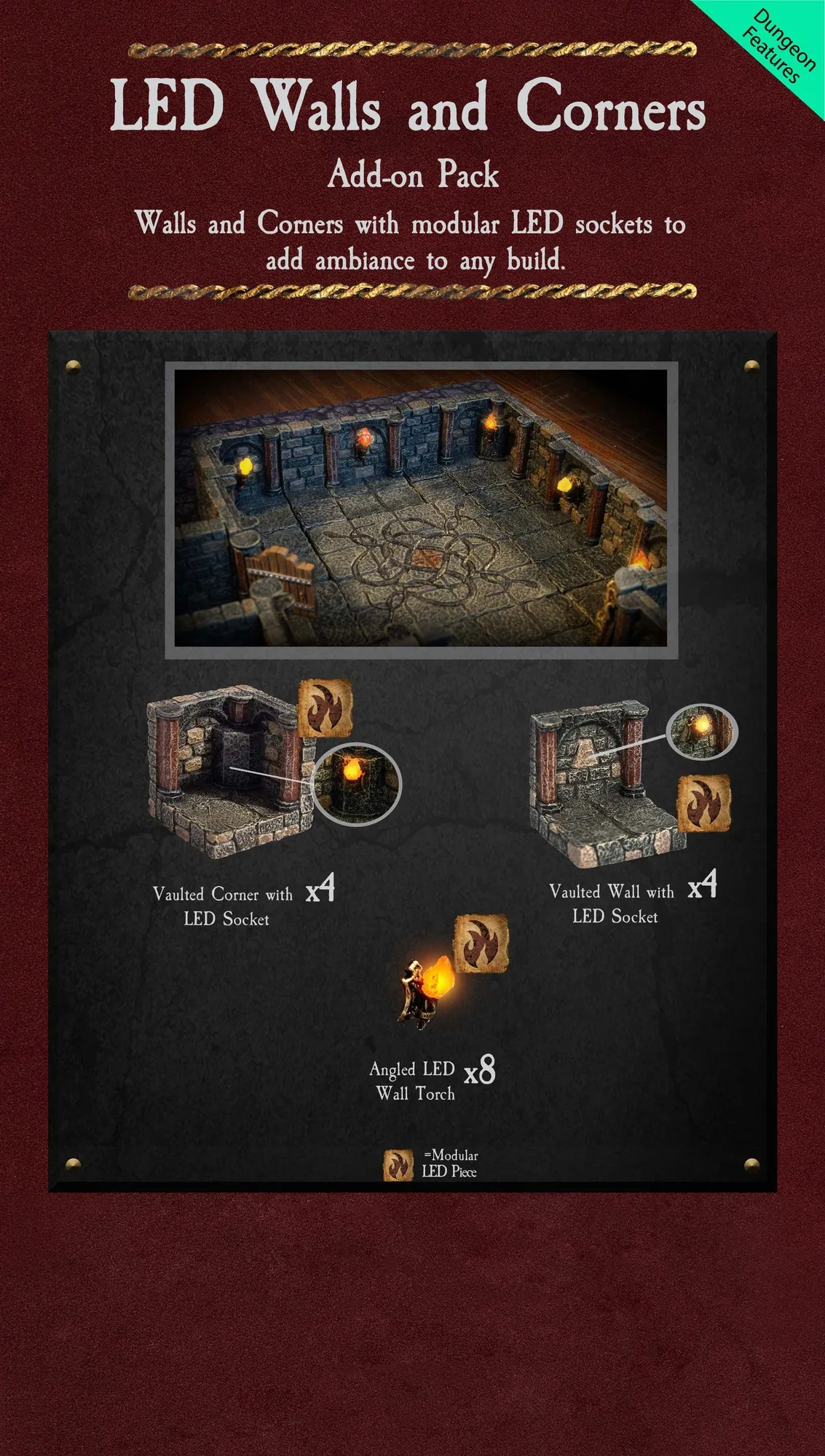
Some pieces sit between the two categories. The Vaulted LED Walls and Corners (Unpainted) are modular walls with LED sockets, so they add ambience and structure at the same time. They are unpainted, which means more prep time, and the catalog notes this set will be retired and replaced with an updated composition called Dungeon LED Walls - Vaulted once it sells out. If you want the current version, that is a real deadline.
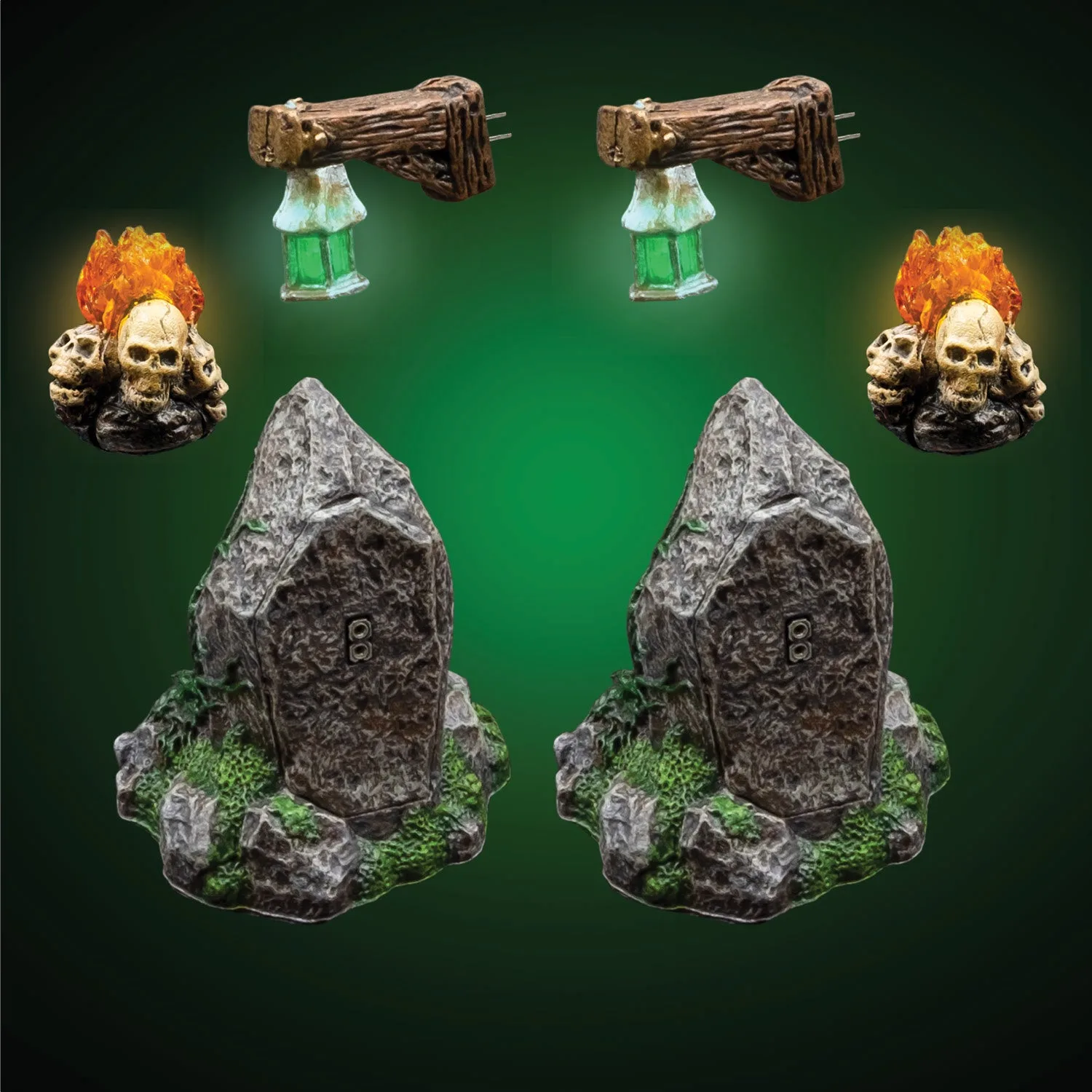
The Standing Stones (Painted) takes a similar hybrid approach: it includes two Flaming Skull Sconces, two Balefire Lanterns, and two freestanding LED Socket Rocks to use them with. That gives you both a landmark feature and reusable light sources. The trade-off is that these pieces are best in fantasy or ritual-themed builds, not in every dungeon.
- Hybrid LED pieces are worth it if you build the same theme repeatedly.
- If your builds change genre often, plain scatter travels further.
How to split a budget between the two
A workable split for most tables is roughly two-thirds toward the features that define your most common encounter type, and one-third toward small scatter that supports pacing. If your campaign is a city intrigue game, that ratio flips: small props and reward markers do more work than a lavafall you never place.
For large, long-term builds, a bundle can cover both needs at once. The District - Warfield Village Bundle (Unpainted) combines full structures and scatter pieces, scales from a 3' x 3' skirmish build to a 4' x 4' army build, and includes a bonus $150 Dwarven Forge gift card. The trade-off is upfront cost and unpainted prep time, so it suits a dedicated project rather than a quick add-on.
- Buy the feature first, then let scatter fill the gaps it creates.
- Keep one or two generic reward props on hand for any genre.
Trade-offs at a glance
- Treasure chest and reward scatter: Cheap, easy to store, and good at creating exploration beats, but rarely changes combat tactics on its own. Choose this if your sessions reward investigation and story pacing.
- Boss fight features: Expensive and bulky, but they control movement, sightlines, and the visual identity of an encounter. Choose this if combat is the main event at your table.
- LED hybrid pieces: Combine structure and ambience, but often lock you into a theme and may sell out or get replaced. Choose this if you build the same setting repeatedly and want one purchase to do two jobs.
Catalog facts that matter for this choice
- Magma Lavafall (LED) (Painted): Individual painted LED piece from the Hellscape (KS6.66) line, designed for cavern and lava-themed builds, made of Dwarvenite with anchor magnets. A strong boss-room centerpiece if your campaign runs cavern or hellscape encounters, but its theme limits reuse elsewhere.
- The Standing Stones (Painted): Comes with two Flaming Skull Sconces, two Balefire Lanterns, and two freestanding LED Socket Rocks to use them with. Covers both landmark and light-source needs in one purchase, which reduces how many separate pieces you need to buy.
- Vaulted LED Walls and Corners (Unpainted): Modular LED sockets for ambience; the set will be retired and replaced with an updated composition called Dungeon LED Walls - Vaulted once it sells out. If you want this exact composition, buy before it sells out; otherwise wait for the updated set.
- Devil Talisman Pole Accessory (Painted): Painted individual accessory piece at a low catalog price. A low-risk way to add reward or objective scatter without committing to a large feature.
Which should you buy first?
Best for
- Dungeon masters running combat-heavy campaigns who need pieces that change movement and cover
- Groups that build the same cavern or dungeon theme across many sessions
- Players who want one dramatic centerpiece instead of many small props
Not for
- Campaigns built around exploration, mystery, and loot, where small reward scatter does more work
- Tables that change genre every few sessions and need generic, reusable pieces
- Buyers who want zero prep time and only painted, ready-to-play terrain
Start with the piece that matches your most common encounter, then add scatter to support it. If combat drives your table, a boss feature like the Magma Lavafall earns its space first. If discovery drives it, a small painted reward piece and a hybrid set like The Standing Stones will do more for your sessions per dollar.