Quick Answer
Start with the battery, because a weak or incorrectly seated battery is the most common reason a wireless fence collar won't activate. If a fresh battery doesn't fix it, test the receiver on its own, then check collar fit and contact placement, and finally confirm the boundary signal itself. If the receiver still won't respond after those steps, it has likely failed and should be replaced rather than repaired.
A wireless fence collar that won't activate is frustrating because the failure is silent. Your dog wanders toward the boundary, nothing happens, and you have no idea whether the problem is the battery, the collar, the receiver, or the fence transmitter. Working through the system in a fixed order saves you from replacing parts that were never broken.
This guide separates the symptom you're seeing from the likely cause and the corrective action, so you can stop at the right point instead of guessing. It applies to add-on receivers and full systems, and it uses the same checks a technician would run before recommending a replacement.
Symptom: The Collar Is Completely Silent at the Boundary
If your dog crosses the boundary line and the collar gives no tone, no vibration, and no correction, the receiver is either not powered or not receiving the signal. Begin by confirming the battery is fresh and seated in the correct orientation. A battery that looks installed can still fail to make contact if it was inserted upside down or if the terminals have corrosion.
Next, test the receiver without your dog. Hold it near the boundary wire or the transmitter's signal edge and watch for the warning tone. If it activates in your hand but not on your dog, the problem is fit or contact, not the electronics. If it stays silent in your hand, the issue is power or signal.
- Replace the battery with a new one of the exact type specified for your receiver before testing anything else.
- Clean battery terminals with a dry cloth if you see white or green residue.
- Test the receiver at the boundary while holding it, not on your dog, to isolate the variable.
Cause: Battery Type, Age, or Seating
Wireless fence receivers are sensitive to battery voltage. A battery that still powers a flashlight may not deliver enough voltage for the receiver to activate reliably. This is why a dog fence collar battery that seems fine can still be the culprit, especially if it has been in the collar for months or has been exposed to cold weather.
Seating matters as much as freshness. Some receivers use a specific battery model, and substituting a different size or chemistry can cause intermittent contact. If your receiver uses a proprietary battery, use that exact battery rather than a generic equivalent, because the physical dimensions and terminal placement are part of the design.
- Write the installation date on the battery so you know its age at a glance.
- Keep a spare battery on hand so you can swap and test in one session.
- If the receiver uses a specific battery model, buy that model rather than a cross-reference substitute.
Symptom: The Collar Beeps but Gives No Correction
A collar that beeps at the boundary but never delivers a correction is usually working as designed. Many receivers ship with tone-only mode enabled, or with the correction level set to zero. This is a setting issue, not a hardware failure, and it is the most common reason owners think their collar has stopped working.
Check the correction level on the receiver or transmitter and raise it one step at a time. Then test again at the boundary. If the tone sounds but no correction follows at any level, the contact points may not be touching your dog's skin, which brings us to fit.
- Confirm the receiver is not in tone-only mode before assuming a hardware problem.
- Increase correction level gradually and retest rather than jumping to the highest setting.
- If you have multiple receivers, test each one separately to see whether the problem follows the collar or stays with the boundary.
Cause: Collar Fit and Contact Placement
Contact points must touch skin, not fur. A collar that is too loose will slide, and a collar that is too tight can cause discomfort without improving contact. The receiver should sit high on the neck, just behind the ears, with the contact points snug against the skin when your dog is standing normally.
Long-haired dogs often need longer contact points or a small amount of fur parted at the contact site. If your receiver came with short contact points and your dog has a thick coat, that mismatch alone can explain why the collar seems dead at the boundary.
- Do a two-finger fit check under the collar strap, then confirm the contact points still touch skin.
- Reposition the receiver high on the neck before each walk or training session.
- For thick-coated dogs, part the fur at the contact points or switch to longer points if your model supports them.
Symptom: One Dog's Collar Works and Another's Doesn't
If you run multiple dogs on one system, a single non-working receiver points to that receiver rather than the fence. This is where add-on receivers are useful for testing, because you can swap a known-good receiver onto the dog and see whether the problem follows the collar or stays with the dog.
If the known-good receiver works on the same dog at the same boundary, the original receiver is the problem. If neither receiver works on that dog but both work on another dog, the issue is fit or contact placement on that specific dog.
- Label each receiver so you can track which one fails and when.
- Swap receivers between dogs before buying a replacement.
- If only one receiver fails, replace that receiver rather than the whole system.
Cause: Boundary Signal, Transmitter, or Wiring
If every receiver fails at the boundary, the problem is upstream: the transmitter, its power supply, or the boundary wire. Check that the transmitter has power and that its indicator lights show normal operation. For in-ground systems, a broken wire from a recent dig, frost heave, or lawn equipment is a frequent cause of total signal loss.
Wireless systems that use a circular signal from a base unit can also be affected by the unit being moved, unplugged, or placed near large metal objects that distort the field. Confirm the transmitter has not been relocated before you troubleshoot the collars themselves.
- Check transmitter power and indicator lights first when all receivers fail.
- Walk the boundary with a test receiver or the system's test mode if it has one.
- Inspect the wire path for visible breaks, splices, or damage before assuming a receiver fault.
Diagnosis Checklist: Symptom, Cause, Action, Stop Point
- No tone and no correction at the boundary: Most likely a dead or incorrectly seated battery. Replace with the exact specified battery, confirm orientation, and retest the receiver in your hand at the boundary. If a fresh battery produces a tone in your hand, the receiver is fine and you can move to fit checks.
- Tone works but no correction: The receiver is probably in tone-only mode or the correction level is set too low. Raise the level one step at a time and retest. If no correction appears at any level, the contact points are not touching skin or the receiver has failed.
- Collar works on one dog but not another: Swap a known-good receiver onto the dog with the problem. If the good receiver works, the original receiver is faulty. If neither works on that dog, the issue is fit or coat thickness. Replace only the failed receiver rather than the entire system.
- Every receiver fails at the boundary: The transmitter, its power supply, or the boundary wire is the likely cause. Check transmitter power and indicator lights, then inspect the wire for breaks. Stop troubleshooting collars and service the fence side of the system first.
- Receiver still dead after battery, fit, and signal checks: At this point the receiver has likely failed internally. Most consumer receivers are not user-serviceable, and opening the housing can void warranties or compromise waterproofing. Replace the receiver instead of attempting a repair, and keep the old one only if the manufacturer offers a warranty exchange.
Receiver Options That Fit This Troubleshooting
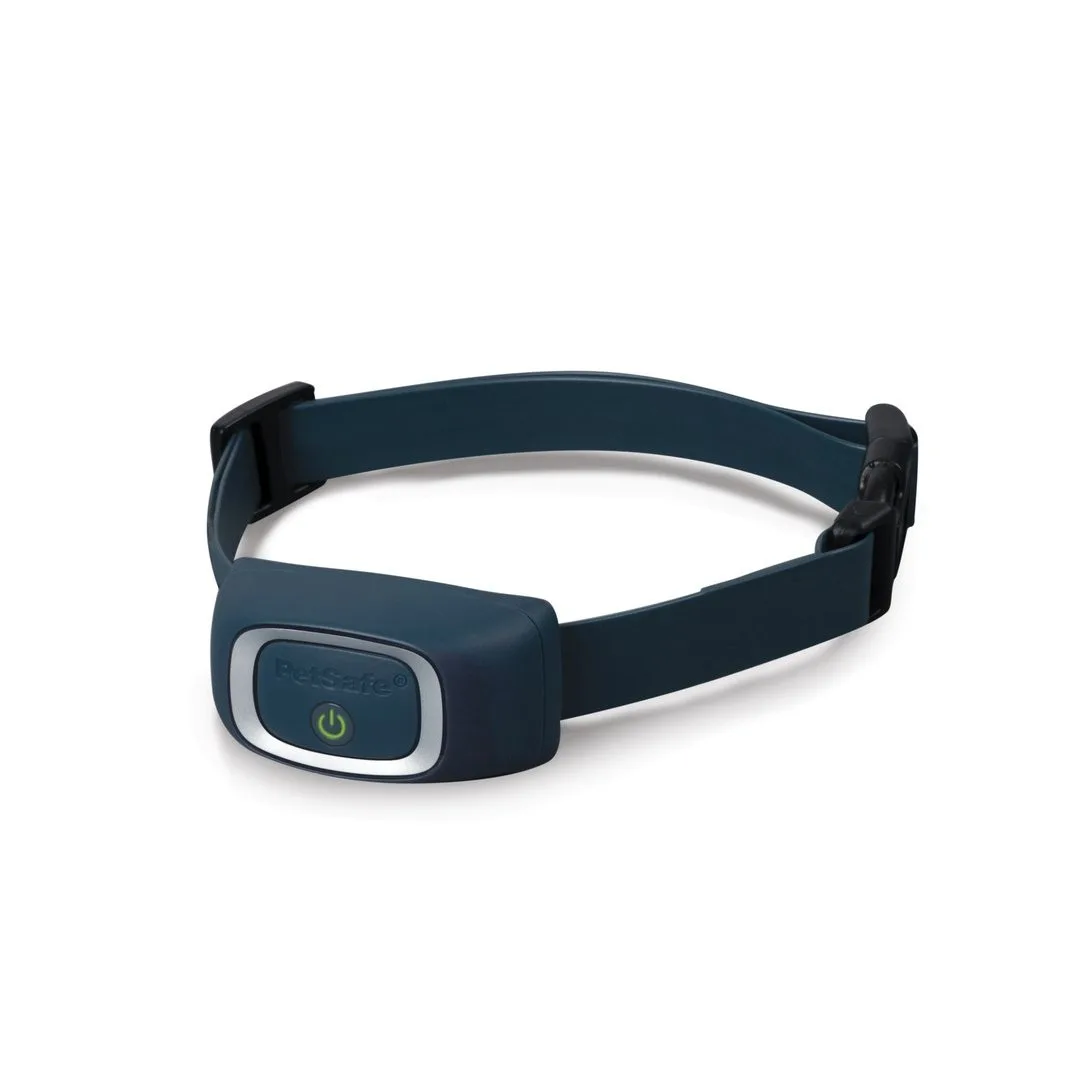
- PAC00-16163 PetSafe® Add-A-Dog Receiver Collar: This add-on receiver is designed to work with an existing PetSafe system so you can train multiple dogs on the same boundary. If you have already confirmed the fence signal is working, adding this receiver lets you test whether the problem is the boundary or the individual collar without replacing the whole system.
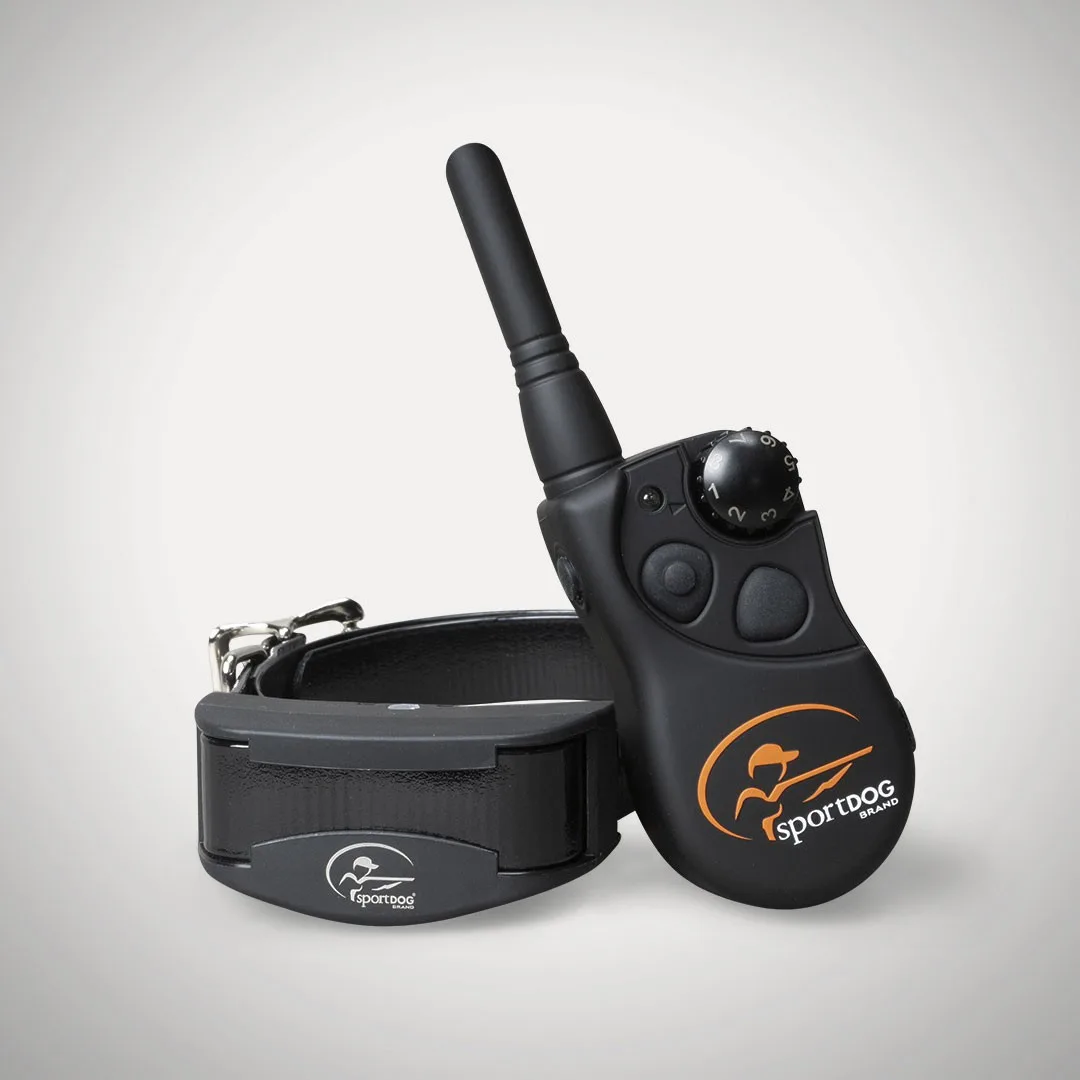
- YT-100S SportDOG Brand® Yardtrainer 100S: This trainer was built for more stubborn and easily distracted dogs and is used for off-leash training and command response. If your dog ignores the fence because of high drive rather than a hardware fault, a dedicated training tool like this can reinforce boundary commands separately from the fence system.
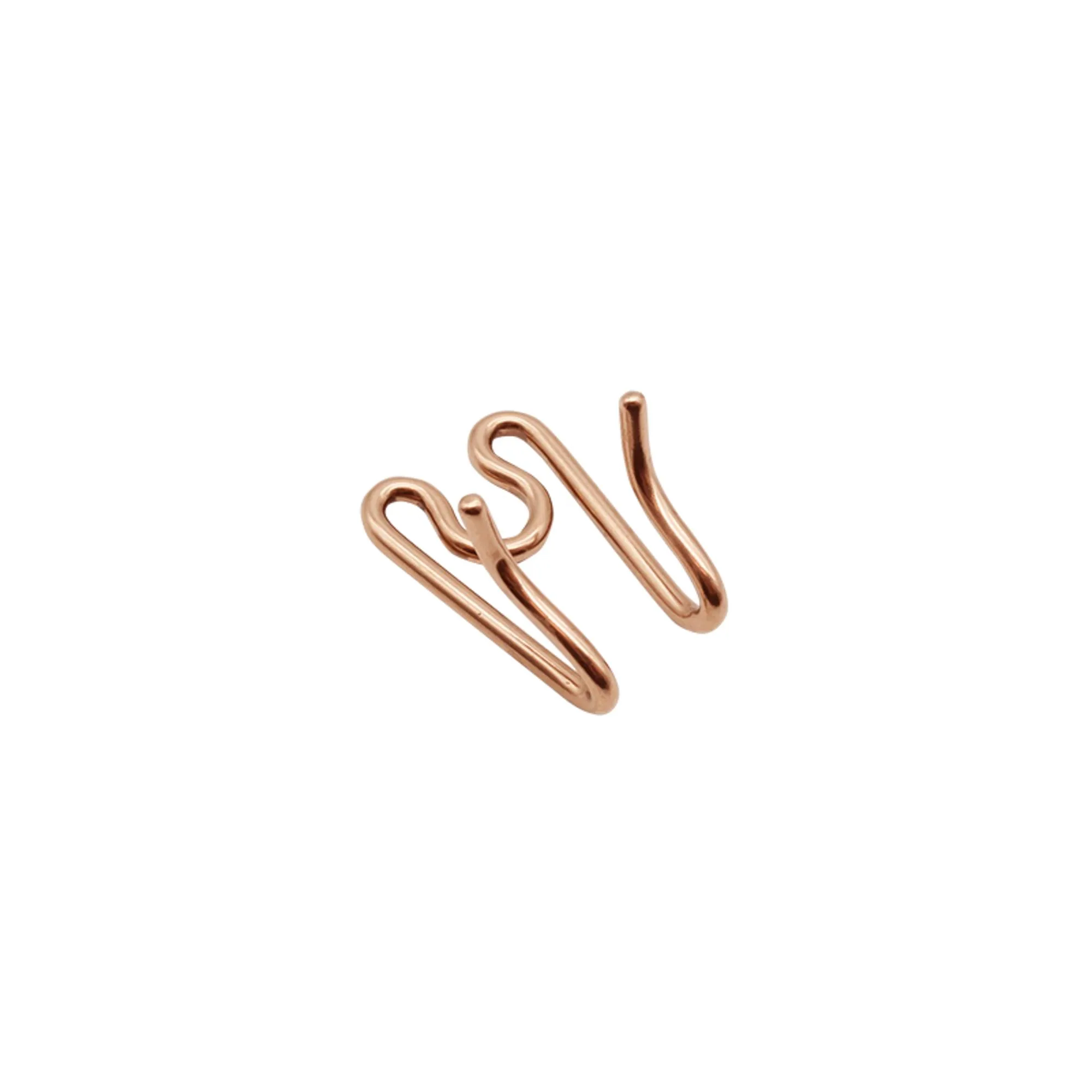
- 2.25mm Curgoan Herm Sprenger Ultra-Plus Prong Training Dog Collar Replacement Links: These links add length to Herm Sprenger Ultra-Plus prong training collars and attach to existing links for a precise fit. If you use a prong collar for separate obedience work, replacement links let you adjust fit as your dog's neck changes rather than buying a new collar.
Work the checklist in order: battery, then fit, then signal, then replacement. Most wireless fence collar activation problems resolve at the first or second step, and the few that don't are usually a failed receiver rather than a mystery. Keeping a spare battery and a labeled spare receiver on hand turns a stressful boundary failure into a five-minute fix.