Microneedling at home has become one of the most popular ways to rejuvenate mature skin without stepping into a clinic. Also known as collagen induction therapy, this technique uses tiny needles to create controlled micro-injuries on the skin’s surface, triggering your body’s natural repair process. The result? Increased collagen and elastin production, which can reduce the appearance of fine lines, wrinkles, and enlarged pores.
But with so many dermarollers on the market, how do you choose the right one? And more importantly, how do you use it safely to avoid irritation, infection, or scarring? In this comprehensive guide, we’ll break down everything you need to know about microneedling at home—from selecting the right tools to post-treatment care—so you can achieve professional-looking results with confidence.
What Is Microneedling and How Does It Work?
Microneedling involves rolling a device covered in fine, sterile needles across the skin. These microscopic punctures stimulate the skin’s natural healing response, boosting collagen and elastin production. Over time, this can improve skin texture, firmness, and overall radiance. For mature skin, microneedling is particularly effective because collagen production naturally declines with age, leading to sagging and wrinkles.
When performed at home, microneedling is often called dermarolling. The key difference between professional treatments and home devices is needle depth. Professional treatments can reach up to 2.0mm, while home dermarollers typically range from 0.25mm to 1.5mm. Understanding these depths is crucial for safety and effectiveness.
- 0.25mm: Ideal for improving product absorption and gentle exfoliation.
- 0.5mm: Best for fine lines, texture, and mild scarring.
- 0.75mm and above: Reserved for deeper concerns, but require extra care.
Choosing the Right Dermaroller for Your Skin
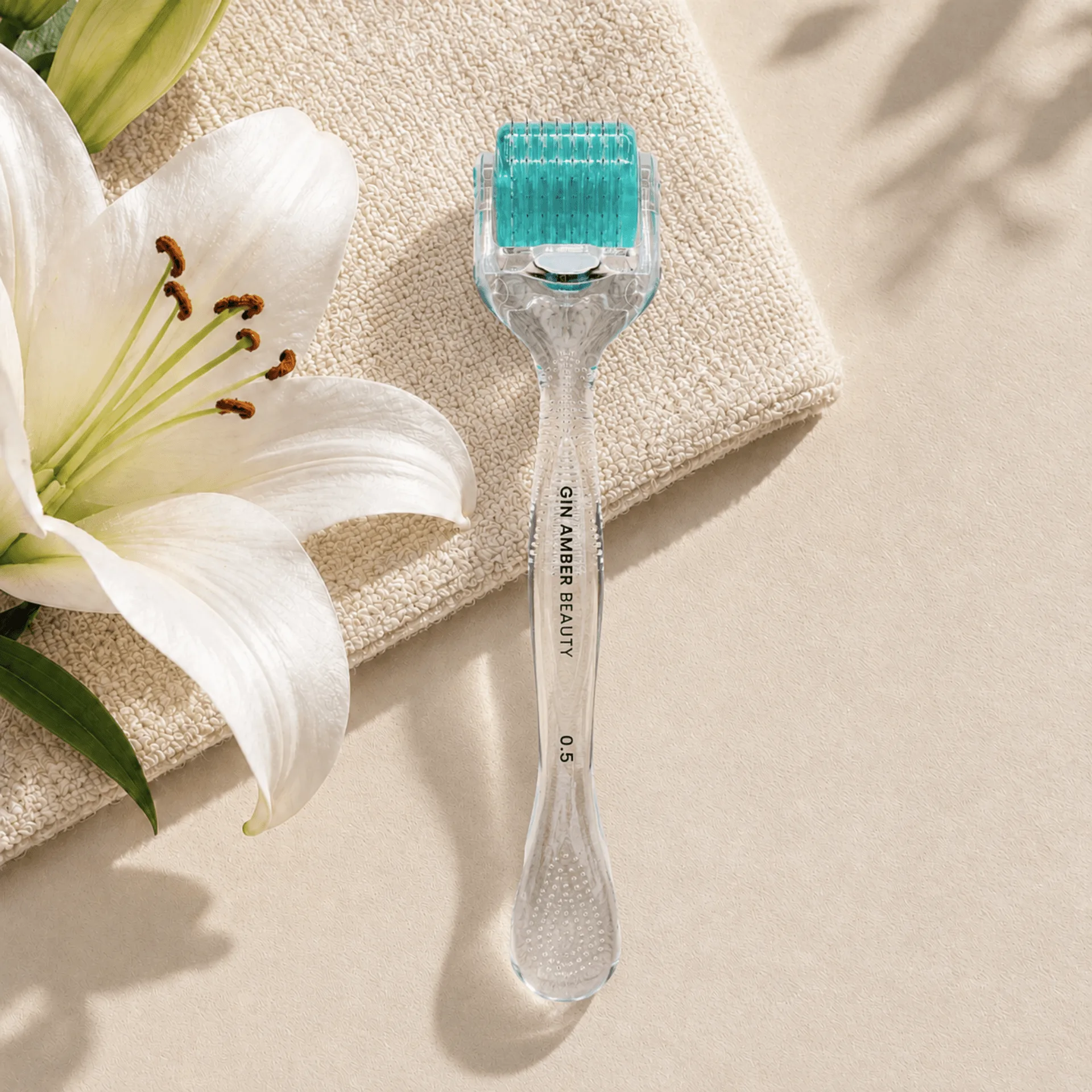
Not all dermarollers are created equal. When shopping for a home device, consider needle length, needle material, and build quality. Stainless steel needles are durable and hygienic, while titanium needles are even stronger. For beginners, a 0.25mm or 0.5mm dermaroller is a safe starting point. The 0.5mm Dermaroller Head is a popular choice because it offers noticeable results with minimal discomfort.
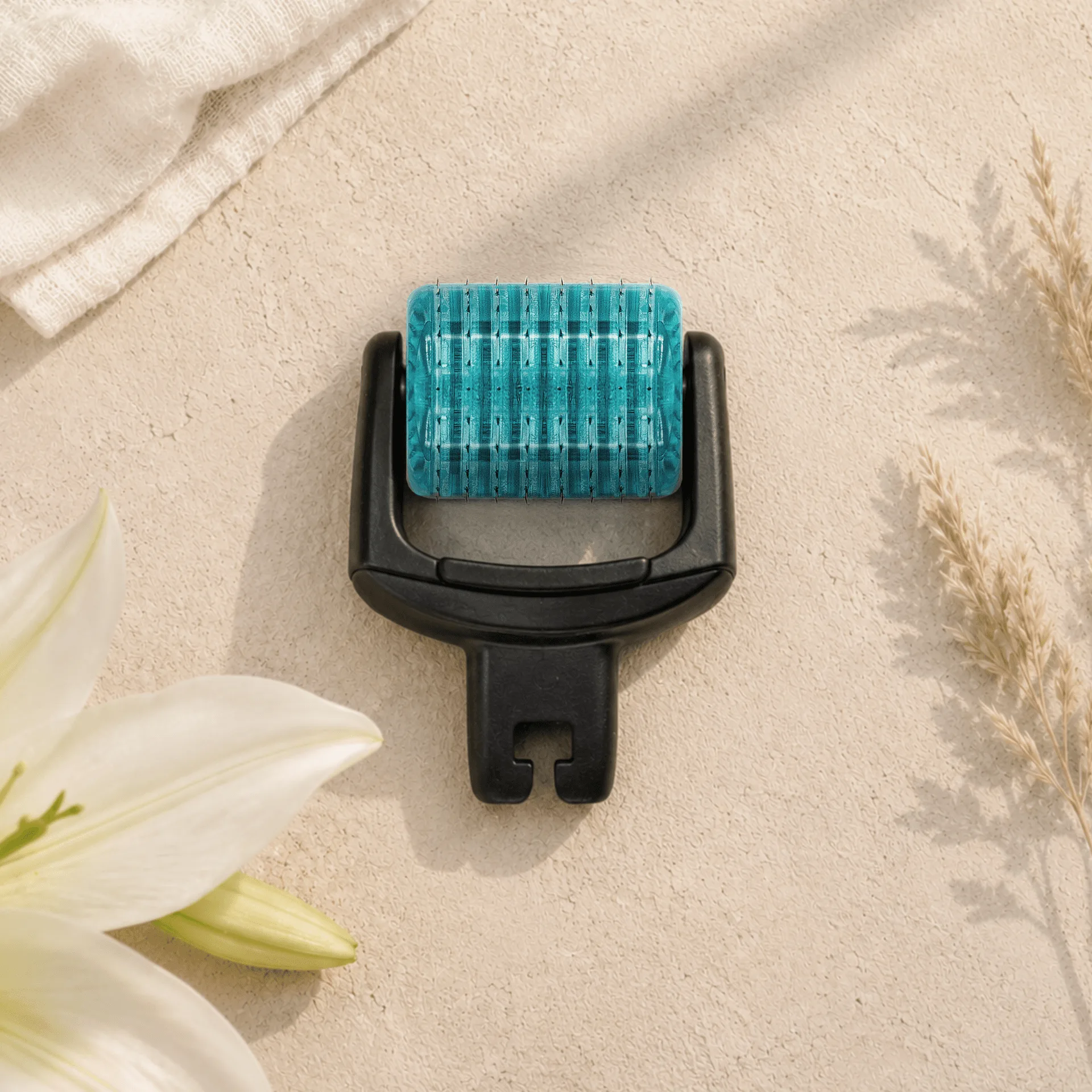
0.5mm Dermaroller Head
If you’re targeting specific areas like the face, a smaller roller with fine needles is easier to maneuver. For larger areas like thighs or buttocks, a body dermaroller with longer needles, such as the 1.5mm Body Dermaroller, may be more appropriate. However, always start with the shortest needle length and gradually increase as your skin builds tolerance.
- For facial use, choose a 0.25mm or 0.5mm dermaroller.
- For body concerns, consider a 1.0mm or 1.5mm dermaroller.
- Always opt for a device with individually sterile needles to prevent infection.
Step-by-Step Guide to Microneedling at Home
Before you begin, ensure your skin is clean and your dermaroller is sanitized. Soak the roller in 70% isopropyl alcohol for at least 10 minutes. Then, gently roll the device over the desired area in vertical, horizontal, and diagonal directions. Apply light pressure—you should feel a slight prickling sensation but not pain. Avoid the eye area and any active breakouts or open wounds.
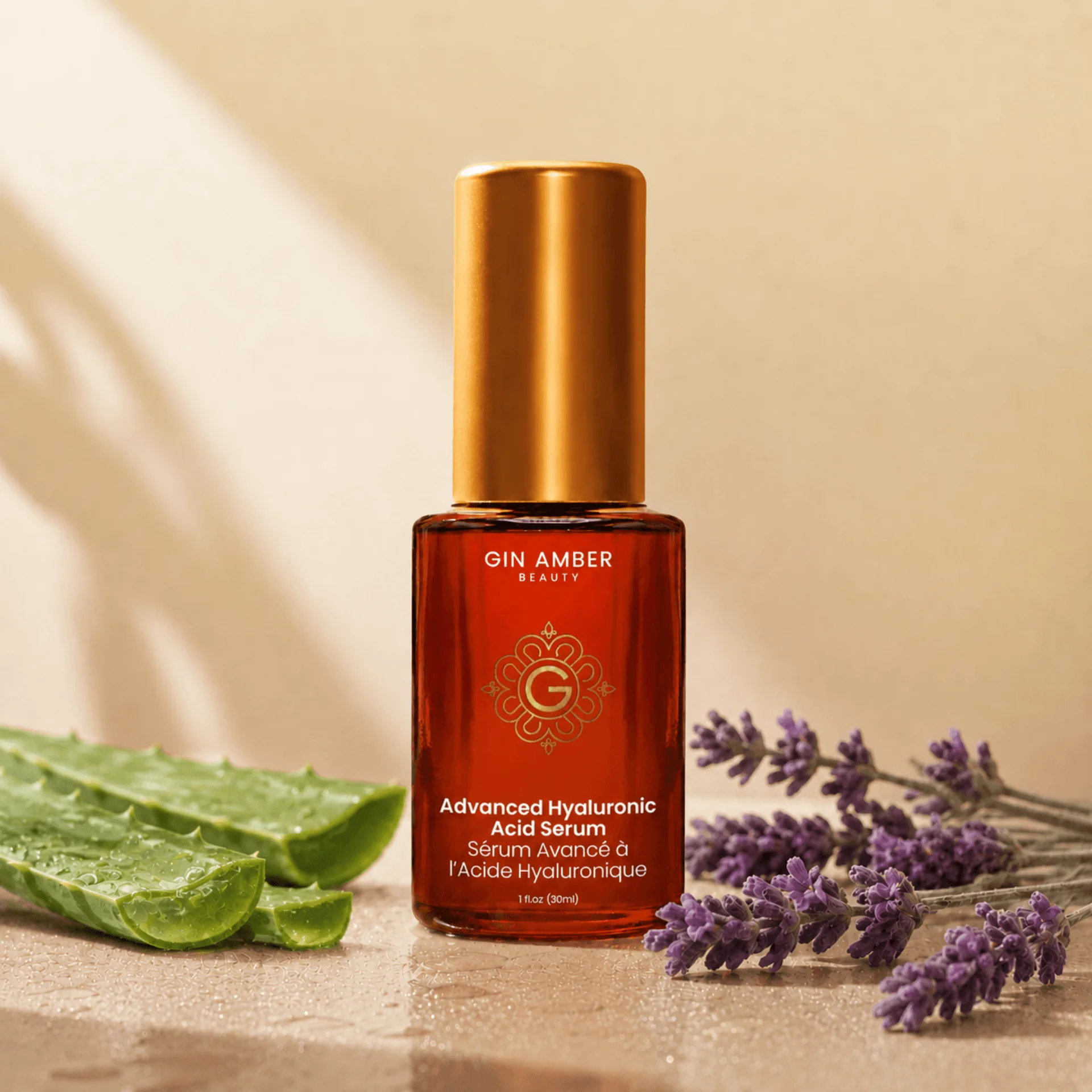
After microneedling, your skin will be red and sensitive, similar to a mild sunburn. This is normal and should subside within 24 to 48 hours. Apply a soothing serum or moisturizer to calm the skin. The Advanced Hyaluronic Acid Serum (Hydrating) is an excellent choice because hyaluronic acid helps draw moisture into the skin and supports the healing process.
- Always disinfect your dermaroller before and after use.
- Never share your dermaroller with others to prevent cross-contamination.
- Use gentle, upward strokes and avoid over-rolling the same area.
Safety Tips and Common Mistakes to Avoid
Microneedling at home is generally safe when done correctly, but there are common pitfalls that can lead to irritation or infection. One of the biggest mistakes is using a dermaroller with needles that are too long for your skin type. Another is applying too much pressure, which can cause micro-tears and scarring. Always start with the shortest needle length and practice on a small area first.
Hygiene is non-negotiable. Clean your dermaroller with alcohol before and after each use, and replace it every 3-6 months depending on frequency. Never use a dermaroller on broken or infected skin. If you have a history of keloids or poor wound healing, consult a dermatologist before starting.
- Avoid using a dermaroller on sunburned or irritated skin.
- Do not use numbing creams unless prescribed by a professional.
- Always follow up with a broad-spectrum sunscreen the next day, as your skin will be more sensitive to UV damage.
Expected Results and How to Maximize Them
Microneedling is not a one-time fix. To see meaningful improvements in fine lines and skin texture, you’ll need to commit to a consistent routine. Most experts recommend microneedling every 4-6 weeks, as this aligns with your skin’s natural collagen production cycle. After the initial redness subsides, you may notice a healthy glow and improved product absorption.
For best results, pair your dermaroller with high-quality skincare products. Cleansing before and after treatment is essential to prevent infection. The Natural AHA/BHA Exfoliating Cleanser can help remove dead skin cells, allowing the microneedling to penetrate deeper. However, avoid using active ingredients like AHA/BHA immediately after microneedling, as they can cause irritation. Instead, opt for a gentle cleanser and a hydrating serum.
- Consistency is key—stick to a regular schedule.
- Hydrate your skin with a hyaluronic acid serum after treatment.
- Protect your skin with a mineral sunscreen during the day.
Frequently Asked Questions About Home Microneedling
How often should I microneedle? For a 0.25mm dermaroller, you can use it 2-3 times per week. For a 0.5mm dermaroller, once every 2-3 weeks is sufficient. Longer needles require longer recovery time.
Can I microneedle around my eyes? No, the skin around the eyes is too thin and delicate. Use a specialized eye roller if needed, but never a standard dermaroller.
Will microneedling hurt? With the right needle length and technique, discomfort is minimal. You may feel a slight tingling or prickling sensation, but it should not be painful.
Microneedling at home is a powerful, cost-effective way to rejuvenate mature skin when done with the right tools and techniques. Remember to start with a shorter needle length, prioritize hygiene, and be patient with your results. With consistent care, you can enjoy smoother, firmer, and more radiant skin—all from the comfort of your own home.