Scalp scrubbing has emerged as a non-negotiable step in effective hair growth routines. By physically exfoliating dead skin cells, unclogging follicles, and boosting microcirculation, a good scalp scrubber can enhance the absorption of treatments like minoxidil and red light therapy. But with so many options on the market—from silicone paddles to bristle brushes—choosing the right tool can feel overwhelming.
This buying guide breaks down the essential features to look for, compares different types of scalp scrubbers, and explains how to match a scrubber to your scalp type and hair care goals. Whether you're new to scalp care or looking to upgrade your current tool, you'll leave with a clear understanding of what to buy and why.
Why Scalp Scrubbing Belongs in Your Hair Growth Routine
Scalp scrubbing is more than just a satisfying massage. Regular exfoliation with a dedicated scrubber removes buildup from styling products, sebum, and environmental debris that can suffocate hair follicles. This cleansing action creates an optimal environment for growth stimulators like minoxidil to penetrate deeper and work more effectively. Additionally, the mechanical stimulation increases blood flow to the scalp, delivering oxygen and nutrients to the hair roots.
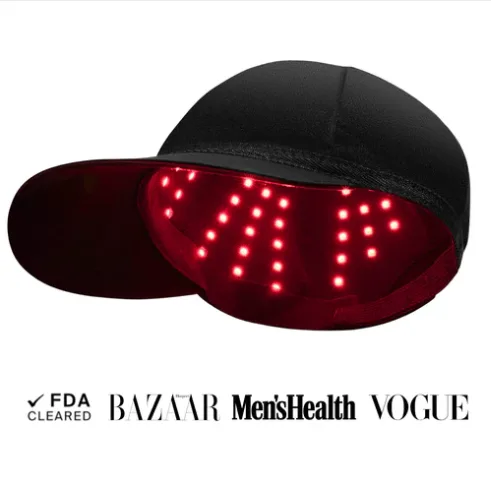
For those using red light therapy caps like the TrichoGlowCap, a clean scalp ensures that light energy reaches the follicle without interference from a layer of dead skin. Combining scalp scrubbing with other treatments often produces faster, more visible results. The key is using the right tool—one that exfoliates gently without causing micro-tears or irritation.
- Always scrub on clean, damp hair to avoid tugging or breakage.
Silicone vs. Bristle Scalp Scrubbers: Which One Is Right for You?
The market offers two main categories of scalp scrubbers: silicone and bristle. Silicone scrubbers, such as the TrichoGlow Scalp Scrubber, feature soft, flexible nubs that gently exfoliate while remaining hygienic and easy to clean. They are ideal for sensitive scalps, as silicone is non-porous and hypoallergenic, reducing the risk of bacterial buildup. Many silicone scrubbers are designed to be used in the shower with shampoo, offering a dual cleansing and massage function.
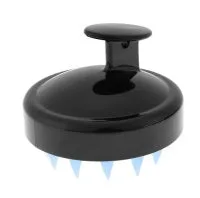
TrichoGlow Scalp Scrubber
Bristle scrubbers, typically made from boar hair or synthetic fiber, provide a more intense exfoliation and are often used on dry hair before washing to break up heavy product residue. However, they can be too harsh for those with scalp conditions like eczema or psoriasis, and they require regular cleaning to prevent bacteria from accumulating in the bristles. For most users, a soft silicone scrubber offers the best balance of efficacy and scalp comfort.
Consider your scalp sensitivity and how often you plan to use the tool. If you have a normal to oily scalp with occasional flakiness, a medium-bristle brush may work well once a week. But for daily use or sensitive scalps, stick with silicone.
- Silicone scrubbers are dishwasher safe for easy sanitization.
- Bristle brushes should be replaced every 3-4 months to maintain hygiene.
6 Key Features to Look for in a Scalp Scrubber
When shopping for a scalp scrubber, certain design elements can make or break your experience. First, nub texture matters: look for rounded, flexible tips that won't scratch the scalp. Ergonomic handles are a must for reaching the crown and back of your head without straining your wrist. A non-slip grip is especially helpful when your hands are soapy in the shower.
Material quality is another critical factor. Medical-grade silicone is durable, odor-resistant, and safe for use with oils and serums. Avoid scrubbers with hard plastic nubs or sharp edges that can damage the skin. Additionally, consider whether the scrubber is designed to be used wet or dry: some work best with shampoo lather, while others are intended for dry brushing before washing.
The TrichoGlow Scalp Scrubber exemplifies these features with its soft, antibacterial silicone bristles, contoured handle, and compact size that fits comfortably in your palm. It's designed to pair seamlessly with products like TrichoGlow Shampoo, creating a complete scalp care system that supports hair regrowth efforts.
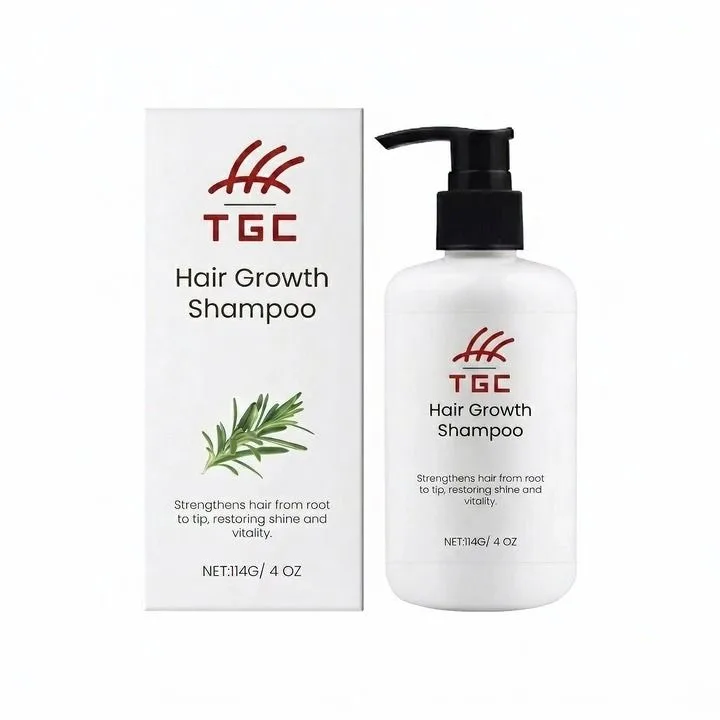
TrichoGlow Shampoo
- Opt for a scrubber with a hole for hanging to dry quickly between uses.
How to Use a Scalp Scrubber with Minoxidil and Red Light Therapy
To maximize results, incorporate scalp scrubbing into your routine before applying treatments. Start by using your silicone scrubber in the shower with a gentle shampoo—this removes surface buildup and primes the follicles. After toweling dry, apply your minoxidil product, such as Minoxidil Scalp Care Hair Densifying & Growth Mousse Spray, which can now penetrate more effectively through a clean, exfoliated scalp.
Let the minoxidil absorb for at least 30 minutes, then follow with your red light therapy session. A clean scalp ensures that light penetrates without obstruction, and the increased blood flow from scrubbing may enhance the photobiomodulation response. Over time, this layered approach can shorten the time needed to see regrowth and reduce shedding.
Remember not to scrub too aggressively—aim for gentle circular motions for 1-2 minutes per session. Over-exfoliating can lead to irritation, which is counterproductive to hair growth.
- Limit scalp scrubbing to 2-3 times per week if you have a sensitive scalp.
Choosing the right scalp scrubber can dramatically improve the effectiveness of your entire hair growth routine. Whether you have a sensitive scalp or are dealing with stubborn buildup, a high-quality silicone tool makes all the difference. Explore the TrichoGlow Scalp Scrubber and see how it can transform your hair care routine.