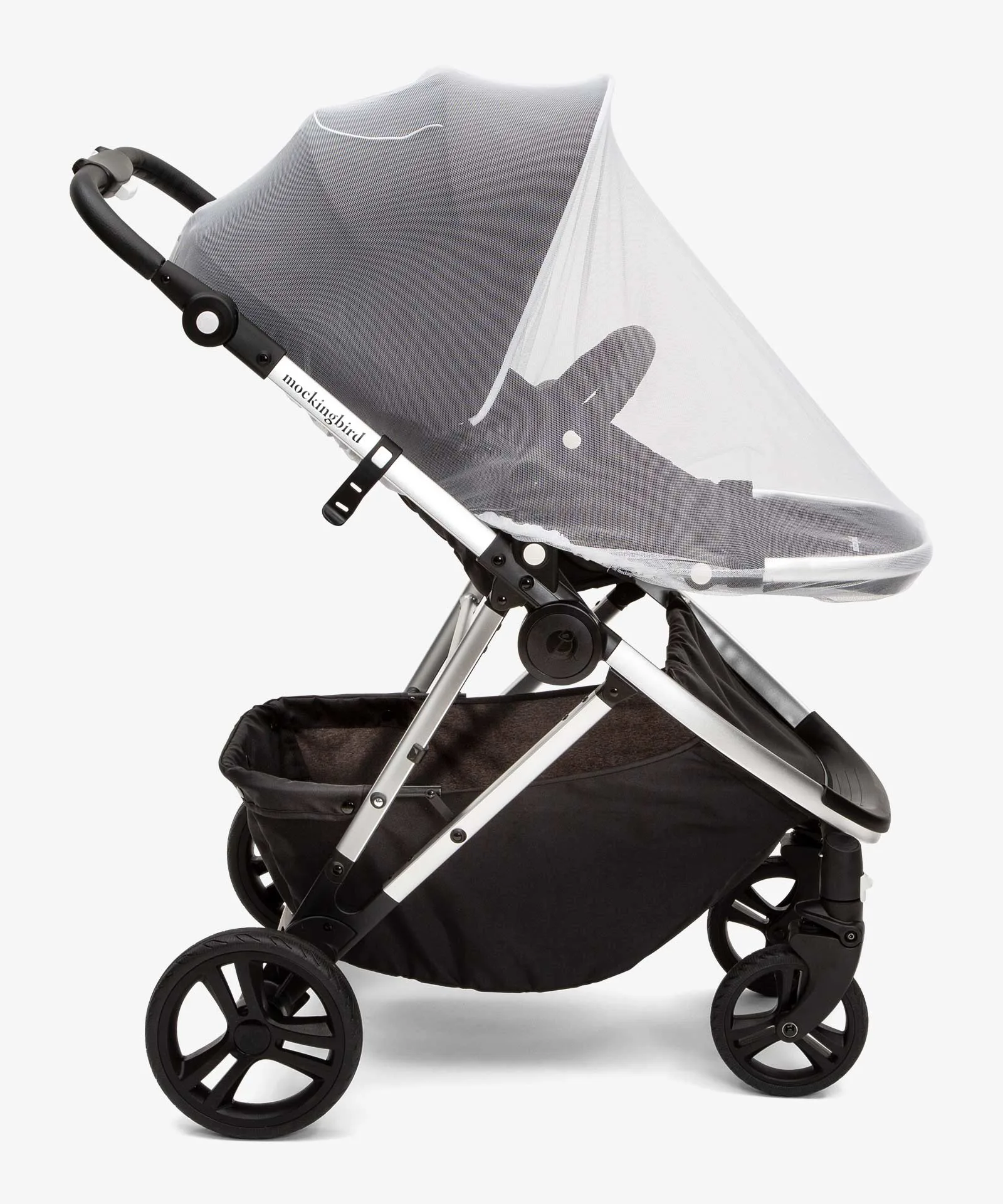
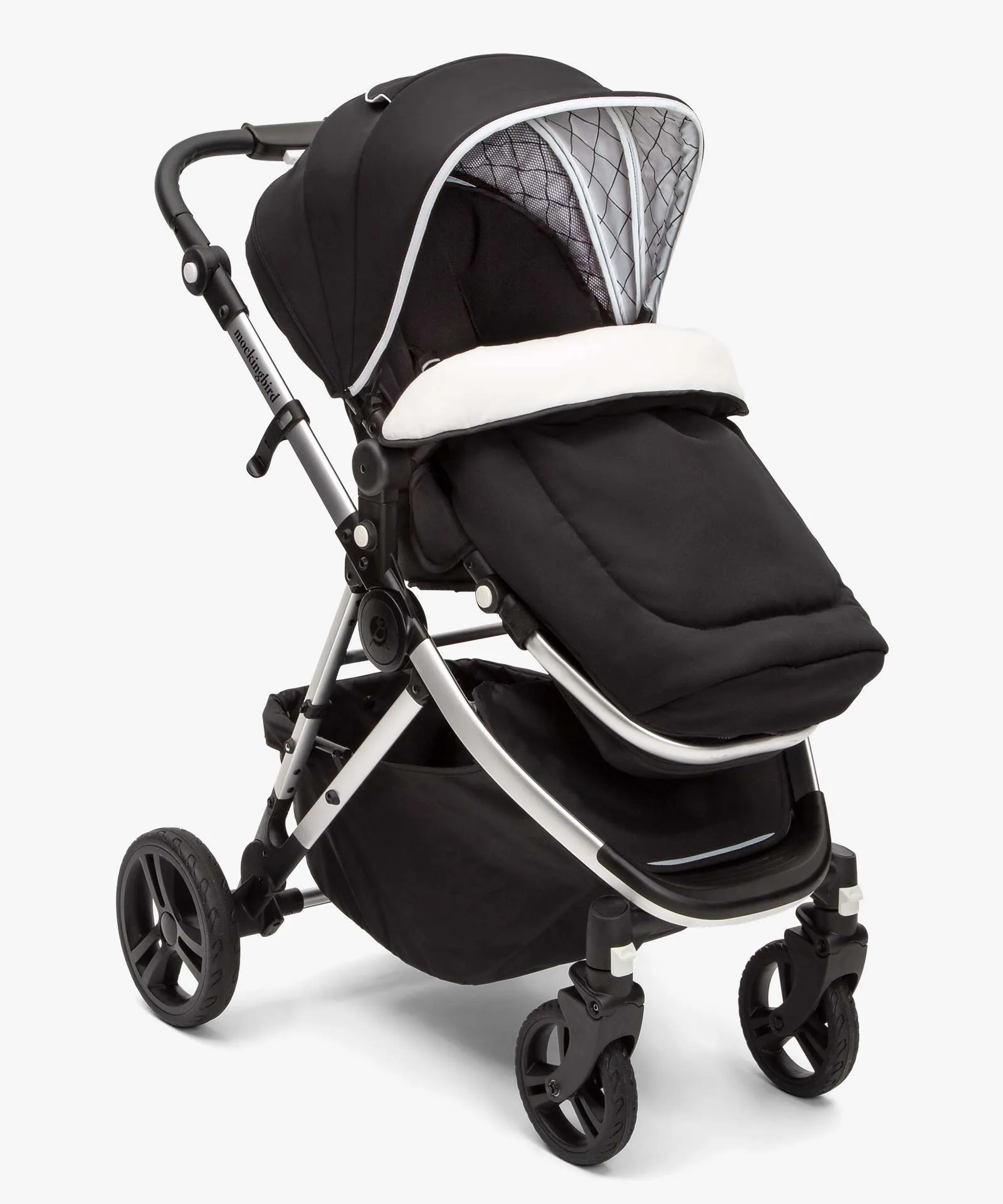
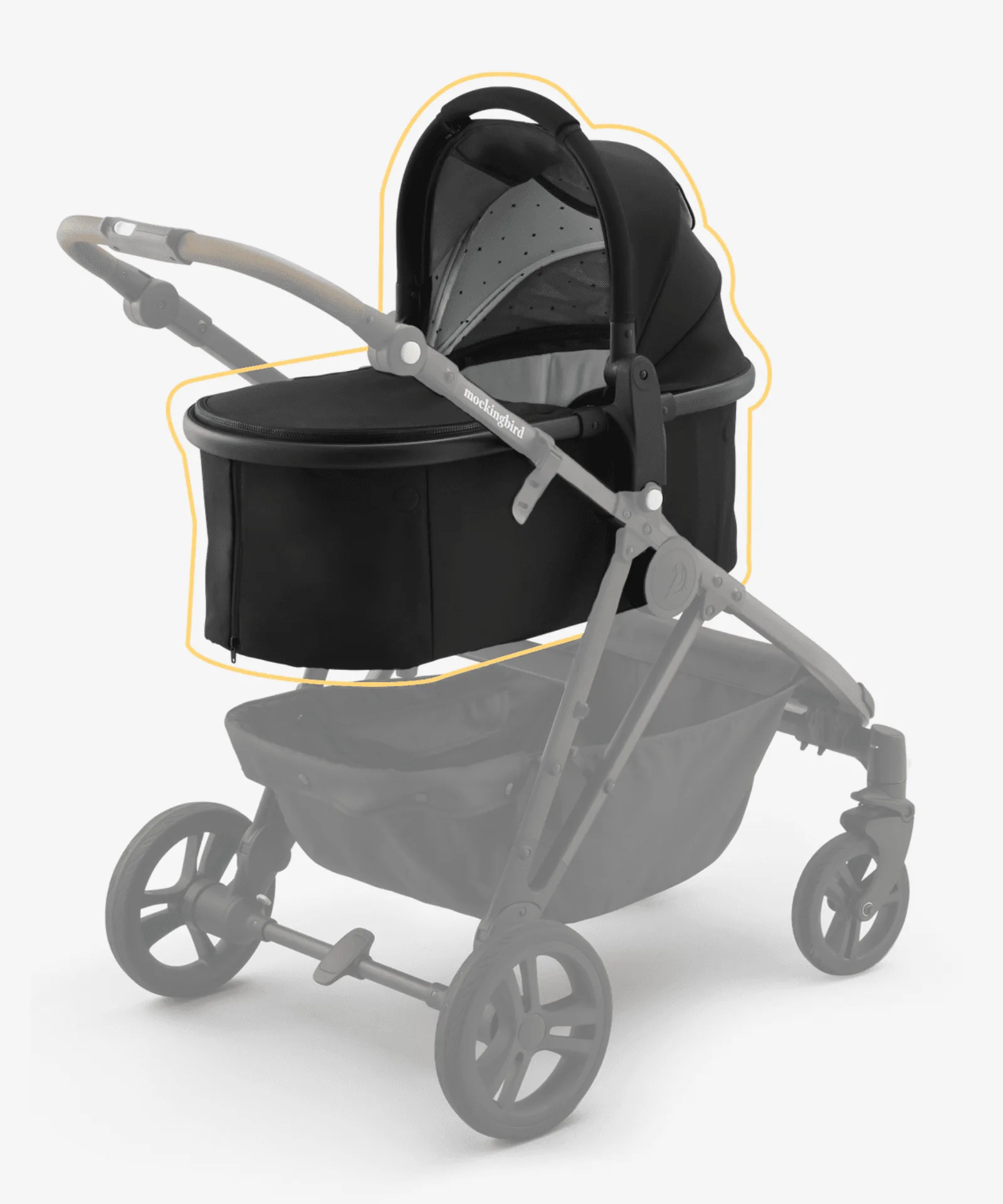
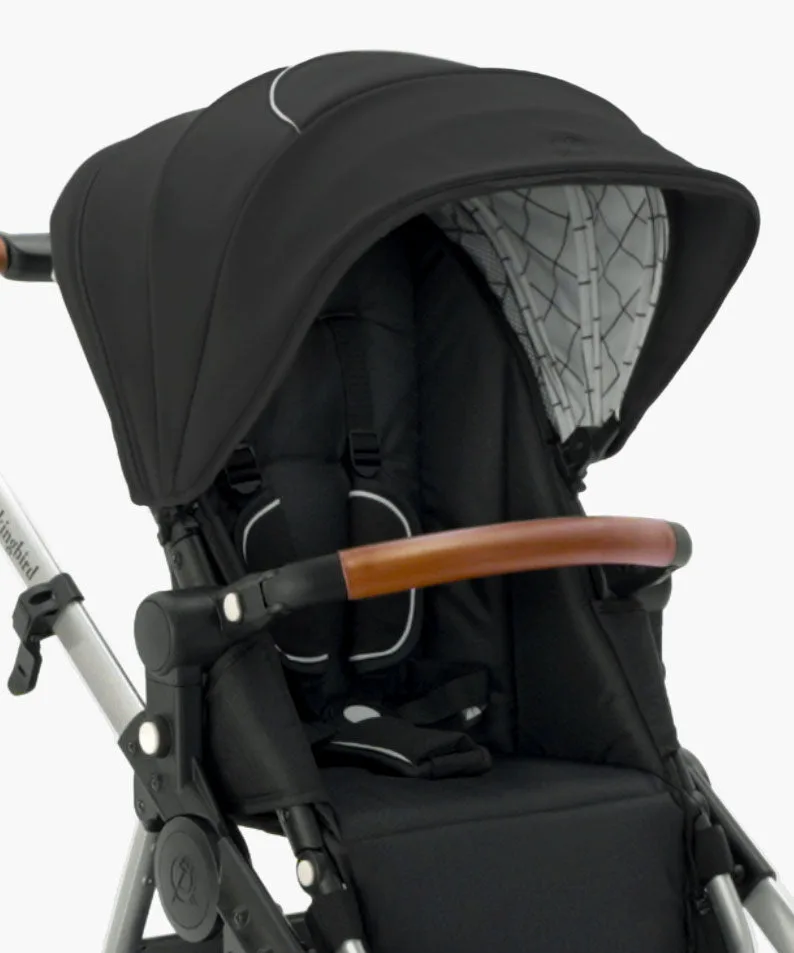
Your stroller is one of the most used baby gear items, enduring daily walks, spilled snacks, and muddy adventures. Regular maintenance not only keeps it looking new but also ensures safety and extends its lifespan. In this 2026 guide, we provide a comprehensive stroller maintenance checklist to help you keep your ride in top condition.
Whether you own a Mockingbird stroller or another brand, these universal tips apply. From cleaning wheels to checking brakes, we cover everything you need to know. Let's dive into the essential steps that will keep your stroller rolling smoothly for years to come.
Why Regular Stroller Maintenance Matters
Regular maintenance is crucial for safety and performance. A well-maintained stroller ensures that all parts function correctly, reducing the risk of accidents. It also prevents premature wear and tear, saving you money in the long run. Moreover, a clean stroller is more hygienic for your child, especially if they tend to put things in their mouths.
Beyond safety, maintenance preserves the resale value of your stroller. If you plan to pass it down or sell it, a well-cared-for stroller will fetch a better price. Investing a little time each month can significantly extend the life of your stroller, making it a worthwhile habit for any parent.
- Check the owner's manual for specific maintenance instructions.
- Perform a quick inspection before each use to catch issues early.
Essential Stroller Care Tips: Daily and Weekly Checks
Daily checks are quick and simple. Before heading out, inspect the stroller for any visible damage, such as loose screws or tears in the fabric. Ensure the brakes are working and the wheels are free of debris. A quick wipe-down of the handlebar and seat with a damp cloth can prevent dirt buildup.
Weekly, you should do a more thorough inspection. Check the tire pressure if your stroller has air-filled tires, and look for signs of wear on the wheels. Lubricate moving parts like hinges and folding mechanisms with a silicone-based lubricant. Also, clean the frame with a mild soap solution to remove grime.
- Use a soft brush to remove dirt from the wheels and undercarriage.
- Tighten any loose bolts or screws with a screwdriver.
How to Clean Stroller Wheels for Smooth Rolling
Wheels are the workhorses of your stroller, and they take a beating. To clean them properly, first remove any hair, string, or debris wrapped around the axles. Use a toothbrush or small brush to scrub the wheel treads, and rinse with water. For stubborn dirt, a mild detergent works well.
After cleaning, dry the wheels thoroughly to prevent rust. If your stroller has ball bearings, consider applying a small amount of bike grease to keep them spinning smoothly. Regular wheel maintenance not only improves maneuverability but also prevents uneven wear that could affect the stroller's alignment.
- Check for worn treads and replace wheels if they are excessively worn.
- For air-filled tires, maintain recommended pressure for optimal performance.
Caring for Your Stroller's Fabric and Frame
The fabric of your stroller, including the seat, canopy, and harness, can accumulate dirt and stains. Most removable fabrics are machine-washable, but always check the care label. Use a gentle cycle with cold water and mild detergent, then air dry. For spot cleaning, a mixture of water and vinegar works wonders.
The frame, usually made of aluminum or steel, can be cleaned with a damp cloth and mild soap. Avoid abrasive cleaners that could scratch the finish. After cleaning, dry the frame completely to prevent corrosion. Pay special attention to folding mechanisms, as dirt can cause them to jam.
- Zip all zippers before washing to prevent snags.
- Never use bleach or fabric softeners on stroller fabrics.
Seasonal Maintenance and Storage Tips
Seasonal changes require different care. In winter, salt and moisture can corrode metal parts, so wipe down the frame more frequently. In summer, sun exposure can fade fabrics, so consider using a canopy or storing the stroller in the shade. For rainy seasons, dry the stroller thoroughly after use to prevent mold.
When storing your stroller for an extended period, clean it thoroughly, remove batteries from any electronic parts, and store it in a dry, cool place. If possible, keep it in a storage bag or cover to protect it from dust. Proper storage ensures that your stroller is ready for use when you need it again.
- Apply a protective coating to metal parts to prevent rust.
- Inspect the stroller for any damage after long storage.
Mockingbird Stroller Maintenance: Specific Tips
Mockingbird strollers are known for their durability, but they still require regular care. For example, the fabric on the seat and canopy can be removed and washed. The wheels are designed for easy removal, making cleaning a breeze. Additionally, Mockingbird offers replacement parts like the Extra Stroller Canopy 2.0 and Storage Basket to keep your stroller functioning like new.
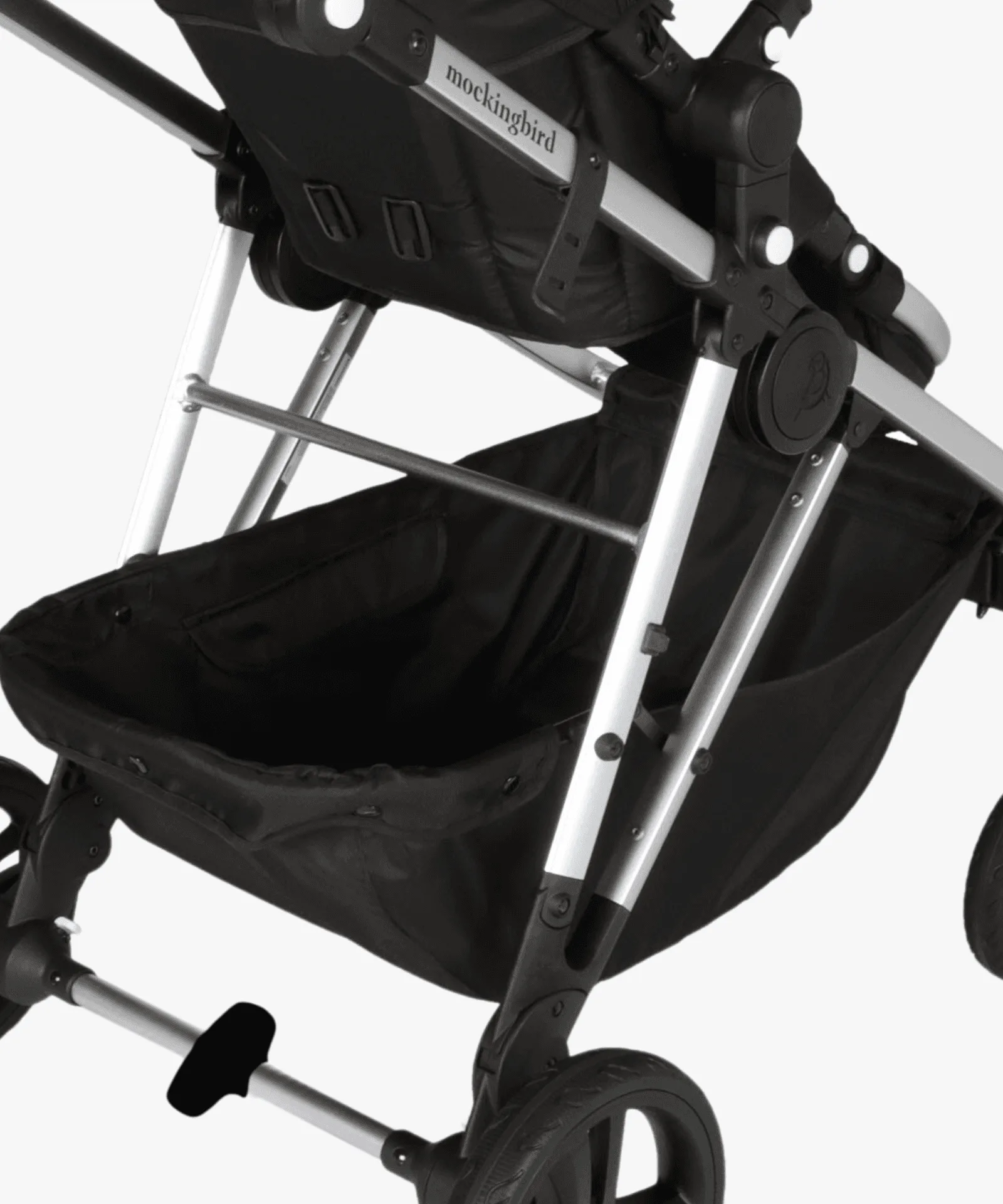
Storage Basket
If you have a Mockingbird stroller, you can also purchase accessories like the Snack Tray to enhance your child's comfort. Regular maintenance, combined with genuine replacement parts, ensures that your Mockingbird stroller remains a reliable companion for years.
- Always use official Mockingbird parts for replacements to ensure compatibility.
- Check the Mockingbird website for product-specific maintenance guides.
Keeping your stroller in top condition doesn't have to be a chore. By following this maintenance checklist, you can ensure safety, comfort, and longevity. Remember, a little care goes a long way. If you need replacement parts or accessories, explore the Extra Stroller Canopy 2.0 to refresh your stroller's look and functionality.