Quick answer
Most airlines treat an under seat bag as a personal item with a limit around 18 x 14 x 8 inches, but budget carriers often shrink that to 16 x 12 x 6 inches. Measure your airline's stated limit, then choose a soft-sided bag that compresses slightly rather than a rigid one that cannot. The CABIN SPINNER and Pacsafe GO 34L Carryon Backpack both fit under some seats and overhead compartments, but they solve the problem in different ways.
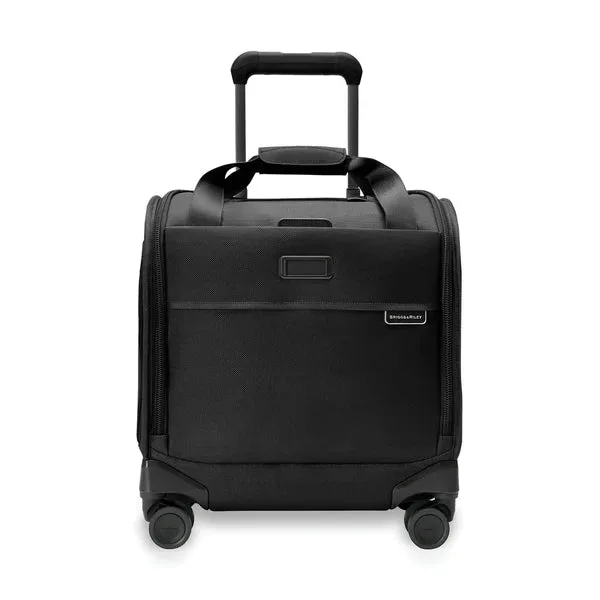
CABIN SPINNER
Paying for a carry-on you never use is one of the easiest ways to waste money on a trip. An under seat bag guide matters because the personal item allowance is usually free, while the overhead bin is often not. If your bag fits under the seat in front of you, you skip the gate fee entirely.
The catch is that personal item bag size varies more than most travelers expect. A bag that slides under one airline's seat may not fit another's, and a stuffed bag that measured correctly at home can bulge past the limit at the gate. This guide gives you concrete decision rules and fit guidance so you can choose an underseat carry on that actually works.
What actually fits under an airplane seat
The space under the seat in front of you is roughly a shoebox with a slanted front. On most mainline jets, a personal item around 18 x 14 x 8 inches slides in without a fight. On regional aircraft and budget airline fleets, the space narrows, and some carriers publish limits closer to 16 x 12 x 6 inches. Always check the specific airline's stated personal item size before you buy.
Height is the dimension that surprises people. A bag can be narrow and deep enough but still too tall to clear the seat frame. Soft-sided bags have an advantage here because they compress when you push them in. A structured bag with a hard frame or a rigid laptop sleeve at the top will resist that compression and may not fit at all.
- Measure the airline's limit, then subtract half an inch from each dimension for a realistic packing target.
- Test your loaded bag at home by sliding it under a chair with a similar clearance.
- Remember that the seat in front of you reclines, which reduces the space mid-flight.
How to measure your personal item bag size correctly
Measure the bag when it is packed, not empty. A soft bag that measures 17 inches tall empty can bulge to 19 inches when you fill the main compartment and front pockets. Airlines measure the outside of the bag, including handles, wheels, and any pocket that sticks out. If your bag has a luggage pass-through sleeve, that sleeve adds depth when it is not in use.
Use a tape measure and check length, width, and depth against the airline's published numbers. If you are between sizes, choose the smaller bag or one with compression straps. Compression straps let you cinch the bag down after packing, which is the single most useful feature for staying inside a strict personal item limit.
- Weigh the packed bag too, since some personal item limits include a weight cap.
- Photograph your packed bag next to a tape measure in case a gate agent asks.
- Avoid overstuffing front pockets, which is what most often pushes a bag over the limit.
Underseat carry on designs and what they trade off
There are three common shapes. A backpack keeps your hands free and usually compresses well, but it can be awkward to access in a tight seat. A tote or shoulder bag is easy to reach during the flight, but it puts weight on one shoulder and often lacks structure. A small spinner or wheeled underseat bag rolls instead of carrying, but wheels and a handle eat into the usable packing space and add rigidity.
The right choice depends on how you move. If you walk long distances through airports, a backpack or a spinner saves your back. If you mostly sit and want quick access to a laptop or snacks, an underseat tote or sling is more practical. None of these is universally better; each trades carrying comfort against access and packing volume.
- Choose a backpack if you want maximum capacity for the measured footprint.
- Choose a tote or sling if you need to reach your essentials without standing up.
- Choose a small spinner only if rolling matters more to you than every inch of packing space.
Why an under seat bag saves you money
Budget airlines make money on ancillary fees, and the carry-on bag fee is one of the biggest. A personal item that fits under the seat is usually included in the base fare, while a full carry-on often costs extra each way. On a round trip, that difference can exceed the price of a good under seat bag, which is why the bag pays for itself quickly.
There is a second saving that is easy to overlook. If your under seat bag holds everything you need for a short trip, you avoid checking a bag and you avoid waiting at the carousel. That saves time as well as money. The trade-off is packing discipline: you have less volume, so you need to pack deliberately rather than throw things in.
- Check the fee for a carry-on versus a personal item on your specific route before you fly.
- Pack for the personal item limit first, then decide whether you truly need a second bag.
- Keep a packable tote inside your under seat bag for souvenirs or overflow on the return trip.
Features that matter more than brand names
Compression straps, a clamshell opening, and a lockable main compartment are the features that most affect how well an under seat bag works. A clamshell opening lets you pack and access the bag like a suitcase, which is much easier in a cramped seat. A lockable main compartment adds security in transit, though it does not replace keeping valuables on your body.
Interior organization matters too. A contrasting lining makes it easier to find small items in low cabin light. Padded laptop and tablet compartments protect devices, but they also add bulk, so only choose them if you actually carry those devices. Exterior pockets are convenient but they expand the bag's footprint, so use them sparingly when the limit is tight.
- Prioritize compression straps if your airline's limit is strict.
- Choose a clamshell opening if you pack and unpack often during a trip.
- Skip padded device compartments if you do not carry a laptop or tablet.
Decision rules for choosing an under seat bag
- If your airline limit is 16 x 12 x 6 inches or smaller: Choose a soft-sided backpack or sling with compression straps, and avoid any bag with a rigid frame or fixed wheels. Compression is the difference between fitting and paying a gate fee.
- If you need in-seat access to a laptop or snacks: Choose a tote, sling, or clamshell backpack that opens flat, rather than a top-loading duffel or spinner. Access matters more than capacity on short flights.
- If you walk long distances through airports: Choose a backpack or a small spinner so the weight stays off one shoulder, and accept that wheels reduce usable packing space. Carrying comfort and packing volume trade off against each other.
- If you want one bag for both travel and daily use: Choose a design with padded device compartments and a clamshell opening, such as the TRAVELER BACKPACK, and pack it as your personal item. Dual-purpose bags save money by replacing a second purchase.
- If you are unsure between two sizes: Buy the smaller one or the one with compression straps, and test it packed under a chair before your trip. The smaller bag is the safer financial choice.
Products that fit this decision
- CABIN SPINNER: It has a roomy, gusseted main compartment and fits under some airline seats and overhead compartments. If you want a wheeled option that still qualifies as a personal item, this is the one to measure against your airline's limit first.
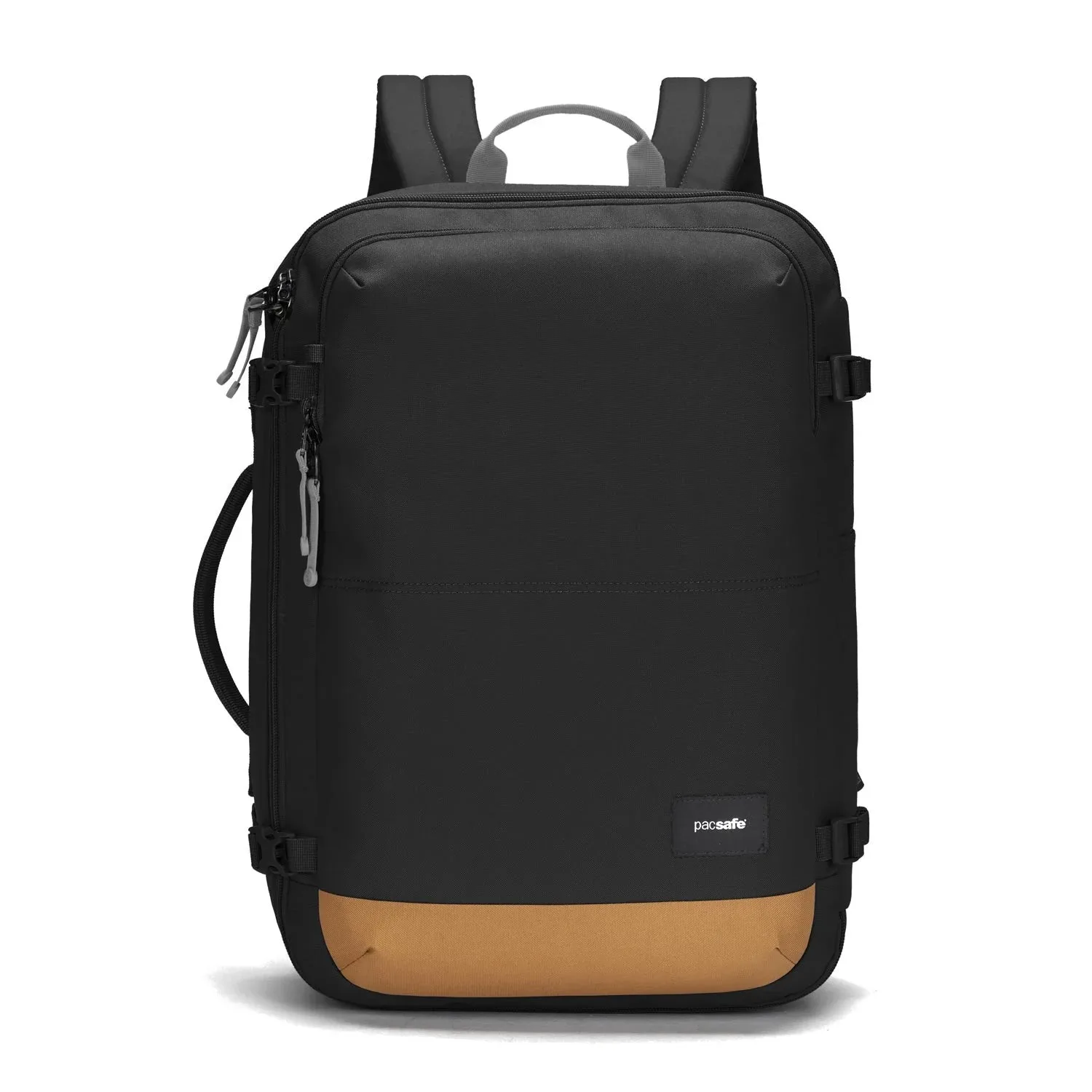
- Pacsafe® GO 34L Carryon Backpack: It offers 34L of capacity, a lockable main compartment that opens like a suitcase, a sturdy side handle for suitcase-style carrying, and side compression straps to stabilize the bag when it is not full. The clamshell opening and compression straps make it easier to pack and cinch down, which helps you stay inside a strict personal item size.
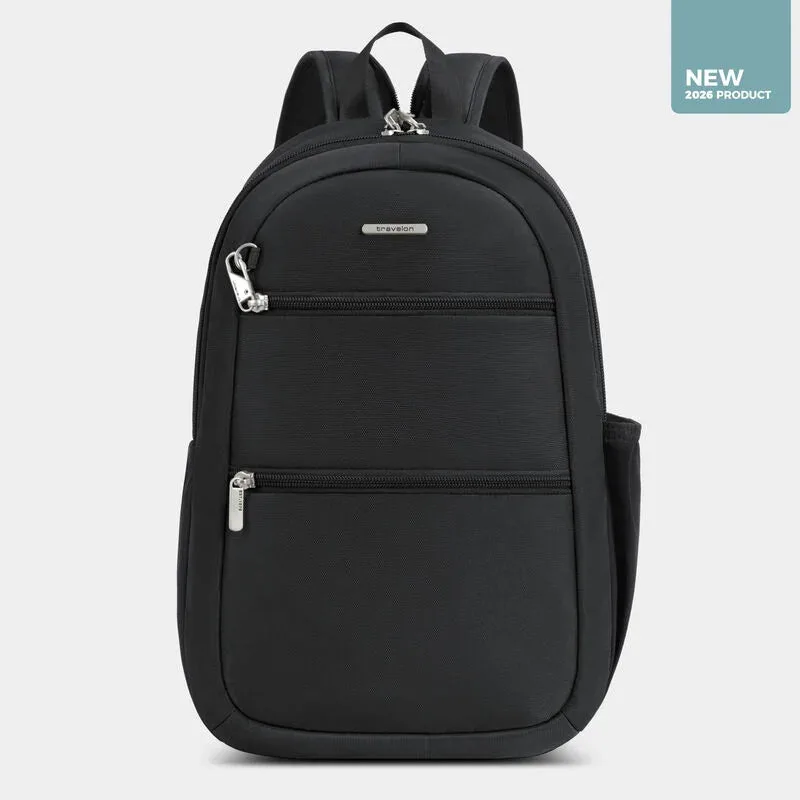
- Travelon A-T Classic Convertible Sling Backpack: It is part of the Classic Anti-Theft collection, known for reliability and smart design, and it converts between sling and backpack carry. A convertible sling keeps essentials accessible in a tight seat and can be worn on your front in crowded areas, which suits short trips where security matters.
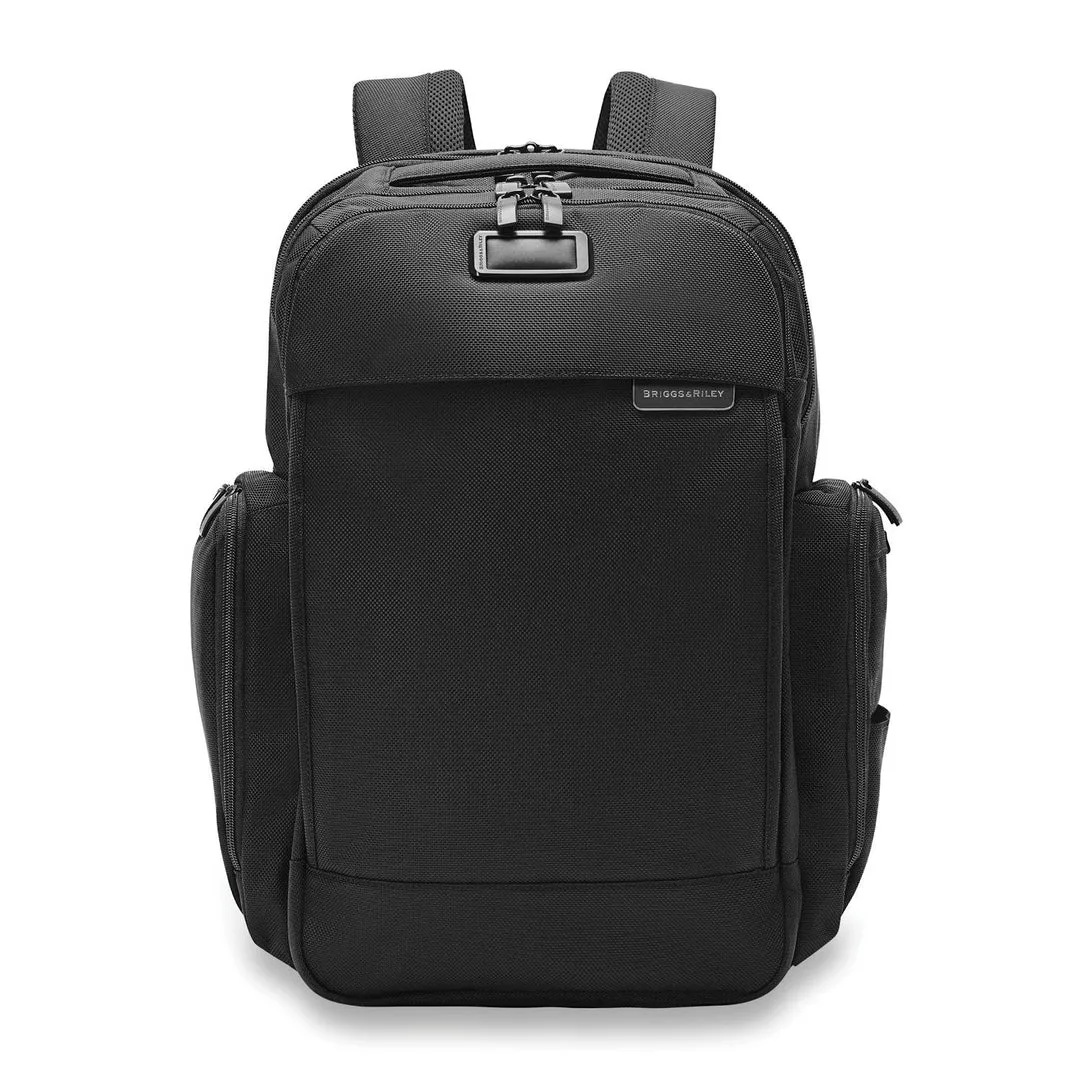
- TRAVELER BACKPACK: It has padded laptop and tablet compartments and a clamshell opening for easy access at security checkpoints, and it can combine with luggage for two-in-one transport. If you carry devices and want one bag that works for both the flight and the office, this design prioritizes access and device protection over maximum packing volume.
Who this guide is for
Best for
- Travelers flying budget airlines who want to avoid carry-on fees
- Short-trip and weekend travelers who can pack in a personal item
- Commuters who want one bag that works for both the flight and the office
Not for
- Travelers who need to bring more than a few days of clothing or bulky gear
- Anyone who requires a full-size carry-on or checked luggage for their trip
- Travelers who prefer a rigid, structured bag and are unwilling to compress their packing
Measure your airline's personal item limit first, then choose a soft-sided bag that compresses and opens for easy access. The money you save on carry-on fees usually covers the bag on the first round trip, and the right design keeps the bag under the seat instead of at the gate counter.