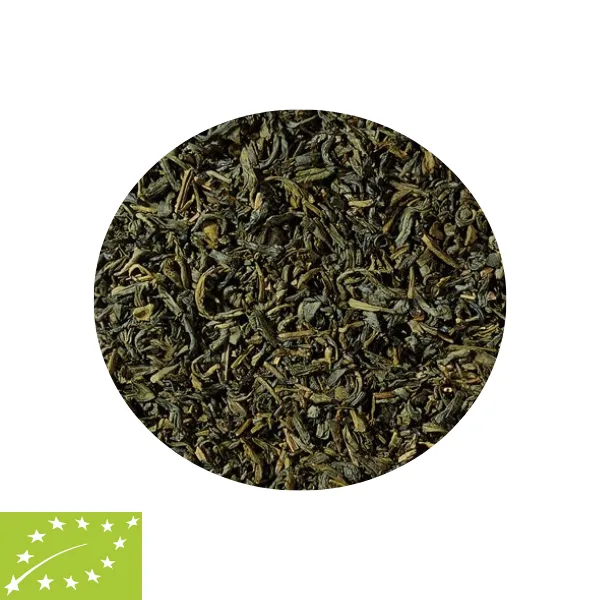
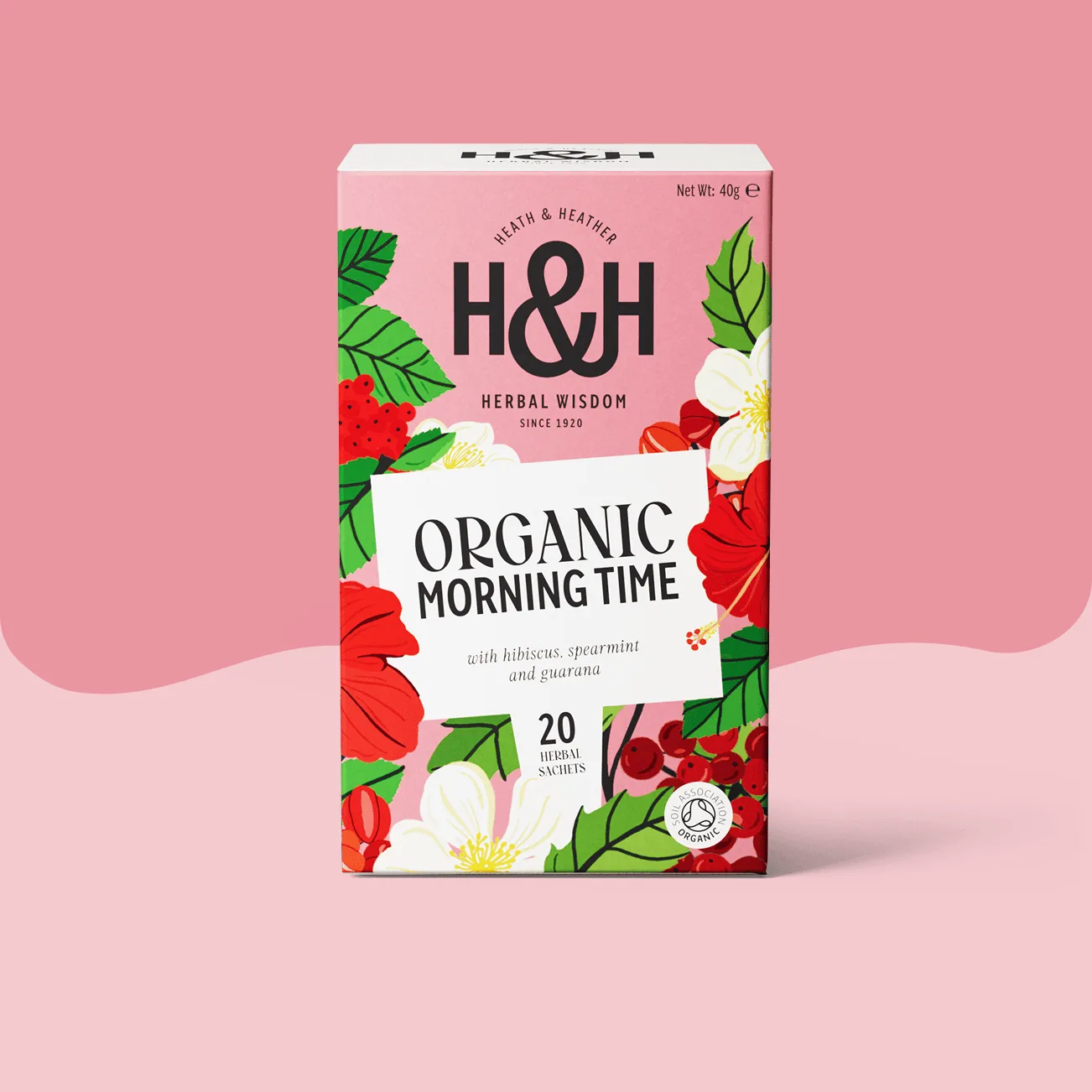
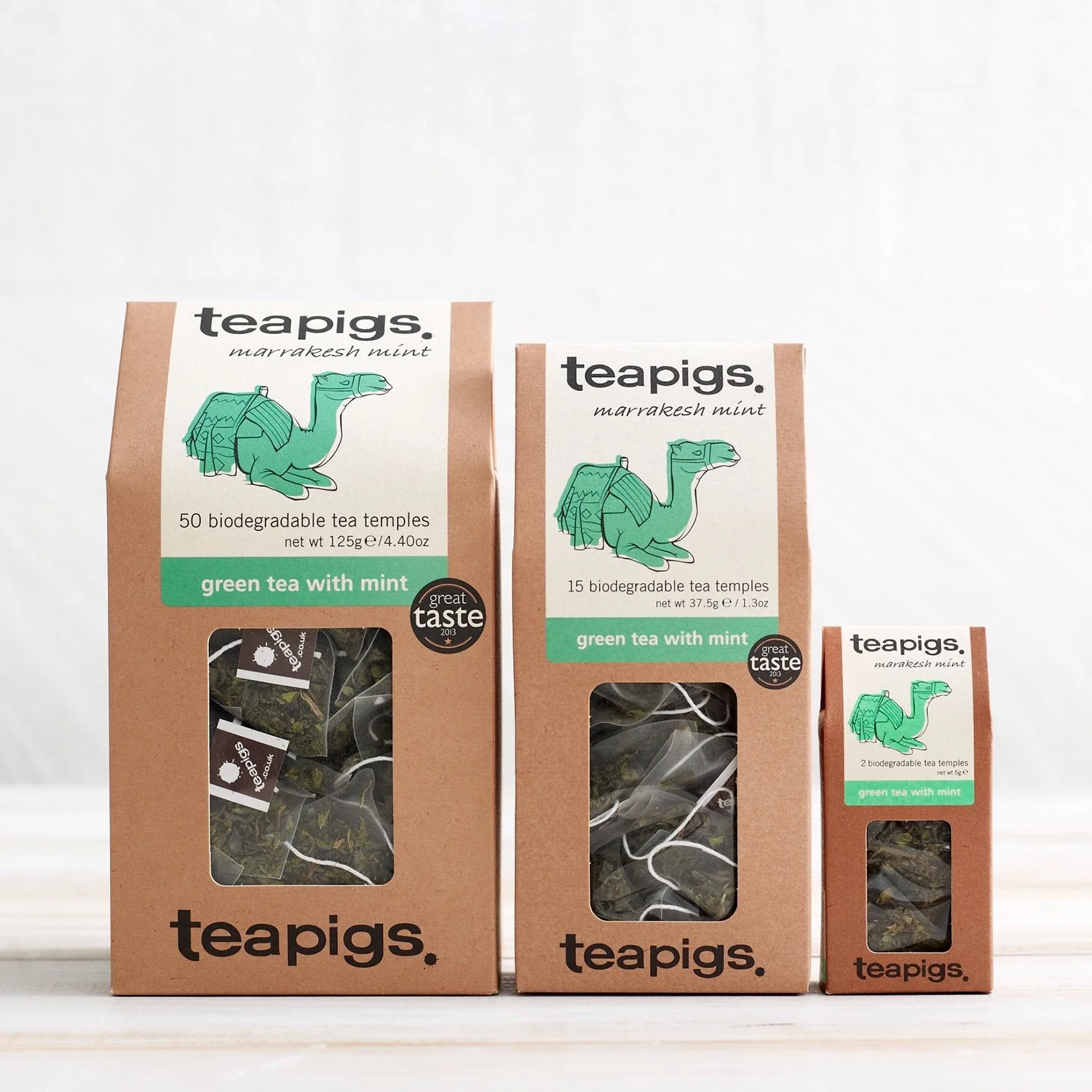
For many tea drinkers, caffeine is a key consideration when choosing their daily brew. Whether you're looking for an energizing morning cup or a soothing evening beverage, understanding the caffeine content in different tea types can help you make informed choices. Contrary to popular belief, not all teas contain the same amount of caffeine, and factors like plant variety, processing, and brewing method all play a role.
In this guide, we'll break down the caffeine levels across major tea categories—black, green, white, oolong, and herbal—and share practical tips for managing your caffeine intake while still enjoying the rich flavors and health benefits of tea. Whether you're a seasoned tea lover or just beginning your journey, this article will help you navigate the world of tea caffeine content with confidence.
How Caffeine in Tea Differs from Coffee
Tea and coffee both contain caffeine, but the experience is quite different. A typical cup of black tea contains about 40-70 mg of caffeine, while a similar serving of coffee can have 95-200 mg. However, tea also contains L-theanine, an amino acid that promotes relaxation and can moderate the jittery effects of caffeine, leading to a smoother, more sustained energy boost.
This unique combination makes tea an excellent choice for those who want a gentle lift without the crash. Additionally, the caffeine in tea is absorbed more slowly because of the presence of antioxidants and other compounds, providing a calmer alertness that many find preferable for work or study.
- Tip: If you're sensitive to caffeine, try a shorter steep time or cooler water to extract less caffeine from your leaves.
Caffeine Levels by Tea Type: A Quick Comparison
The caffeine content in tea varies significantly depending on the type and how it's processed. Here's a general guide to help you understand what to expect:
Black tea typically has the highest caffeine content among traditional teas, ranging from 40-70 mg per cup. Green tea contains about 20-45 mg, while white tea can have as little as 15-30 mg. Oolong tea falls in the middle, with 30-50 mg. Herbal teas, such as chamomile or peppermint, are naturally caffeine-free, making them perfect for evening relaxation.
- Black tea: 40-70 mg per cup
- Green tea: 20-45 mg per cup
- White tea: 15-30 mg per cup
- Oolong tea: 30-50 mg per cup
- Herbal tea: 0 mg per cup
Factors That Influence Caffeine Content in Your Cup
Several factors determine how much caffeine ends up in your tea. The plant variety is important—Camellia sinensis var. assamica tends to have more caffeine than sinensis. The part of the plant used also matters: younger leaves and buds contain more caffeine than mature leaves. Processing methods, such as oxidation, can also affect levels, though the relationship is complex.
Brewing parameters have a huge impact. Hotter water and longer steep times extract more caffeine. For example, steeping green tea at 175°F for 2 minutes yields less caffeine than steeping black tea at 212°F for 5 minutes. If you want to reduce caffeine, try using cooler water, steeping for a shorter time, or discarding the first infusion (a common practice with certain teas).
- Tip: Use a loose leaf tea infuser to control your brew strength and experiment with different steeping times.
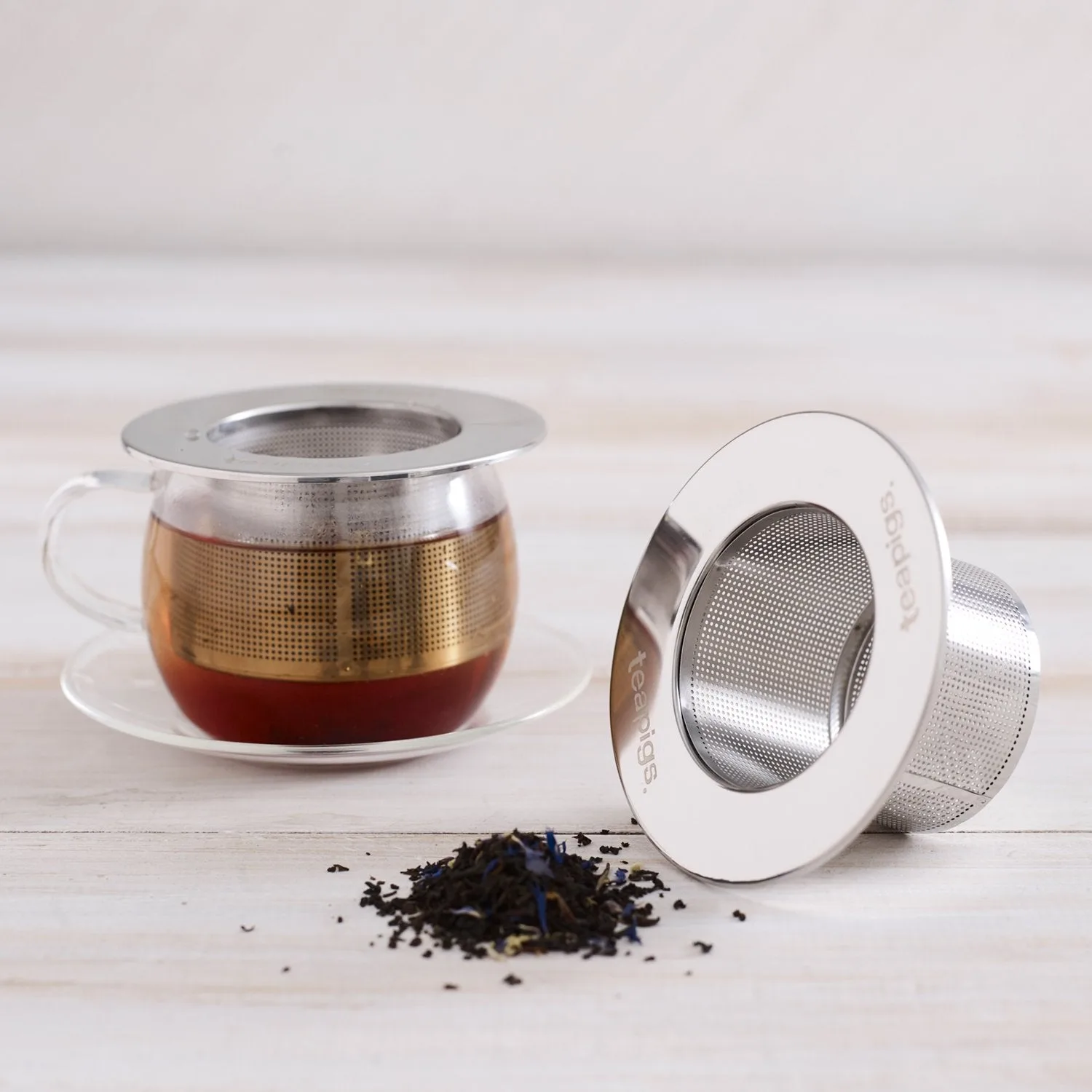
loose leaf tea infuser
Low-Caffeine and Caffeine-Free Options for Every Time of Day
If you're looking to cut back on caffeine, there are plenty of delicious options. White tea and some green teas naturally have lower caffeine levels, making them great for afternoon sipping. For a completely caffeine-free experience, herbal teas like rooibos, chamomile, and peppermint offer a wide range of flavors without any stimulants.
Decaffeinated teas are also available, though they still contain trace amounts (usually 2-5 mg per cup). The decaffeination process can affect flavor, so many tea lovers prefer naturally low-caffeine teas. You can also explore blends that combine low-caffeine teas with herbs for a unique taste profile.
- Popular low-caffeine teas: white tea, hojicha (roasted green tea), and some oolongs.
- Caffeine-free herbal favorites: chamomile, peppermint, rooibos, and hibiscus.
Tips for Managing Your Caffeine Intake with Tea
Start your day with a robust black tea for a gentle energy boost, then switch to green or white tea as the day progresses. In the evening, choose a caffeine-free herbal blend to wind down. If you're sensitive, avoid over-steeping and use smaller leaves, which release caffeine more quickly.
Another tip is to pair your tea with food, as this can slow caffeine absorption. Also, remember that different brands and batches can vary, so pay attention to how your body responds. Keeping a simple tea journal can help you identify which teas work best for your energy levels and sleep quality.
- Try a teapigs best seller letterbox sample box to explore different tea types and find your perfect caffeine match.
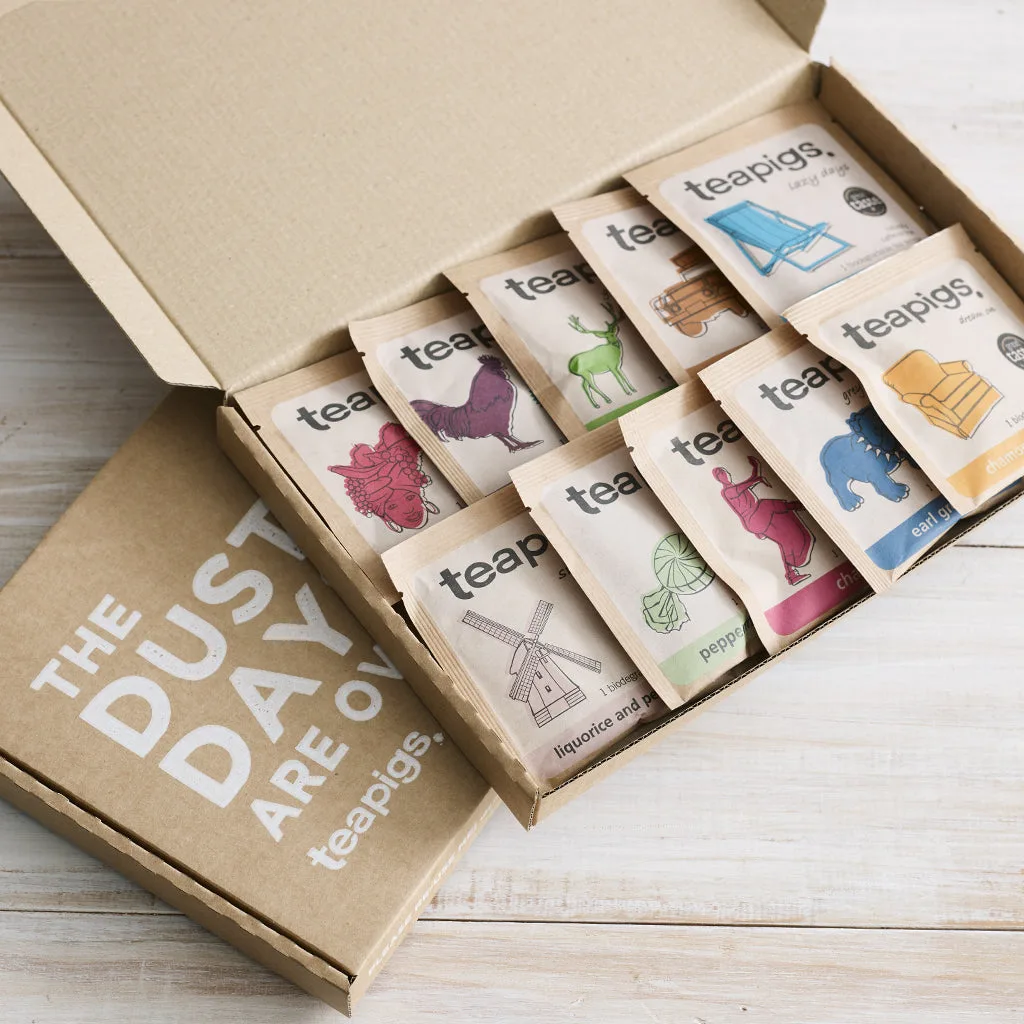
teapigs best seller letterbox sample box
Understanding caffeine levels in tea empowers you to choose the right brew for any moment. Whether you need a morning pick-me-up or a calming evening ritual, there's a tea out there for you. Explore our selection of high-quality teas and accessories to find your new favorite cup.