Quick answer
White tea generally contains less caffeine than green tea and offers a delicate, subtly sweet flavor, while green tea provides a more vegetal, grassy taste with moderate caffeine. Your choice depends on whether you prefer a gentle, low-caffeine brew or a slightly more energizing cup with bolder flavor.
Caffeine: White Tea vs Green Tea
Both white and green teas come from the same plant, Camellia sinensis, but their caffeine levels differ due to harvest timing and processing. White tea is made from young buds and leaves that are minimally processed, which often results in a lower caffeine content per cup. Green tea undergoes more oxidation and rolling, which can extract more caffeine during brewing. However, exact caffeine amounts vary by leaf type, water temperature, and steeping time.
For a lower caffeine option, white tea is the better bet. If you want a gentle energy lift without the jitters, a cup of white tea can provide a calm alertness. Green tea offers a moderate caffeine boost that many find sufficient for morning or early afternoon focus.
Flavor Profiles Compared
White tea is known for its delicate, subtly sweet flavor with floral and honey-like notes. It is light-bodied and refreshing, making it an excellent choice for those who prefer a gentle, nuanced cup. Green tea, on the other hand, offers a grassy, vegetal flavor that can range from savory to slightly bitter, depending on the variety and brewing method.
If you enjoy a mild, sweet infusion, white tea is your pick. For a more robust, earthy taste, green tea delivers. Both can be enjoyed hot or iced, but white tea's subtlety shines when brewed at lower temperatures to avoid bitterness.
Organic Benefits and Brewing Tips
Choosing organic white or green tea ensures you avoid synthetic pesticides and fertilizers, which can affect both flavor and your health. Organic certification also supports sustainable farming practices. For white tea, use water around 175°F and steep for 4-5 minutes. For green tea, water at 170-180°F and a steeping time of 2-3 minutes bring out the best flavor without excessive bitterness.
Experiment with both to discover your preference. Many tea drinkers enjoy white tea in the evening for its low caffeine and soothing taste, while green tea is a popular morning or afternoon choice.
Trade-offs at a Glance
- Caffeine content: White tea generally has less caffeine than green tea, but individual brewing can vary. Choose white tea for lower caffeine, green tea for a moderate boost.
- Flavor intensity: White tea is delicate and sweet; green tea is grassy and more pronounced. White tea suits gentle palates; green tea satisfies those who want bolder taste.
- Brewing ease: White tea needs lower temperature and longer steeping; green tea is more forgiving but can turn bitter if over-steeped. White tea requires a bit more care; green tea is easier for beginners.
Explore Organic Options
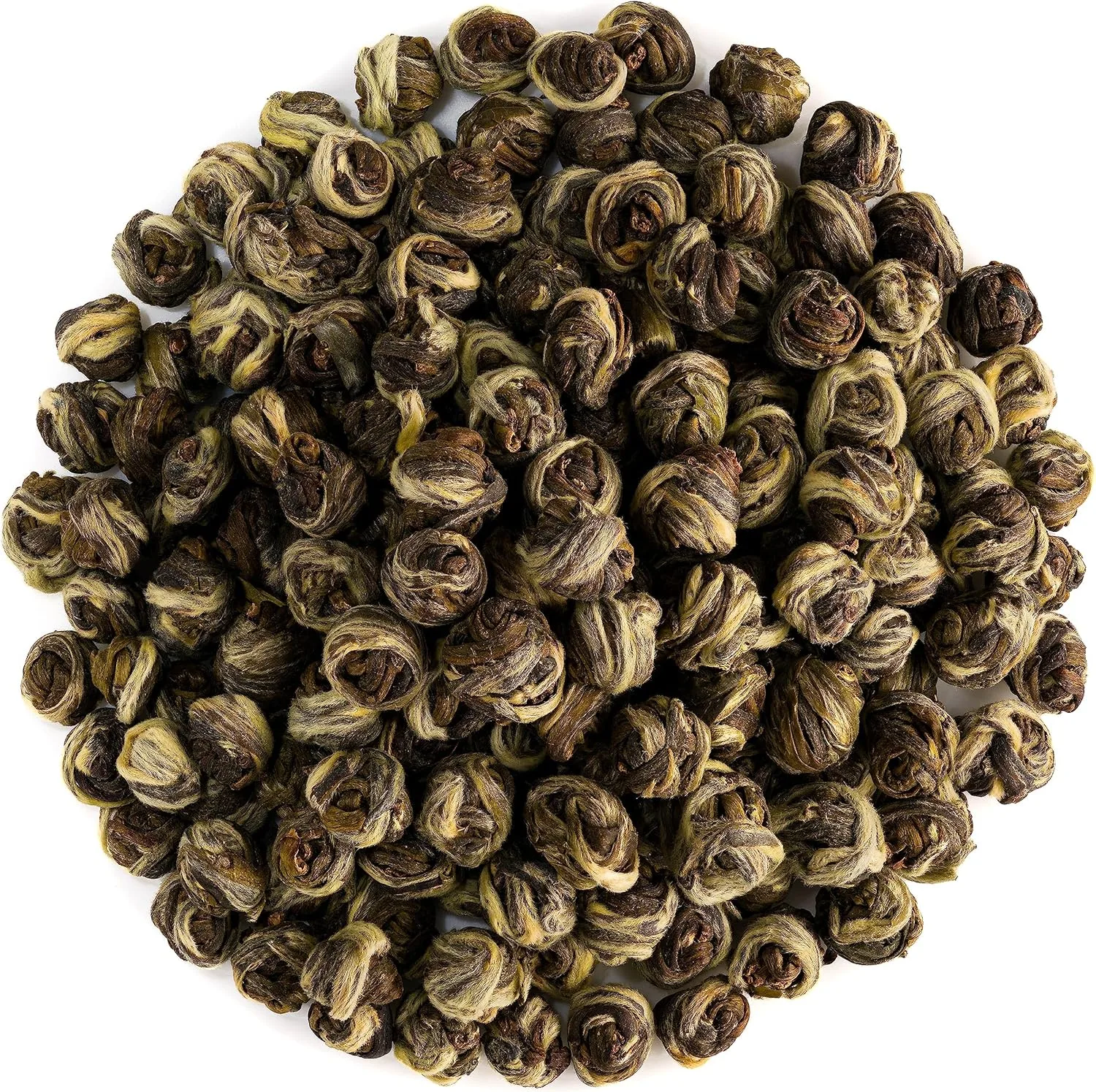
- Organic China Jasmine Dragon Phoenix Pearl Tea: Organic China Jasmine Dragon Phoenix Pearl Tea is a green tea with a floral, jasmine scent and a smooth taste. If you prefer green tea with a delicate floral twist, this is a refined choice that adds aromatic complexity.
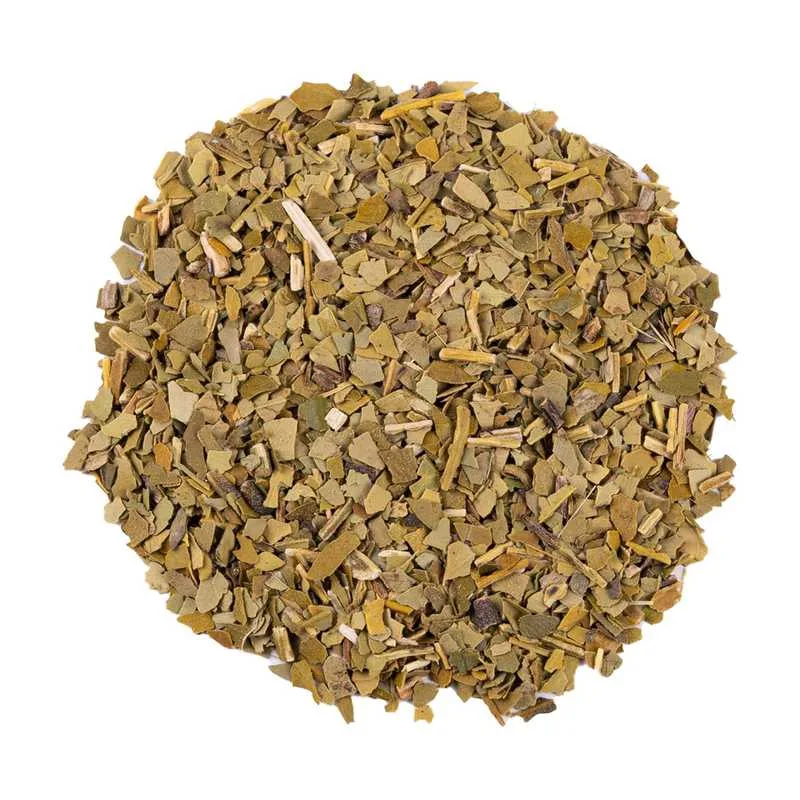
- Organic Mate Green (Organic Yerba Mate) Loose Leaf Tea: Organic Mate Green (Yerba Mate) Loose Leaf Tea has an earthy, herbaceous flavor and is a green tea alternative with higher caffeine. For those who want a more energizing green tea experience with a distinct South American character, this is a great option.
- Organic Chun Mee Green Loose Leaf Tea: Organic Chun Mee Green Loose Leaf Tea offers a classic, tangy flavor with subtle sweetness. This traditional Chinese green tea is perfect for those who enjoy a clean, slightly tart cup that pairs well with food.
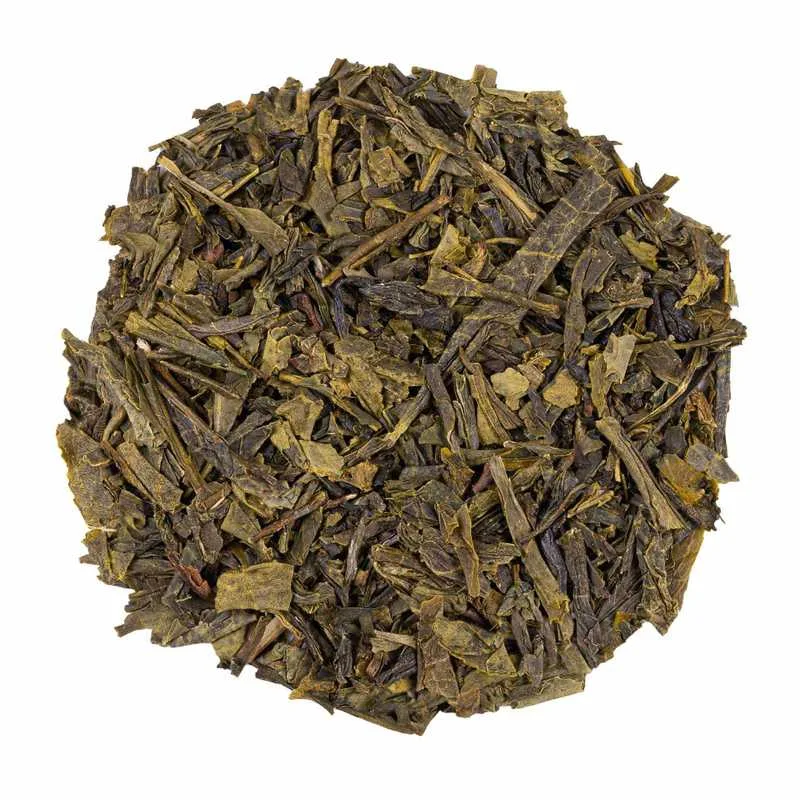
- Organic China Bancha Green Tea: Organic China Bancha Green Tea is a light, gentle green tea with lower caffeine content. If you like green tea but want a milder caffeine effect, Bancha provides a smooth, easy-drinking option.
Which Tea Is Right for You?
Best for
- Those seeking a low-caffeine, subtly sweet tea for relaxation or evening
- Tea drinkers who enjoy delicate floral or honey-like flavors
Not ideal for
- People who need a stronger caffeine kick to start the day
- Those who prefer bold, vegetal, or grassy tea flavors