Quick answer
Underwire pain usually comes from a band that's too loose, cups that are too small, or wires sitting on breast tissue instead of around it. Check your band first: it should be snug on the loosest hook. If the wire still digs in, try a larger cup size or a different wire shape, like a balconette. If pain persists after two or three adjustments, switch to a wireless style.
You take your bra off at the end of the day and feel instant relief from red marks or a dull ache under your bust. That's not just 'normal'—it's a sign something about the fit is off. The good news is that most underwire pain has a fixable cause, and you don't need to abandon underwire altogether.
This guide walks through the most common reasons an underwire bra hurts, what to do about each one, and when it's time to stop adjusting and choose a different style. We'll also look at a few Hope Lingerie bras that address specific fit issues, so you can see how small design changes make a big difference.
Why does my underwire bra hurt? Start with the band
The band does most of the work in an underwire bra—it anchors the wires so they stay flat against your ribcage. If the band is too loose, the bra rides up in back, the wires tilt forward, and the ends dig into your underarms or sternum. If the band is too tight, it can cause rib pain and leave deep marks. A well-fitting band sits level all the way around and stays put when you lift your arms.
Test your band: fasten it on the loosest hook. You should be able to slide two fingers under the band at the back, but not pull it away more than an inch. If it's looser than that, size down. If it's tighter, size up or use an extender temporarily. Remember that bands stretch over time, so a new bra should feel snug on the loosest hook—that gives you room to tighten it as the elastic relaxes.
- Band riding up in back? It's too loose—size down or tighten the hooks.
- Red marks under the band? It's too tight—size up or loosen the hooks.
- If the band is correct but the wires still dig, move on to cup size and shape.
Cup size and shape: the second most common culprit
If the wire sits on your breast tissue instead of flat against your ribcage, the cup is likely too small or too shallow. This shows up as the wire pressing into the sides of your breasts, spilling over the top, or the center gore not lying flat. A too-small cup also pushes the wire down, which can cause pain at the bottom of the bust. Going up a cup size often solves this instantly.
Cup shape matters too. A demi-cup or balconette bra has a shorter wire that follows the natural curve of your breast, which can be more comfortable if you have a shallow or wide root. A full-cup bra has a taller wire that may dig into your underarm if your breast tissue is positioned lower. If you've tried multiple sizes and still hurt, the wire shape might be the issue—not the size.
- Wire sitting on breast tissue? Go up a cup size.
- Center gore not touching your chest? The cup is too small or too shallow.
- Pain under the arms? Try a balconette or demi-cup with a shorter wire.
Underwire digging in fix: adjust the wire and straps
Sometimes the fix is simpler than a new size. The underwire should sit flat against your ribcage, not on top of breast tissue. After putting your bra on, lean forward and use your hand to scoop your breast tissue into the cup, making sure the wire sits underneath. Then tighten the straps just enough to feel supported—over-tightening pulls the back band up and tilts the wires forward, causing digging.
If the wire pokes you at the center, check that the gore (the piece between the cups) lies flat against your sternum. If it floats, the band or cup size is off. If the wire pokes at the sides, the cup may be too small or the wire may be too long for your torso. In that case, look for bras with shorter wires or a different silhouette.
- Scoop and swoop: lean forward and settle your breasts into the cups.
- Straps should be snug but not tight—you should fit one finger under them.
- If the center gore floats, try a larger cup or a different style.
When to stop adjusting and choose another option
If you've tried band adjustments, cup size changes, and different wire shapes, and you still have pain after a full day of wear, it's time to consider a wireless bra. Wireless bras distribute pressure differently and can be very supportive, especially in a soft triangle or moulded cup design. They won't give the same lift as an underwire, but they eliminate wire-related digging entirely.
You might also try a bra with a wider band or a longline style, which spreads pressure over a larger area. If you have a medical condition like costochondritis or fibromyalgia, underwire may never be comfortable—listen to your body. A bra should support you, not hurt you. If pain persists even after switching to wireless, see a healthcare professional to rule out other causes.
- Try a wireless bra for a few days—if the pain disappears, the wire was the problem.
- Wider bands and longline styles can reduce pressure points.
- Persistent pain? Consult a doctor; it may not be bra-related.
Underwire pain diagnosis: symptom, cause, and fix
- Wire digging into underarms or sides: The cup is likely too small or the wire is too long for your torso. Try going up a cup size or switching to a balconette style with a shorter wire. If the wire still digs after sizing up, the wire shape is wrong for your body—choose a different silhouette.
- Wire pressing into the center of your chest: The gore isn't lying flat, which usually means the band is too loose or the cups are too small. Tighten the band or go up a cup size. If the gore floats even on the tightest hook, the band size is too big—size down.
- Pain under the bust or at the bottom of the cups: The wire is sitting on breast tissue instead of your ribcage. Scoop your breasts into the cups and ensure the wire is flat against your ribs. If it still hurts, the cup is too shallow—try a different style. If adjusting doesn't help, switch to a wireless bra for relief.
- Red marks or rib pain from the band: The band is too tight. Size up or use an extender. Remember that a new bra should fit snugly on the loosest hook. If the band leaves marks but doesn't feel tight, the cup size may be too small, pushing the band out of place.
- Pain persists after multiple adjustments: You've tried different sizes and styles, but the underwire still hurts. It's time to switch to a wireless bra or consult a healthcare professional if pain continues. Don't force yourself to wear an uncomfortable bra—your comfort matters most.
Hope Lingerie styles that address common underwire issues
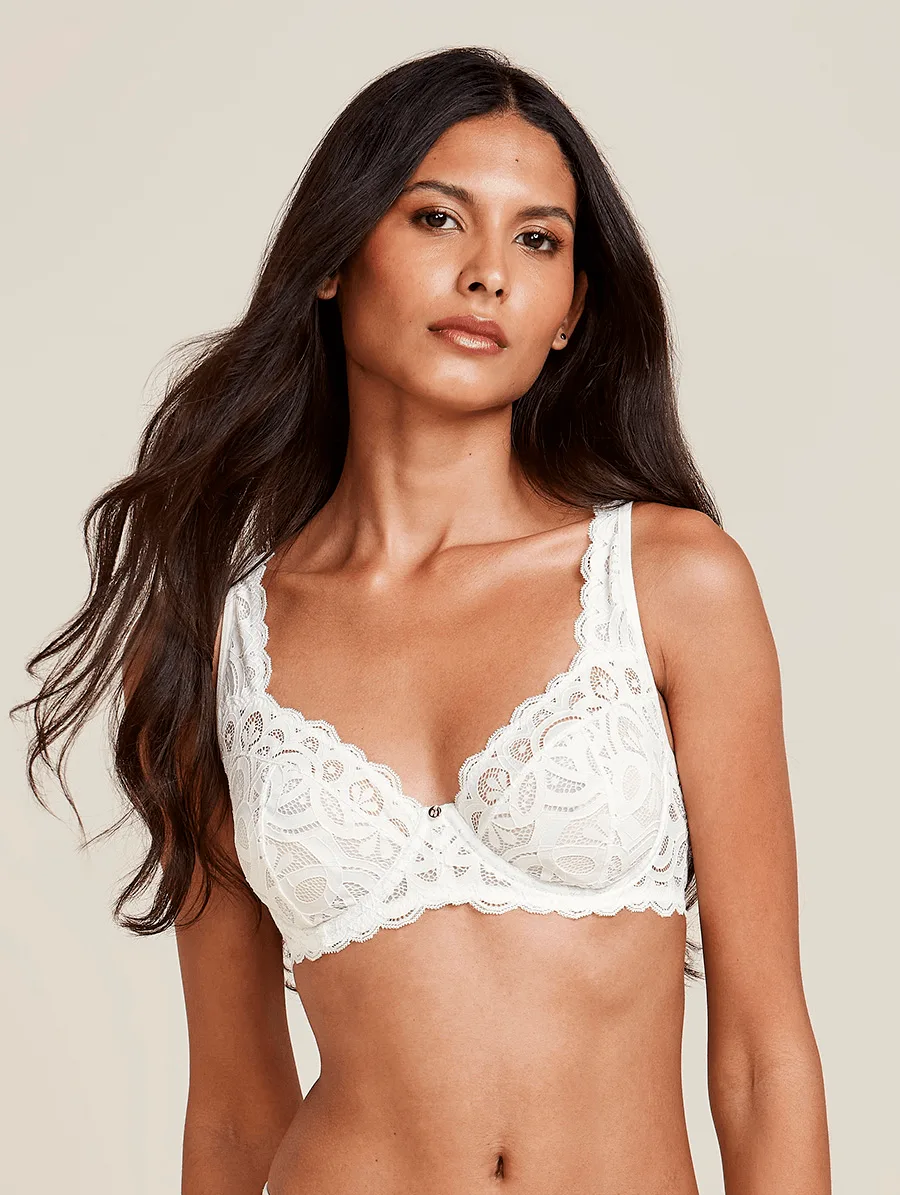
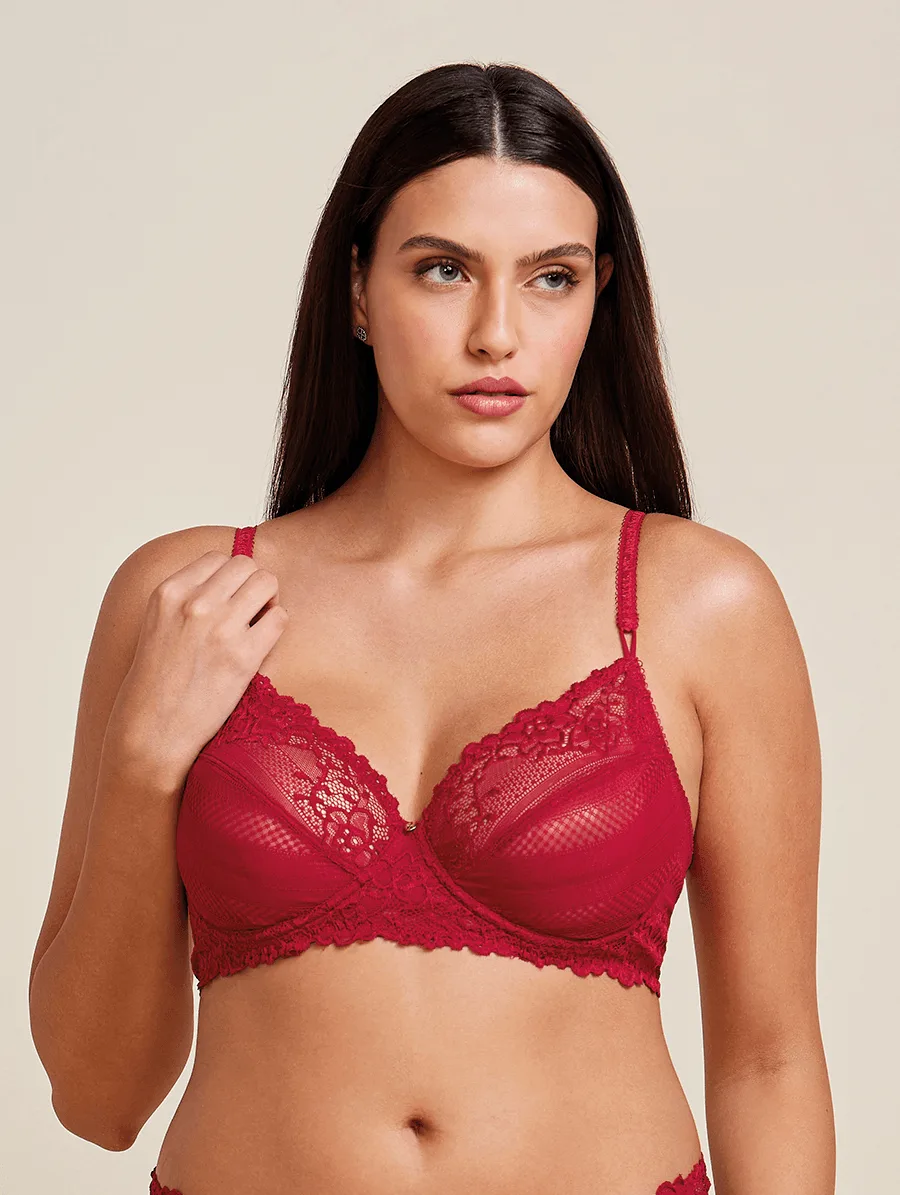
- https://hopelingerierty.com/products/lace-balconette-bra-1-4fd5dd4bc7b14d39c668a423-1492583Lace Balconette Bra: Half-cup silhouette with underwire construction provides gentle lift and structure; delicate lace cups are designed to shape and support without padding; unlined cups offer a lightweight, breathable feel. The shorter wire and half-cup shape can reduce digging under the arms and provide a more comfortable fit for those with shallow or wide roots.
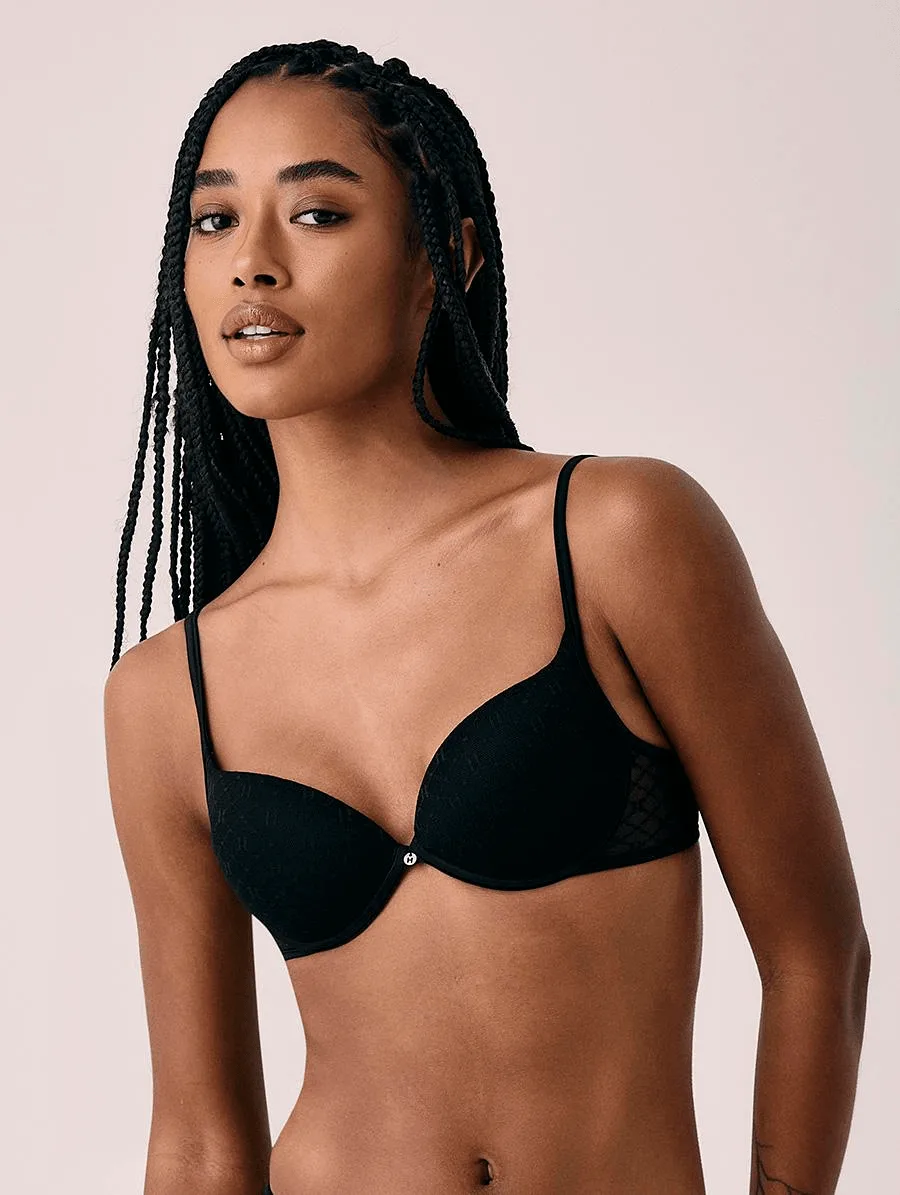
- Everyday Underwire Bra: Moulded triangle cups for gentle shaping; wireless design for all-day comfort; smooth microfibre — invisible under clothing. If underwire pain persists, this wireless option offers a supportive alternative without any wire to dig in, while still providing shaping and a smooth look.
- https://hopelingerierty.com/products/lace-demi-cup-underwire-bra-9edf9461380c174c0537eebe-1492597Lace Demi-cup Underwire Bra: Cup-sized fit (B/C/D) for tailored support; half-cup shape in delicate lace; unpadded cups for a soft, natural shape. Cup-sized options allow you to get a more precise fit, which can alleviate wire pressure that comes from wearing the wrong cup size.
Underwire pain is usually a fit issue, not a fact of life. Check your band first, then your cup size and wire shape. Small adjustments often bring big relief. If nothing works, a wireless style like the Everyday Underwire Bra can keep you supported without the dig. Your bra should feel comfortable from morning to night—if it doesn't, keep troubleshooting until it does.