Quick Answer
Use brown deicing rock salt sparingly on hard surfaces and keep it away from soil and plants to minimize garden salt damage. Apply it before ice forms and sweep up leftover granules once the ice melts.
Why Salt Can Harm Your Garden
Rock salt lowers the freezing point of water, making it effective for deicing paths and driveways. However, when it dissolves, the sodium and chloride can seep into the soil and be absorbed by plant roots. High salt levels can dehydrate plants, turning leaf edges brown and stunting growth.
The damage is often worse in spring, when melted snow carries salt into garden beds. Being mindful of where you spread salt and how much you use can prevent long-term soil problems without sacrificing safety on walkways.
Balancing Ice Control and Plant Safety
You don't have to choose between a safe path and a healthy garden. By applying salt only where needed and using alternatives like sand or kitty litter on particularly sensitive areas, you can reduce the amount of salt that reaches your plants.
Another option is to switch to a pet-safe deicer, which typically uses calcium magnesium acetate or other less harmful compounds. These are gentler on paws and soil, though they may be more expensive than traditional rock salt.
Step-by-Step Safe Application
- Clear the surface first: Shovel or sweep away loose snow and ice before applying salt. Salt works best when it contacts the surface directly, not on top of a thick snow layer. Check that the surface is clear before you start; this reduces the amount of salt needed.
- Apply a thin, even layer: Use a spreader or gloved hand to scatter a thin layer of rock salt over the icy area. A little goes a long way—over-salting not only wastes product but increases the risk of runoff into garden beds. If you see salt granules remaining after the ice melts, you used too much.
- Keep salt away from plants: Avoid spreading salt within a foot of garden beds, lawns, or tree roots. If possible, create a physical barrier like a board or tarp to prevent salt from bouncing or washing into these areas. Consider using sand or a pet-safe deicer near sensitive plants.
- Sweep up leftover salt: Once the ice has melted and the surface is dry, sweep up any remaining granules and dispose of them in the trash. This prevents them from being washed into the soil during the next rain or thaw. Reuse the swept salt on another icy patch if it's still clean.
- Protect your pets: Wipe your pet's paws after they walk on salted areas to remove any residue. Rock salt can irritate paw pads, and if licked off, it can cause stomach upset. Keep a towel by the door to clean paws after winter walks.
Product Spotlight
-
Brown Deicing Rock Salt Bag 25kg: Brown Deicing Rock Salt Bag 25kg is ideal for de-icing carparks, paths and driveways. This size suits homeowners who need to cover multiple hard surfaces during winter, and its coarse granules spread evenly to provide traction and melting action.
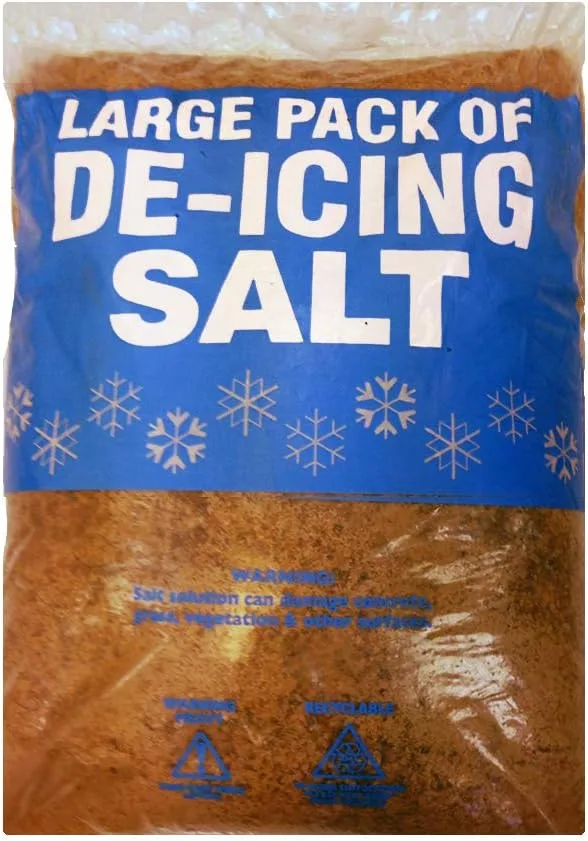
Brown Deicing Rock Salt Bag 25kg