Quick Answer
To use Safe-Guard Dewormer, calculate your dog's weight, give the correct dose once daily for three consecutive days, and repeat the cycle in three weeks for puppies or as recommended for adult dogs.
Why a Three-Day Course Is Standard
Safe-Guard Dewormer uses fenbendazole, which targets multiple types of intestinal worms including roundworms, hookworms, whipworms, and certain tapeworms. The three-day course is designed to catch worms at different life stages. Adult worms are killed on the first day, but eggs and larvae may survive. The repeated doses over three days ensure that newly hatched worms are eliminated before they can mature and reproduce.
When to Repeat the Treatment
For puppies, a second round of treatment is crucial. Puppies are often born with worms passed from their mother. A single three-day course may not eliminate all parasites. Repeating the treatment three weeks after the first course helps break the worm life cycle. For adult dogs, a yearly or twice-yearly schedule is common, but always follow your veterinarian's advice based on your dog's risk factors such as hunting, boarding, or contact with other animals.
Step-by-Step Treatment Process
- Weigh Your Dog Accurately: Use a scale to get your dog's exact weight. Safe-Guard dosage is based on weight, and underdosing can leave worms alive while overdosing may cause side effects. If your dog is between weight ranges, round up to the next range. Weigh your dog each time you deworm, as weight changes affect dosage.
- Calculate the Correct Dose: Safe-Guard Dewormer is typically dosed at 1 gram of granules per 5 pounds of body weight. Check the package for the specific measuring scoop. For example, a 25-pound dog needs 5 scoops per dose. Do not guess; use the provided scoop or a kitchen scale. Never split a dose by eye; inaccurate dosing is the most common mistake.
- Administer Once Daily for Three Days: Mix the measured granules into a small amount of wet food (canned dog food, broth, or yogurt) that your dog will eat completely. Give the medicated food in the morning for three consecutive days. If your dog does not finish the food within 30 minutes, you may need to offer a different tasty base to ensure full consumption. If your dog misses a dose, give it as soon as you remember and continue the schedule, but do not double up the next day.
- Repeat the Three-Day Course for Puppies: For puppies under 12 weeks, repeat the entire three-day treatment three weeks after the first course. This second round catches any worms that hatched from eggs that survived the first treatment. For adult dogs, follow your vet's recommended schedule. Skipping the second round is the top reason puppies still have worms after treatment.
- Monitor for Side Effects and Follow Up: Most dogs tolerate Safe-Guard well. Mild vomiting or diarrhea can occur but usually resolves quickly. If symptoms persist or worsen, contact your vet. After treatment, check your dog's stool for dead worms, which is a sign the medication worked. A fecal test 2-4 weeks after treatment can confirm the parasites are gone. If you see live worms in the stool after treatment, consult your vet; the dose or product may need adjustment.
Product Spotlight
-
Safe-Guard Deworming: Safe-Guard Dewormer is formulated to protect dogs against intestinal parasites that can cause discomfort and serious health issues. This means a single product can handle multiple common worm types, simplifying your deworming routine.
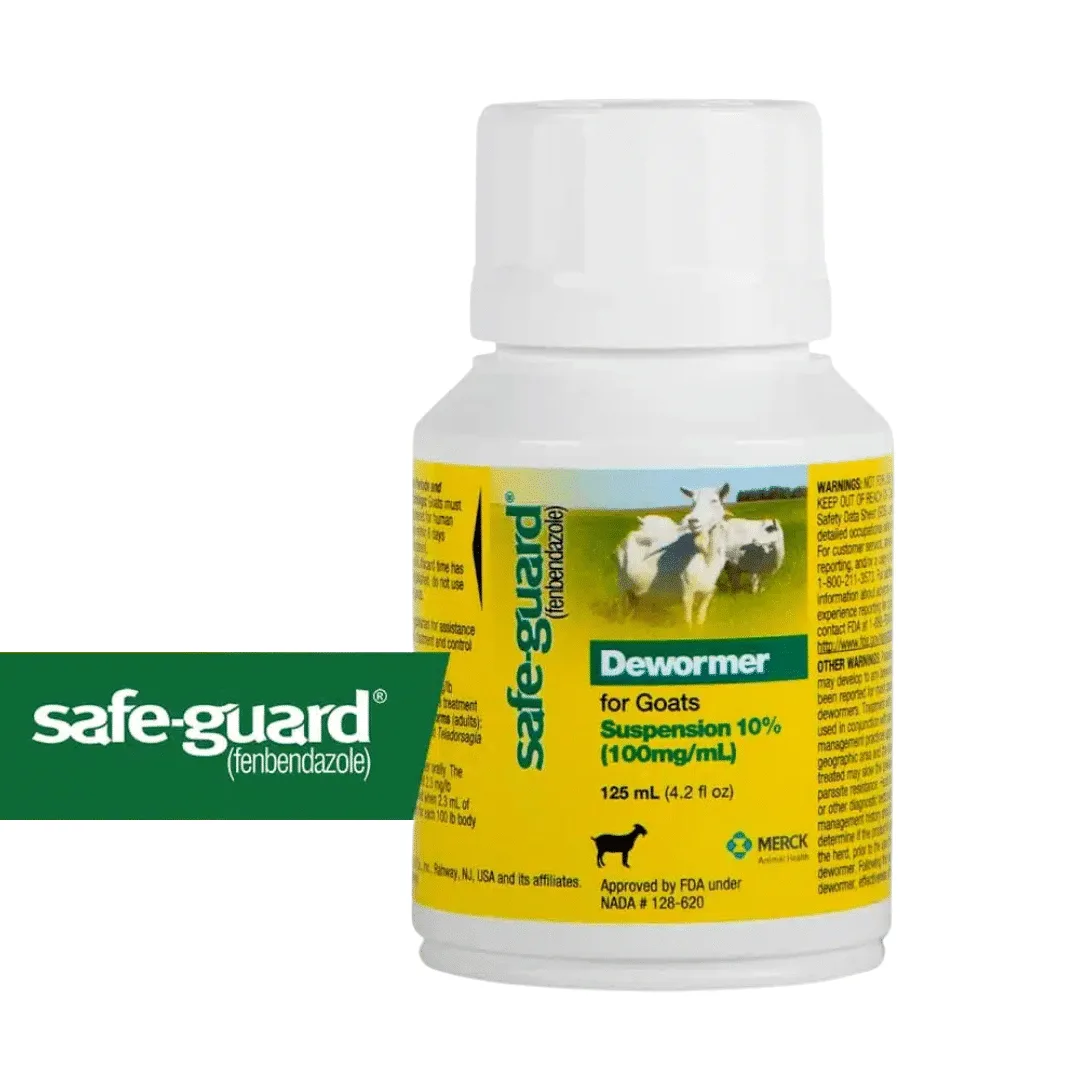
Safe-Guard Deworming