Quick answer
To use smart board activities effectively in French class, start with a clear oral communication goal, choose activities that fit your group size, and build in structured speaking turns with visible timers.
Why smart board activities work for French oral practice
Interactive whiteboard activities turn a shared screen into a conversation starter. When every student can see the prompt, you remove the barrier of 'I didn't hear the question' and give shy speakers a visual anchor to talk about.
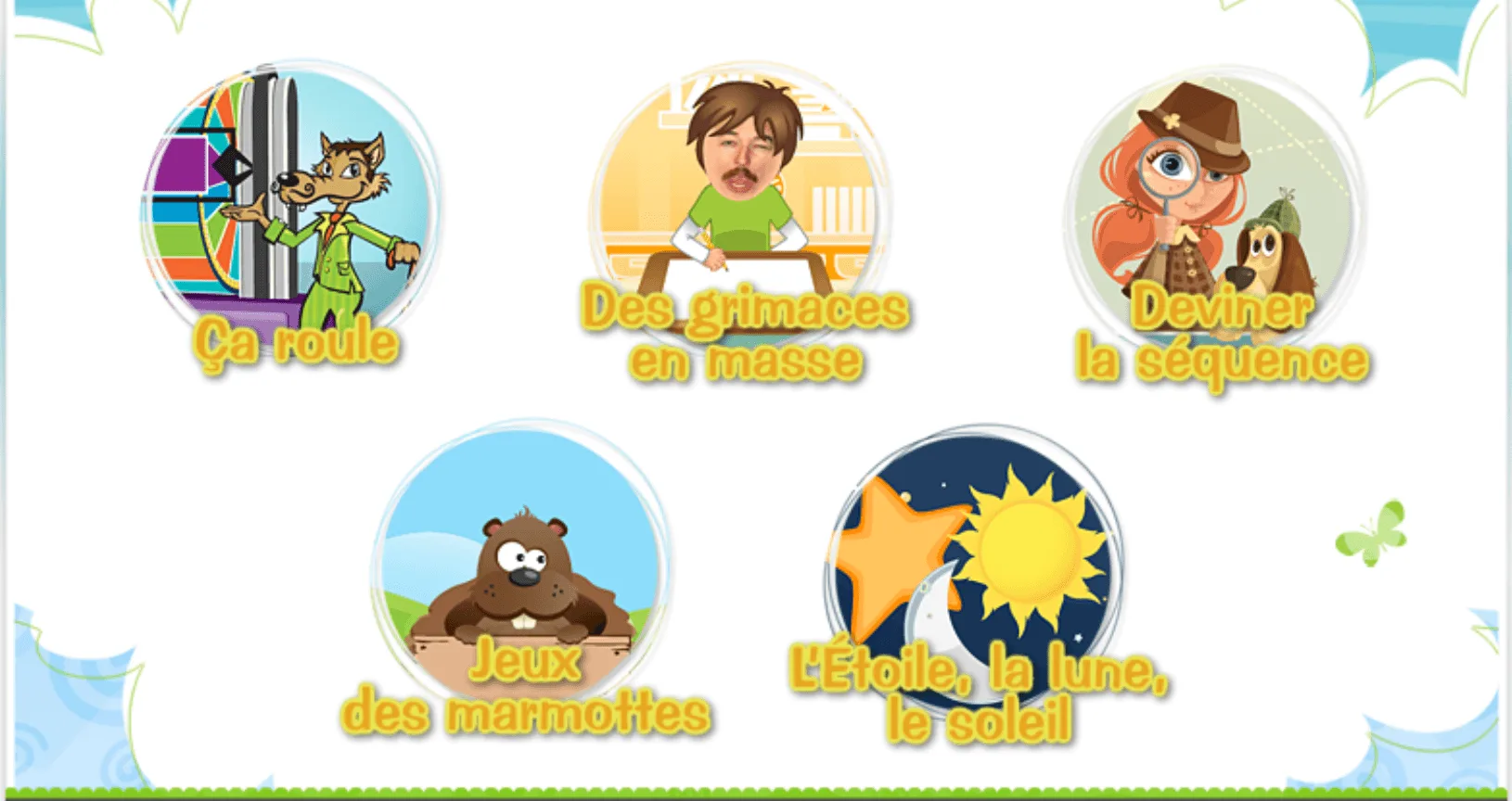
The key is to design the activity around a speaking goal, not just the technology. A groundhog that reveals a discussion topic is only useful if students know how long to speak and what to include.
Choosing between whole-group and small-group formats
Smart board activities can be run with the entire class or in small groups. Whole-group works well for modeling and building confidence, while small-group gives each student more speaking time.
For a 20-student class, small groups of four mean each student gets roughly five times more speaking opportunities in the same lesson period. That trade-off is worth planning for.
How to run a smart board speaking activity in 6 steps
- Set a clear speaking goal: Decide what you want students to practice: describing, narrating, or answering personal questions. Write the goal on the board so students know the target. Check: Can every student repeat the goal in their own words?
- Choose an activity that matches your group size: For whole-group, pick an activity where one student speaks while others listen and prepare. For small groups, choose a prompt that can be rotated quickly. Check: Does each student get at least one speaking turn per round?
- Model the speaking turn: Demonstrate the activity yourself first. Show students how to use the prompt on the screen and give a sample answer that meets your expectations. Check: Did you show what a full answer sounds like, not just a short phrase?
- Set a visible time limit: Use the smart board's timer or a simple countdown. For example, one minute per student for a 'talk about it' activity. This keeps turns fair and builds fluency. Check: Can all students see the timer without turning around?
- Rotate turns with a clear pattern: Decide the order before starting: row by row, random names, or a ball toss. Write the pattern on the board to avoid confusion and keep momentum. Check: Did you plan how to include every student, including quiet ones?
- Wrap up with a class recap: Ask two or three students to share what they said or what they learned from a partner. This reinforces vocabulary and gives closure to the activity. Check: Did you highlight one or two new words or phrases from the session?
Product spotlight
-
Smart Board Activities in French: This French-language resource includes 11 activities for large or small groups to promote oral communication in an interactive whiteboard format. It gives you ready-made prompts like 'Jeu des marmottes' that work on both Smart Board and Promethean, so you can focus on teaching rather than creating materials.
Smart Board Activities in French