Quick answer
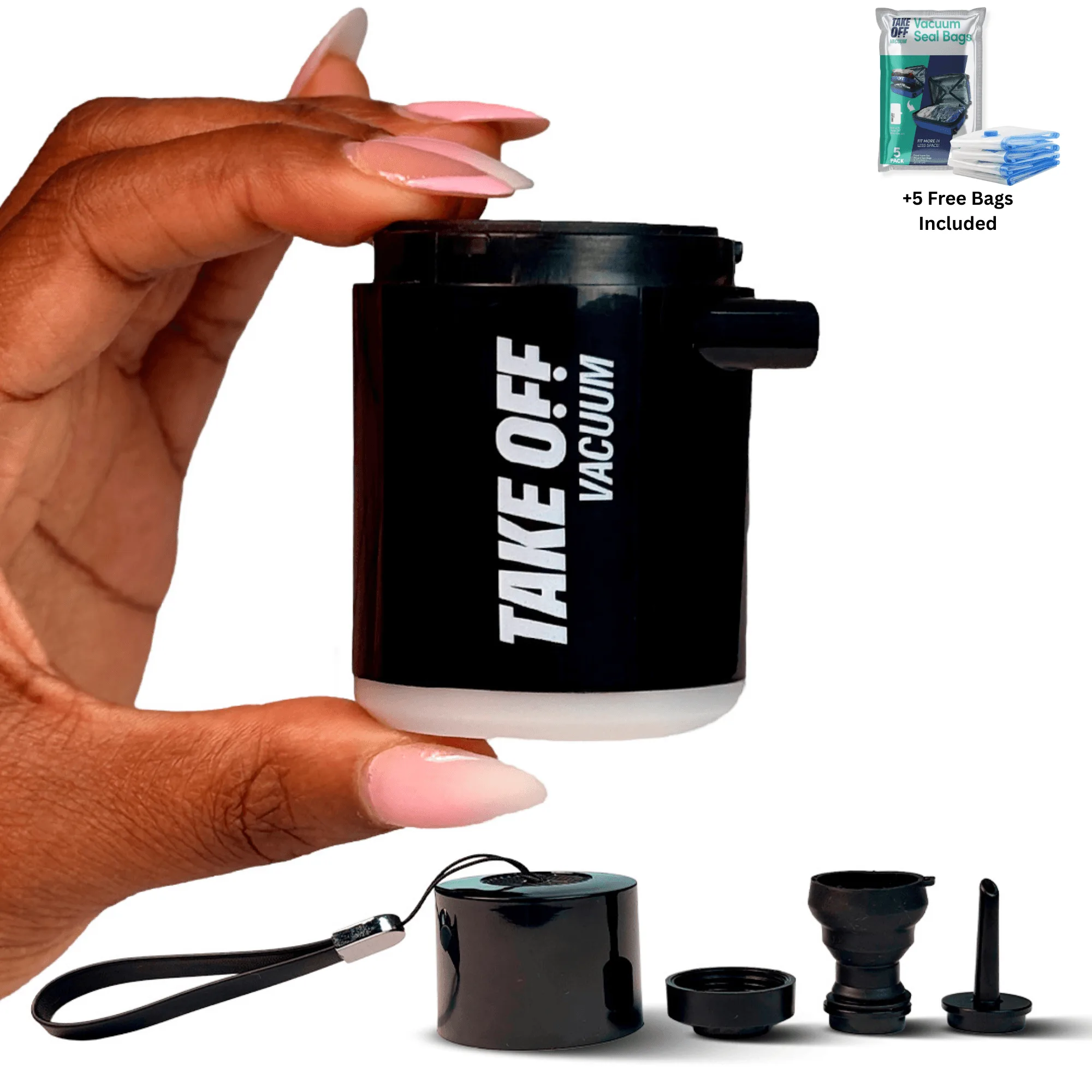
Buy vacuum seal bags based on how you'll remove the air, not on the pack size alone. If you want the strongest compression for bulky clothes, choose a reusable bag plus a pump, like the Mini Vacuum Pump 2.0 (NEW) + Vacuum Bags (5 Pack) - Black. If you're packing carry-on only and want no extra tool, choose bags you can compress by hand or with body weight, like the Vacuum Seal Bags - 5 Pack, and fold them flat when empty.
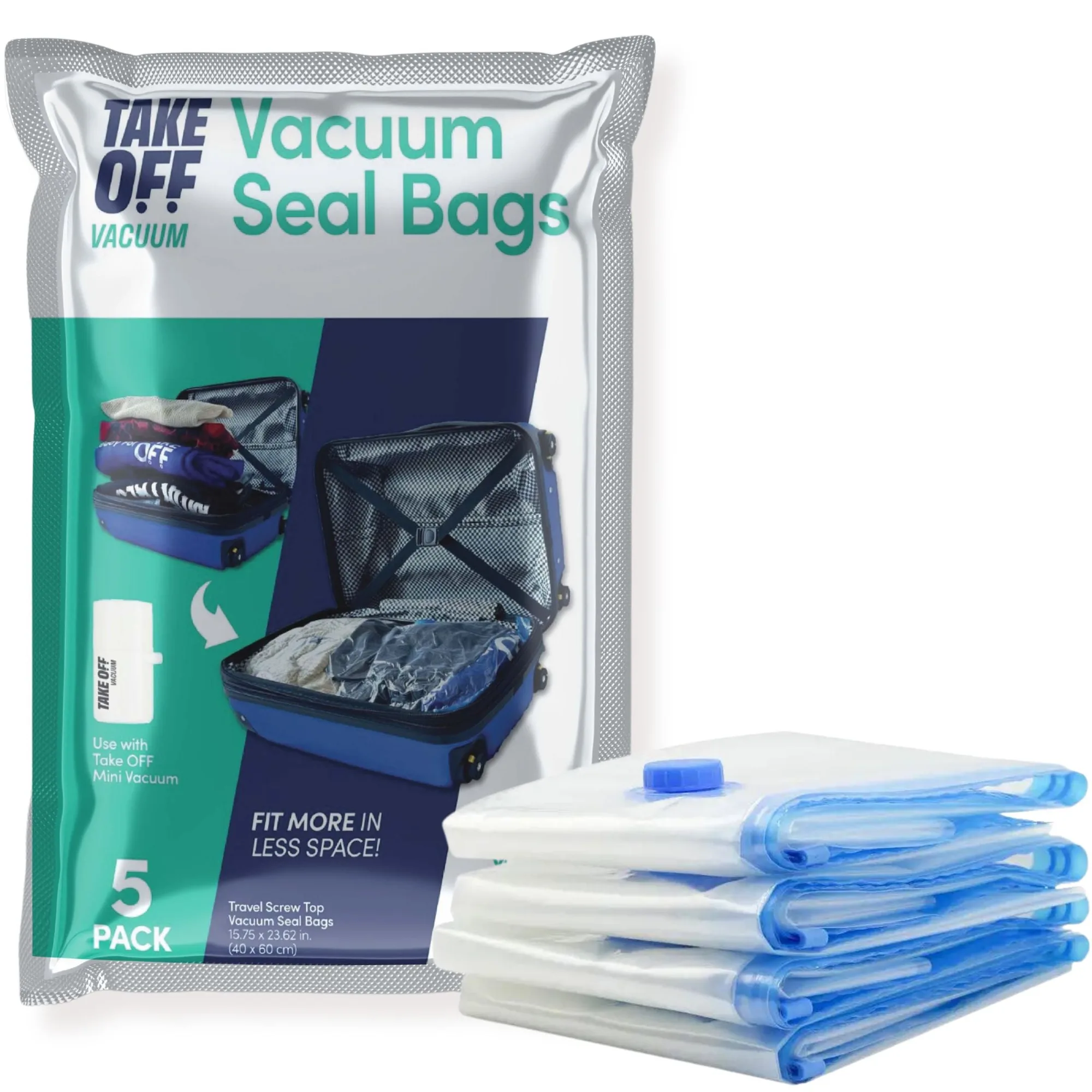
Vacuum Seal Bags - 5 Pack
Vacuum seal bags are one of the few packing tools that change how much you can fit rather than just how neatly you fit it. But the category is muddled: some bags need a pump, some compress by hand, and "reusable" means different things depending on the valve and film. This guide gives you decision rules for choosing sizes, reusability, and the right format for your luggage.
The goal isn't to compress everything you own. It's to compress the right things — bulky knits, puffy layers, and soft fabrics — while keeping hard items, wrinkle-prone garments, and anything you need mid-trip accessible. Use the rules below to buy once and pack consistently.
Start with the air-removal method
The single biggest buying decision is how the air leaves the bag. Pump-assisted bags pull a stronger vacuum and flatten bulky items the most, which is why they suit checked luggage and cold-weather trips. Hand-compressed or roll-up bags skip the tool entirely, which matters when every ounce and every pocket in your carry-on is already accounted for.
Decide this before you compare sizes. A bag that compresses brilliantly but requires a pump you left at home is a bag that does nothing. If you fly carry-on only and want zero extra gear, prioritize no-pump compression. If you check a bag or travel with sweaters and jackets, a pump earns its space.
- Pump-assisted: strongest compression, best for checked bags and bulky clothing.
- No-pump/roll-up: lightest kit, best for carry-on-only travelers.
- If you're undecided, a pump bundle gives you both options in one purchase.
Match travel vacuum bag sizes to your luggage
Vacuum bags are usually sold in multi-packs rather than named sizes, so judge them by what they hold and where they fit. A flat, fully compressed bag behaves like a stiff panel: it slides down the back of a suitcase or sits under a compression panel, but it doesn't bend around curves the way loose clothing does.
For carry-on and personal-item bags, compress soft items into flat layers and place them against the back wall, then build softer, non-compressed items around them. For checked luggage, you have more margin — larger compressed stacks work, but keep the total weight in mind, since compression reduces volume, not mass.
- Carry-on: compress thin layers flat; avoid over-stuffing one bag into a rigid brick.
- Checked: compress bulky knits and puffy layers; weigh the bag before you fly.
- Personal item: use compression only if the bag still closes without force.
Reusability: what actually wears out
Reusable vacuum seal bags last longer when the valve and seal stay clean and the film isn't creased in the same spot every trip. The failure points are the closure and the valve, not the plastic itself. Wipe the seal, avoid overfilling past the marked fill line, and store bags flat rather than crumpled.
Don't expect indefinite reuse from any compression bag. Treat them as durable consumables: a well-kept set can serve many trips, but sharp edges, over-packing, and repeated hard folds shorten their life. If a bag stops holding compression, retire it rather than fighting it at the airport.
- Keep the seal and valve free of lint, sand, and fabric fibers.
- Leave headroom below the closure so the seal can fully engage.
- Store flat and loose; don't fold along the same crease every time.
What to compress — and what to leave alone
Compression rewards soft, bulky, low-wrinkle fabrics: fleece, knits, jeans, socks, and puffy layers. It punishes structured garments and anything you need during the flight. A compressed blazer or dress shirt will show creases, and a compressed item is awkward to reopen in a cramped seat.
Keep a small uncompressed zone for items you'll want en route: a layer, a neck pillow, chargers, and documents. This is also where a compression panel or separate divider helps, because it keeps the compressed block from expanding into the rest of your packing space.
- Compress: knits, fleece, jeans, socks, puffy jackets.
- Skip: structured jackets, dress shirts, delicate fabrics, in-flight essentials.
- Pair compression with a divider so the compressed block stays contained.
Decision rules for buying vacuum seal bags
- If you check a bag and pack bulky clothing: Choose a pump-assisted set so you get the strongest compression on sweaters and puffy layers. Buy the pump bundle, not bags alone.
- If you fly carry-on only: Choose no-pump compression bags and pack them flat against the back wall of the case. Skip the pump; save the space for clothing.
- If you're packing a personal-item bag: Use compression sparingly and only for thin soft layers, so the bag still closes without force. Compression is a bonus here, not the strategy.
- If you want to test compression first: Start with a multi-pack of vacuum seal bags and see how much space you actually recover before adding a pump. Upgrade to a pump later if you need more compression.
- If a bag stops holding its vacuum: Check the seal and valve for debris and clean them; if it still won't hold, retire the bag. Don't rely on a failing bag for a long trip.
Product facts that affect your choice
- Vacuum Seal Bags - 5 Pack: These compression bags shrink your clothes to maximize luggage space, and they're described as ideal for suitcases and carry-ons without adding extra weight. A good starting point if you want to test compression packing before committing to a pump system, and a practical fit for carry-on-only trips.
- Mini Vacuum Pump 2.0 (NEW) + Vacuum Bags (5 Pack) - Black: The pocket-sized pump removes air from clothes, shrinking bulky sweaters and outfits, and the bundle includes 5 vacuum seal bags. Choose this when maximum compression matters and you don't mind carrying a small tool; the included bags mean you can pack immediately.
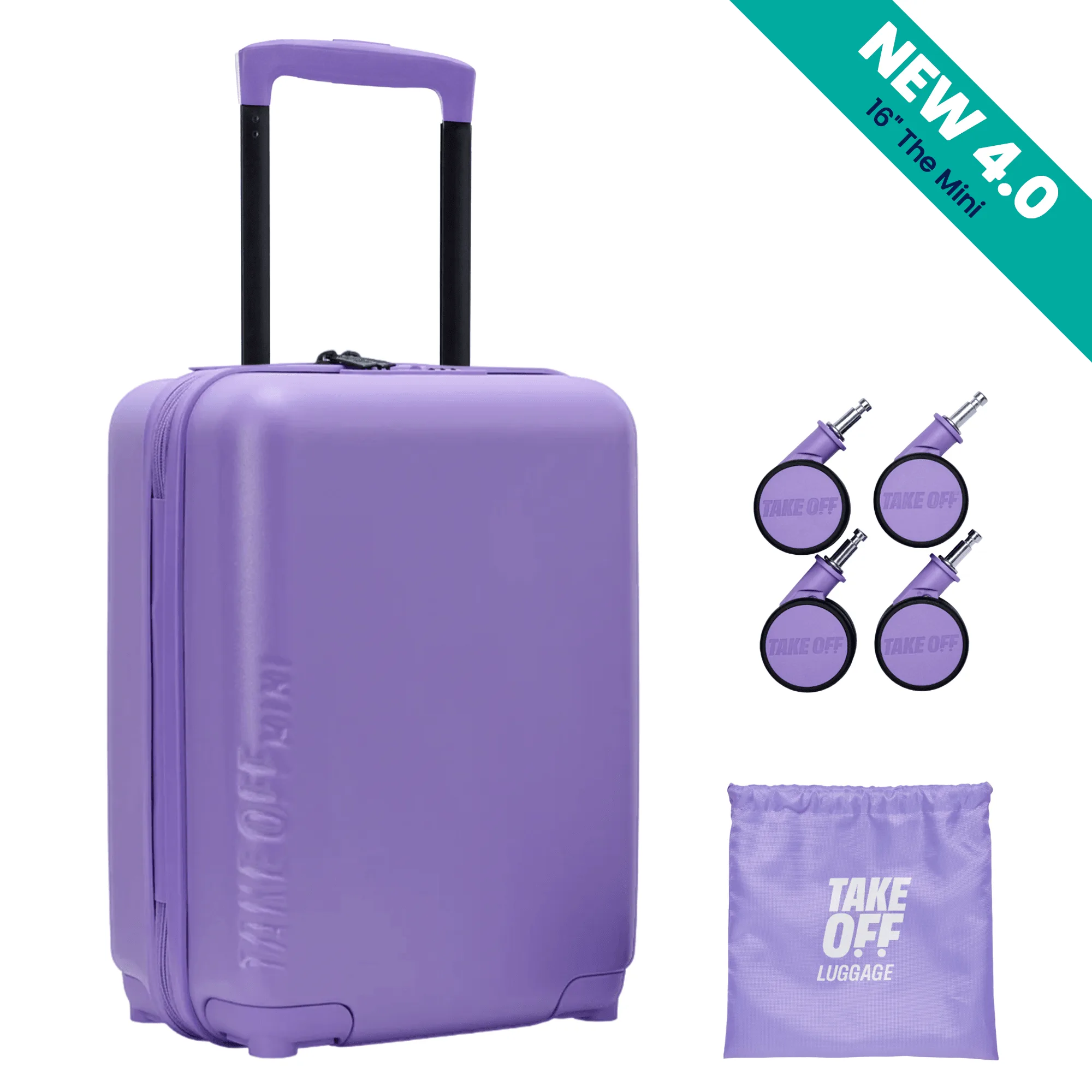
- Personal Item Suitcase MINI 4.0 - 16 Inch: A scaled-down hardshell spinner built to clear strict airline baggage rules, sized for personal-item travel. If your bag is this small, compression is optional rather than essential — pack flat and keep the compressed block minimal so the shell still closes cleanly.
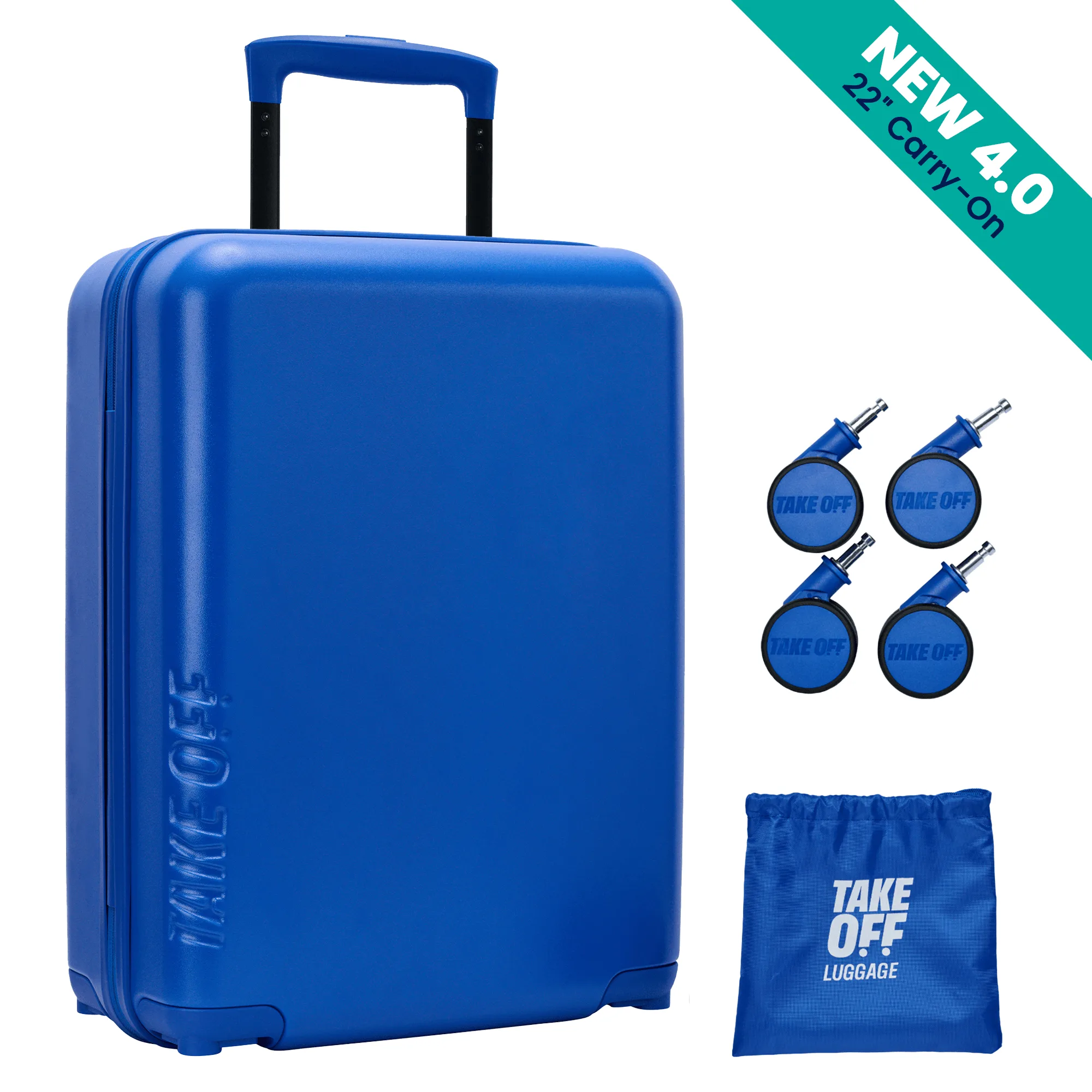
- Carry-On 4.0 Suitcase - 22 Inch: A re-engineered carry-on designed to push overhead capacity limits, with 1-Click "Stem" Wheels. A larger carry-on gives compressed bags room to sit flat against the back wall, so you can use compression without turning the case into a rigid brick.
Who should buy which
Best for
- Travelers who check a bag and pack sweaters, fleece, or puffy layers
- Carry-on-only travelers who want to compress soft clothing without extra tools
- Anyone testing compression packing before committing to a full system
Not for
- Packing structured jackets, dress shirts, or delicate fabrics you need wrinkle-free
- Trips where you need frequent access to the items you compressed
- Travelers who want zero packing accessories and prefer to pack loose
Buy for the air-removal method first, then for size and reusability. If you check a bag, a pump-assisted set gives you the most compression; if you fly carry-on, no-pump bags keep your kit light. Compress soft, bulky items, leave structured garments loose, and keep the seal clean so your bags keep working trip after trip.