Quick answer
Choose Vandal Daylight 200 if you want a daylight-balanced color negative with wide exposure tolerance and a distinctive halo effect, and you often shoot in changing light. Choose Cinestill 800T if you shoot in tungsten light or need a higher ISO, and you are willing to work with its 800-speed balance. Both are 35mm C-41 color negative films, but they solve different problems.
What each film is actually for
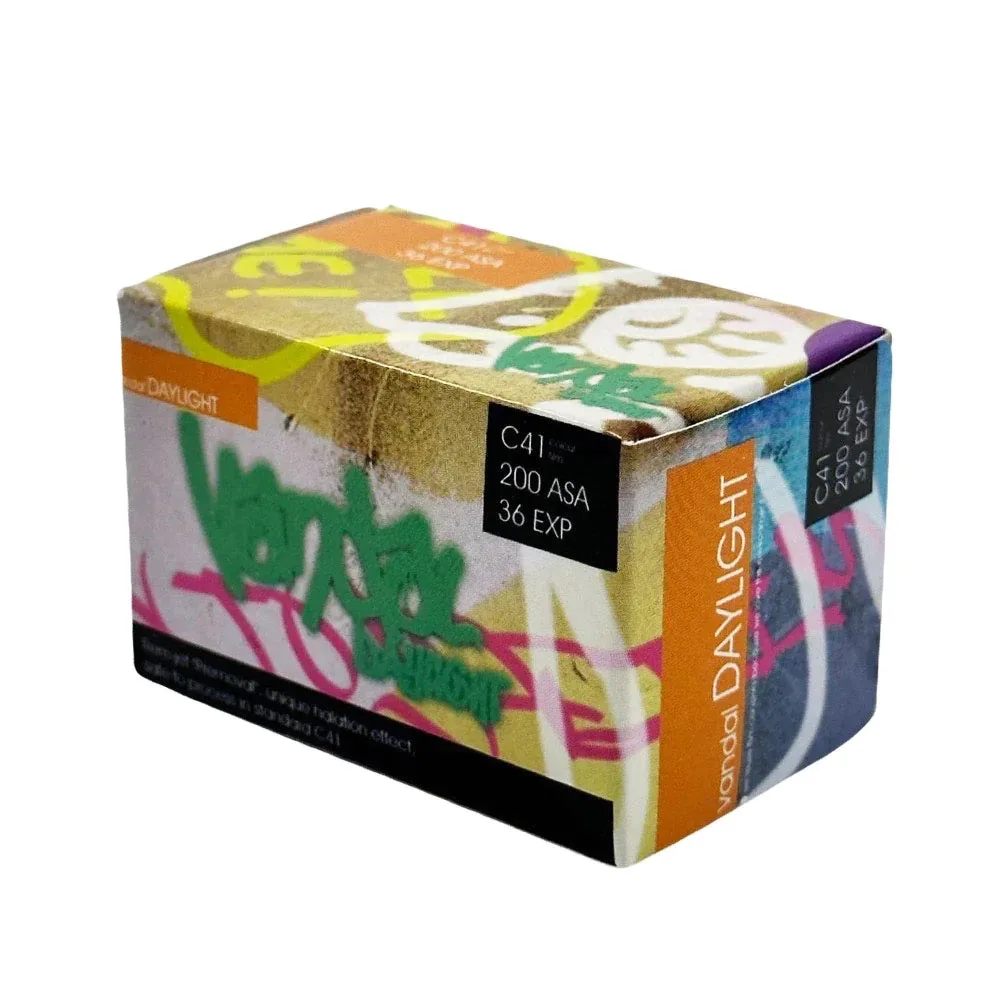
Vandal Daylight 200 is a daylight color negative film. Its selling point is remarkable exposure tolerance, which means small metering errors are less likely to ruin a frame, and it can create a distinctive halo effect in photographs. That makes it a practical choice for handheld shooting, changing light, and scenes where you want a softer, glowing highlight character rather than clinical accuracy.
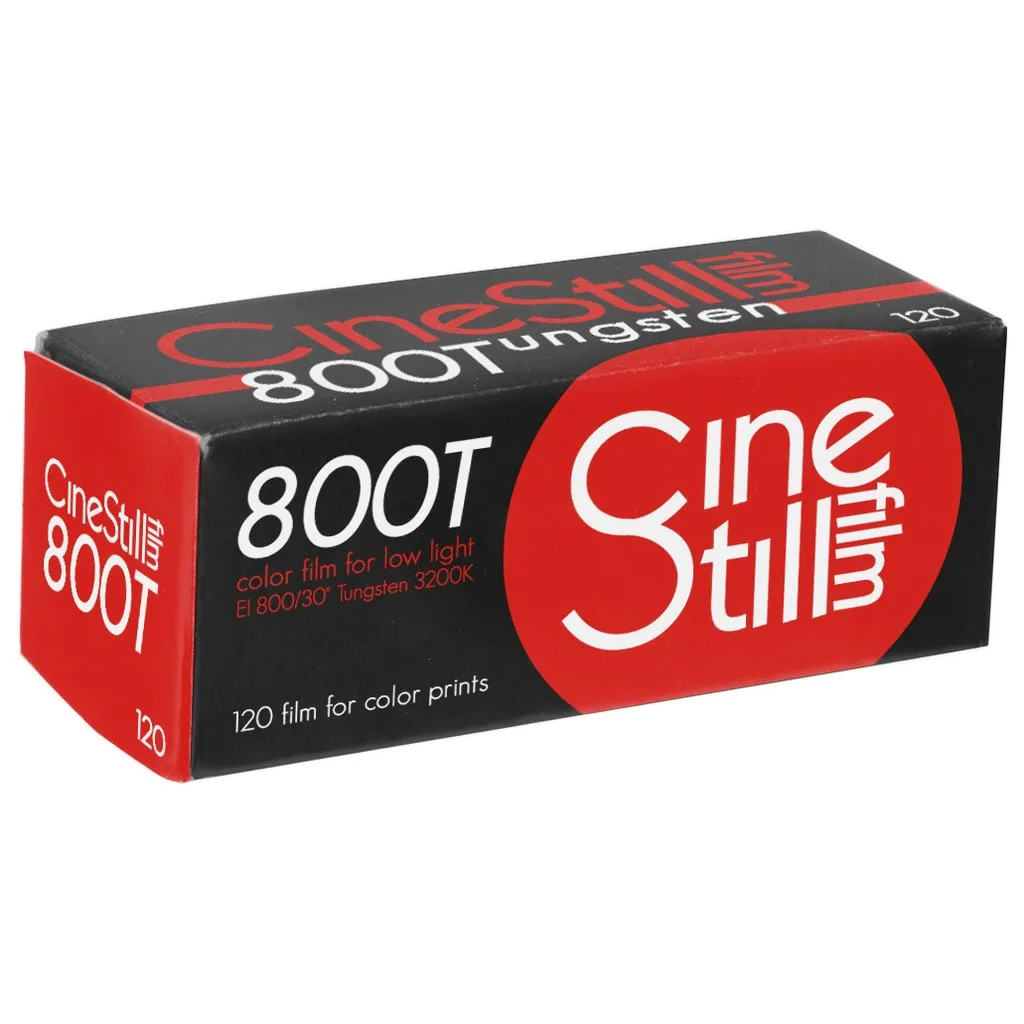
Cinestill 800T is a tungsten-balanced color negative film rated at 800 speed. It is designed for tungsten light, so under household bulbs or other warm sources it renders color more naturally than a daylight film would. Its higher speed also lets you use faster shutter speeds or smaller apertures when light is low. The trade-off is that under daylight it will look cooler unless you correct it with a filter or in editing.
How the exposure difference changes your shooting
The ISO gap is the biggest practical difference. At ISO 200, Vandal Daylight 200 needs more light than Cinestill 800T at ISO 800. In bright daylight that is not a problem, and the slower speed can be an advantage if you want to shoot at wider apertures without overexposing. Indoors or at night, however, ISO 200 pushes you toward a tripod, flash, or a slower shutter speed than you may be able to hand-hold.
Cinestill 800T flips that equation. Its ISO 800 rating gives you two stops more light gathering than ISO 200, which is often the difference between a sharp handheld frame and a blurry one in dim light. The cost is that in bright sun you may need a neutral density filter or a very fast shutter speed to avoid overexposure. If your camera's top shutter speed is limited, that matters more than the film's color balance.
Color balance and the look you get
Daylight film is balanced for average daylight, so it renders neutral color outdoors and in flash. Under tungsten light it turns warm and orange, which can be pleasing for some moods but is not color-accurate. Vandal Daylight 200 is designed for daylight and is also versatile enough to be used in diverse lighting conditions, so you can lean into those shifts rather than fight them.
Tungsten film is balanced for warmer light sources. Cinestill 800T is an 800-speed tungsten-balanced color negative film, so under tungsten light it produces more natural color than a daylight film would. Outdoors, it will look cooler and more blue unless you filter it. That is not a defect; it is a predictable shift you can use or correct.
Grain, format, and development
Both films are color negative and both are developed in standard C-41 chemistry, so a lab that handles one can handle the other. That keeps your workflow simple. The difference is in the emulsion's character: Vandal Daylight 200 is built around exposure tolerance and a halo effect, while Cinestill 800T is built around a higher speed and tungsten balance.
Format also matters. Vandal Daylight 200 is supplied as 35mm film with 36 exposures. Cinestill 800T is supplied as 120 roll film, which fits medium format cameras, not 35mm cameras. If you shoot 35mm, the 800T roll will not fit your camera. If you shoot medium format, the Vandal roll will not fit yours. Check your camera's format before you buy either one.
Trade-offs at a glance
- Exposure latitude vs speed: Vandal Daylight 200 forgives metering errors but needs more light. Cinestill 800T gives you two extra stops for handheld low-light work but demands care in bright sun. Pick based on your light, not on which film sounds more advanced.
- Daylight balance vs tungsten balance: Vandal Daylight 200 is neutral outdoors and warm under bulbs. Cinestill 800T is neutral under tungsten light and cool outdoors. Match the film to your dominant light source, or plan to filter and correct.
- 35mm vs 120 format: Vandal Daylight 200 is supplied as 35mm with 36 exposures. Cinestill 800T is supplied as 120 roll film. Confirm your camera's format before ordering; the two are not interchangeable.
Product facts
- Vandal Daylight 200 Tungsten 35mm Film - 36 Exposure: Vandal Daylight color negative film offers remarkable exposure tolerance, enabling it to capture intricate details and create a distinctive halo effect. Designed for daylight, it is also versatile enough for diverse lighting conditions. Wide exposure tolerance reduces the risk of losing frames to metering mistakes, and the halo effect gives you a recognizable look without extra gear.
- Cinestill 800t Tungsten Xpro C-41 Color Negative Film - 120 Roll Film: Cinestill 800T is an 800-speed tungsten-balanced color negative film prepared from motion picture technology, with a rated ISO range of 200-2000 and the ability to be pushed over 3000. It is supplied as 120 roll film. The high ISO and pushability make it a low-light and indoor option, but the 120 format means it will not fit a 35mm camera.
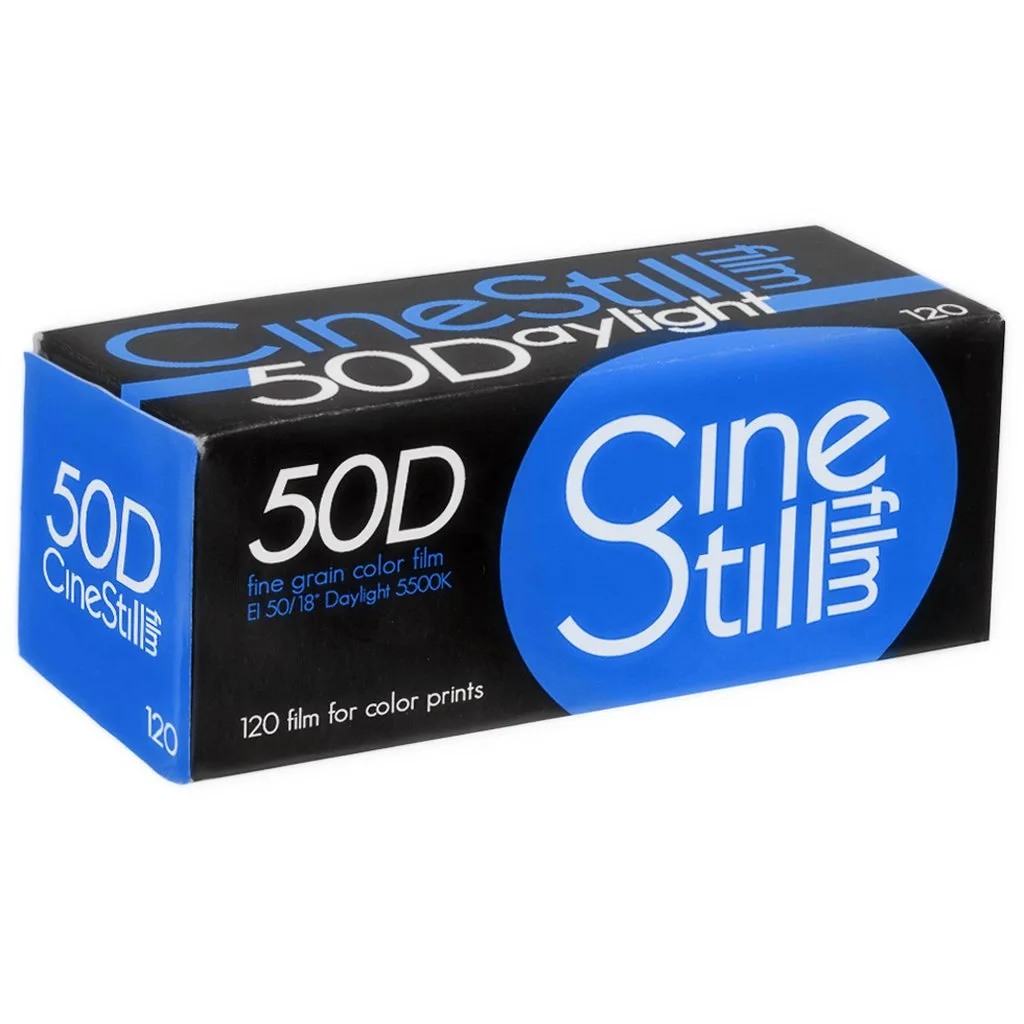
- Cinestill 50 Daylight Xpro C-41 Color Negative Film - 120 Roll Film: Cinestill 50D is an ISO 50 daylight-balanced 120 roll film, described as the world's finest grain film, with an improved manufacturing process that extends shelf life. If you want a daylight-balanced medium format film instead of tungsten, this is the direct alternative to 800T in the same format.
Which should you load?
Best for
- 35mm shooters who want a daylight-balanced film with forgiving exposure and a halo effect
- Handheld daylight and mixed-light shooting where metering is not always precise
- Photographers who want a distinctive glow rather than neutral color
Not for
- Low-light or indoor tungsten shooting where ISO 200 is too slow
- Medium format cameras, since this is a 35mm roll
- Shooters who need color-accurate results under household bulbs