Quick answer
Choose the Verifire HDX if you need the highest spatial resolution for measuring steep slopes or small features; its larger sensor captures finer fringe detail. Choose the Verifire HD if your parts have moderate slopes and you want a proven, cost-effective high-resolution interferometer. Both share Zygo's acquisition and analysis platform, so the decision hinges on resolution versus budget.
What separates the Verifire HD from the HDX?
The Verifire HD and HDX are both high-resolution interferometers from Zygo, but they differ in sensor resolution and intended measurement regime. The HDX uses a higher pixel-count detector to resolve tighter fringe patterns, which matters when testing aspheres, freeforms, or optics with steep local slopes. The HD offers a lower resolution sensor that still outperforms standard models but at a lower price point. Neither model's exact pixel count is supplied here; check the current spec sheet for that number before committing.
How sensor resolution affects the parts you can measure
More pixels across the same aperture means each fringe is sampled by more detector elements, so the interferometer can capture denser fringe patterns without aliasing. That directly expands the range of slopes you can measure in a single acquisition. If your shop regularly tests parts with high slope or fine mid-spatial-frequency structure, the HDX's extra resolution reduces the need for stitching or sub-aperture stitching. For gentler optics, the HD's resolution is often sufficient and saves capital for other metrology needs.
Spare parts and long-term support for both models
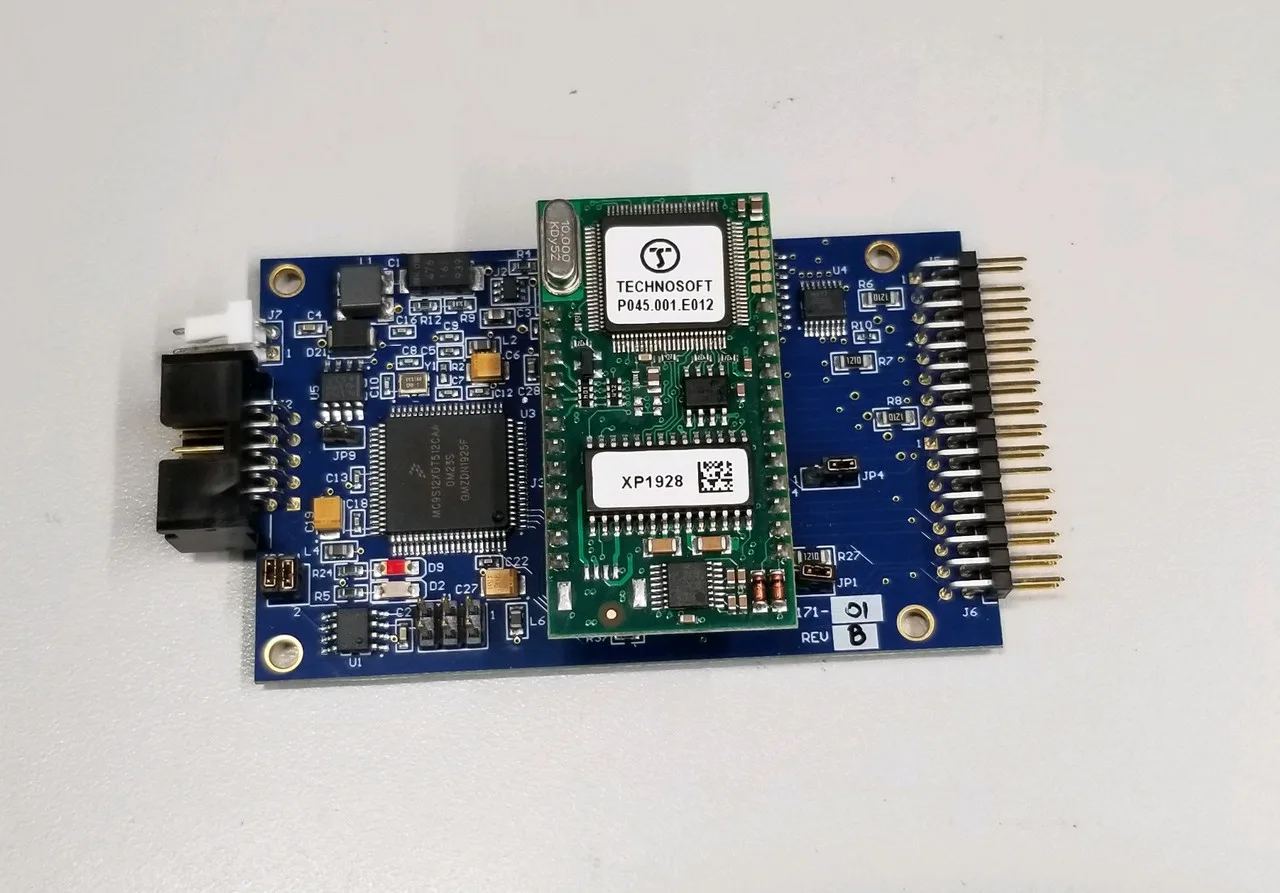
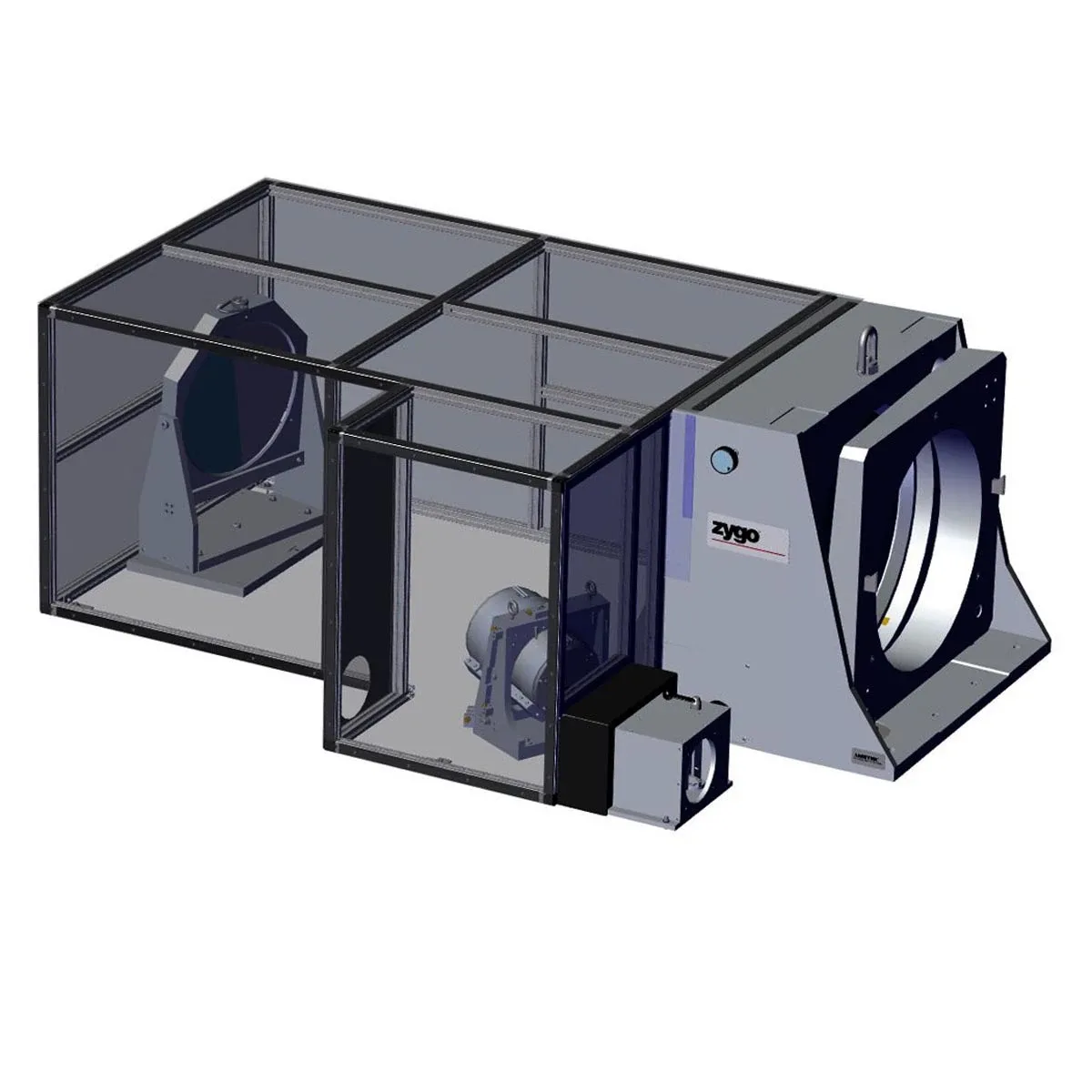
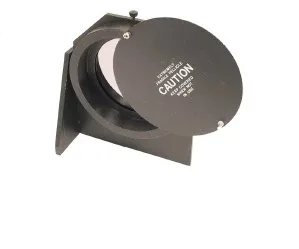
Both interferometers rely on Zygo's modular hardware, and common wear items are shared across the Verifire line. For example, the 24 Inch High Resolution Beam Expander (BEX) is compatible with all resolution 633 nm MST mainframes, so it can extend the working aperture of either an HD or HDX mainframe. The High Resolution Turret Driver Board is a spare part designed for HD and DynaFiz turret systems, which means turret-based configurations in the HD family have a known replacement path. Keeping these parts identified before a downtime event shortens repair cycles.
Software, acquisition, and vibration robustness
The HDX typically ships with Zygo's latest acquisition modes, including QPSI vibration-robust acquisition, which lets you measure in less-than-ideal environments without an isolation table upgrade. The HD may offer similar modes depending on firmware, but confirm the exact software bundle at purchase. If your lab already has a stable isolation table, the HD's acquisition suite is usually adequate. If you measure on a production floor or near vibration sources, prioritize the HDX with QPSI.
Cost and upgrade path
The HDX carries a higher list price than the HD, reflecting its advanced sensor and software. That premium is justified when resolution directly enables parts you otherwise cannot measure. If your current workload is mostly spheres and mild aspheres, the HD delivers strong value and leaves budget for accessories like transmission spheres or reference flats. Because both models share the same platform, you can start with an HD and later add a higher-resolution mainframe if your part mix changes, reusing optics and mounts.
Trade-offs at a glance
- Resolution vs. cost: The HDX's higher pixel count resolves steeper slopes and finer features, but it costs more than the HD. If your parts rarely challenge the HD's resolution, the extra expense may not pay back. Buy only the resolution your part mix demands.
- Vibration robustness vs. environment: The HDX with QPSI acquisition tolerates vibration better, which can save the cost of a high-end isolation table. The HD may need a quieter setup to achieve comparable results. Measure your floor vibration before deciding.
- Upgrade path vs. immediate capability: Both models share Zygo's platform and accessories like the 24 Inch BEX, so you can start with an HD and add capability later. The HDX delivers maximum capability out of the box. If you need top resolution now, choose HDX; if you can phase investments, HD is a safer start.
Key product facts
- 24 Inch High Resolution Beam Expander (BEX): 24 Inch High Resolution Beam Expander (BEX) is compatible with all resolution 633 nm MST mainframes and includes expander frame with covers, Decollimator Mount, Collimator Mount, Large Fold Mirror, Small Flip Fold Mirror, and Accessory Receptacle. Extends the working aperture of Verifire HD or HDX mainframes, letting you test larger optics without buying a new interferometer.
- High Resolution Turret Driver Board: High Resolution Turret Driver Board is a Zygo spare part designed for HD and DynaFiz turret systems, offered under Standard SKU with part code 6450-8171-01. Provides a known replacement path for turret-based HD configurations, reducing downtime risk.
Which Verifire is right for you?
Best for
- Shops measuring steep aspheres, freeforms, or optics with high-slope zones that demand maximum fringe resolution.
- Production environments with vibration where QPSI acquisition reduces the need for a new isolation table.
- Labs that want the highest available resolution and have the budget for a premium interferometer.
Not for
- Shops with mostly spherical or mild aspheric parts where the HD's resolution is sufficient and budget is a constraint.
- Facilities that already own a stable isolation table and do not need vibration-robust acquisition.
- Buyers who cannot confirm the exact sensor specifications from the current datasheet and need a guaranteed pixel count before purchase.