Quick answer
Clean your slipmat with a dry microfibre cloth every week, or with a mild soap-and-water-1-c0b4032c6d49c952f67ce4ef-1738862">water hand wash every one to three months, then let it air dry completely before putting it back on the platter. Check for thinning, curling, hardened felt, or a worn centre hole each time you clean it. Replace the slipmat when those signs appear, because a flat, clean slipmat protects your records and keeps playback stable.
A slipmat is one of the cheapest parts of a turntable and one of the easiest to neglect. It sits under every record you play, so it collects dust, paper fibres, skin oils, and the fine vinyl debris that comes off your LPs. Over time that layer of grime changes how the record sits on the platter and how the stylus tracks.
Good slipmat care is not complicated. You need one soft cloth, a little patience, and a habit of checking the mat whenever you flip a record. This guide walks through an ordered cleaning and inspection routine, with the mistakes that shorten a slipmat's life and the signs that it is time for a replacement.
What a slipmat actually does
A slipmat sits between the record and the platter. On a home turntable it cushions the vinyl, reduces static, and helps the record spin evenly. On a DJ setup it also lets the record slip against the platter during cueing and scratching, which is why DJ slipmats are usually thinner and made of felt or a low-friction blend.
That difference matters for maintenance. A felt DJ slipmat flattens and compacts faster under constant hand pressure, while a thicker rubber or cork mat on a listening deck mostly collects dust. Match your cleaning routine to the material and to how hard you use it, not to a single universal schedule.
- Listening decks: check monthly, deep clean every two to three months.
- DJ or scratching setups: check weekly, deep clean monthly.
How to clean a slipmat without damaging it
Start dry. Lift the slipmat off the platter and brush both sides with a soft microfibre cloth or a carbon-fibre brush. Most surface dust comes off this way, and doing it first stops you from grinding grit into the fibres during a wet wash.
For a deeper clean, hand wash felt, cork, or fabric mats in lukewarm water with a drop of mild dish soap. Gently squeeze the water through the mat, rinse until the water runs clear, and press it between two clean towels to remove excess moisture. Never wring, scrub, or machine wash a slipmat, and never put it in a dryer. Heat and agitation are what turn a flat mat into a warped one.
- Skip harsh cleaners, bleach, and alcohol on printed or dyed mats.
- Air dry flat on a towel, away from direct sun and radiators.
Drying and refitting the mat
A slipmat must be completely dry before it goes back on the platter. Trapped moisture can rust a steel platter, encourage mould in felt, and leave a damp film that transfers to your records. Give it several hours, or overnight, in a well-ventilated room.
When you refit the mat, line up the centre hole and press the mat flat from the middle outward. Spin the platter by hand and watch for any lift or wobble. If the mat still curls at the edges after drying, that curl will not flatten on its own and is a sign the mat is near the end of its life.
- Checkpoint: run a clean record on the mat and listen for new surface noise.
- If you hear noise, clean the mat again before blaming the record.
DJ slipmat care and the wear it causes
DJ slipmat care is mostly about managing friction and heat. Back-cueing and scratching press the record into the felt, compacting the fibres and polishing the surface until it no longer slips smoothly. Rotate between two mats if you practise often, so each one has time to recover its shape.
Keep your hands clean and your setup covered when not in use. Dust that settles on a DJ mat acts like fine sandpaper under a moving record. If cueing starts to feel sticky or the record grabs instead of gliding, the mat is the first thing to check, not the tonearm.
- Store a spare mat flat, not rolled or folded.
- Replace DJ mats at the first sign of a shiny, compacted surface.
When to replace instead of clean
Cleaning restores dust and light grime. It cannot restore thickness, elasticity, or a torn centre hole. If the mat has thinned in the middle, hardened, cracked, or curls at the edge after a full wash and dry, replacement is the practical move.
Replacement is also worth considering when you change how you listen. A mat that was fine for casual playback may not suit a heavier DJ schedule, and a worn mat can add noise that you would otherwise blame on your records or stylus. A fresh mat is a low-cost way to rule out one variable.
- Replace if the mat leaves a ring of residue on the platter.
- Replace if the centre hole is stretched or torn.
Your slipmat care routine, step by step
- Step 1: Lift and dry-brush: Remove the slipmat from the platter and brush both sides with a soft microfibre cloth or carbon-fibre brush. Common mistake: brushing the mat while it is still on the platter, which pushes dust into the spindle area and the platter surface. Checkpoint: the mat should look evenly coloured, with no grey dust lines.
- Step 2: Hand wash when needed: For felt, cork, or fabric mats, hand wash in lukewarm water with a drop of mild dish soap, squeeze gently, and rinse until clear. Common mistake: using hot water, bleach, or a washing machine, all of which distort the mat. Checkpoint: rinse water should run clear, not grey.
- Step 3: Press and air dry flat: Press the mat between two clean towels to remove excess water, then lay it flat to air dry for several hours or overnight. Common mistake: drying on a radiator or in direct sun, which hardens and curls the fibres. Checkpoint: the mat must be bone dry before it touches the platter.
- Step 4: Refit and spin-test: Line up the centre hole, press the mat flat from the middle outward, and spin the platter by hand. Common mistake: ignoring a slight edge curl and playing records anyway, which adds wobble and noise. Checkpoint: no lift, no wobble, no new surface noise on a known-clean record.
- Step 5: Inspect for replacement: After each deep clean, check for thinning in the centre, hardened or shiny felt, cracks, and a stretched or torn centre hole. Common mistake: cleaning a worn mat repeatedly instead of replacing it. Next step: if any of those signs are present, replace the slipmat and keep the old one as a backup only if it still lies flat.
Vinyl in the catalog worth playing on a cared-for mat
- Seal: Seal is the second eponymous studio album by British singer Seal, originally released in 1994, and includes the worldwide hit single "Kiss from a Rose". A clean, flat slipmat keeps a well-known pressing like this sitting level, which helps quiet passages and the run-in groove track consistently.
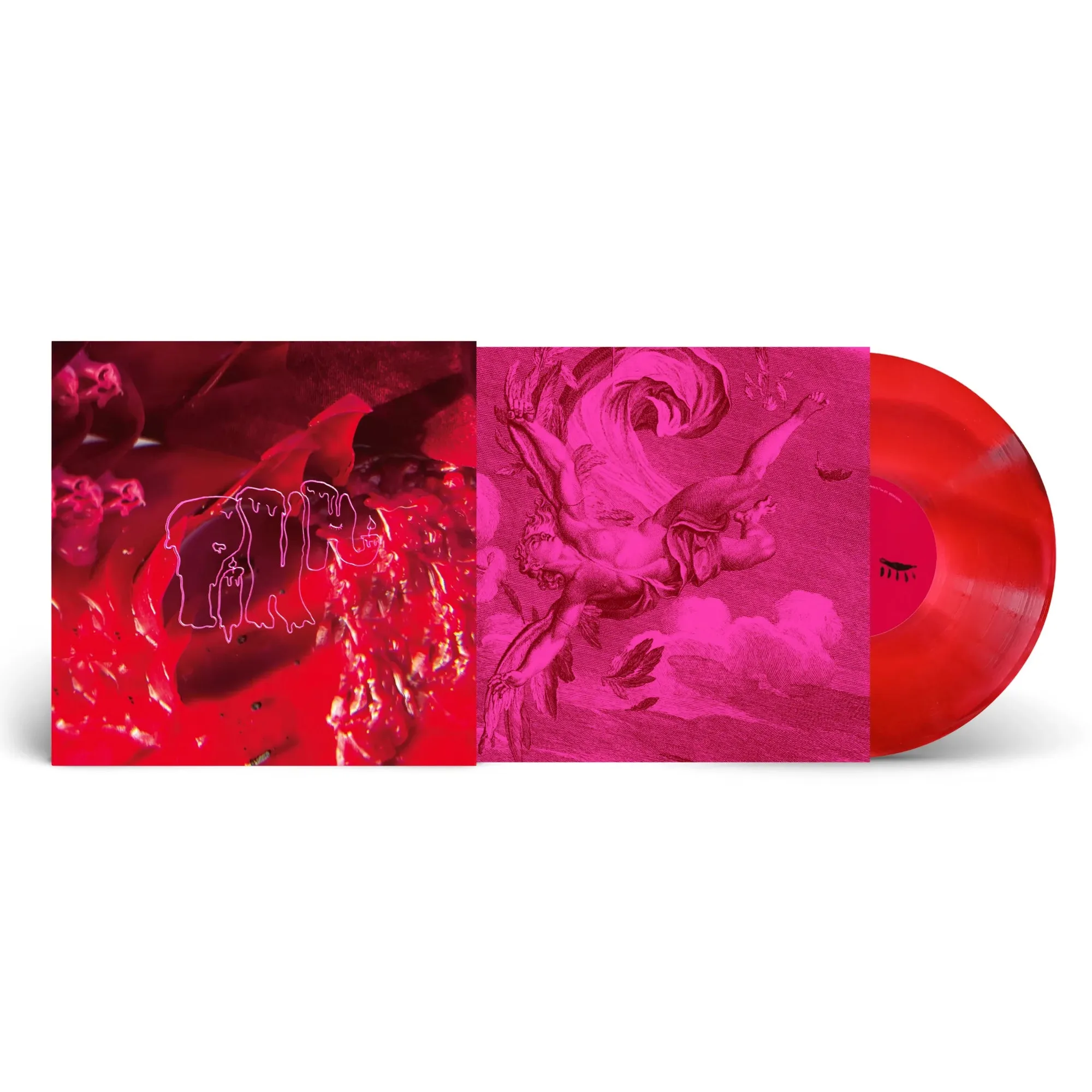
- Priorities / Look 7" (Indie Exclusive): An exact replica picture sleeve seven-inch reissue of a punk/power pop 45 from the short-lived group Trash, originally released in 1977 and 1978. Seven-inch singles are handled more often than LPs, so the mat underneath gets more contact with fingers and dust; a quick weekly dry clean matters more here.
- Folk N' Roll: Pressed on standard black vinyl. Black vinyl shows dust and sleeve scuffs clearly, so a clean slipmat makes it easier to tell whether surface noise is coming from the record or the mat.
Slipmat care comes down to a short, repeatable routine: dry-brush often, hand wash occasionally, dry flat, and inspect for wear every time. Do that, and your turntable slipmat maintenance stays simple, your records sit level, and you will know exactly when slipmat replacement is the right call instead of guessing.