Quick answer
For most collectors, vinyl wins on tactile experience and display value, CD wins on convenience and durability, and cassette wins on nostalgia and portability. If you value album art and ritual, start with vinyl; if you need reliable playback and easy storage, choose CD; if you want a retro aesthetic with a smaller footprint, cassette is your pick.
How each format shapes your collecting experience
Vinyl records are large, fragile, and demand careful handling, but that size is exactly why they display well and feel like objects worth owning. Cassettes are compact and plastic, easy to stack but prone to tape wear and player maintenance. CDs are the most forgiving: they resist scratches better than vinyl, store in slim jewel cases, and play reliably in cars, computers, and dedicated decks. Each format changes not just how music sounds but how you interact with it daily.
Sound quality and the analog vs digital debate
Vinyl and cassette are analog formats, meaning they store sound as continuous physical grooves or magnetic patterns. That can produce warmth and subtle imperfections that many collectors love, but it also means surface noise, wow and flutter, and degradation over time. CDs are digital, so they either play perfectly or skip; there is no gradual wear. In practice, the biggest difference is not better or worse but different: analog invites you to accept imperfection as character, while digital delivers consistency.
Durability, storage, and maintenance
Vinyl needs vertical storage, inner sleeves, and a clean stylus to avoid pops and scratches. Cassettes need a demagnetized player and occasional head cleaning; tapes can stretch or break. CDs are the easiest to maintain: keep them out of direct sun, avoid deep scratches, and they last decades. If you move often or have limited space, CD cases and cassette shells take far less room than a shelf of LPs.
Collectibility and what actually gains value
Limited pressings, colored vinyl, and soundtrack exclusives drive-406218">drive-406217">drive vinyl demand, while cassettes appeal to fans of specific eras or genres like lo-fi and synthwave. CDs are often overlooked but can become valuable when a pressing goes out of print. None of these formats is a guaranteed investment; buy what you enjoy playing, not what you hope to flip.
Trade-offs at a glance
- Vinyl: Best for ritual, art, and display; worst for portability and quick skipping between tracks. Choose vinyl if you play albums start to finish and enjoy the handling ritual.
- Cassette: Best for nostalgia and compact storage; worst for long-term durability and sound consistency. Choose cassette if you love the retro aesthetic and accept occasional tape maintenance.
- CD: Best for convenience, durability, and car playback; worst for large-format artwork and tactile appeal. Choose CD if you want reliable sound with minimal fuss and easy storage.
Vinyl examples that show format trade-offs
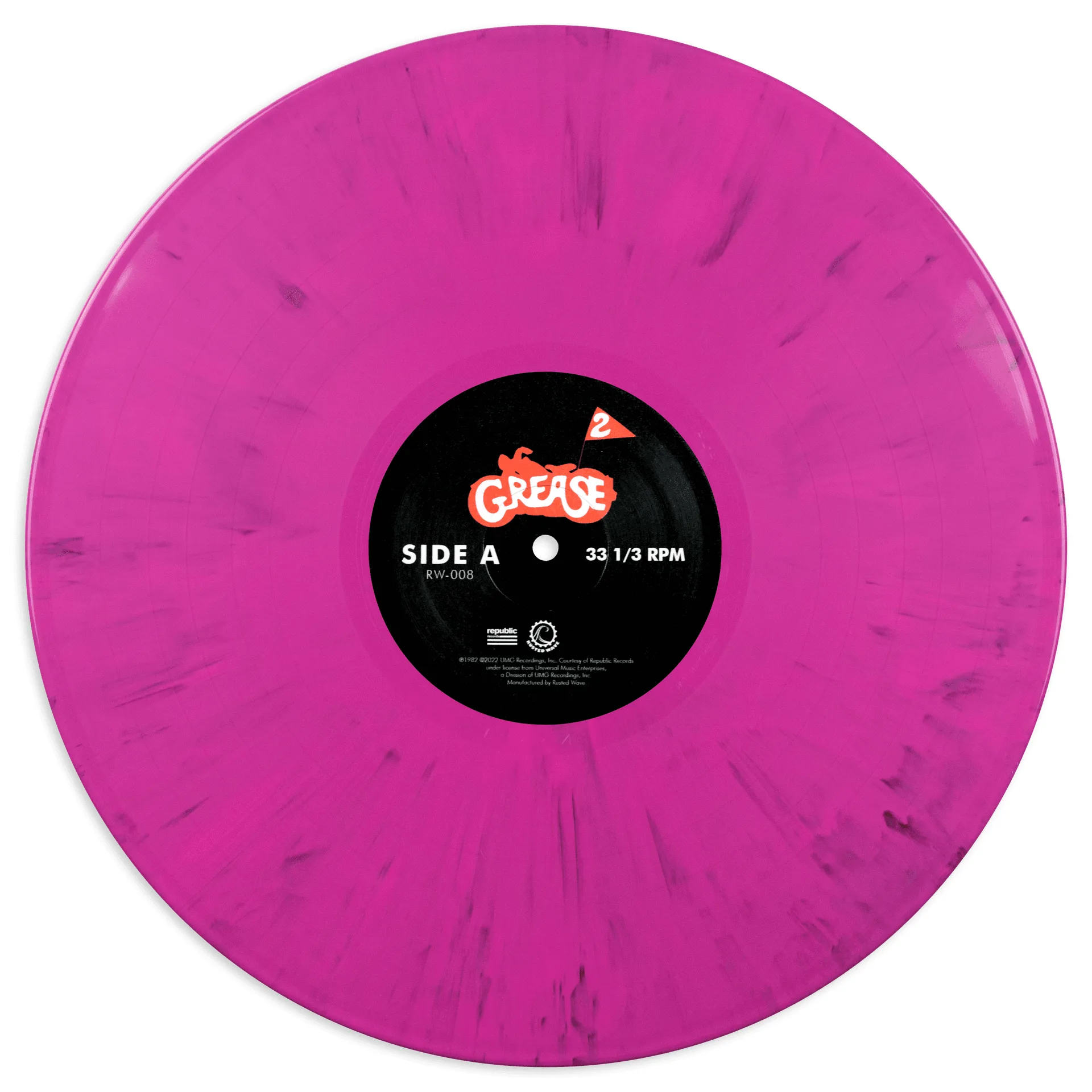
- Grease 2 - Original Soundtrack Recording LP Mondo Exclusive: Mondo Exclusive pressing on Pink/Black Swirl vinyl. Colored vinyl is a collector draw, but it still requires the same careful handling as any LP.
- Blade Runner 2049 – Original Motion Picture Soundtrack 2XLP: 2XLP set featuring music by Hans Zimmer and Benjamin Wallfisch. A double LP means more flipping and storage space, but also a longer, more deliberate listening session.
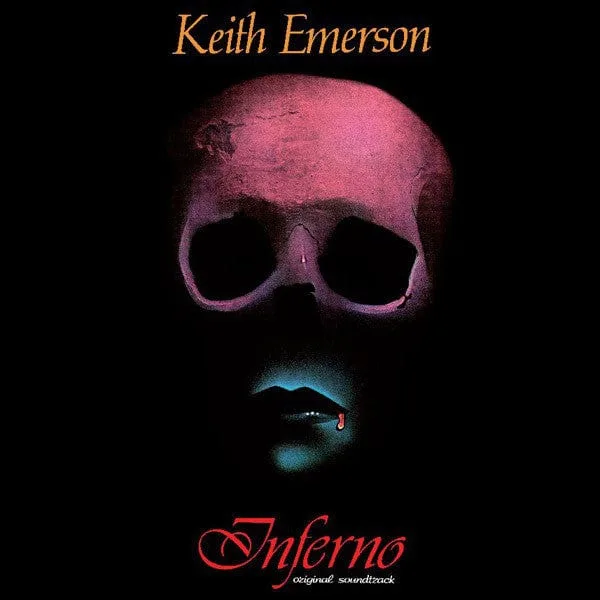
- Inferno - Original Motion Picture Soundtrack LP: Available in a striking Crystal color on AMS Records. Special color variants add visual appeal for display, yet the analog format still demands cleaning and proper sleeves.
- Monsterland - Original Series Soundtrack LP: Available in two striking color options. Multiple colorways let you match a shelf theme, but they do not change the fundamental vinyl care routine.
Which format fits your collecting style?
Best for
- Collectors who display albums and enjoy the ritual of side-flipping
- Fans of limited color pressings and soundtrack exclusives
Not for
- Listeners who want skip-free convenience in a car or on a computer
- Collectors with very limited shelf space who move frequently