Quick Answer
To keep your washed linen oven mitts effective and looking great, wash them in cold or warm water on a gentle cycle, air dry or tumble dry on low, and avoid high heat and bleach. Regularly check the mitt for wear or damage, and replace it if the insulation or fabric is compromised to maintain heat protection.
Washed linen oven mitts are a beautiful and practical addition to any kitchen, but they need proper care to stay safe and last. Unlike synthetic mitts, linen has natural fibers that require a bit more attention during washing and drying to keep them soft and effective.
In this guide, we'll walk you through the best practices for washing, drying, and maintaining your linen oven mitts, so you can continue to handle hot dishes with confidence.
Why Linen Oven Mitts Need Special Care
Linen is a natural, breathable fiber that softens with each wash, making it a favorite for kitchen textiles. However, its natural fibers can be more delicate than synthetics, and improper washing can lead to shrinkage, stiffness, or damage to the inner insulation. Understanding the fabric's needs is the first step to keeping your mitts in top condition.
The heat protection of an oven mitt depends on the integrity of both the outer fabric and the inner padding. If the linen becomes worn, torn, or excessively thinned from washing, the mitt may no longer provide adequate insulation. Regular inspection is key to maintaining safety.
- Always check the care label on your mitt for specific instructions—some may have special coatings or trims.
- Avoid using fabric softeners, as they can coat the fibers and reduce breathability and absorbency.
- If your mitt becomes stained, treat the stain promptly before washing to prevent it from setting.
How to Wash Washed Linen Oven Mitts
The best way to wash your linen oven mitts is to use a gentle cycle with cold or warm water. Hot water can cause linen to shrink and may weaken the fibers over time. Use a mild detergent that is free of bleach and optical brighteners, as these can damage the natural color and texture of the linen.
If your mitts are heavily soiled, you can pre-treat stains with a small amount of gentle detergent before washing. For best results, wash linen mitts separately or with other delicate items to avoid snagging from zippers or hooks.
While most linen oven mitts are machine washable, you can also hand wash them in a basin of lukewarm water with a gentle detergent for more control. This is especially useful if your mitts have decorative details or are particularly delicate.
- Set your machine to a gentle or delicate cycle with a low spin speed to minimize stress on the fabric.
- Use a mesh laundry bag to protect the mitts from tangling or snagging during the wash.
- Never use chlorine bleach on linen—it can weaken the fibers and cause yellowing.
Drying Your Linen Oven Mitts
Air drying is the gentlest method for linen oven mitts. Lay them flat or hang them in a well-ventilated area away from direct sunlight, which can fade the color. Avoid wringing or twisting the mitts, as this can distort their shape and damage the insulation.
If you prefer to use a dryer, choose a low heat or air-dry setting. High heat can shrink linen and may degrade the inner padding, compromising heat protection. Remove the mitts from the dryer while they are slightly damp and reshape them by hand, then let them finish drying flat.
Ironing is not recommended for oven mitts, as the heat can damage the insulation. If you need to smooth wrinkles, use a cool iron on the outside only, or simply rely on the natural relaxed look of washed linen.
- Hanging mitts by their loop can help them keep their shape and dry faster.
- Do not use a dryer sheet—it can leave a residue that reduces the fabric's natural absorbency.
- If you notice the mitts are still damp after drying, let them air dry completely before storing to prevent mildew.
Maintaining Heat Protection Over Time
The key to maintaining heat protection is to keep the mitts in good structural condition. Regularly inspect the fabric for thinning, holes, or frayed edges, especially along the seams and the cuff. If you see any damage, it's time to replace the mitts—no amount of washing can restore lost insulation.
Proper storage also plays a role. Store your linen oven mitts in a dry, cool place, and avoid folding them in a way that creases the insulation. Hanging them on a hook or laying them flat will help them keep their shape and protect the inner padding.
While washing is necessary for hygiene, over-washing can accelerate wear. If your mitts are only slightly soiled, spot cleaning with a damp cloth can extend the time between full washes. This simple habit can significantly prolong the life of your linen kitchen textiles.
- Test the mitt's heat protection by holding it over a warm (not hot) surface—if you feel heat quickly, it may be time to replace it.
- Keep a spare pair of mitts on hand so you can rotate them and reduce wear.
- Avoid using oven mitts to handle very hot cookware if you notice any signs of damage.
Diagnosing Your Oven Mitt Care Issues
- Symptom: Mitts feel stiff after washing: This is often caused by using hot water, high heat drying, or fabric softeners that coat the fibers. Switch to cold or warm water and air dry or use low heat. If stiffness persists, consider hand washing with a gentle detergent.
- Symptom: Mitts have shrunk: Shrinkage usually happens when linen is exposed to high heat during washing or drying. Always use gentle cycles and avoid high heat. If the mitts no longer fit properly, it may be time to replace them.
- Symptom: Mitts no longer protect from heat: This can happen if the insulation has thinned or the fabric has worn thin from repeated washing and use. Inspect the mitts for damage. If you feel heat through the fabric or see visible wear, stop using them and purchase a new pair to ensure safety.
Linen Kitchen Textiles from Material
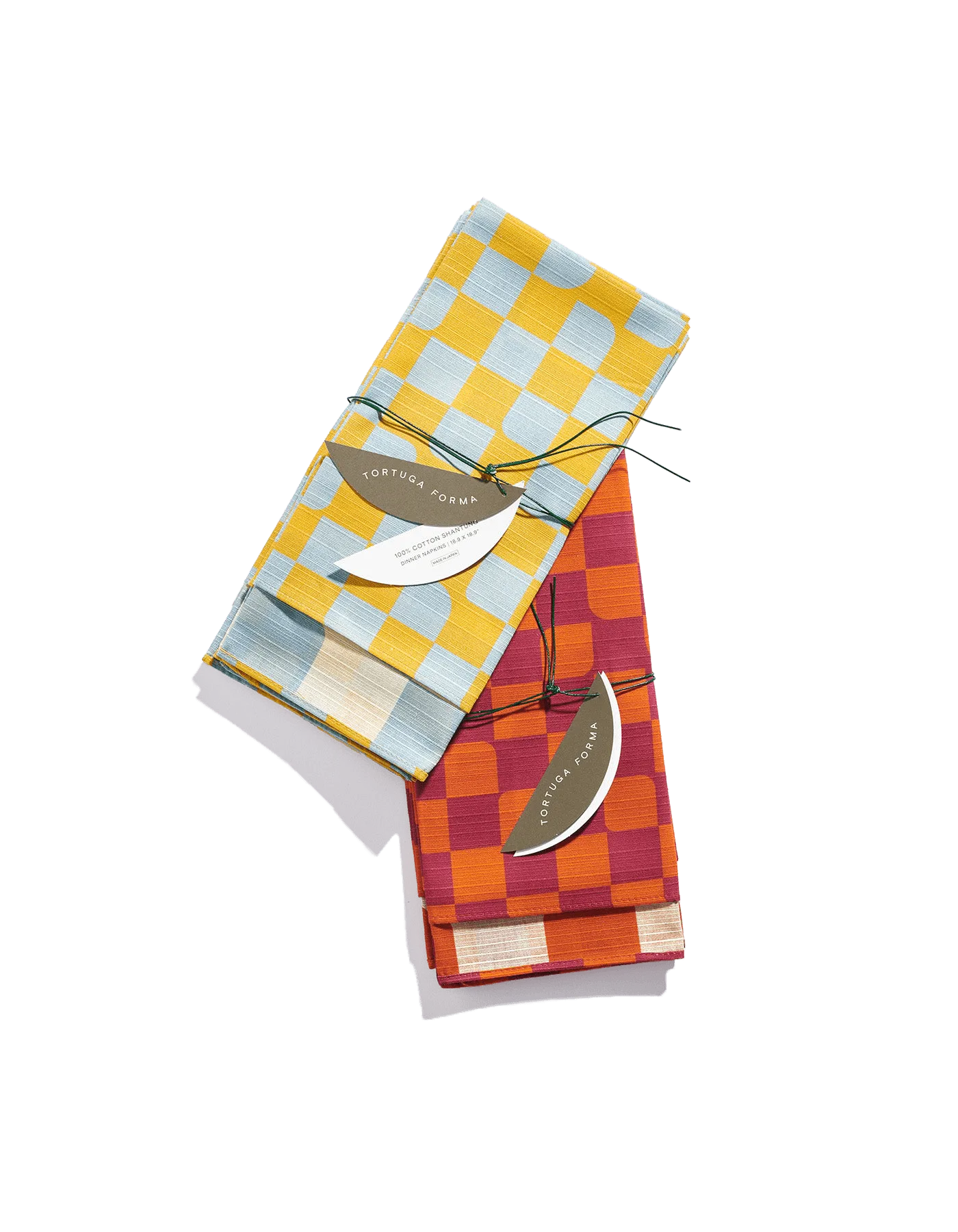
- Dinner Napkins Double Sided Checker - High Season: Our double-sided table linens have a distinct design on the front and back where the pattern shifts in scale and the colors vibrate in surprising combinations on each side. The dinner napkins are printed on 100% cotton shantung with a light woven texture and a luxurious touch. While this product is a napkin, it shares the same high-quality cotton construction as our other kitchen textiles, demonstrating the brand's commitment to durable, beautiful fabrics that can be cared for with similar gentle washing methods.
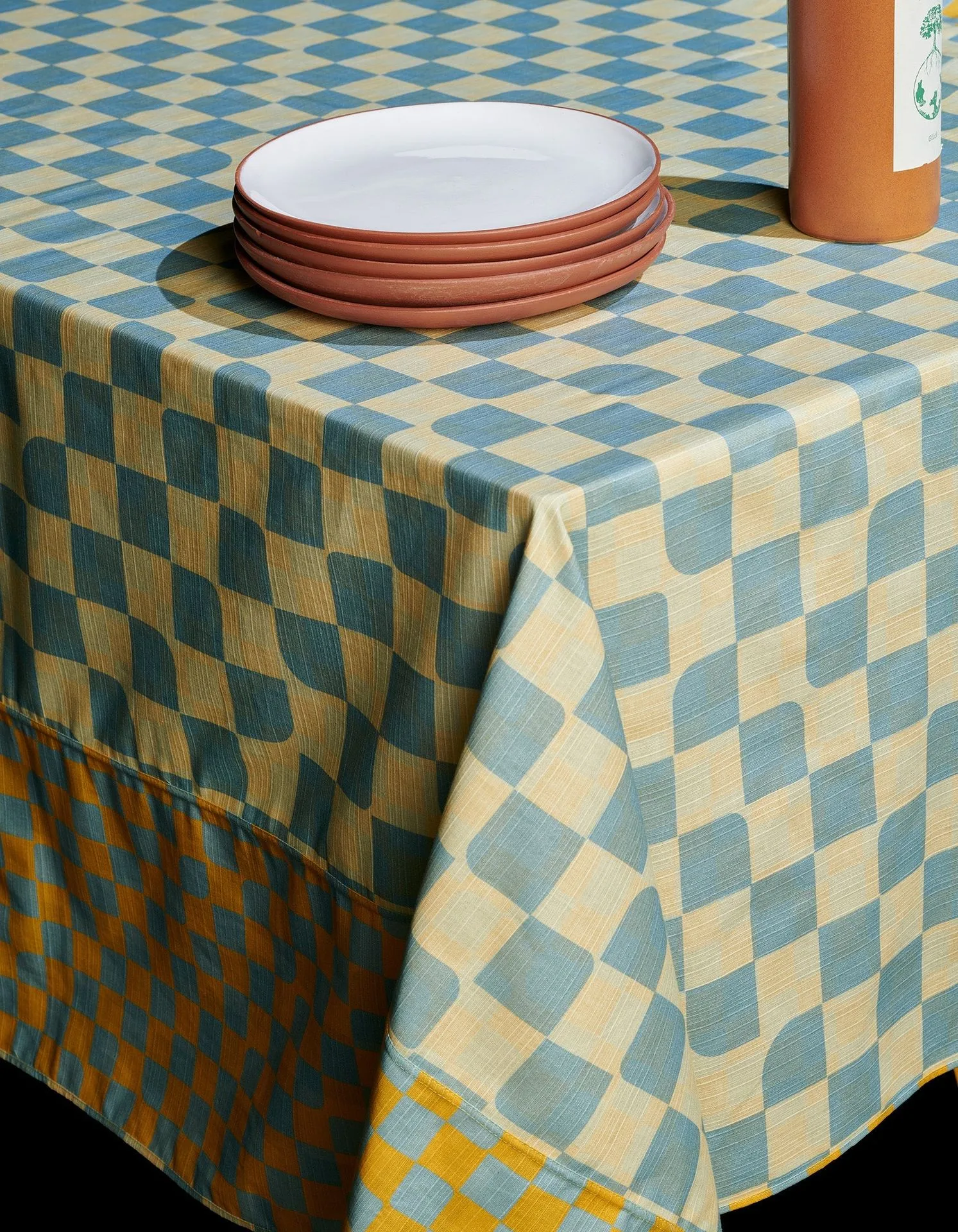
- Tablecloth Reversible Grid: Each tablecloth features a unique design with a central panel and two side panels in complementary palettes and rich colors. Made from 100% cotton... This tablecloth exemplifies the brand's attention to detail and quality, and like your linen oven mitts, it benefits from gentle washing and proper drying to maintain its appearance and longevity.
Caring for your washed linen oven mitts doesn't have to be complicated. By following these washing, drying, and maintenance tips, you can keep them clean, soft, and effective for many meals to come. Remember to always prioritize safety—if your mitts show signs of wear, replace them promptly to protect your hands.