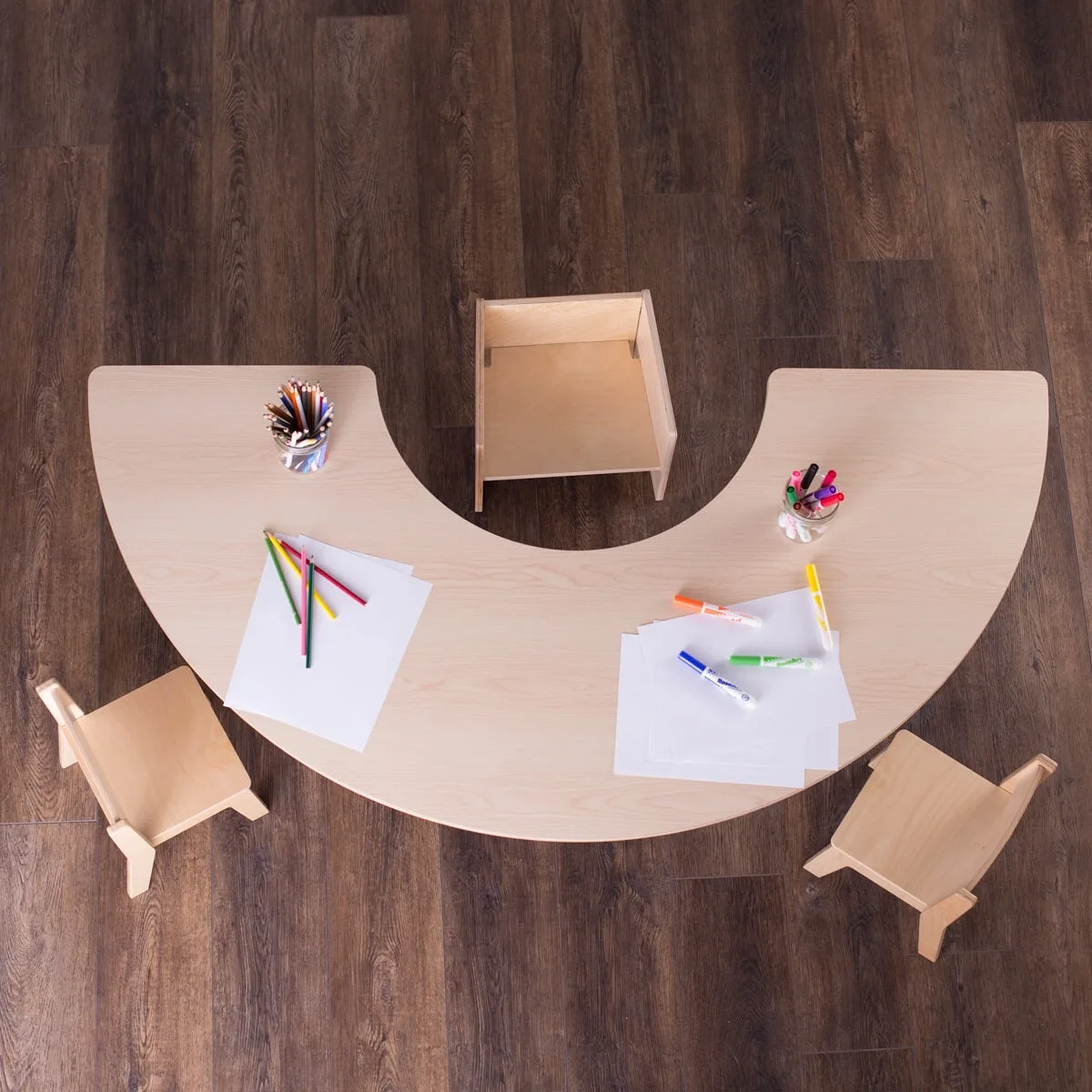
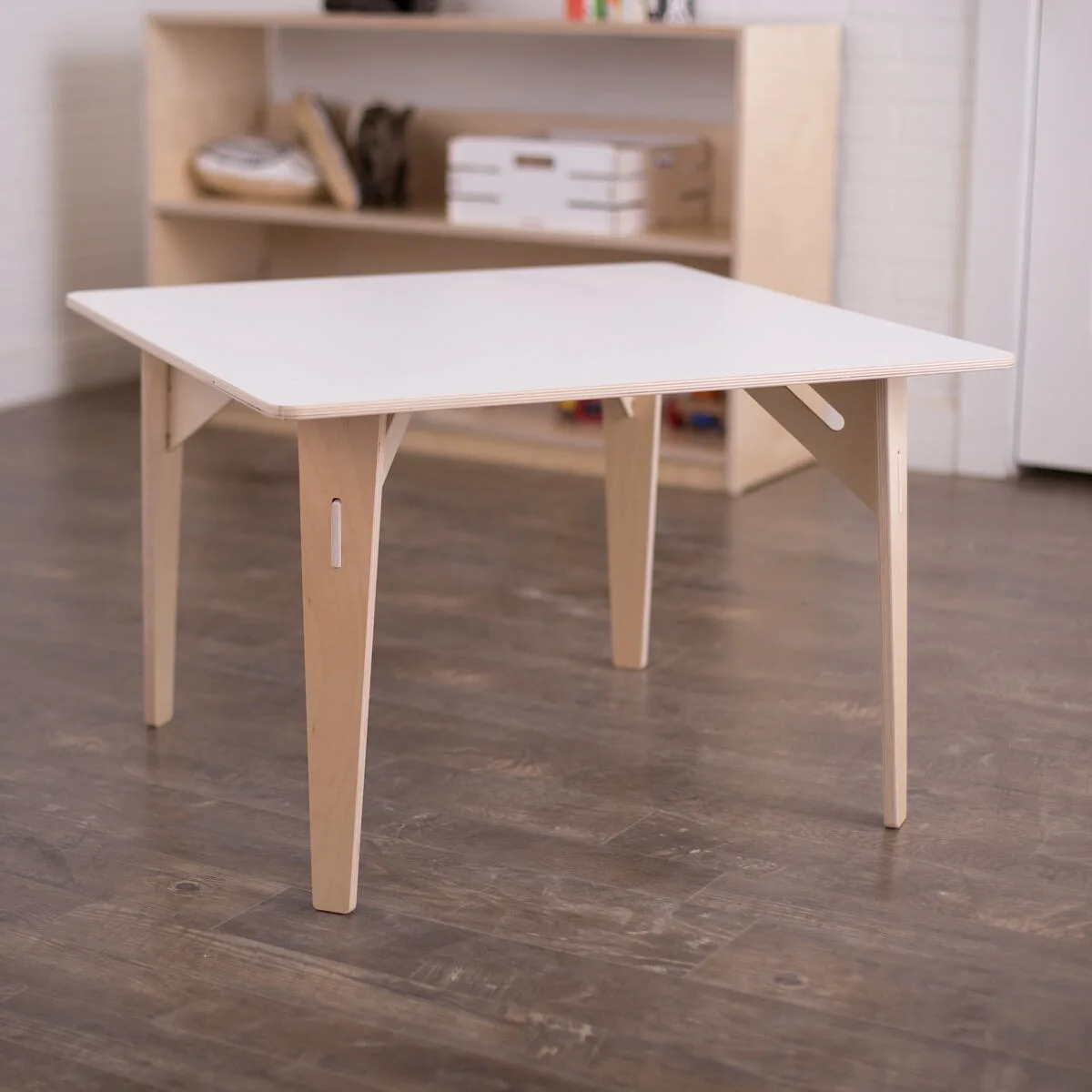
A weaning table set is a cornerstone of Montessori and toddler-led independence. It gives your child a dedicated space for eating, playing, and exploring without needing an adult-sized table. But as your little one grows, a fixed-height table can quickly become uncomfortable or unusable. That's where adjustable legs come in—they let the table grow with your child, extending its usefulness from the first self-feeding attempts through preschool years.
Choosing the right weaning table set involves more than just picking a cute design. You'll want to consider leg adjustability, material durability, and ease of cleaning. In this article, we'll share practical tips for selecting a weaning table with adjustable legs, how to set the proper height, and how to care for the table so it stays safe and beautiful for years.
Why Adjustable Legs Matter for a Weaning Table
Children grow rapidly between ages 1 and 4, and their ideal table height changes along with them. A weaning table with adjustable legs allows you to raise the surface as your child gets taller, ensuring their elbows rest comfortably on the table without hunching or reaching. This supports good posture and makes activities like painting, snacking, or puzzles more enjoyable.
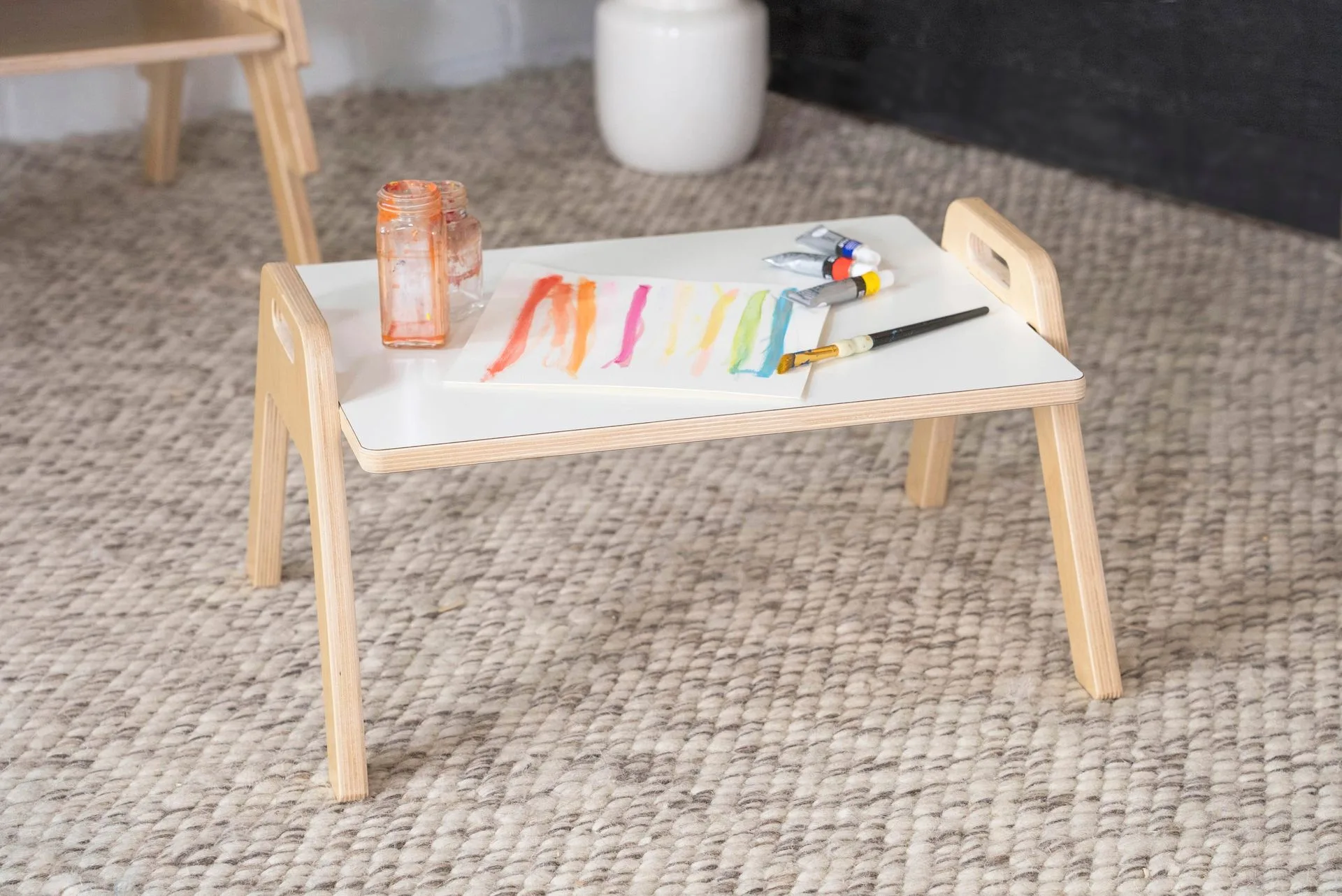
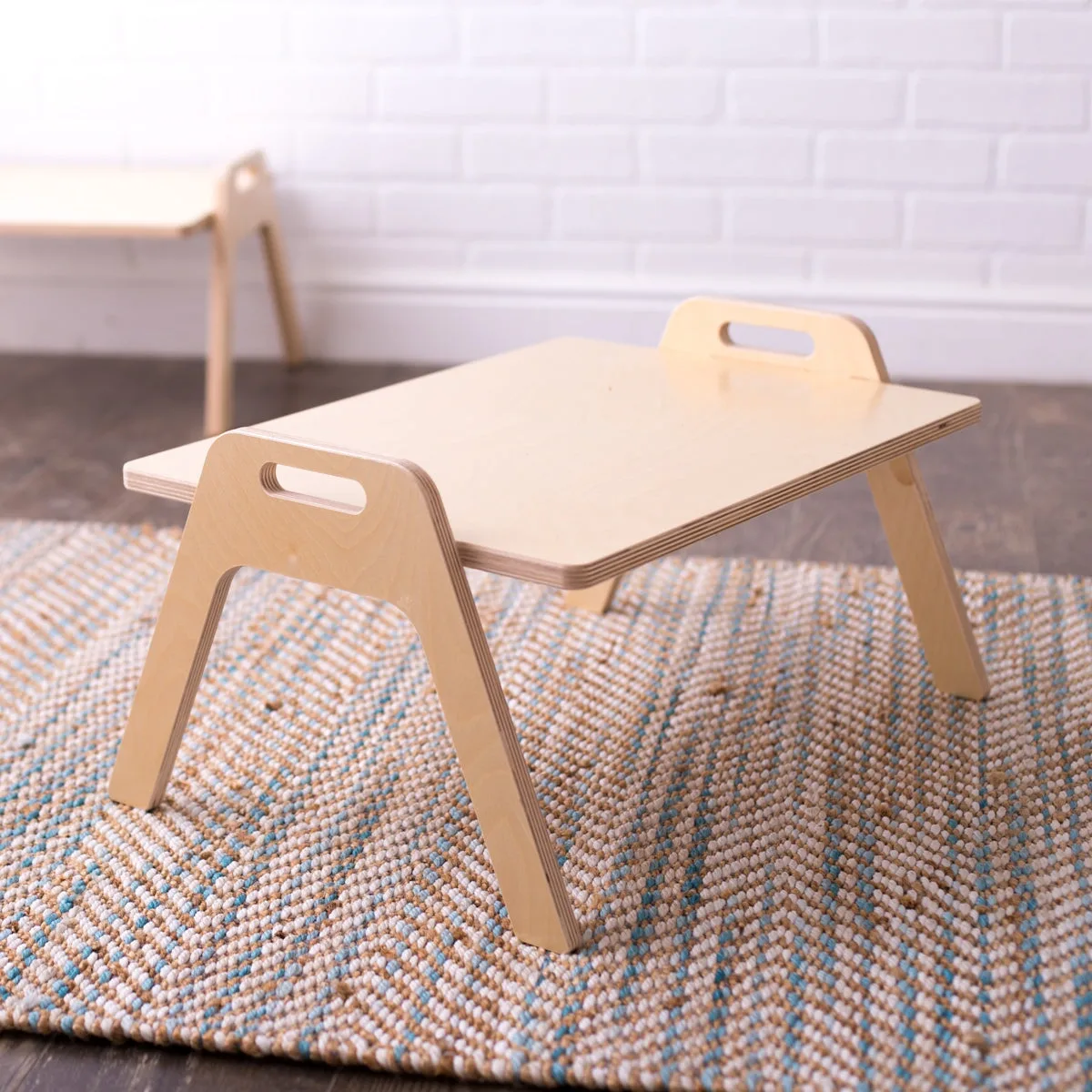
Many families start with a floor-level option like the Chowki Floor Table, which works beautifully for seated play and early meals when the child isn't yet using chairs. As your toddler develops balance and coordination, they can transition to a raised table with adjustable legs paired with Wooden Kids Chairs. The height adjustment mechanism also lets you customize the table for standing activities, such as light table play or sensory bins.
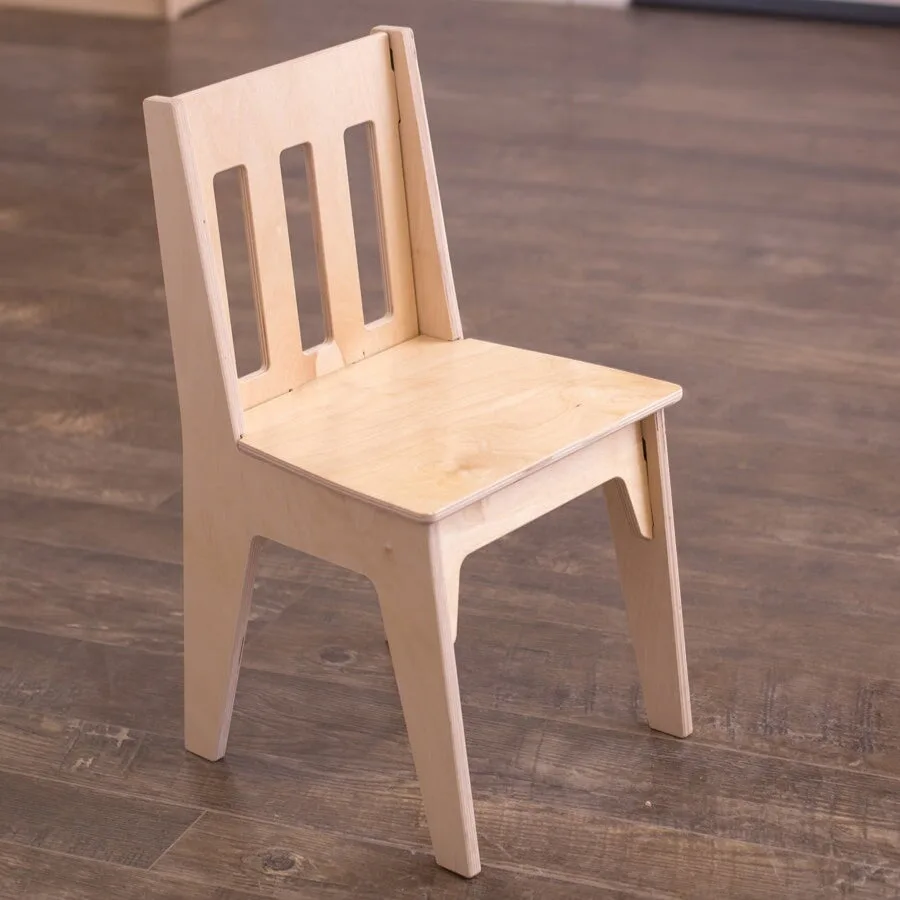
Wooden Kids Chairs
- Measure from the floor to your child's elbow while seated to find the ideal table height
How to Adjust and Maintain the Right Height
When you first set up an adjustable-leg weaning table, start at the lowest setting and raise it gradually as needed. A good rule of thumb is that the tabletop should be about 1–2 inches above the child's lap when they are seated on a chair or cushion. For standing work, the table should hit just below belly-button level. Tighten all leg hardware securely after each adjustment to prevent wobbling.
Check the leg connectors every few months—especially if your child likes to climb or lean on the table. Wooden tables can expand and contract with humidity, so re-tightening screws is part of normal toddler table care. If your table uses a locking pin or twist mechanism, keep those parts clean and lubricated with a dab of beeswax to ensure smooth height changes.
Caring for Your Weaning Table: Cleaning and Longevity
A weaning table sees a lot of action—sticky fingers, spilled milk, paint splatters, and clay. For daily care, wipe the surface with a damp cloth and mild soap, then dry immediately. Avoid soaking the wood or using harsh cleaners that could strip the finish. If your table is made from solid wood, occasional conditioning with food-safe mineral oil or beeswax will keep the grain from drying out.
Weaning table height adjustment hardware also benefits from regular inspection. Dust and crumbs can accumulate in leg joints, so give them a quick brush-out during cleaning. Store the set in a dry area away from direct sunlight to prevent warping. By treating the table gently and addressing spills quickly, you'll preserve its beauty and safety for younger siblings or future play.
- Use coaster or placemat for wet cups to minimize water rings on the wood surface
A well-chosen weaning table set with adjustable legs is an investment in your toddler's independence and comfort. By selecting a model that allows height changes, setting it up correctly, and caring for the wood and hardware, you can enjoy years of use. Whether you pair it with Wooden Kids Chairs or use it on its own, the table will become a favorite spot for meals, crafts, and imaginative play—all while adapting to your child's ever-changing needs.