Quick answer
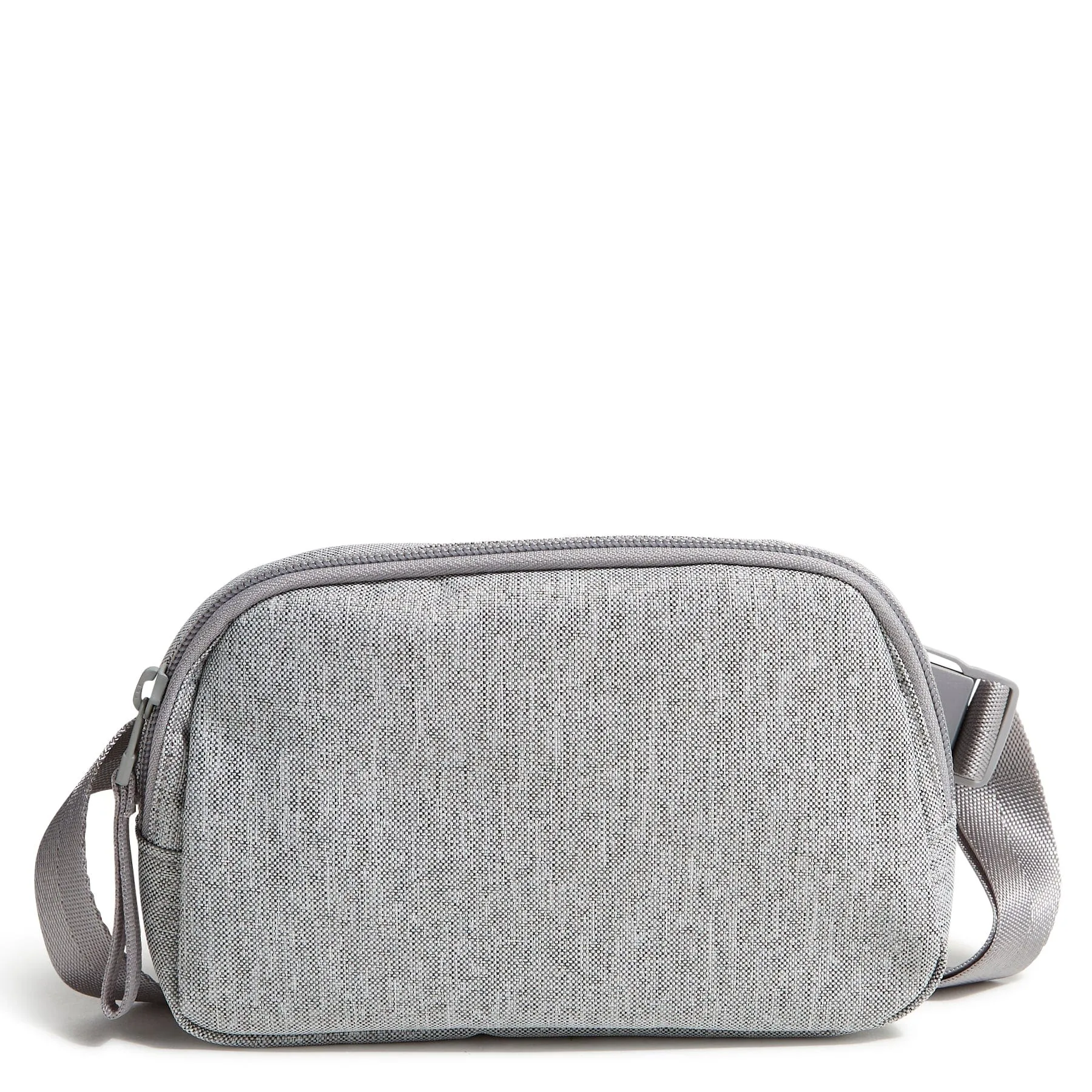
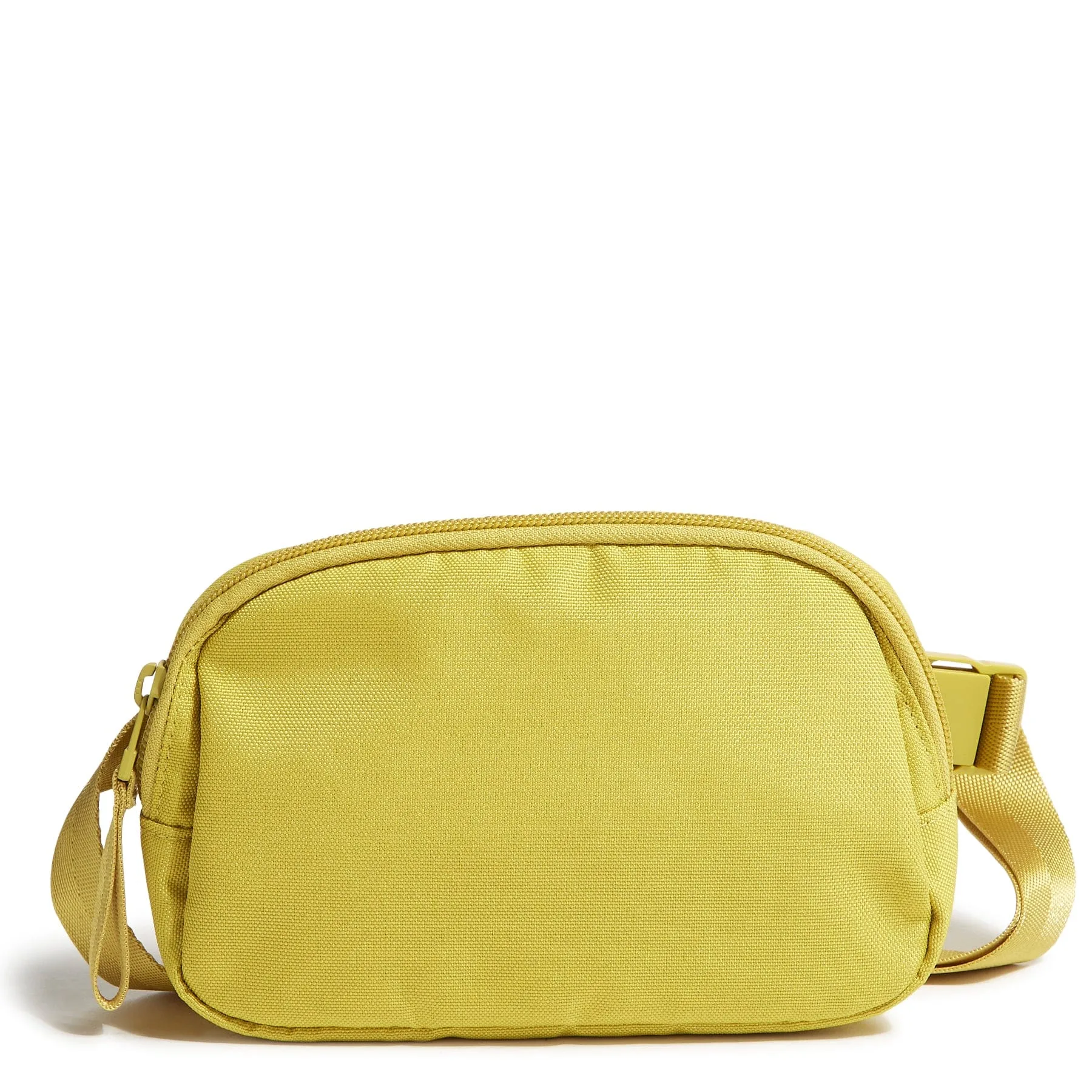
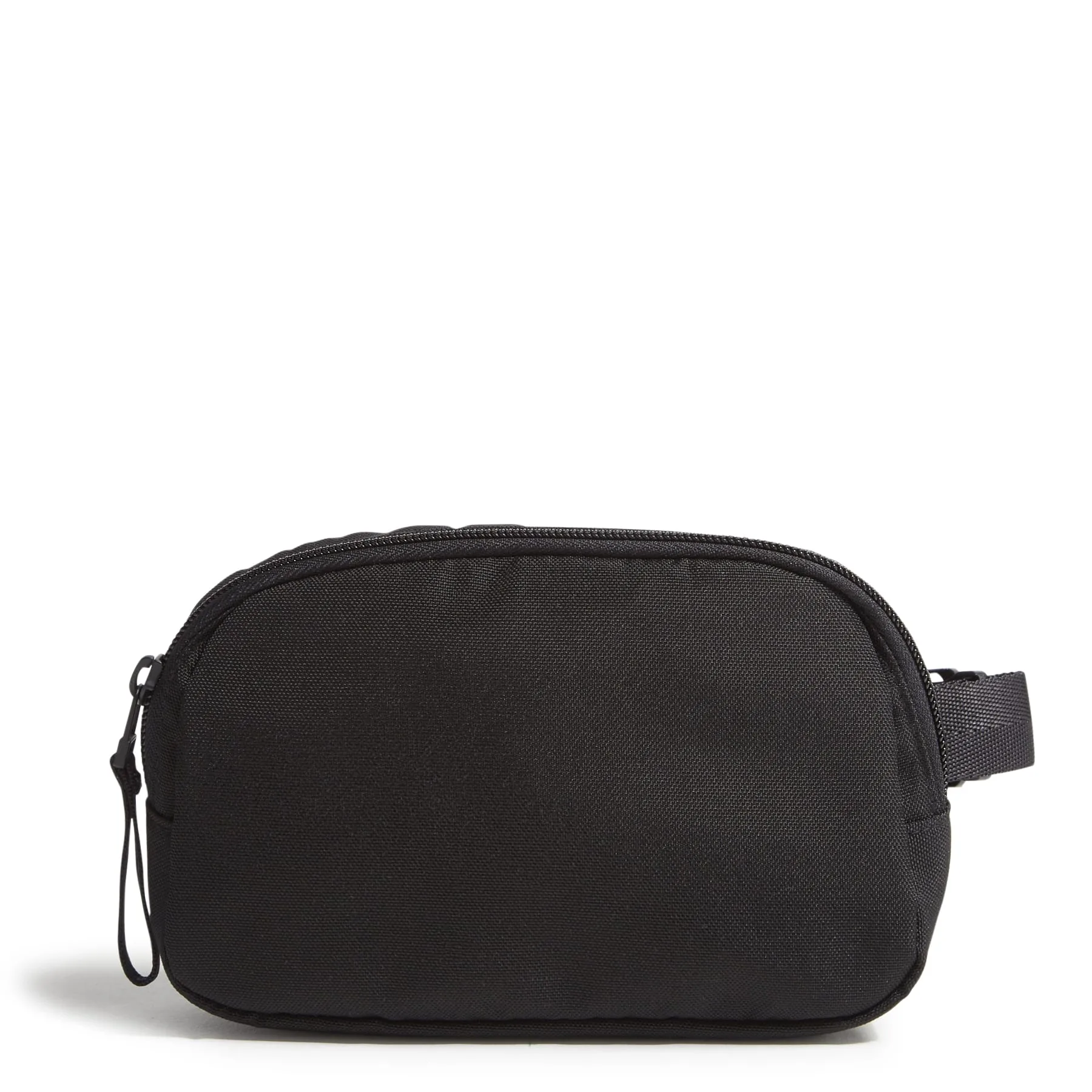
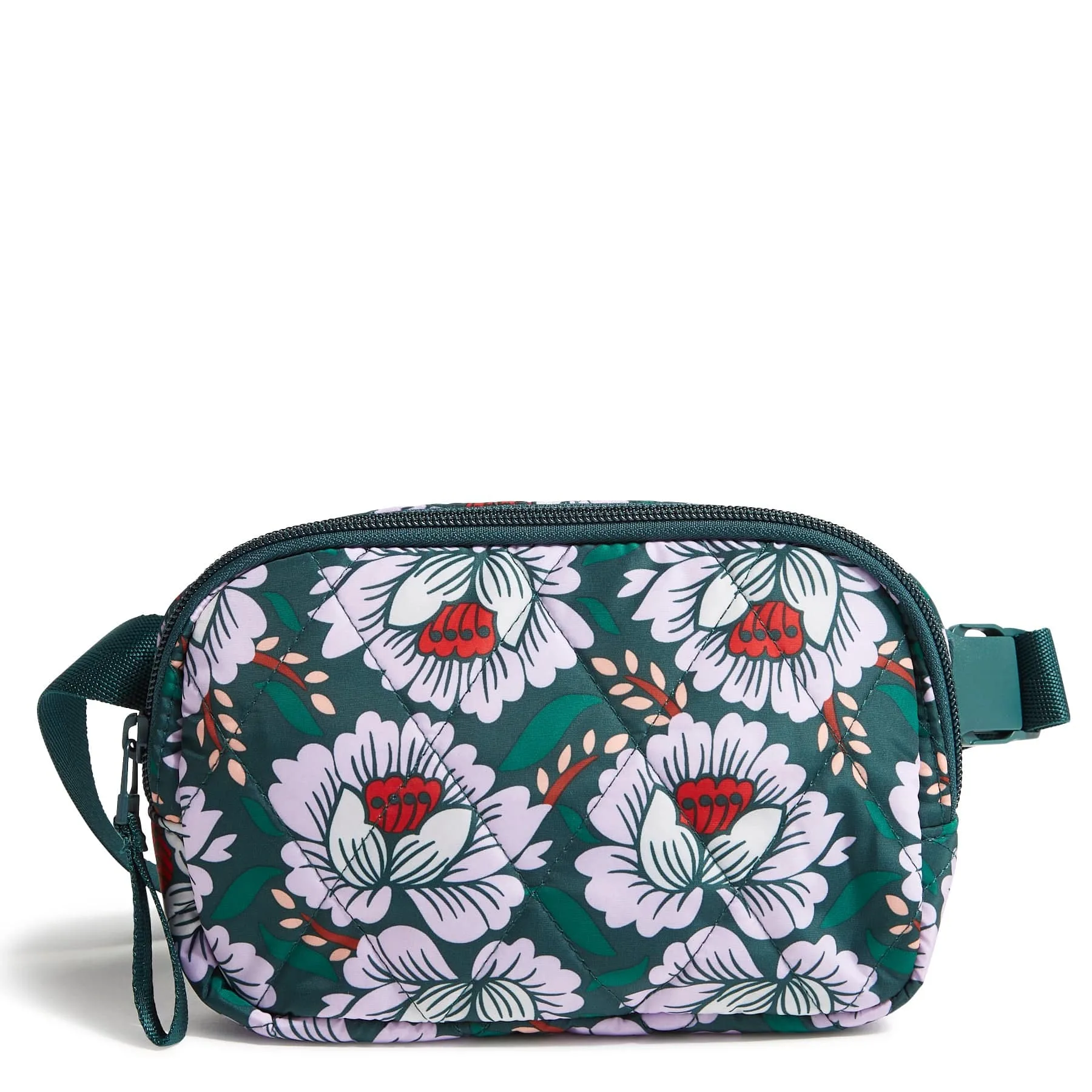
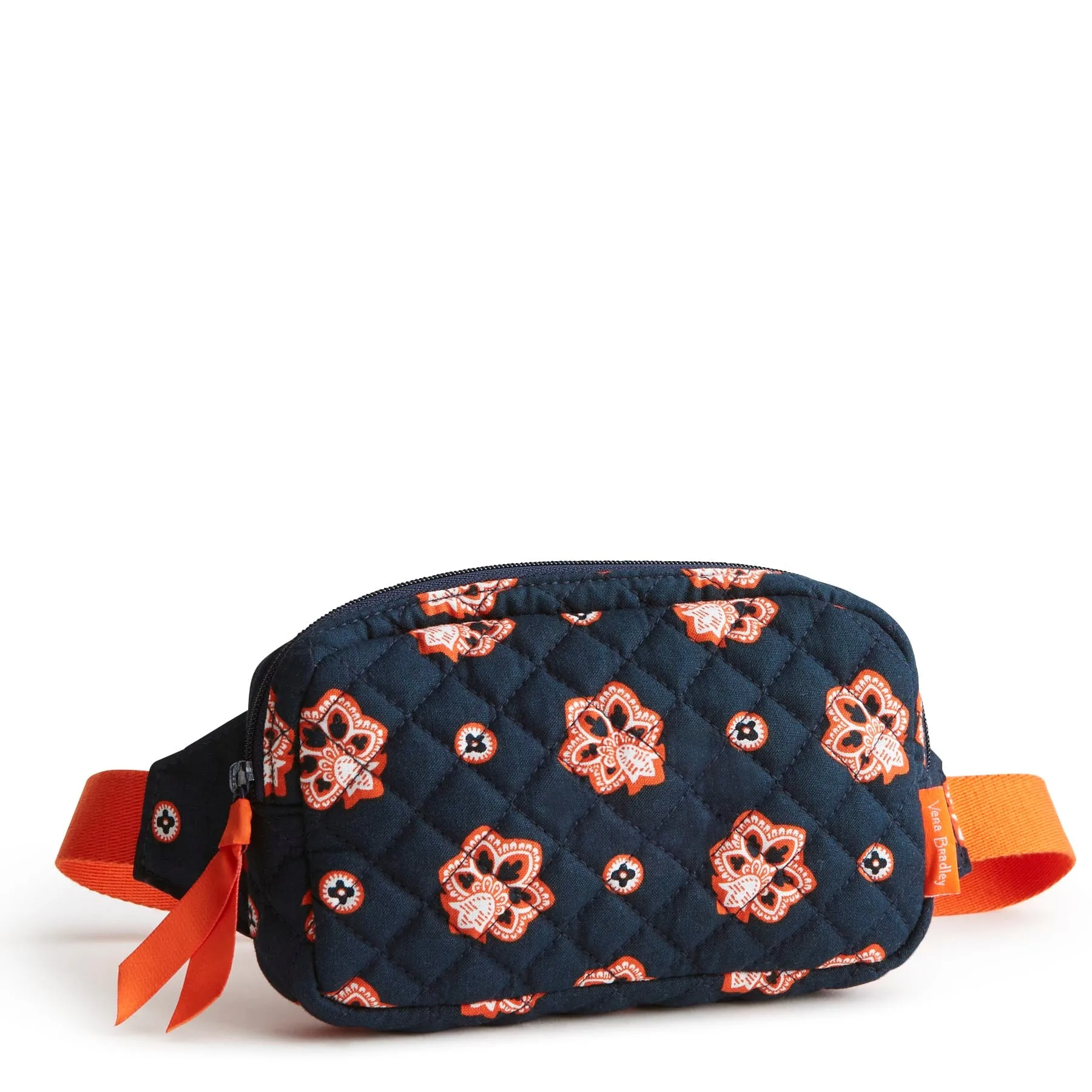
A mini belt bag typically holds a phone, cardholder or small wallet, keys, lip balm, hand sanitizer, and a compact snack. If you want to carry more, choose one with an exterior pocket and an interior key loop, then pack flat items first and bulky items last. The https://verabradleyoutletex.com/products/mini-belt-bag-5068620492-6a9d416bd38c1699d86aa01b-1640434https://verabradleyoutletex.com/products/mini-belt-bag-5068620134-723a7e8cda08ff4a7be996fc-1640455https://verabradleyoutletex.com/products/outlet-mini-belt-bag-5074220895-0b19457c19d2733998960d73-1640488https://verabradleyoutletex.com/products/mini-belt-bag-5068620343-70bc7a54b910b629973ab161-1640501Outlet Mini Belt Bag is a good reference for this size because it has a 7.5" w x 4.75" h x 2.0" d body, an exterior back zipper pocket, and an interior key loop.
A mini belt bag is not a tiny purse with a strap. It is a small, hands-free container with a specific capacity, and getting the most from it means packing to its dimensions instead of guessing. This guide walks through a repeatable packing process so you can carry daily essentials without bulging the bag or fighting the zipper.
The same method works whether you use the bag for errands, workouts, or travel. The key is to sort by thickness, use the pockets for flat and small items, and keep the main compartment for soft or bulky things. Once you know what fits in a mini belt bag, you can decide whether to wear it across your chest, on your hip, or over a shoulder.
Start with the bag's real measurements
Before you pack anything, check the bag's listed dimensions and pocket layout. The Outlet Mini Belt Bag measures 7.5" w x 4.75" h x 2.0" d and weighs 0.22 lb. That 2-inch depth is the number that limits you most, because anything thicker than about an inch and a half will press against the zipper and make the bag hard to close.
A common mistake is assuming a belt bag with a longer strap has more room. Strap length only changes how you wear it, not what fits. The Outlet Mini Belt Bag has an adjustable strap at longest length 44.0", so it can sit at your waist or across your chest, but the interior capacity stays the same.
- Measure your phone case, not just the phone, before you commit to a layout.
- If the bag lists a depth of 2.0", treat anything thicker than 1.5" as a squeeze item.
Sort your essentials into three thickness groups
Lay everything you want to carry on a table and divide it into flat, medium, and bulky piles. Flat items include cards, cash, IDs, and a phone without a thick case. Medium items include keys, a lip balm, and a small hand sanitizer. Bulky items include a snack bar, a compact, or a small power bank.
This sorting step is where most people go wrong. They put bulky items in first, then try to slide flat items around them, which wastes space and hides the cards you need most. Pack flat items against the back wall, medium items in the front pocket, and bulky items last in the center.
- Keep a separate small pouch for cards so they do not fan out inside the bag.
- If you carry a power bank, check its thickness against the bag depth before you leave.
Use the exterior pocket for quick-reach items
An exterior back zipper pocket is the best place for items you need without opening the main compartment. The Outlet Mini Belt Bag has an exterior back zipper pocket, which is ideal for a transit card, a parking ticket, or a single key. Keeping these outside the main space also reduces how often you open the bag, which keeps the zipper from wearing out.
A checkpoint here is reachability. Put one hand on the bag and try to open the exterior pocket without looking. If you cannot do it in one motion, move that item to a different spot or remove it. The exterior pocket should hold only flat items, because anything thick will make the bag sit unevenly against your body.
- Test exterior pocket access while the bag is on your body, not on a table.
- Do not put a phone in the exterior pocket if it makes the bag tilt forward.
Anchor keys and small items inside
Keys are the item most likely to disappear into a mini belt bag. The Outlet Mini Belt Bag includes an interior loop for keys, which keeps them from sliding to the bottom and scratching your phone. Clip your keys to the loop before you add anything else, then pack around them.
If your bag does not have a key loop, use a small carabiner on the zipper pull or a wristlet strap to keep keys contained. The goal is to prevent keys from resting against a screen or a card stack. This is also a good moment to remove keys you do not need for the day, since each key adds thickness and weight.
- Clip keys first so they sit against the back wall, not on top of your phone.
- Remove unused keys before a trip to save space and reduce jingling.
Choose how to wear it for the day
How you wear a belt bag changes what you can comfortably carry. Across the chest keeps the bag in front of you, which is useful in crowds and for travel. On the hip keeps your hands free and works well for workouts. Over the shoulder is a quick option when you are wearing a coat or a dress without a belt line.
The Outlet Mini Belt Bag has an adjustable strap at longest length 44.0", so you can move between these positions without a second bag. A common mistake is wearing the bag too low on the hip, where it bounces while you walk. Tighten the strap until the bag sits flat against your body and does not swing.
- For travel, wear the bag across your chest and keep the exterior pocket facing you.
- For workouts, wear it on the hip and remove anything that rattles.
Step-by-step mini belt bag packing method
- Step 1: Empty and check the bag: Open every pocket and remove old receipts, loose cards, and crumbs. Check the zipper for smooth movement and confirm the strap adjusts to the length you want. Checkpoint: if the zipper catches before you pack, fix it now rather than after the bag is full.
- Step 2: Clip keys to the interior loop: Attach your keys to the interior key loop first so they sit against the back wall. If your bag lacks a loop, use a small carabiner on the zipper pull. Checkpoint: keys should not touch your phone or card stack.
- Step 3: Place flat items against the back wall: Slide cards, cash, and a thin phone into the main compartment against the back wall. Keep them in a single stack rather than spreading them out. Checkpoint: the stack should be no thicker than about 1 inch so the bag stays under its 2.0" depth.
- Step 4: Fill the exterior pocket with quick-reach items: Put a transit card, a single key, or a parking ticket in the exterior back zipper pocket. Keep this pocket flat so the bag sits evenly. Checkpoint: open the exterior pocket without looking while the bag is on your body.
- Step 5: Add medium items in the center: Place lip balm, hand sanitizer, and a small snack in the center of the main compartment, on top of the flat stack. Do not force the zipper. Checkpoint: the bag should close with light pressure, not a hard pull.
- Step 6: Adjust the strap and test the carry: Wear the bag across your chest, on your hip, or over your shoulder. Tighten the strap until the bag sits flat and does not bounce when you walk. Checkpoint: walk ten steps and confirm nothing rattles or presses into your body.
Product facts that shape your packing plan
- Outlet Mini Belt Bag: Dimensions: 7.5" w x 4.75" h x 2.0" d; exterior back zipper pocket; interior loop for keys; adjustable strap at longest length 44.0"; weight 0.22 lb. The 2.0" depth sets your thickness limit, the exterior pocket handles quick-reach flat items, and the key loop keeps keys off your phone.
- Outlet Mini Hipster: Dimensions: 6.0" w x 7.5" h x 0.75" d; exterior slip pocket; interior ID window and three card slips; adjustable strap at longest length 56.0"; weight 0.29 lb. At only 0.75" deep, this bag is for flat carry only, but the ID window and card slips replace a separate wallet.
- Outlet Wallet Crossbody: Dimensions: 8.25" w x 4.5" h x 1.0" d; interior two bill slip pockets, six card slip pockets, and a zip pocket; removable, adjustable strap at longest length 52.0". If you carry more cards than a mini belt bag allows, this gives you six card slips and a zip pocket while staying under 1 inch deep.
A mini belt bag works best when you pack to its depth, use the exterior pocket for flat quick-reach items, and anchor keys before anything else. Start with the Outlet Mini Belt Bag if you want an exterior pocket and a key loop, or the Outlet Mini Hipster if you prefer a flatter profile with built-in card storage. Adjust the strap, test the carry, and remove one item if the zipper fights back.