Quick answer
A Brazilian cut is a panty style with fuller front coverage and a back that shows more cheek than a brief but less than a thong. If you want a middle ground between coverage and a barely-there feel, start with a Brazilian in your usual size and check that the waistband sits flat before deciding to size up or down.
A Brazilian cut is easier to understand once you stop comparing it to a brief and start comparing it to a thong. It keeps more fabric across the front and seat than a thong, but the back is cut higher and narrower, so part of the cheek is exposed. That single design choice is what makes it feel lighter than a full-coverage brief without the minimal back of a G string.
This beginner's guide walks through the Brazilian cut meaning, how it differs from a thong, and a simple step-by-step process for choosing and wearing one. You will also see how real Lace Laboratory styles apply these ideas, so you can match the cut to the outfit and the day ahead.
Brazilian cut meaning, in plain terms
The Brazilian cut meaning comes down to proportion. The front panel offers moderate coverage, similar to a classic brief, while the back is cut to sit higher on the hip and reveal part of the cheek. It is not a thong, and it is not full coverage. Think of it as the middle point on the coverage scale, which is why it works under both casual and dressier outfits.
Because the back is narrower, the fit depends heavily on how the fabric stretches and recovers. A Brazilian made with stretch lace that adapts to your shape will sit closer to the body than a rigid fabric. That is why fit matters more than the label on the tag when you are deciding whether a Brazilian is right for you.
- Check the back rise before buying: a higher cut shows more cheek, a lower cut shows less.
- Stretch lace usually feels more forgiving than stiff cotton on the first wear.
Brazilian vs thong: the difference that actually matters
When people ask about Brazilian vs thong, the honest answer is coverage. A thong has a narrow strip at the back with minimal fabric, while a Brazilian keeps a wider panel that covers more of the seat. If you find thongs too minimal but briefs too heavy, the Brazilian is the natural in-between. Neither is better; they simply suit different outfits and comfort preferences.
The other difference is how they sit under clothing. A Brazilian can create a smoother line across the hip because the back is cut higher, while a thong is designed to disappear almost entirely. If you are wearing something fitted, try both cuts with the same outfit to see which one gives you the finish you prefer. That test takes two minutes and settles the question faster than any guide.
- Choose a Brazilian when you want a little more coverage than a thong.
- Choose a thong when the outfit needs the most minimal line possible.
Types of Brazilian underwear you will see
Within the Brazilian family, the main variations are rise and waist height. A standard Brazilian sits at the hip, while a high waist Brazilian extends higher for more support across the midsection. A high waist thong takes that same higher rise but pairs it with a thong back, so you get shaping at the waist and minimal coverage behind. These are different fits, not just different names.
Coverage also changes with the specific style. Some Brazilians keep a cheeky back that feels light and comfortable, while others are cut closer to a brief. Reading the product description carefully, rather than assuming all Brazilians fit the same, will save you returns. If a style mentions a cheeky Brazilian back, expect more cheek than a standard brief.
- Standard Brazilian: hip-level rise, moderate front coverage, cheeky back.
- High waist Brazilian: higher rise for support, same cheeky back principle.
- High waist thong: higher rise with a thong back instead of a Brazilian back.
How to wear a Brazilian comfortably
Start by putting the panty on and checking the waistband first. It should sit flat against your skin without digging in or rolling down. If it rolls, the size is likely too small or the rise does not match your body. Next, check the back: the fabric should sit smoothly across the cheek without pulling. If it pulls, size up rather than tugging at it all day.
For all-day wear, pair the Brazilian with outfits where you want a smooth silhouette but not the absolute minimum line. Under jeans, skirts, and tailored trousers, a Brazilian often strikes the right balance. If you are new to the cut, wear it for a few hours at home first so you can adjust before committing to a full day out.
- Waistband flat, back smooth, no constant adjusting: that is the right fit.
- Give a new cut a short trial run before wearing it for a long event.
Step-by-step: choosing and wearing your first Brazilian
- 1. Identify the coverage you actually want: Decide whether you want more coverage than a thong or less than a brief. A Brazilian sits in the middle, so knowing your goal prevents buying the wrong cut. Checkpoint: if you want maximum coverage, a brief may suit you better than a Brazilian.
- 2. Pick the right rise for your body and outfit: A standard Brazilian sits at the hip, while a high waist Brazilian or high waist thong sits higher for more support. Match the rise to the waistband of your clothing. Common mistake: choosing a high rise for a low-rise outfit, which causes the waistband to show.
- 3. Start with your usual size, then check the fit: Put the panty on and check that the waistband lies flat and the back sits smoothly without pulling. If it digs in or rolls, adjust the size rather than forcing the fit. Checkpoint: no constant tugging means the size is right.
- 4. Test it under the outfit you plan to wear: Wear the Brazilian under the actual clothing you have in mind. This shows you whether the back line and waistband sit the way you want before you commit to a full day. Common mistake: judging the fit under loose clothing, which hides how the cut really sits.
- 5. Build a small rotation before buying more: Once you know which rise and back work for you, add one or two more in the same fit family. This keeps your drawer practical instead of full of styles you rarely reach for. Next step: compare a Brazilian and a thong in the same rise to see which you prefer for different days.
How Lace Laboratory styles apply the Brazilian cut
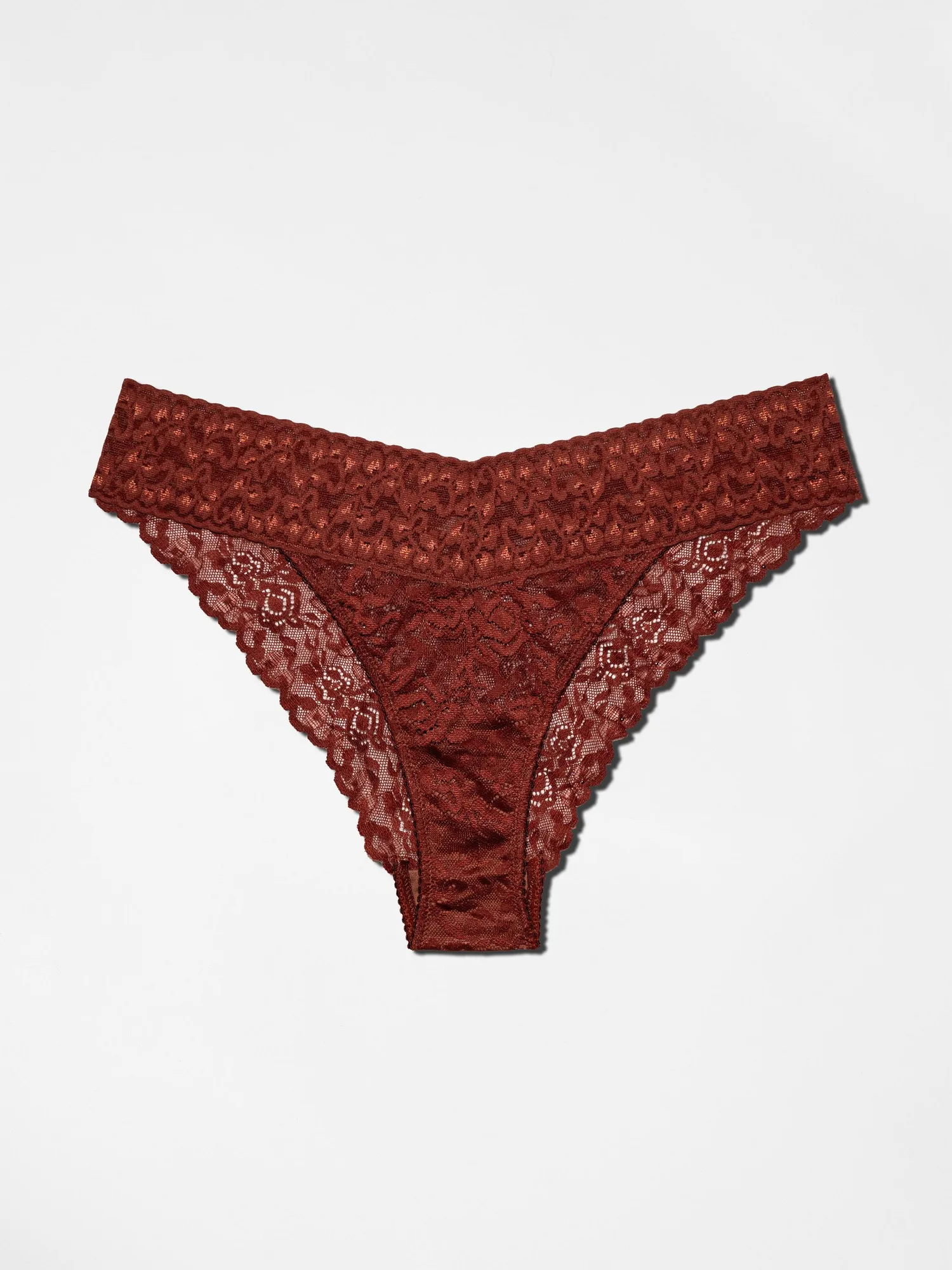
- Brazilian - Burnt Copper: Offers moderate coverage with a signature stretch lace waistband that adapts to your shape for a barely-there feel. A good starting point if you want the classic Brazilian balance of coverage and lightness.
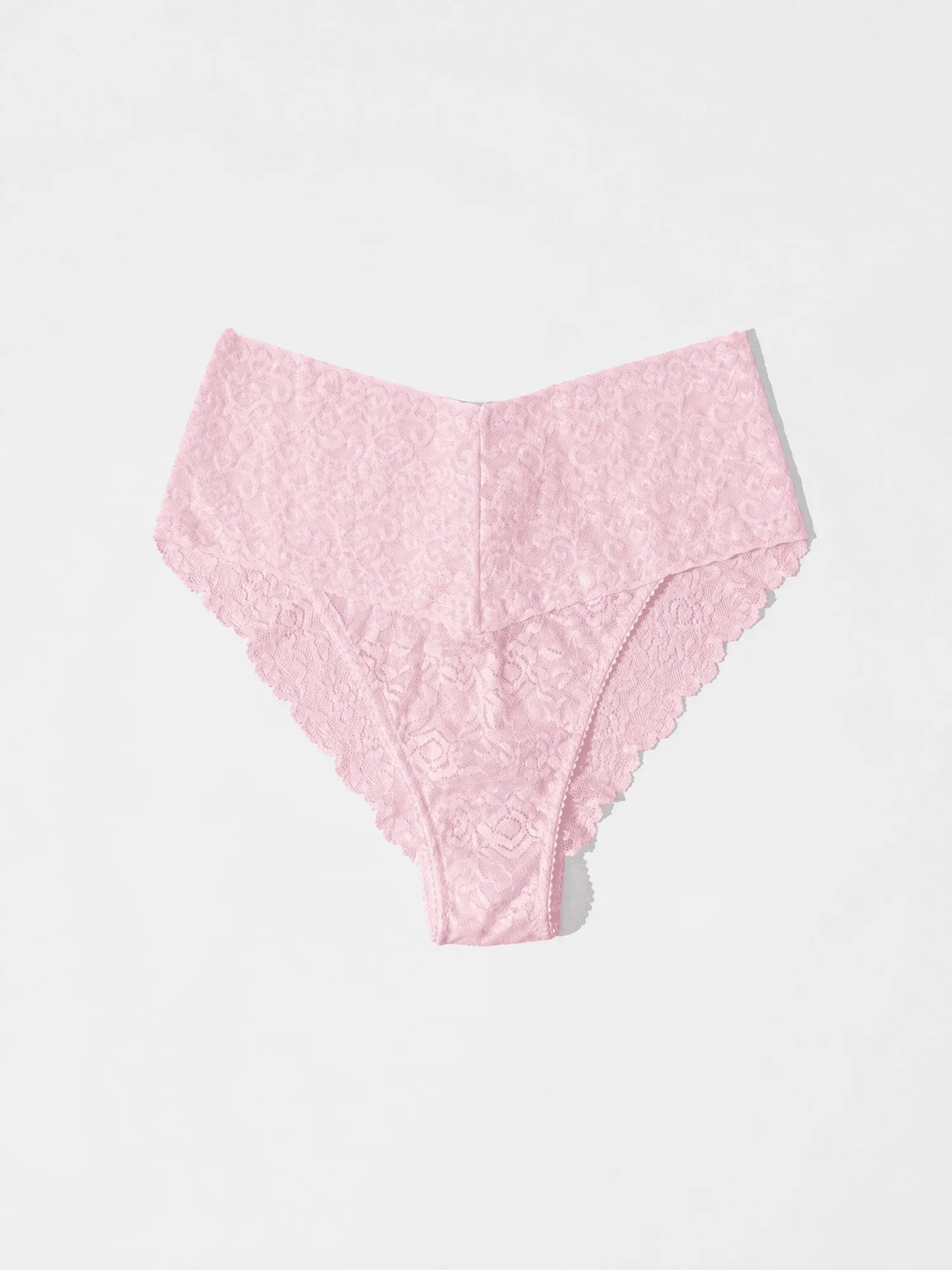
- High Waist Brazilian - Candy Pink: Blends a high waist and Brazilian cut, with a high-waisted design that supports in all the right places and a cheeky Brazilian back. Choose this if you want more support across the midsection without giving up the lighter Brazilian back.
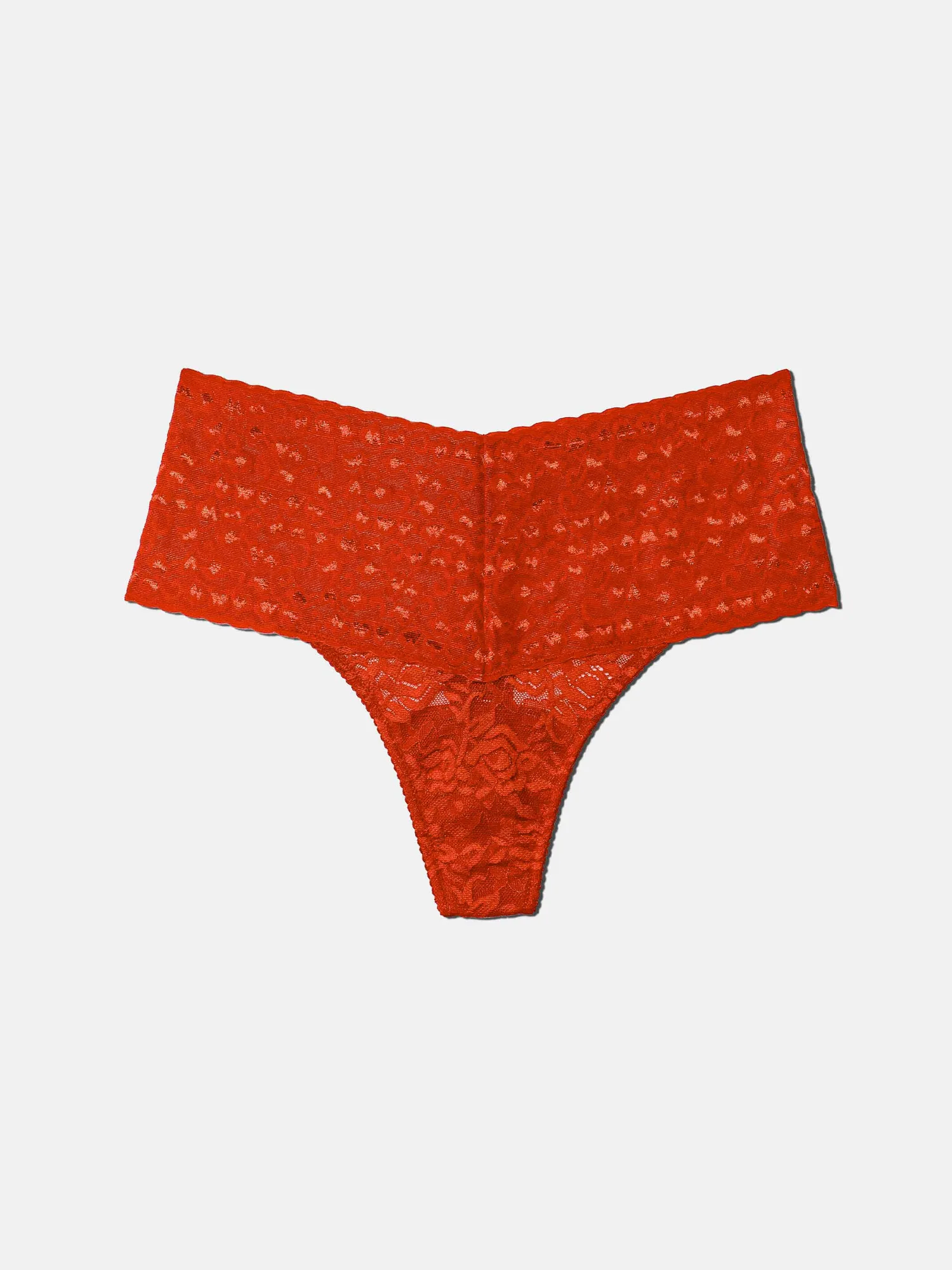
- High Waist Thong - Love: A super high-waisted style in buttery soft lace that stretches up to 150% for barely-there comfort and support. Useful comparison if you like the higher rise but prefer a thong back rather than a Brazilian back.
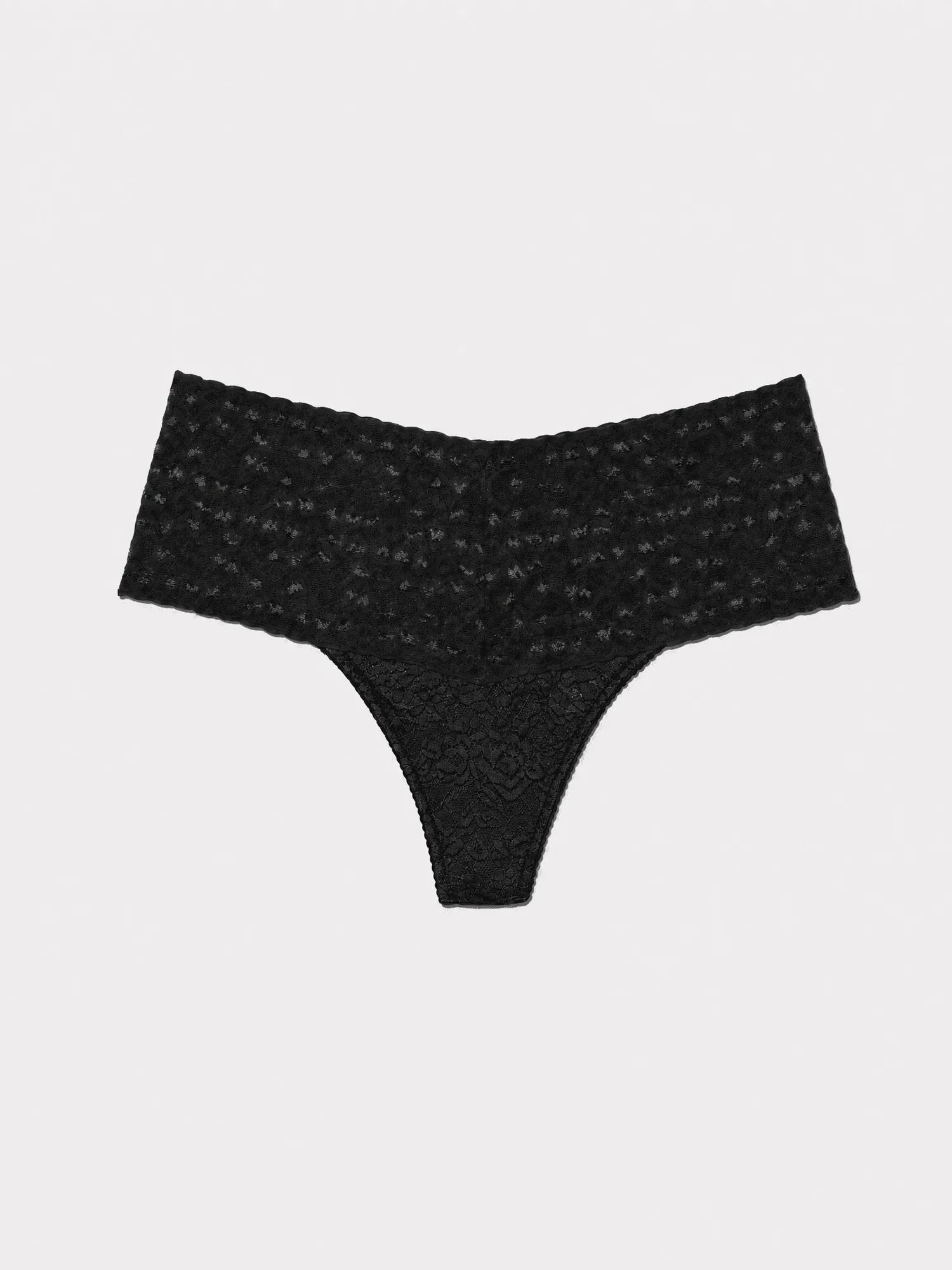
- Maternity High Waist Thong - Liquorice Therapy: Specially designed to grow with you throughout pregnancy, with gentle support and coverage over the bump. Shows how the high-rise principle adapts when you need support that changes over time.
A Brazilian cut is the middle ground between a brief and a thong: moderate front coverage, a higher-cut back, and a lighter feel than full coverage. Start with your usual size, check the waistband and back, and test it under real outfits. Once you know your preferred rise, choosing between a Brazilian and a thong becomes a quick, confident decision.