Quick answer
A chunky puzzle is a wooden puzzle with thick, easy-to-grasp pieces that stand up from the board. Toddlers love them because they are simple to handle, provide immediate success, and build essential skills like hand-eye coordination and shape recognition.
Why chunky puzzles work for toddlers
Chunky puzzles are designed with extra-thick pieces that are easy for small hands to grab and lift. Unlike flat puzzles that require precise pincer grip, chunky pieces let toddlers use their whole hand, reducing frustration and encouraging independent play.
Each piece fits into a well-defined space, often with a matching picture underneath, giving clear visual cues. This helps toddlers learn shape matching and problem-solving without adult help, boosting their confidence and desire to try again.
What to look for in a first chunky puzzle
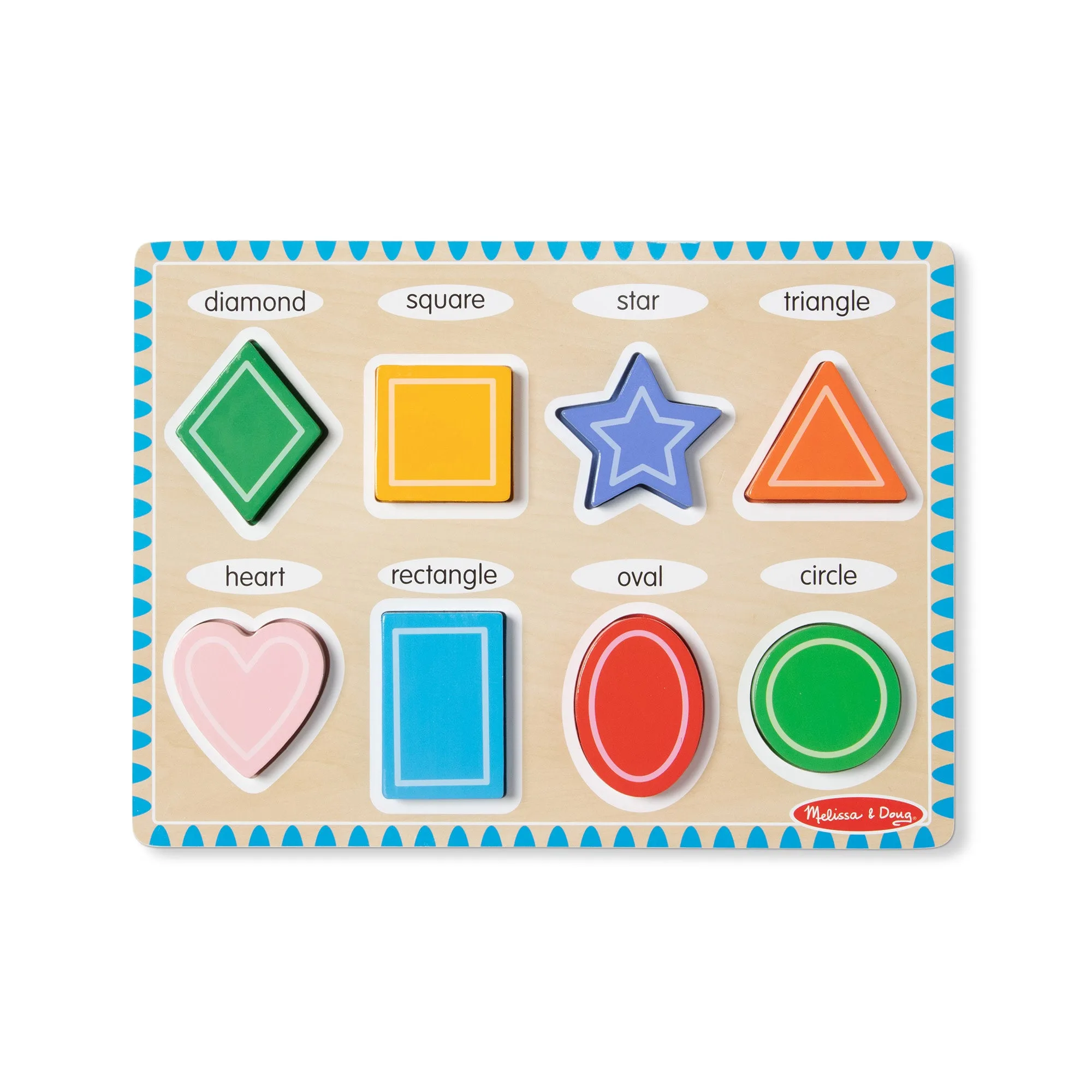
For a baby or young toddler, choose a puzzle with 4 to 8 large, familiar shapes like circles, squares, and stars. The board should be sturdy and the pieces thick enough to stand upright when removed. Wooden puzzles are durable and safe, and many are made from responsibly sourced materials.
Look for puzzles that have the shape name printed on the board. This adds a subtle literacy element as your child grows. Avoid puzzles with tiny pieces or complicated shapes that might overwhelm a beginner.
How chunky puzzles differ from other puzzle types
Chunky puzzles are different from peg puzzles (which have small knobs) and jigsaw puzzles (which have interlocking pieces). Peg puzzles require more finger dexterity, while jigsaws demand spatial reasoning and patience. Chunky puzzles offer the easiest entry point for toddlers because the pieces are large, sturdy, and have no wrong way to hold them.
Sound puzzles add an auditory element, but chunky puzzles focus purely on visual and tactile matching, which is ideal for developing foundational skills without distraction.
Frequently asked questions about chunky puzzles
At what age can a baby start using a chunky puzzle?
Most toddlers are ready for a chunky puzzle around 12 to 18 months. At this age, they can grasp objects with their whole hand and are starting to match simple shapes. Always supervise play and choose puzzles with large, safe pieces.
What skills does a chunky puzzle teach?
Chunky puzzles develop hand-eye coordination, fine motor skills, visual perception, shape recognition, and problem-solving. The act of lifting, turning, and placing pieces strengthens hand muscles and prepares toddlers for more complex tasks like writing.
How do I introduce a chunky puzzle to my toddler?
Start by showing your child how to remove one piece and place it back. Let them explore freely at first. Use simple language like 'Where does the circle go?' and celebrate small successes. Keep sessions short and fun to maintain interest. If your toddler loses interest, try placing the puzzle on the floor or at a low table so they can play from a comfortable position.
Are wooden chunky puzzles better than plastic ones?
Wooden puzzles are more durable, have a natural feel, and are often made from sustainable materials. They tend to stay looking good longer and don't have sharp edges. Many wooden puzzles, like the Shapes Chunky Puzzle, are FSC-certified, meaning the wood comes from responsibly managed forests.
How many pieces should a first chunky puzzle have?
For a first puzzle, 4 to 8 pieces is ideal. This gives enough variety to be interesting but not so many that it becomes overwhelming. As your child masters the puzzle, you can move to puzzles with more pieces or different themes.
Product spotlight
-
Shapes Chunky Puzzle - 8 Pieces: Eight familiar shapes are featured in this extra-thick wooden puzzle with easy-grasp, chunky pieces. Each piece has a matching picture underneath and the shape name is printed on the puzzle board. This design gives toddlers clear visual cues and builds early word recognition, making it a great first puzzle that grows with your child.
Shapes Chunky Puzzle - 8 Pieces