Quick Answer
A Foilpress is a heated foiling machine that bonds metallic foil to cardstock, giving cards and invitations a crisp, reflective finish that a heat tool cannot achieve. Buy one if you regularly make cards or invitations and want foil accents without a laminator or messy glue. Skip it if you only craft occasionally, or if you mainly want glitter, shimmer spray, or embossing effects instead.
If you have seen a card with a mirror-bright gold greeting or a silver border that looks pressed into the paper, it was probably made with hot foiling. A Foilpress is the tool that does it, and it is one of the most asked-about machines in papercraft because it looks impressive but is not always necessary.
This guide explains what a Foilpress actually does, how it differs from a heat tool, and the real trade-offs to weigh before you buy. You will also see how a few inexpensive supplies, like the right cardstock and a shimmer spray, can support your foiling projects or replace the look entirely if you decide to wait.
What a Foilpress Actually Does
A Foilpress is a heated press that transfers metallic foil onto cardstock using a foil stamp or a compatible die. You place your card, foil, and design in the machine, and the heated plate bonds the foil to the paper in one pass. The result is a flat, reflective finish that catches light and photographs well, which is why foiled cards often look more expensive than they cost to make.
Unlike glue-based foiling, which can leave texture or patchy areas, a Foilpress applies heat and pressure evenly, so the foil sits flush with the paper. It is a dedicated tool: it does not cut, emboss, or die-cut. If you already own a die cutting machine, the Foilpress is a companion rather than a replacement, and it is worth checking whether your existing machine has a foiling attachment before buying a separate unit.
- Foil adheres best to smooth, heavyweight cardstock; textured paper can leave gaps.
- Always test your foil and card combination on a scrap piece before foiling a finished card.
- Store foil flat and away from humidity to prevent wrinkling and transfer issues.
Foilpress vs Heat Tool: What's the Difference?
A heat tool is a handheld dryer that melts embossing powder or sets certain adhesives. It blows hot air, so it is ideal for embossing powder, drying ink, and heat-setting techniques. A Foilpress, by contrast, applies direct heat and pressure to bond foil to paper. You cannot swap one for the other: a heat tool will not produce a clean foil transfer, and a Foilpress will not melt embossing powder.
If your main goal is shiny metallic accents, a Foilpress gives a smoother, more controlled finish than heat embossing. If you want raised, textured shine and already own a heat tool, embossing powder may be enough. Many crafters keep both, because the tools solve different problems and the supplies are not interchangeable.
- Heat tool: embossing powder, drying ink, heat-setting adhesives.
- Foilpress: bonding metallic foil to cardstock with heat and pressure.
- Neither tool replaces a die cutting machine for cutting shapes.
What You Need to Start Hot Foiling
A Foilpress is the core purchase, but it is not the only thing you need. You will also need foil in your chosen colours, a foil stamp or compatible die, and smooth cardstock that can take heat without warping. Heavyweight cardstock around 225gsm is a practical starting point because it holds its shape and gives the foil a clean surface to bond to.
Budget matters here. The machine is the largest cost, and foil, stamps, and cardstock add up over time. If you are testing the hobby, start with one foil colour and one or two designs rather than a full set. A self-sealing cello bag is a small but useful extra, because foiled cards scratch easily and need protection once finished.
- Start with one foil colour and one design to test the technique.
- Smooth cardstock gives the cleanest foil transfer.
- Protect finished foiled cards in a cello bag to avoid scratches.
Trade-Offs to Weigh Before You Buy
The biggest trade-off is cost versus frequency of use. A Foilpress rewards regular crafters who make cards, invitations, or wedding stationery in batches. If you make a handful of cards a year, the machine may sit unused while the foil and stamps still take up space. In that case, a shimmer spray or glitter paste can add sparkle for far less money and no learning curve.
The second trade-off is time. Hot foiling is a multi-step process: choose the design, position the foil, heat, cool, and peel. Each card takes longer than a simple stamped card, and mistakes usually mean starting over on a fresh piece of cardstock. The payoff is a finish that looks professional and is difficult to replicate with other tools, so decide whether that finish is worth the extra minutes per project.
- Foilpress: higher upfront cost, best for batch cardmaking and invitations.
- Shimmer spray or glitter paste: lower cost, faster, less precise finish.
- Heat embossing: raised shine, but not the same flat mirror finish as foil.
How to Decide If a Foilpress Fits Your Crafting
Ask yourself three questions. First, do you make cards or invitations often enough to use the machine more than a few times a year? Second, do you want a flat, mirror-like metallic finish rather than raised embossing or loose glitter? Third, are you willing to practise a few test pieces before foiling a final card? If you answered yes to all three, a Foilpress is a reasonable purchase.
If you answered no to any of them, there are alternatives. A heat tool plus embossing powder covers raised metallic effects. A shimmer spray gives an all-over sparkle with no machine. Glitter paste adds texture and shine with a palette knife. None of these produce the same crisp foil lines, but they may match the look you actually want at a fraction of the cost.
- Yes to regular cardmaking, flat metallic finish, and practice time: buy a Foilpress.
- No to any of the three: try embossing powder, shimmer spray, or glitter paste first.
- Borrow or try a friend's Foilpress before committing if you are unsure.
Decision Rules for Buying a Foilpress
- You make 20 or more cards a year: Frequent cardmakers get the most value from a Foilpress because the per-card cost drops with regular use, and the machine earns its space on your desk. Buy the Foilpress and start with one foil colour and one design.
- You want flat, mirror-like metallic accents: A Foilpress produces a smooth reflective finish that heat embossing and glitter cannot match. If that specific look is your goal, no other tool replicates it. Choose a Foilpress over a heat tool for this effect.
- You only craft a few times a year: Occasional crafters rarely use a Foilpress enough to justify the cost. A shimmer spray or glitter paste delivers sparkle for far less money and no learning curve. Start with Crafter's Companion Shimmer Spray - Gold Dust instead.
- You already own a die cutting machine: Check whether your existing machine accepts a foiling attachment or platform before buying a standalone Foilpress. You may already own part of the system. Verify compatibility first to avoid paying twice.
Supplies That Support Foiling Projects
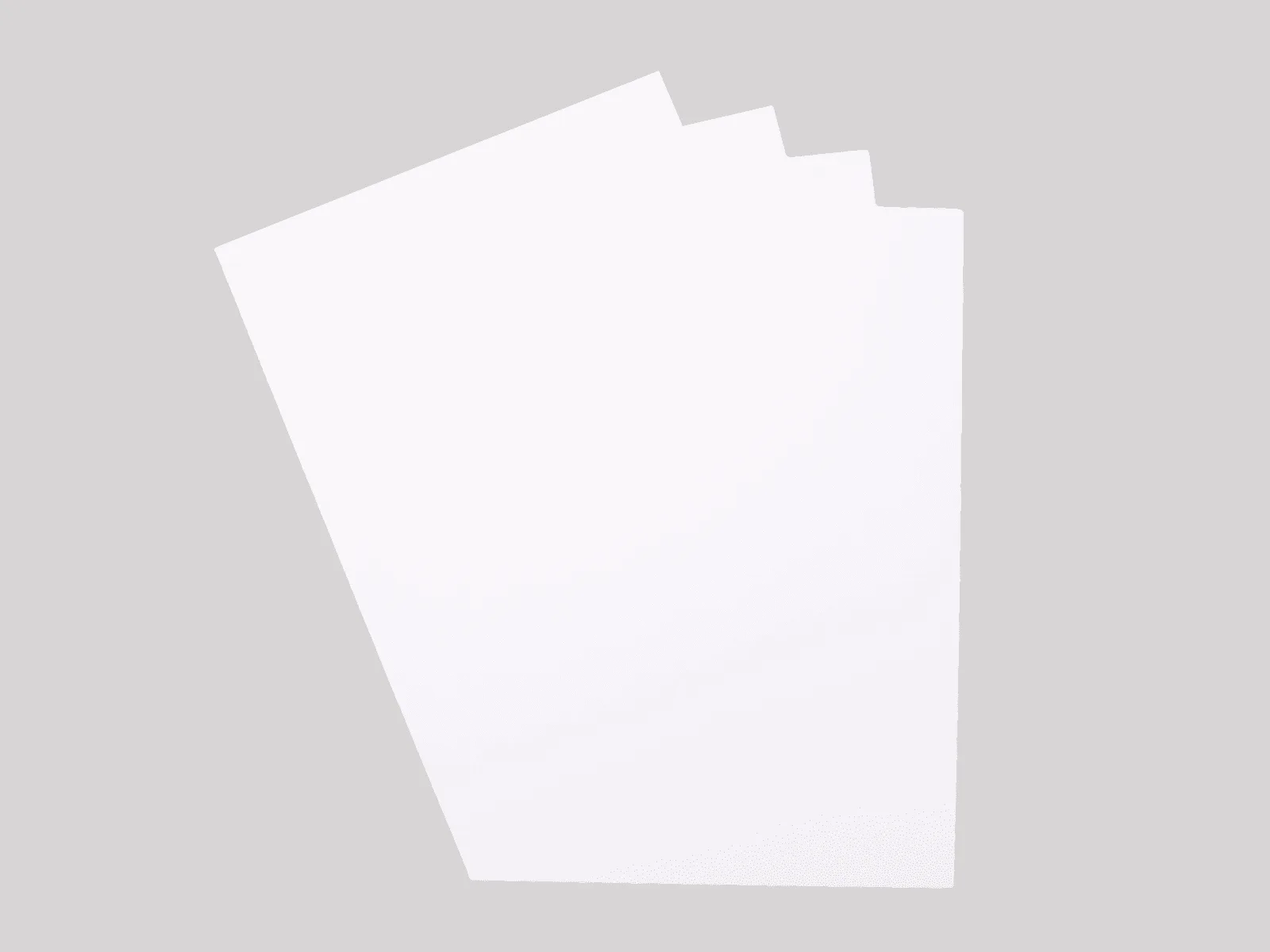
- Arden Creative Studio Premium Cardstock Natural White A4 - 20 Pack: This 225gsm heavyweight cardstock has a smooth finish and is described as ideal for stamping, die-cutting, scoring, and creating crisp mats and layers. Smooth, heavyweight cardstock gives foil a clean surface to bond to and resists warping under heat, so your foiled designs stay crisp.
- Crafter's Companion Shimmer Spray - Gold Dust: This shimmer spray contains extra-fine shimmering mica and can be sprayed onto craft projects for a sparkling finish; it comes in 10 glittering colours. If you want a gold sparkle without buying a Foilpress, this spray adds an all-over shimmer to cards and mixed media projects at a low cost.
- Crafter's Companion 5"x 5" Self Seal Cello Bags - 50 Pack: This pack includes 50 clear self-sealing bags sized to hold a 5" x 5" card and envelope, designed to protect finished projects from dust and damage. Foiled surfaces scratch easily, so storing finished cards in cello bags keeps the foil looking new until you gift or sell them.
Who Should Buy a Foilpress
Best for
- Cardmakers who produce batches of cards, invitations, or wedding stationery and want a professional metallic finish.
- Crafters who already own a die cutting machine and want to add foil accents to existing projects.
- Makers who sell or gift cards and need a consistent, scratch-resistant foil look.
Not for
- Occasional crafters who make only a few cards a year and would rather spend less on shimmer spray or glitter paste.
- Crafters who mainly want raised, textured shine, which heat embossing already delivers.
- Anyone who wants one tool for cutting, embossing, and foiling; a Foilpress only foils.
A Foilpress is a focused tool: it does one job, and it does it well. If you make cards or invitations regularly and want a flat, reflective metallic finish, it is worth the investment. If you craft occasionally or prefer raised shine, start with a heat tool, shimmer spray, or glitter paste, and revisit the Foilpress when your projects call for it.