Quick Answer
A hydrator is a water-based product that adds moisture to the skin, while a moisturizer locks that moisture in. For acne-prone skin, a hydrator like hydraBalance Gel can provide lightweight hydration without clogging pores, making it a valuable addition to your routine.
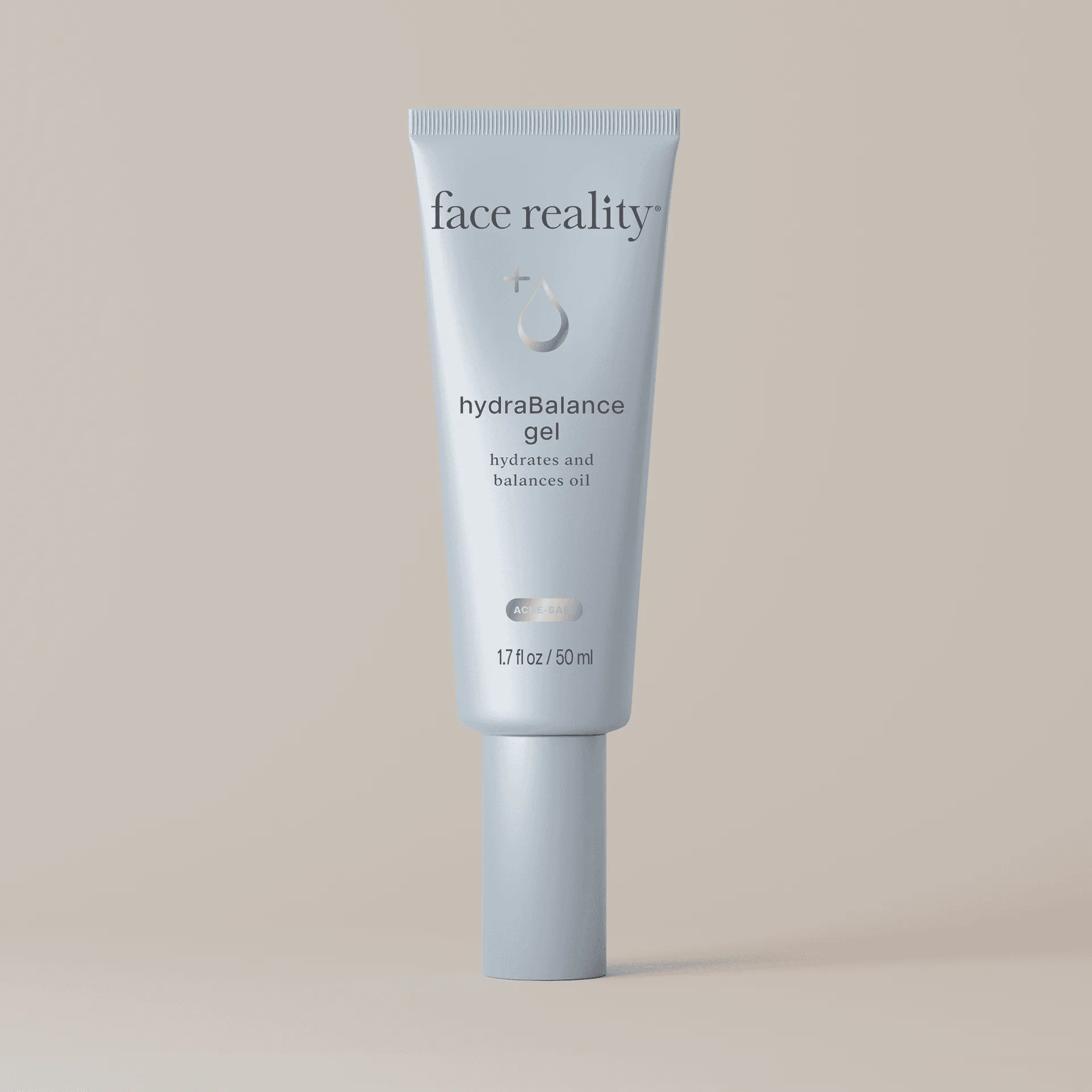
hydraBalance Gel
If you have acne-prone skin, you might think that moisturizing is enough. But hydration and moisturization are two different things, and both matter for clear, healthy skin. A hydrator specifically adds water to the skin, helping to maintain a healthy moisture balance without adding heavy oils or butters that can feel suffocating.
In this FAQ, we'll answer common questions about hydrators, how they differ from moisturizers, and why you should consider adding one to your acne routine.
What is a hydrator?
A hydrator is a skincare product that increases the water content in the skin. It typically contains humectants like glycerin, hyaluronic acid, or aloe vera, which draw moisture into the outer layer of skin. For acne-prone skin, a hydrator can provide essential moisture without adding heavy oils that might clog pores.
Unlike moisturizers, which often contain emollients and occlusives to create a barrier and prevent water loss, hydrators focus on delivering water. This makes them ideal for oily or combination skin types that need hydration but not extra oil.
- Hydrators are usually lightweight and absorb quickly.
- They help maintain skin's moisture balance.
- They can be used under moisturizers for extra hydration.
Hydrator vs moisturizer: What's the difference?
The main difference lies in their function. Hydrators add water to the skin, while moisturizers trap water and oil to keep the skin barrier intact. Think of a hydrator as a drink of water for your skin and a moisturizer as a jacket that keeps that water from escaping.
For acne-prone skin, both are important. A hydrator can help prevent dehydration, which can lead to excess oil production and more breakouts. A moisturizer, on the other hand, helps seal in the hydration and protect the skin barrier. Many people benefit from using both in their routine.
- Use a hydrator first, then a moisturizer to lock it in.
- Look for non-comedogenic formulas to avoid clogging pores.
- Adjust based on your skin's needs: oily skin may prefer a gel hydrator.
Why use a hydrator for acne?
Acne treatments like benzoyl peroxide and salicylic acid can be drying, stripping the skin of natural moisture. This can lead to irritation, flakiness, and a compromised skin barrier. A hydrator helps replenish water, keeping skin comfortable and less prone to irritation.
Hydrated skin is also better able to heal and maintain a healthy balance. When skin is dehydrated, it may produce more oil to compensate, which can worsen acne. By providing hydration, you can help regulate oil production and support your skin's natural recovery.
- Prevents dryness and irritation from acne treatments.
- Supports a healthy skin barrier.
- May help reduce excess oil production.
Common Questions About Hydrators
Can I use a hydrator if I have oily skin?
Yes, hydrators are often ideal for oily skin because they provide water without adding heavy oils. Look for gel-based formulas like hydraBalance Gel, which are lightweight and non-comedogenic. Choose a gel hydrator to hydrate without greasiness.
Should I use a hydrator and a moisturizer?
Yes, using both can be beneficial. Apply a hydrator to damp skin to draw in water, then follow with a moisturizer to seal it in. This is especially helpful if you use drying acne treatments. Layer hydrator and moisturizer for optimal hydration.
When should I apply a hydrator in my routine?
Apply a hydrator after cleansing and toning, before heavier creams or treatments. This allows the water-based ingredients to absorb effectively. Use hydrator early in your routine for best results.
Products to consider
- hydraBalance Gel: hydraBalance Gel is designed to support clearer-looking skin with a cooling, lightweight, hydrating gel formula that absorbs quickly to quench skin while perfectly balancing oil levels. Perfect for oily and combination skin types. If you have oily or combination skin, this gel hydrator provides moisture without heaviness, making it an excellent choice for daily use.
- Moisture Balance Toner: Quench skin with just the right level of moisture. This skin-conditioning toner immediately replenishes hydration, helps maintain moisture, and soothes dry skin. A toner can be a great first step to add hydration right after cleansing, especially if your skin feels tight or dry.
Adding a hydrator to your acne routine can make a noticeable difference in how your skin feels and looks. By keeping your skin hydrated, you can help prevent dryness and irritation from acne treatments while supporting a healthy barrier. Start with a lightweight formula like hydraBalance Gel and see how your skin responds.