Quick Answer
TPO (trimethylbenzoyl diphenylphosphine oxide) is a photoinitiator: an ingredient that absorbs UV or LED light and starts the chemical reaction that turns liquid gel polish into a hard, cured film. TPO-free gel polish swaps that photoinitiator for alternatives, which is why people who have had reactions to gel polish or who simply want to avoid TPO often seek it out. If you are unsure whether TPO is an issue for you, stop using a product that causes symptoms and see a dermatologist.
If you have ever read a gel polish ingredient list and wondered what half of it does, TPO is one of the more important names to recognize. It is not a color pigment or a solvent. It is a photoinitiator, the component that makes curing possible in the first place.
This guide answers the questions people actually ask about TPO: what it does, why TPO-free gel polish exists, whether TPO is linked to allergies, and how to shop for formulas that fit your needs. It also covers how to spot TPO-free options from La Catrina Nails. TX without guessing.
What Does TPO Actually Do in Gel Polish?
Gel polish stays liquid in the bottle because nothing has triggered it to set. TPO changes that. When you place your hand under a UV or LED lamp, TPO absorbs that light energy and uses it to kick off polymerization, the process that links small molecules into a solid network. Without a photoinitiator, the gel would stay tacky no matter how long you cure it.
TPO is popular in professional and at-home formulas because it responds well to LED lamps, which are common in home setups. That efficiency is why it appears in many gel systems, not just one brand. It is a functional ingredient, not a filler.
- Photoinitiators start curing; pigments and solvents do different jobs.
- A gel that never fully cures may have a photoinitiator or lamp mismatch.
- Always follow the brand's recommended cure time and lamp type.
Why Do Some People Look for TPO-Free Gel Polish?
The main reason is sensitivity. Some people develop an allergic reaction to gel polish ingredients after repeated exposure, and photoinitiators are among the ingredients that can be involved. Symptoms can include itching, redness, swelling, or a rash around the nail and fingertips. If that happens, the priority is to stop using the product and get medical advice rather than trying to push through it.
Others choose TPO-free gel polish simply as a preference. They may want to reduce the number of known sensitizers in their routine, or they may have had a reaction to one product and want to try a different formulation. TPO-free does not automatically mean reaction-proof, because other ingredients can still cause sensitivity in some people.
- A reaction is a signal to stop, not to cure longer or layer more.
- Patch testing a small area first is a reasonable precaution.
- Keep a note of which products caused symptoms so you can compare labels.
Does TPO-Free Mean the Polish Won't Cure Properly?
No. TPO-free formulas use other photoinitiators to do the same job. The key is that the formula and the lamp are designed to work together. A well-made TPO-free gel can cure to a hard, glossy finish when you follow the instructions. What matters is using the lamp type and cure time the brand specifies, not whether TPO is on the label.
If a TPO-free gel feels tacky after curing, that is usually a sign of under-curing, an incompatible lamp, or applying too thick a layer, not proof that TPO-free chemistry fails. Thin coats and the correct lamp solve most of these issues.
- Cure times are formula-specific; do not shorten them to save time.
- A weak or aging lamp can cause under-curing even with the right gel.
- Keep layers thin so light can reach the full thickness.
How Do You Spot TPO-Free Gel Polish When Shopping?
Start with the product name and description. Some brands, including La Catrina Nails. TX, put HEMA-free and TPO-free directly in the product name, which makes filtering much faster. If the name does not say it, check the ingredient list or the product details section. If TPO is not listed and the brand does not claim TPO-free, treat it as unknown rather than assuming.
Also pay attention to what the product is for. A stamping gel, a transfer gel, and a standard color gel can have different formulas even within the same brand. Check each product individually instead of assuming the whole line is the same.
- Search the product name for 'TPO-free' as a quick first filter.
- If a spec is not listed, ask the brand rather than guessing.
- Check each product separately, even within one collection.
What Should You Do If You Suspect a TPO Reaction?
Stop using the product immediately and remove it properly rather than picking or peeling it off, which can damage the nail plate. Note the symptoms, when they started, and which products you used. Then see a dermatologist or healthcare provider, especially if symptoms are spreading, painful, or not improving.
Do not try to 'test' whether you are still reacting by applying the same product again. If you later want to try a TPO-free or HEMA-free formula, do it only after your nails and skin have fully settled, and consider a small patch test first.
- Remove gel properly with acetone rather than forcing it off.
- Bring your product names or ingredient lists to your appointment.
- Wait until skin and nails are fully recovered before trying new products.
TPO-Free Gel Polish: Quick Reference
What TPO does
TPO is a photoinitiator that absorbs UV or LED light and starts the curing reaction that hardens gel polish. It is a functional ingredient, not a pigment or filler.
Why TPO-free exists
Some people react to gel polish ingredients over time, and others simply prefer to reduce known sensitizers in their routine. TPO-free is a preference and precaution, not a guarantee against all reactions.
How to shop for it
Look for 'TPO-free' in the product name or details, and check each product separately since formulas vary within a brand. If it is not stated, ask rather than assume.
TPO-Free Options at La Catrina Nails. TX
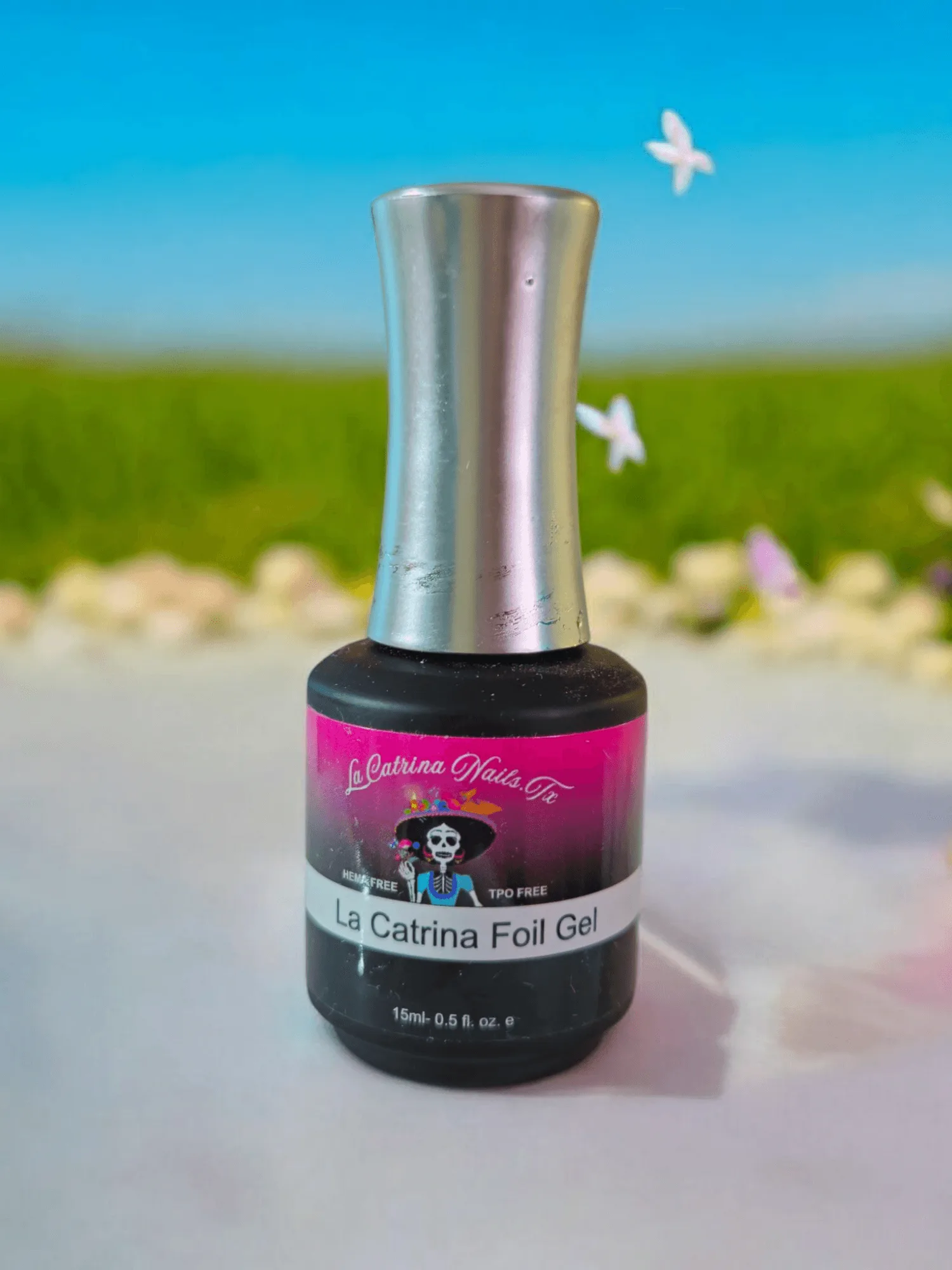
- Fusión Transfer Gel~ HEMA-Free and TPO Free Gel polish: A HEMA-free and TPO-free gel designed as an adhesive for foil transfers, with a tacky layer engineered for foil pickup and minimal patchiness. If you want to try foil art but prefer to avoid TPO, this is a purpose-built option rather than a standard color gel used off-label.
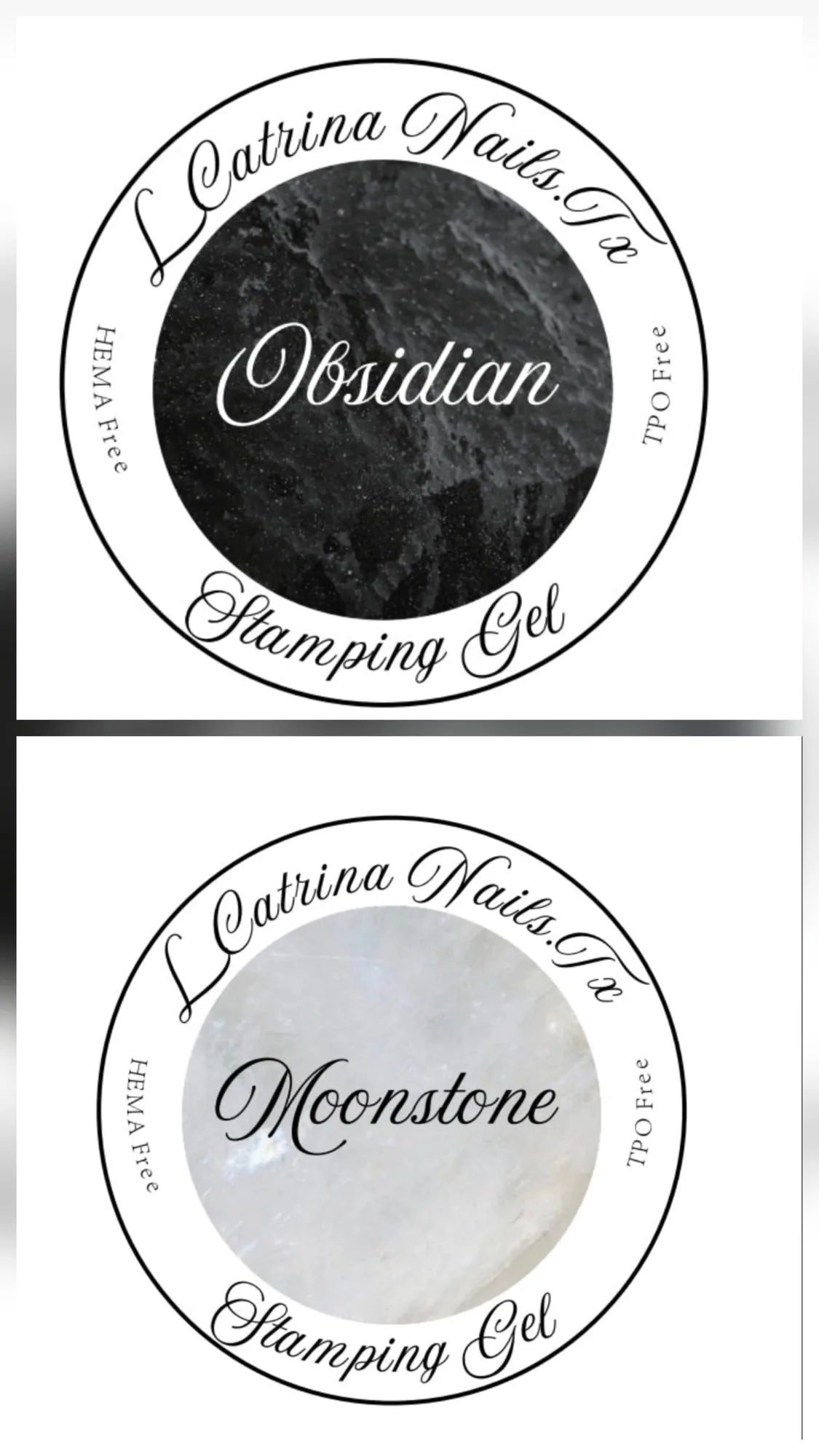
- Stamping Gel Duo~HEMA-Free and TPO Free Nail Stamping Gel polish: A HEMA-free and TPO-free stamping duo with an ultra-pigmented jet black and an opaque milky white, both described as having a smooth, non-runny consistency for clean, sharp stamp transfer. Stamping formulas need different handling than color gel, so a TPO-free duo keeps your stamping and color routines consistent if you are avoiding TPO.
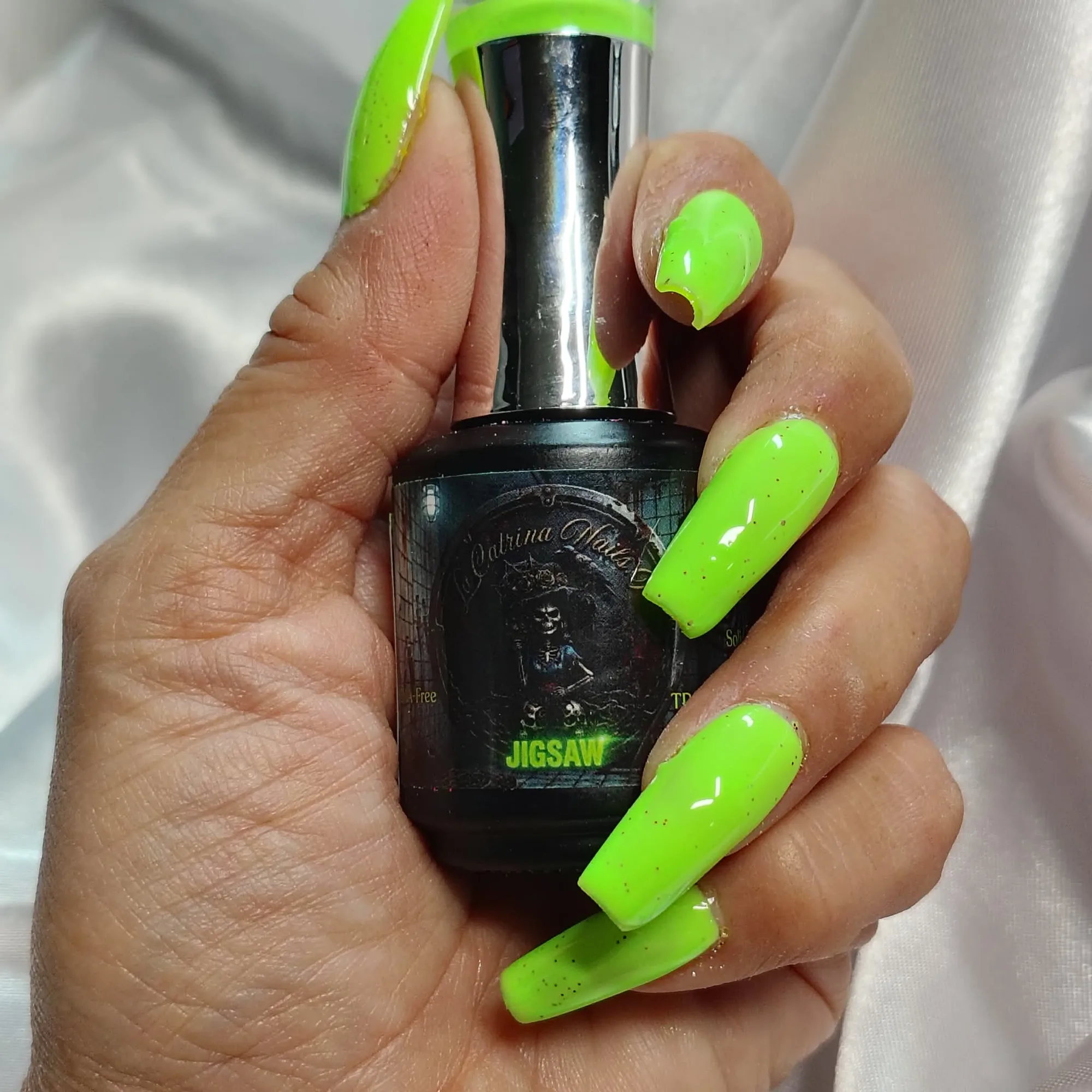
- Jigsaw ~HEMA-Free and TPO Free Gel polish: A HEMA-free and TPO-free neon green glow-in-the-dark gel polish inspired by the Saw films, bright by day and glowing once the lights go out. Shows that TPO-free formulas are not limited to basic shades, so you can still build a bold or seasonal manicure without TPO.
TPO is simply the ingredient that helps gel polish cure, and TPO-free formulas replace it with other photoinitiators. If you have had a reaction, stop using the product and see a professional before trying anything new. If you are choosing TPO-free as a preference, check each product's name and details, cure according to the brand's instructions, and you can still get a durable, high-shine manicure.