Quick Answer
A Montessori-friendly toy is simple, open-ended, and made of natural materials, and it lets your child lead the play instead of the toy doing the work. Look for toys that have one clear skill or idea, can be used in more than one way, and match what your child can already do. If a toy needs batteries to be fun or only has one correct outcome, it usually is not Montessori-friendly.
Montessori-friendly toys are not a special product line you have to hunt down. They are ordinary toys that happen to follow a few simple rules: they are open-ended, made of natural materials, and sized so a child can use them without an adult hovering. That means many toys already on your shelf qualify, and a few popular ones do not.
This guide gives you decision rules you can apply in any toy aisle, plus honest trade-offs. Montessori-style play asks more of the adult in the short term, because you set up the shelf and rotate the toys. In exchange, you usually buy less, and the toys you do buy stay interesting for years.
The Four Rules That Actually Matter
First, the toy should be open-ended. A set of wooden blocks can become a tower, a road, or a house. A talking cash register can only be a cash register. Second, it should be made of natural materials where possible, like wood, silicone, felt, or sturdy paper, because these give honest sensory feedback and tend to survive years of use.
Third, it should isolate one skill or concept. A shape sorter teaches shapes. A stacking toy teaches size order. When a toy tries to teach colors, letters, numbers, and songs at once, children often just press buttons. Fourth, it should be self-correcting, meaning your child can see for themselves whether it worked, without you saying so.
- Ask: can this toy be used three different ways by my child, not by me?
- Ask: does it need an adult to make it fun, or just to set it up?
- Ask: will it still be interesting in six months?
Open-Ended Toys vs. Single-Outcome Toys
Open-ended toys are the backbone of a Montessori-friendly shelf. Loose parts, stacking sets, simple puzzles, and pretend play props all count. A single-outcome toy, like a wind-up animal that does one trick, is not bad, but it belongs in a different category. It entertains rather than engages, and children usually outgrow it fast.
This is where price per hour of play matters more than price per toy. A simple silicone stacking set can be rolled, nested, sorted, and turned into a castle by a toddler, then used as a color-sorting game by a preschooler. A licensed character toy with three buttons often gets ten minutes and then sits on the shelf.
- Count the number of ways your child can play with it without instructions.
- Prefer toys with no screens, lights, or recorded voices for the core shelf.
- Keep one or two battery toys if your child loves them, but store them separately.
Materials, Size, and the Real Trade-Offs
Natural materials are not a moral requirement, but they do change the experience. Wood is heavier and gives a satisfying clack. Silicone is soft, quiet, and safe for mouthing. Both tend to hold up better than thin plastic, which matters if you plan to pass toys down. The trade-off is cost: a well-made wooden set often costs more up front than a plastic equivalent.
Size matters too. Montessori classrooms use child-sized tools because a child who can carry, open, and put away a toy independently gets more from it. If a toy is too heavy or the pieces are too small for your child's current grip, it will frustrate them. Check the age guidance and be honest about your child's actual abilities, not their birthday.
- For toddlers, look for pieces large enough to grip with a whole hand.
- For preschoolers, small parts and longer assembly builds become appropriate.
- Skip anything that requires you to hold it steady the whole time.
How to Set Up a Montessori-Friendly Shelf
The shelf matters as much as the toy. Keep only a few items out at once, at eye level, in a place your child can reach and return things to. A low shelf with three to five choices is more inviting than a bin overflowing with options. Rotate items every week or two rather than buying more.
This is also where you save money. When you rotate, old toys feel new again, and you can see which ones your child actually chooses. If a toy has been passed over three rotations in a row, it is a signal, not a failure. Donate it or store it for a younger sibling.
- Put the current favorites at eye level and the rest out of sight.
- Use open baskets or trays so your child can see what is inside.
- Rotate on a schedule, not on a whim, so the shelf stays predictable.
Where Popular Toys Fit, and Where They Do Not
Some toys are Montessori-friendly by accident. A simple 3D puzzle that a child assembles alone, a set of silicone spools that can be stacked and sorted, and a wooden railway expansion all fit the rules because the child does the work. Others, like sticker makers or character-driven playsets, are creative and fun but not Montessori in the strict sense.
That is fine. A Montessori-friendly shelf does not have to be the only shelf. The goal is a core of open-ended, child-led toys, plus whatever else your family enjoys. If you are building that core, the products below are concrete examples that pass the four rules.
- Use the four rules as a filter, not a judgment on your whole toy box.
- Mix one new open-ended toy into the rotation at a time.
- Let your child's choices tell you what to keep.
Decision Rules for Buying Montessori-Friendly Toys
- Rule 1: One toy, many uses: If your child can only play with it one way, it is not open-ended. Look for toys that can be stacked, sorted, built, or pretended with in more than one scenario. Pass if you cannot name three different ways your child would use it.
- Rule 2: Natural materials, honest feedback: Wood, silicone, felt, and sturdy paper give weight, sound, and texture that plastic often does not. They also tend to survive sibling hand-me-downs. Choose natural materials for the core shelf; allow plastic for specialty or outdoor toys.
- Rule 3: Child-sized and self-correcting: Your child should be able to carry it, use it, and see for themselves whether it worked. If you have to hold it or explain it every time, it is too advanced or too complex. Match the toy to what your child can already do, not to their age on paper.
- Rule 4: Fewer toys, more rotation: A shelf with three to five choices beats a bin with thirty. Rotate every week or two and watch which toys your child returns to. If a toy is skipped three rotations in a row, it is ready to move on.
Toys That Pass the Montessori Check
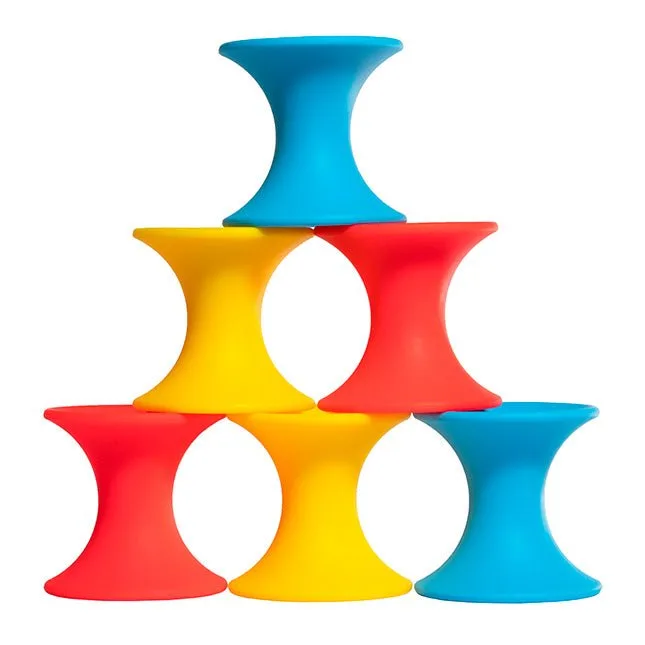
- Tulu by MOLUK 9 pc set: Made of 100% silicone, these spool-shaped toys can be rolled, stacked, nested, sorted, and combined with other toys. This is open-ended play in its purest form: one set supports many different actions, and the soft silicone makes it safe and quiet for infants and toddlers.
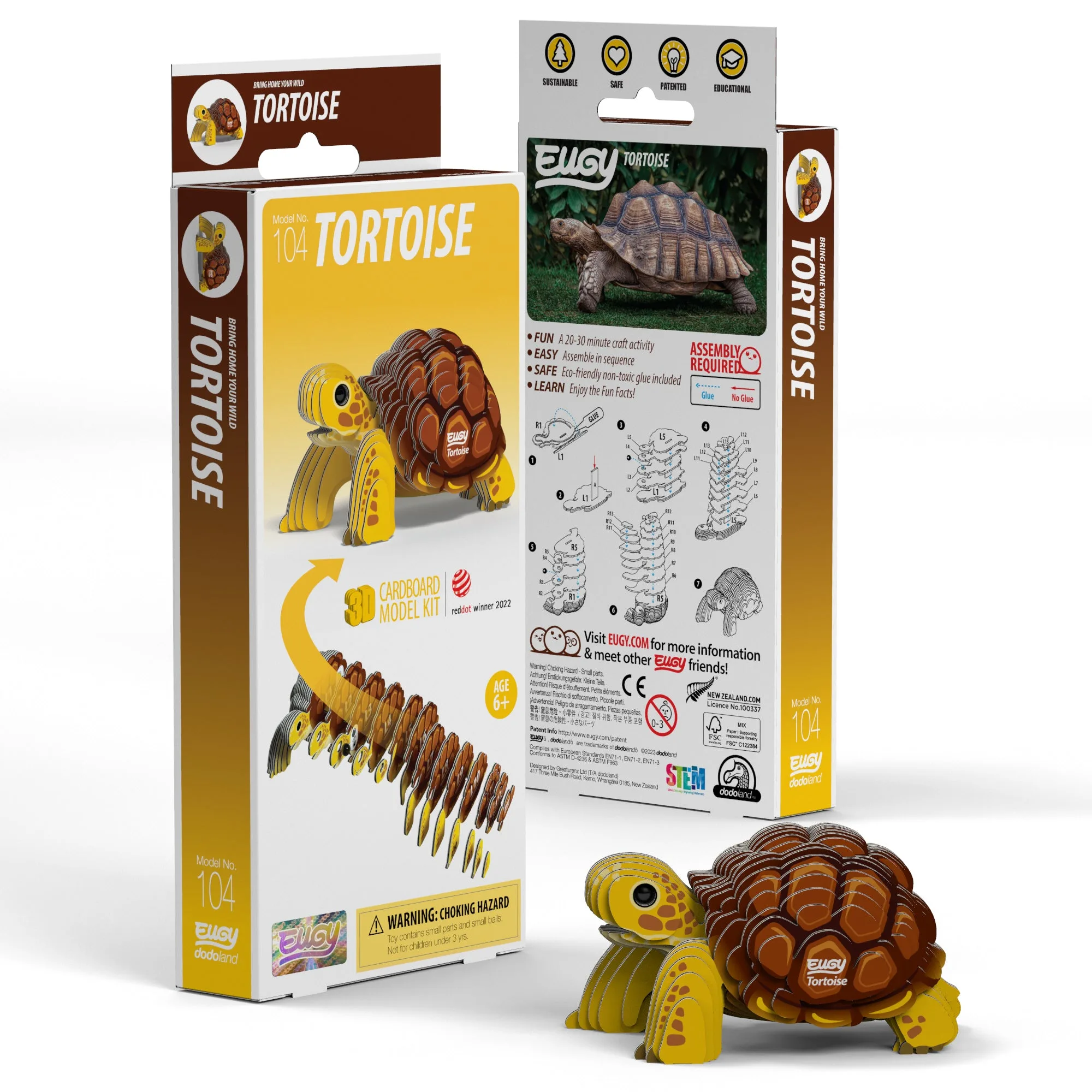
- EUGY Tortoise 3D Puzzle: A 3D puzzle that assembles in 10 to 20 minutes, is eco-friendly, and supports STEM concepts. It is self-correcting, uses no batteries, and gives a child a complete project they can finish independently, which fits the Montessori idea of purposeful work.
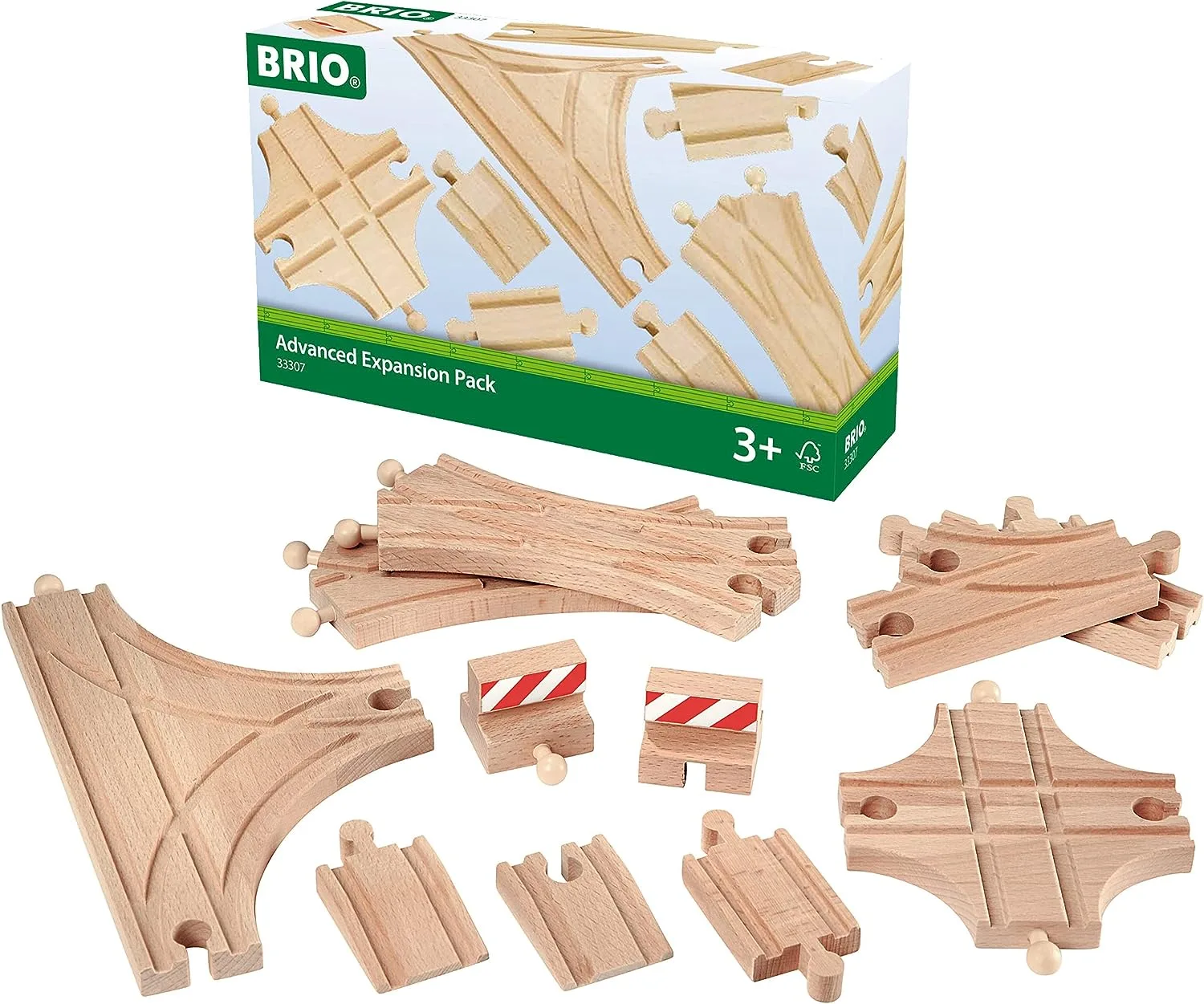
- Expansion Pack Beginner: Contains 11 track pieces, including a t-switch, short curve switches, and a cross-track, to expand a Brio wooden railway system. Wooden track building is open-ended and child-led, and this pack adds new configurations without adding screens or prescribed outcomes.
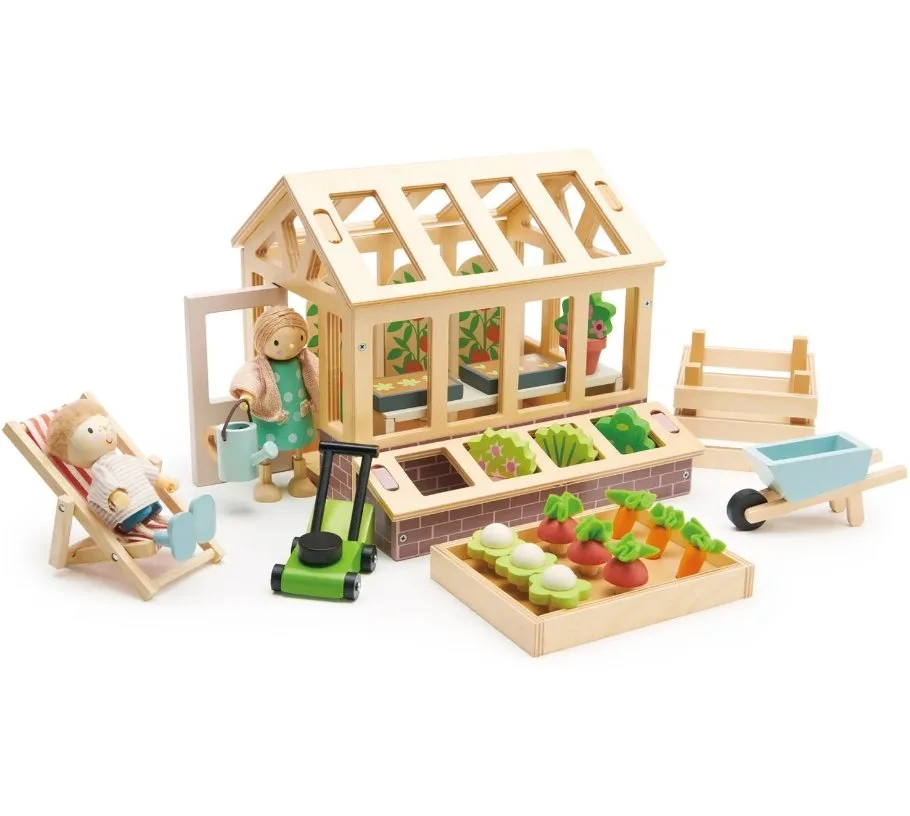
- Tender Leaf Toys Greenhouse and Garden Set: A pretend play set with a greenhouse, seed trays, a planting bench, 4 pot plants, and 3 tomato shrubs, for ages 3 and up. It supports nature-based pretend play and real-world vocabulary, and the wooden pieces are sized for small hands to arrange and rearrange.
Is a Montessori-Friendly Toy Right for Your Child?
Best for
- Parents who want toys that grow with their child and stay interesting for years
- Toddlers and preschoolers who are learning to play independently
- Families who prefer fewer, higher-quality toys over a large rotating pile
Not for
- Children who strongly prefer character-driven or electronic toys with lights and sounds
- Parents looking for a toy that entertains a child with minimal setup or supervision
- Buyers who want a strict checklist rather than a set of flexible guidelines
Montessori-friendly toys are less about a brand and more about a pattern: simple, open-ended, child-sized, and made to be used rather than watched. Start with one or two items that pass the four rules, set them on a low shelf, and let your child show you what works. The best toy is the one they pick up again next week without being asked.